

Paper
Douglas H. Paal
{
  "authors": [
    "Douglas H. Paal"
  ],
  "type": "questionAnswer",
  "centerAffiliationAll": "dc",
  "centers": [
    "Carnegie Endowment for International Peace",
    "Carnegie China"
  ],
  "collections": [
    "China’s Foreign Relations"
  ],
  "englishNewsletterAll": "asia",
  "nonEnglishNewsletterAll": "",
  "primaryCenter": "Carnegie China",
  "programAffiliation": "AP",
  "programs": [
    "Asia"
  ],
  "projects": [],
  "regions": [
    "East Asia",
    "North Korea",
    "South Korea"
  ],
  "topics": [
    "Nuclear Policy",
    "Security",
    "Arms Control",
    "Foreign Policy"
  ]
}
Source: Getty
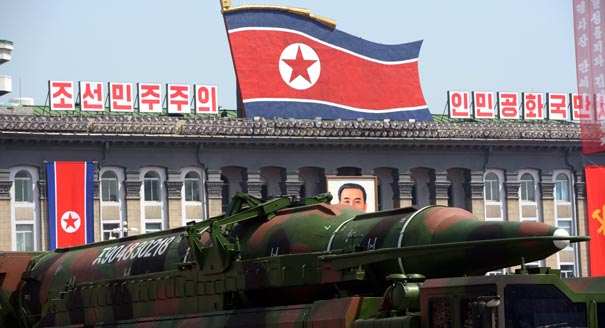
While signals pointing to a looming nuclear test in North Korea have quieted in recent weeks, this could change overnight.
The international community braced for a third nuclear test in North Korea after its failed rocket launch in April. In a Q&A, Douglas Paal explains that while signals pointing to a looming test have quieted in recent weeks, this could change overnight. The regime is showing signs of becoming more unstable as its new leader, Kim Jong Un, begins to make decisions on his own.
There was every expectation that North Korea would follow its normal pattern, which is to react to being criticized by doing something more outrageous. There was also an election going on in South Korea that they wanted to influence by scaring South Korean voters and trying to keep them from electing someone who would be tough on North Korea.
That’s what has happened in the past. And they have a new source of highly enriched uranium that they may want to demonstrate to the world they have mastered, in the hopes it can become either a bargaining chip or a whole card for them in their game of getting recognized as a legitimate nuclear power, much as the United States recognized India as a legitimate nuclear power.
A couple weeks ago, we were seeing precursor statements and steps in that direction. But in the last couple of weeks, this hasn’t been persistent. The North has mismanaged its relations with everybody who tried to be nice to them, but they seem to be under some kind of constraint not to press ahead at this time. This bears watching and it could change overnight. But we are just not seeing the kinds of fulminations from their press that suggest the indignation of the North Korean people is building and that they must express it by testing of a new nuclear weapon. So while I was quite convinced we were heading toward a test a few weeks ago, we have to be more cautious in predicting that now.
On February 29, North Korea signed an agreement with the United States. And in the background to that agreement, which returned to the various promises made in the course of the six-party talks in exchange for nutritional assistance for its people, the Americans said if you fire a missile that breaks the deal.
First, we agreed to make respective statements about our positions before we knew whether they would fire the missile or not, which was probably a diplomatic blunder. But secondly, having done that, North Korea knew they would lose the food aid and interrupt our process of slowly moving our way back to a forum in which we can discuss denuclearization and they can put substitute energy and other things on the agenda. And they blew that away with a missile test.
The decision to test the missile was really made by the father of the current ruler. He had planned to do a missile test to honor his father to mark the one hundredth anniversary of his birth. Once that was decided, the kid could not reverse it. I imagine the scientists may have been shaking in their boots, having put this missile together and not being confident it would work. But they were condemned to go through with it in one way or another and paying a price for having done so in the international community.
The regime shows a lot of signs of being very unstable. We had the first few months after the death of the father in December where everything was in lockstep. We weren’t to expect departures from what had been ordered before his death, including the meeting with the United States, signing an agreement, and firing a missile that defeats the agreement. These are decisions that were made earlier.
Now that we’re past that point and we’re past the ceremonial requirements, North Korea has to make decisions about the future. Young Kim Jong Un, who’s a very difficult looking person—if you can judge just from pictures and behavioral style—is surrounded by people in their seventies and eighties. It’s hard to imagine that they will last for very long and that he wouldn’t want to appoint people he was closer to in age and experience.
So you start getting ripples. It’s been a stable regime, with the occasional execution—or an accidental death that might be an execution—but now there is a chance that he’ll want to have broader, sweeping change, which itself sets off either the potential for reform and improvement which I doubt we’re going to see, or tensions and crises that they won’t be able to resolve. That’s why I lean toward the instability interpretation of the regime.
Not this year and not under the present circumstances. The administration stuck its head out in Washington and made an agreement. Again, it was not perfectly executed, but now there’s no political support, except in extremely small and non-official circles, to go back and try again.
We have the Proliferation Security Initiative to keep them from sending nuclear materials or weapons to parties that would pay the regime in cash. They are not 100 percent, but it’s a pretty effective mechanism. We have existing sanctions and if North Korea sets off a nuclear test there’ll be additional sanctions, probably on its banking system and connections to the outside world, plus some more companies that deal with North Korea.
China has been a drag on these sanctions, and China often honors the letter of a sanction but violates its spirit by offering something in compensation to the North. So we have a difficult partner in China. China wants to preserve the North Korean regime for as long as possible, even though increasing numbers of experts in China are openly stating they don’t think that can be achieved.
Distinguished Fellow, Asia Program
Paal previously served as vice chairman of JPMorgan Chase International and as unofficial U.S. representative to Taiwan as director of the American Institute in Taiwan.
Recent Work
Douglas H. Paal

Douglas H. Paal, Tong Zhao, Chen Qi, …
Carnegie does not take institutional positions on public policy issues; the views represented herein are those of the author(s) and do not necessarily reflect the views of Carnegie, its staff, or its trustees.
Closer EU-UK ties could help address urgent European concerns. But is the EU ready for rapprochement with the United Kingdom?

Rym Momtaz, ed.
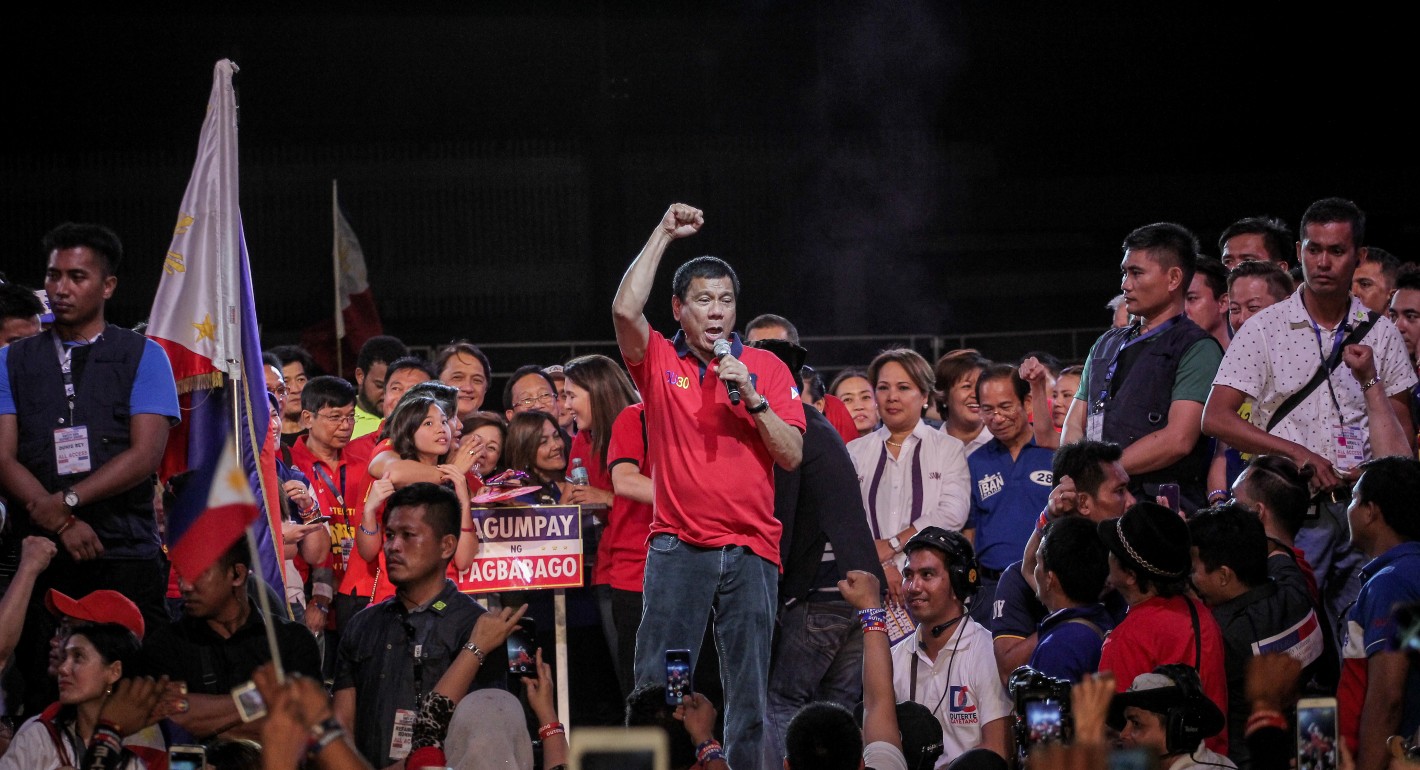
In the Philippines, Duterte-era discourse emphasizing sovereignty, anti-Western skepticism, and strongman diplomacy mirrors tenets of populist foreign policy around the world.
Aries A. Arugay
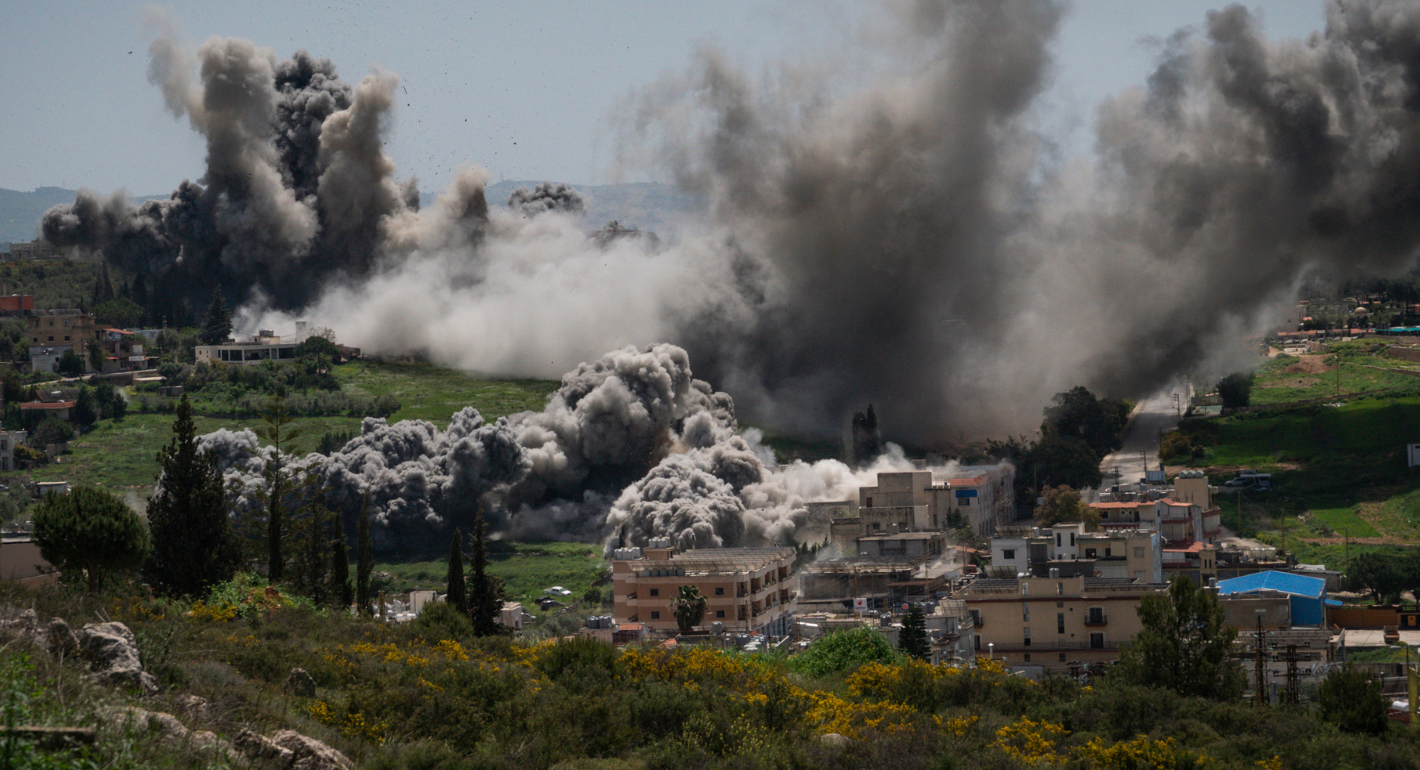
Europe has been standing by while its Southern neighborhood is being redrawn by force. To establish a path to peace between Israel and Lebanon, it’s time for Europeans to get involved with hard power.
Rym Momtaz
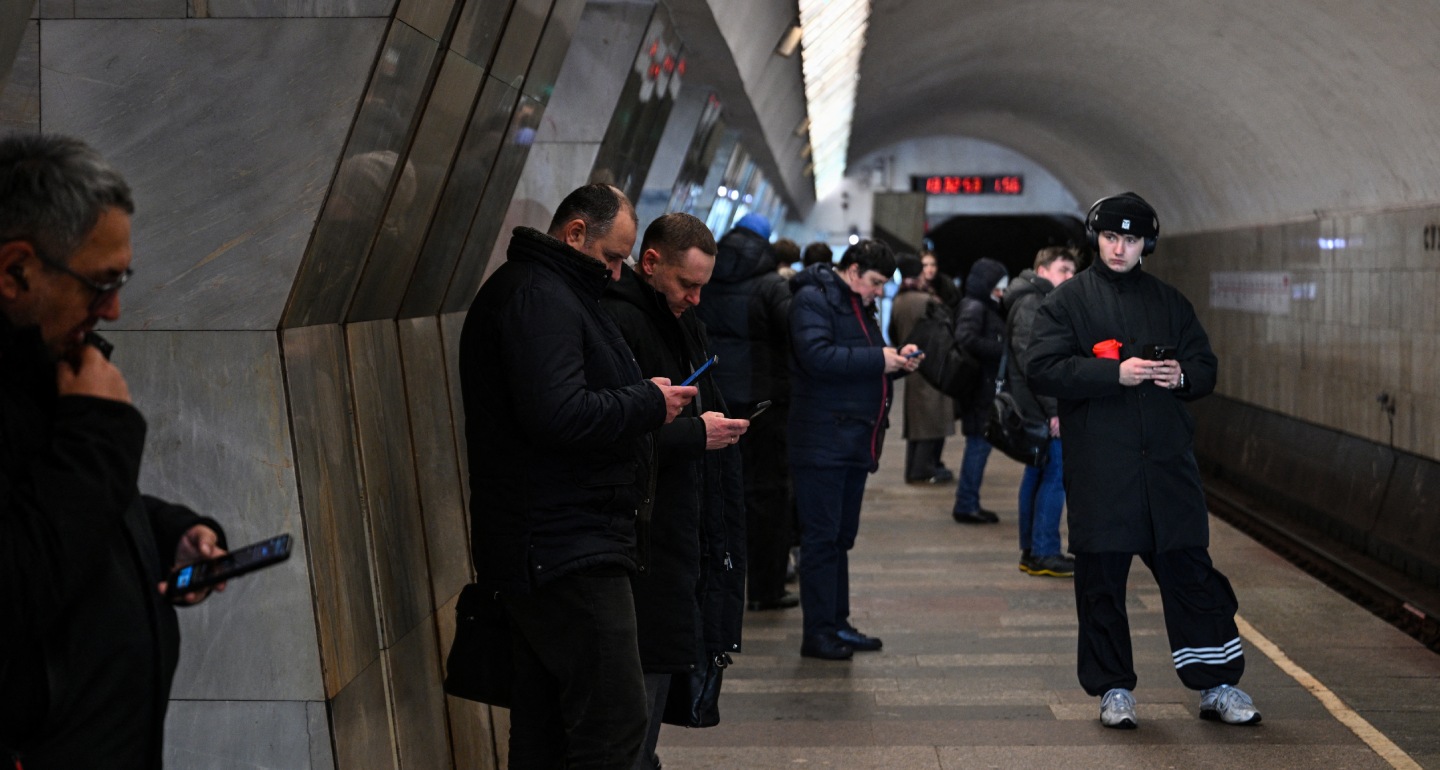
After four years of war, there is no one who can stand up to the security establishment, and President Vladimir Putin is increasingly passive.

Tatiana Stanovaya
How Ukraine is driving doctrinal change in modern warfare.

Andriy Zagorodnyuk