

Paper
Douglas H. Paal
{
  "authors": [
    "Douglas H. Paal"
  ],
  "type": "legacyinthemedia",
  "centerAffiliationAll": "dc",
  "centers": [
    "Carnegie Endowment for International Peace"
  ],
  "collections": [],
  "englishNewsletterAll": "asia",
  "nonEnglishNewsletterAll": "",
  "primaryCenter": "Carnegie Endowment for International Peace",
  "programAffiliation": "AP",
  "programs": [
    "Asia"
  ],
  "projects": [],
  "regions": [
    "Middle East",
    "East Asia",
    "China",
    "Western Europe",
    "United Kingdom"
  ],
  "topics": [
    "Political Reform",
    "Foreign Policy"
  ]
}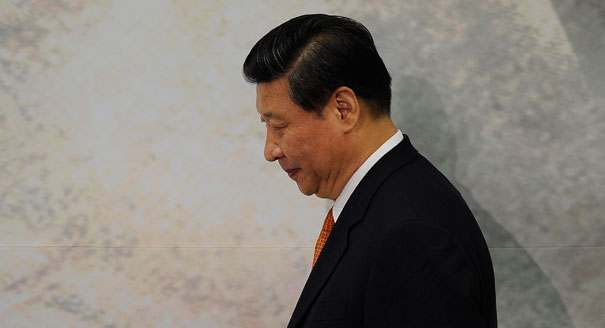
Source: Getty
The upcoming Trump-Xi summit in Mar-a-Lago will the set the tone of U.S.-China relations for the entire Trump presidency. It is critical that the two presidents have mutual respect for each other.
Source: CGTN
Speaking on CGTN, Carnegie’s Douglas H. Paal explained that the upcoming meeting between President Donald Trump and Chinese President Xi Jinping will set the tone of U.S.-China relations for the entire Trump presidency. He argued that that how the two heads of state view each other matters for the prospects of cooperation between the two major powers.
He noted that it is unlikely that the summit will produce a major public agreement or communiqué, but in private President Xi will expect President Trump to “mean what he says and say what he means.”
Later, the discussion turned to the topics of President Trump’s strategy to defeat the self-proclaimed Islamic State and how the U.S. government views the “Brexit” process.
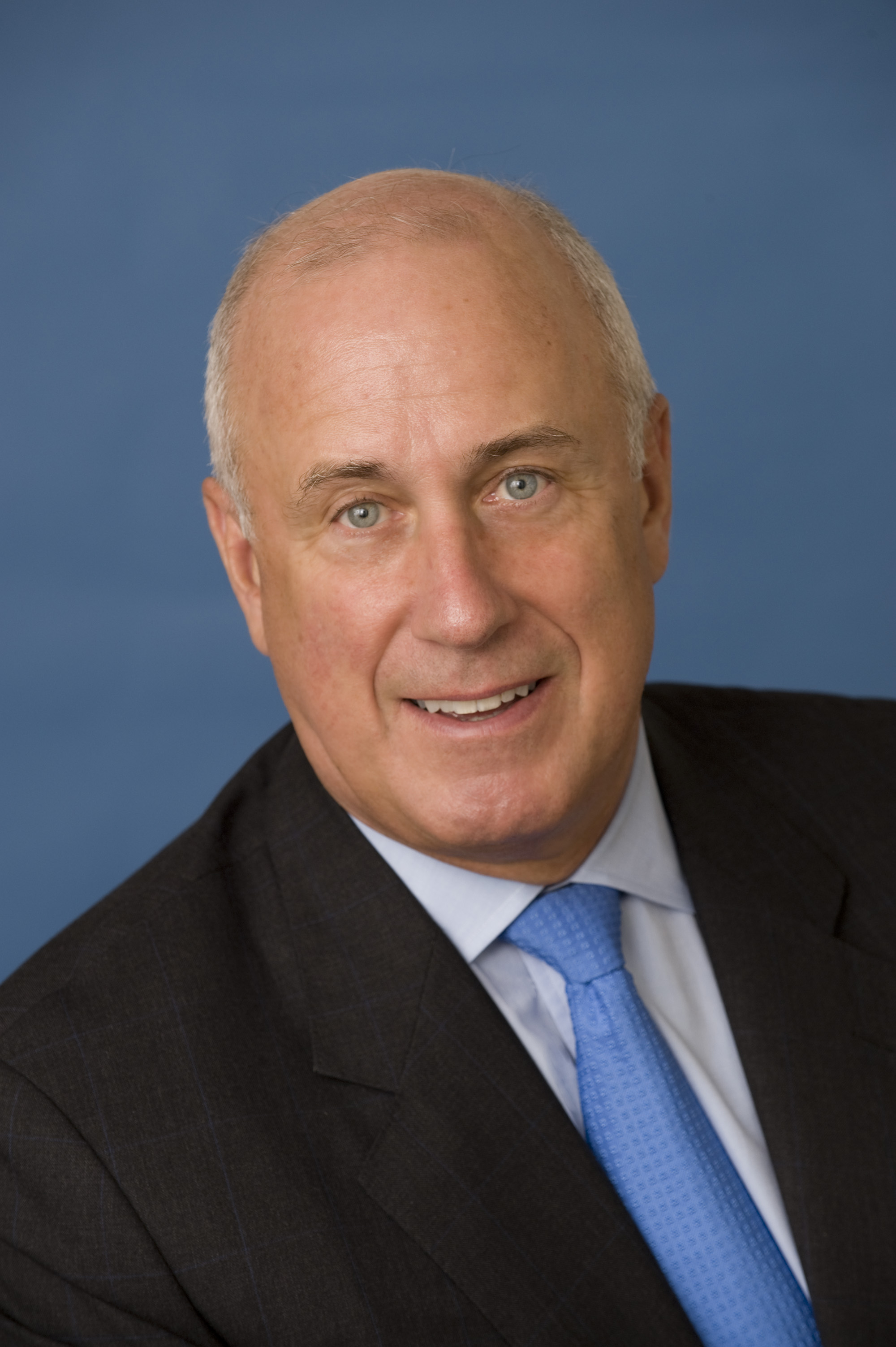
Distinguished Fellow, Asia Program
Paal previously served as vice chairman of JPMorgan Chase International and as unofficial U.S. representative to Taiwan as director of the American Institute in Taiwan.
Recent Work
Douglas H. Paal

Douglas H. Paal, Tong Zhao, Chen Qi, …
Carnegie does not take institutional positions on public policy issues; the views represented herein are those of the author(s) and do not necessarily reflect the views of Carnegie, its staff, or its trustees.
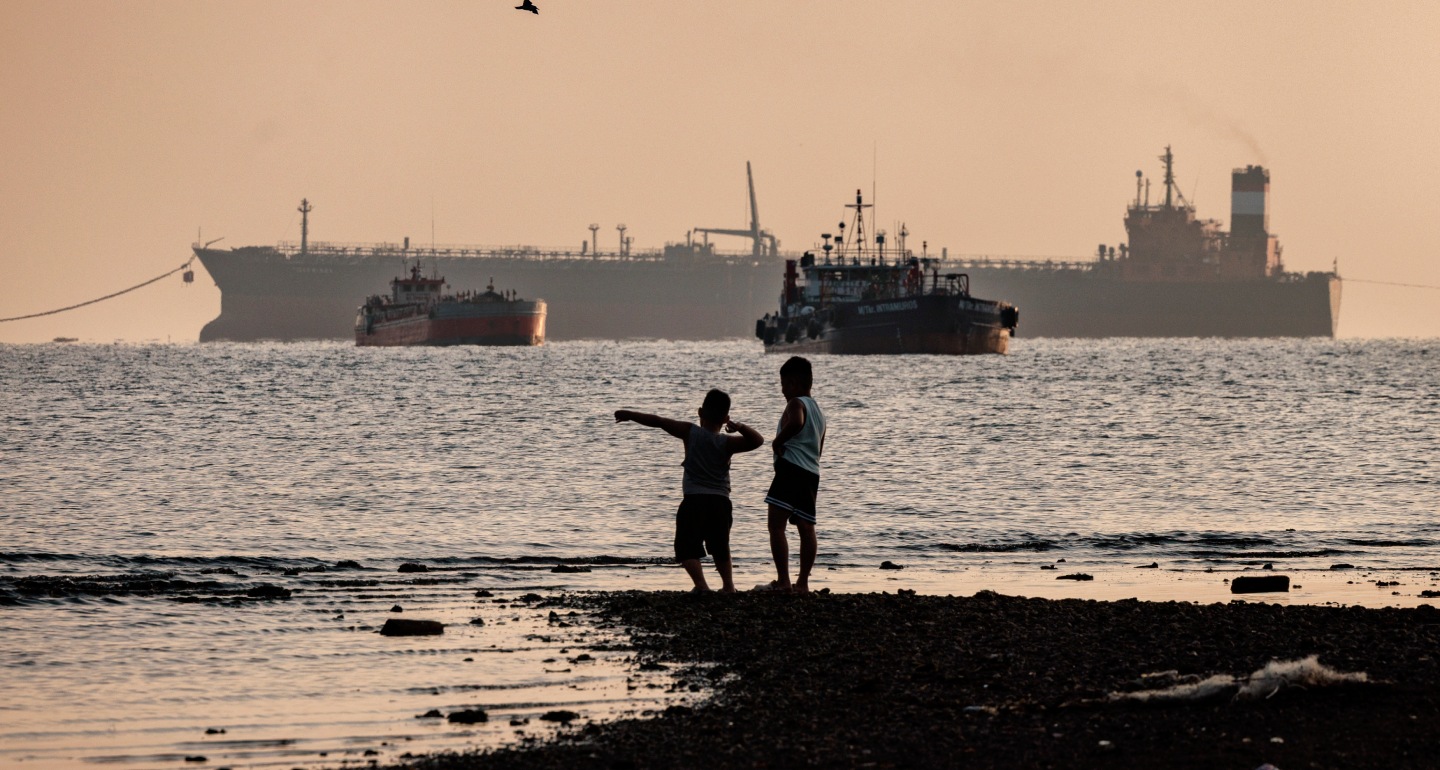
Although Ukrainian strikes have led to a noticeable decline in the physical volume of Russian oil exports, the rise in prices has more than made up for it.

Sergey Vakulenko
Five problems—and solutions—to make it actually work as a tool of great power competition.

Afreen Akhter
The Russian leadership wants to avoid a dangerous precedent in which it is squeezed out of Iran by the United States and Israel—and left powerless to respond in any meaningful way.

Nikita Smagin
One is hopeful. One is realistic. One is cautionary.

Andrew Leber, Sam Worby
In Ukraine, Gaza, and Iran, AI warfare has come to dominate, with barely any oversight or accountability. Europe must lead the charge on the responsible use of new military technologies.

Raluca Csernatoni