

• Research
  • Emissary
  • About
  • Experts
Carnegie Global logoCarnegie lettermark logo
DemocracyIran
  • Donate
{
  "authors": [
    "Richard Sokolsky",
    "Steven Simon"
  ],
  "type": "legacyinthemedia",
  "centerAffiliationAll": "",
  "centers": [
    "Carnegie Endowment for International Peace",
    "Malcolm H. Kerr Carnegie Middle East Center"
  ],
  "collections": [],
  "englishNewsletterAll": "",
  "nonEnglishNewsletterAll": "",
  "primaryCenter": "Carnegie Endowment for International Peace",
  "programAffiliation": "",
  "programs": [],
  "projects": [],
  "regions": [
    "North America",
    "United States",
    "Middle East",
    "Iran"
  ],
  "topics": [
    "Political Reform",
    "Security",
    "Foreign Policy"
  ]
}

Source: Getty

In The Media

How to Prevent an Accidental War With Iran

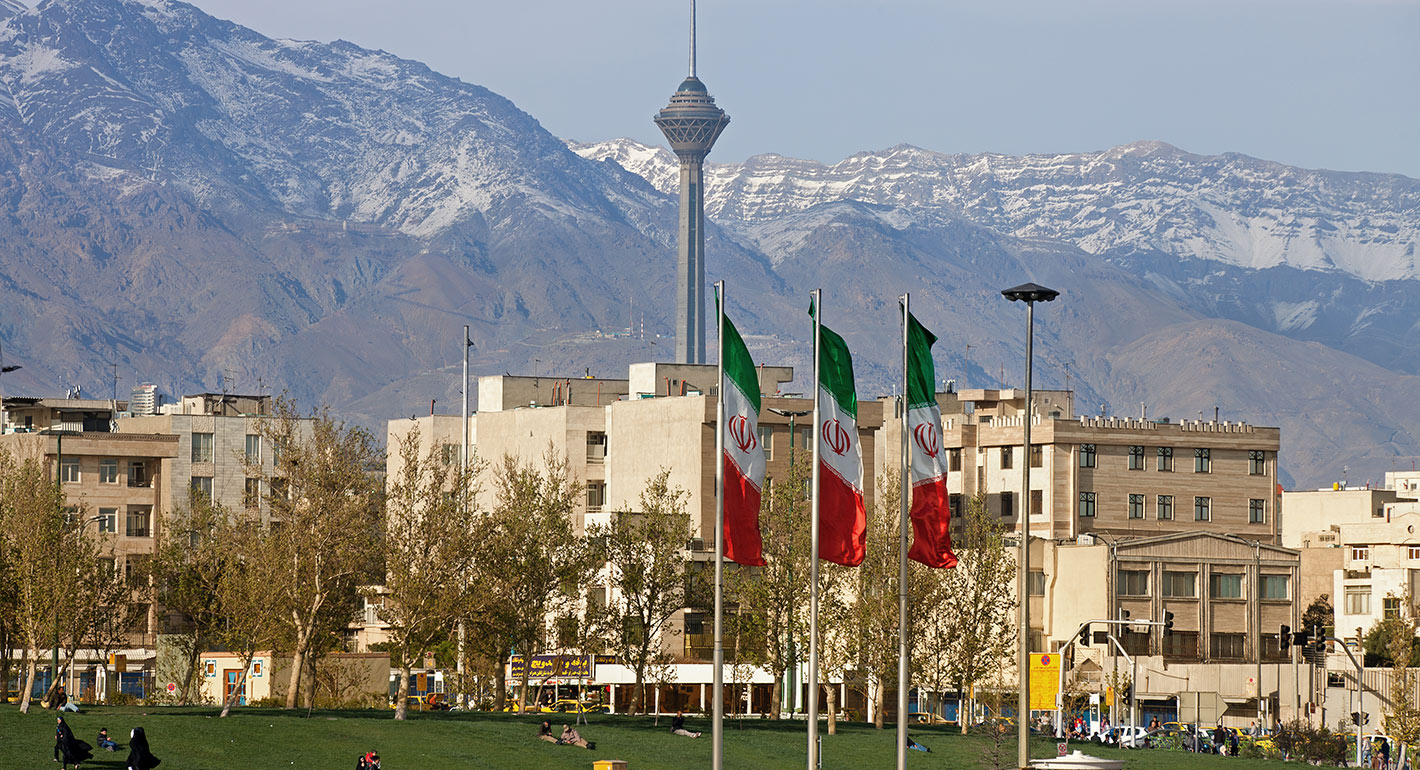
There is one thing that the war avoiders and the warmongers should be able to agree on: the need to prevent an accidental or unintended conflict between the United States and Iran.

Link Copied
By Richard Sokolsky and Steven Simon
Published on May 21, 2019

Source: Foreign Policy

White House spin notwithstanding, it has become increasingly clear in recent days that the Trump administration is divided over the objectives of its Iran policy and the role that military threats or force should play in achieving them. The national security advisor and secretary of state seem to be spoiling for a fight and baiting Tehran into taking an action that would provide a pretext for a military strike. But the president keeps saying he wants to talk to the Iranians and get them back to the negotiating table to cut a better nuclear deal and to force Iranian concessions on its regional behavior and ballistic missile program. The secretary of defense and chairman of the Joint Chiefs of Staff, meanwhile, seem worried that the United States is on a path toward war with Iran and skeptical that additional U.S. deployments to the Persian Gulf are warranted.

As with most foreign-policy issues, it’s hard to know exactly what the policy is and who’s in charge. It is possible, of course, that all the chest-thumping and force movements within the past week are designed to either deter Iranian provocations or pressure the country into capitulating to U.S. demands.

Whatever the administration actually wants, there is one thing that the war avoiders and the warmongers should be able to agree on: the need to prevent an accidental or unintended conflict between the United States and Iran. But the administration’s actions are increasing rather than lowering the risks that the two countries will stumble into a conflict as a result of a miscalculation, misunderstanding, or miscommunication. And that is extremely dangerous since Iran and the United States have no channels for direct and regular communication or mechanisms to defuse a crisis or control escalation once an incident occurs....

Read Full Text

This article was originally published in Foreign Policy.

About the Authors

Richard Sokolsky

Nonresident Senior Fellow, Russia and Eurasia Program

Richard Sokolsky is a nonresident senior fellow in Carnegie’s Russia and Eurasia Program. His work focuses on U.S. policy toward Russia in the wake of the Ukraine crisis.

Steven Simon

Steven Simon is visiting professor of history at Amherst College. He served on the NSC and in the State Department in five administrations and is co-author of "The Age of Sacred Terror."

Authors

Richard Sokolsky
Nonresident Senior Fellow, Russia and Eurasia Program
Richard Sokolsky
Steven Simon

Steven Simon is visiting professor of history at Amherst College. He served on the NSC and in the State Department in five administrations and is co-author of "The Age of Sacred Terror."

Political ReformSecurityForeign PolicyNorth AmericaUnited StatesMiddle EastIran

Carnegie does not take institutional positions on public policy issues; the views represented herein are those of the author(s) and do not necessarily reflect the views of Carnegie, its staff, or its trustees.

More Work from Carnegie Endowment for International Peace

  • Commentary
    Strategic Europe
    How to Join the EU in Three Easy Steps

    Montenegro and Albania are frontrunners for EU enlargement in the Western Balkans, but they can’t just sit back and wait. To meet their 2030 accession ambitions, they must make a strong positive case.

      Dimitar Bechev, Iliriana Gjoni

  • Fire damage is pictures as US President Joe Biden (out of frame) visits to an area devastated by wildfires in Lahaina, Hawaii on August 21, 2023.
    Article
    The United States Has an Internal Displacement Problem

    By reorganizing federal disaster policy around the rights of displaced people, the United States could unlock additional federal resources, accelerate the rebuilding of lives and livelihoods, and reduce suffering and economic disruption.

      • Kayly Ober

      Kayly Ober

  • Article
    India’s Oil Security Strategy: Structural Vulnerabilities and Strategic Choices

    This piece argues that the present Indian strategy, based on opportunistic diversification and utilization of limited strategic reserves, remains inadequate when confronting supply disruptions. It evaluates India’s options in the short, medium, and long terms.

      Vrinda Sahai

  • flood wall
    Commentary
    Emissary
    BRIC Is Critical for U.S. National Security. After a Yearlong Legal Battle, It’s Back.

    Its reinstatement should be celebrated, but it retains some major shortcomings.

      Leonardo Martinez-Diaz

  • Article
    Leveraging Internal Security Cooperation with Vietnam Offers a Glimpse of Future Chinese Diplomacy with Southeast Asia

    Despite long-standing differences, China and Vietnam are reinforcing common ground for collaboration, especially in public security. This internal security–centered diplomacy offers a strengthened road map for how China moves forward with Southeast Asia.

      Sophie Zhuang

Get more news and analysis from
Carnegie Endowment for International Peace
Carnegie global logo, stacked
1779 Massachusetts Avenue NWWashington, DC, 20036-2103Phone: 202 483 7600Fax: 202 483 1840
  • Research
  • Emissary
  • About
  • Experts
  • Donate
  • Programs
  • Events
  • Blogs
  • Podcasts
  • Contact
  • Annual Reports
  • Careers
  • Privacy
  • For Media
  • Government Resources
Get more news and analysis from
Carnegie Endowment for International Peace
© 2026 Carnegie Endowment for International Peace. All rights reserved.