

Commentary
Is Morocco’s migration policy protecting Sub-Saharan African migrants or managing them for political and security ends? This article unpacks the gaps, the risks, and the paths toward real rights-based integration.
Sofiane Al-Kamri
{
  "authors": [
    "Steve Feldstein"
  ],
  "type": "legacyinthemedia",
  "centerAffiliationAll": "",
  "centers": [
    "Carnegie Endowment for International Peace",
    "Malcolm H. Kerr Carnegie Middle East Center"
  ],
  "collections": [
    "Arab Spring 2.0"
  ],
  "englishNewsletterAll": "",
  "nonEnglishNewsletterAll": "",
  "primaryCenter": "Carnegie Endowment for International Peace",
  "programAffiliation": "",
  "programs": [
    "Democracy, Conflict, and Governance"
  ],
  "projects": [],
  "regions": [
    "North Africa",
    "Sudan",
    "Morocco"
  ],
  "topics": [
    "Political Reform",
    "Democracy",
    "Security",
    "Military",
    "Civil Society"
  ]
}
Internet shutdowns are not new, but they have become increasingly popular instruments among dictators and autocrats who want to control their citizenry and preempt political threats.
Source: Washington Post
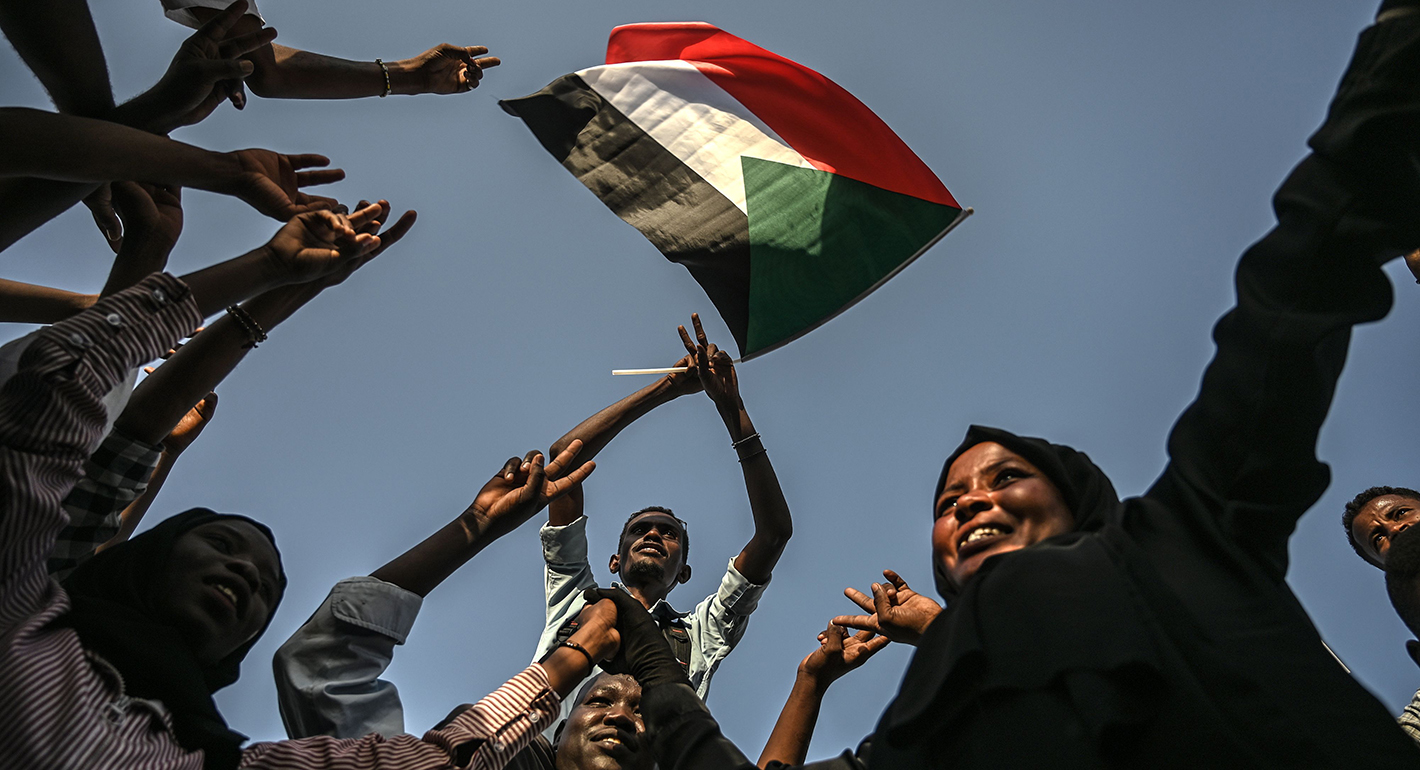
Since December, Sudan’s capital of Khartoum has been swarming with protesters demanding democratic elections and freedoms rather than autocratic rule. The government has responded with physical violence and online censorship. From December through April, the government ordered its telecommunications companies to block social media and to periodically disable access to the Internet nationwide.
Nevertheless, the demonstrators forced longtime dictator Omar al-Bashir to step down, and have begun negotiating with the military for a transitional civilian government.
On June 5, Sudan’s Internet was disrupted yet again, starting with mobile phone service providers MTN and Mobitel and spreading to Sudan’s other mobile services. At the same time, security forces launched another crackdown on a sit-in in Khartoum. Reports circulated that the regime had unleashed the notorious janjaweed militia — responsible for committing genocide in Darfur a decade ago — on the protesters. More than 100 civilians were reported killed, as the regime methodically shut off communication throughout the country. On Monday, the regime severed Sudan’s remaining Internet access, resulting in a “near total blackout.” Earlier, the government primarily shut down social media platforms; this blackout affects the entire Internet.
Internet shutdowns are not new, but they have become increasingly popular instrument among dictators and autocrats who want to control their citizenry and preempt political threats. My research indicates that Internet shutdowns are one item in a broader toolkit of digital repression that includes digital surveillance, online censorship, cyberattacks and hacking, disinformation, and targeted arrests and detentions of Internet users. As more citizens exclusively rely on the Internet to communicate and conduct business, autocratic governments are increasing their efforts to monitor and control cyberspace.
Weak, poorly managed governments often turn to Internet shutdowns to control their citizens. As instruments of repression, they are inferior for two reasons. Because shutdowns impact every citizen in the country, they effectively bring commerce to a halt, particularly in high-technology economies. Not only do they dampen economic activity at the time, but studies show their negative effects persist long after a shutdown concludes. The Cost of Shutdown tool developed by Netblocks and the Internet Society estimates that five days of a total Internet shutdown in Sudan — which the country is currently experiencing — will result in an accumulated economic loss of $228,924,285. That is money the country can ill afford to lose, particularly because soaring bread prices were what fueled the original protests.
Second, while Internet shutdowns make it difficult for individual protesters to communicate with one another, they also prevent governments from tracking what’s happening in their countries — what their citizens are saying, which groups are mobilizing, what threats may materialize. As a result, many authoritarian countries, including China, have shut down the Internet far less than in the past.
According to Access Now’s shutdown tracker, China disrupted Internet connectivity only once between 2016 and 2018 -- taking down WhatsApp nationally. Now China relies on a more sophisticated suite of digital tools. Authorities deploy facial recognition cameras nationwide to track citizens’ whereabouts; use artificial intelligence to comb through those enormous databases searching for specific individuals of interest; and implement censorship filtering software to block “tens of thousands” of objectionable websites from IP addresses in China.
Given the high cost and dubious impact, why is the Sudanese regime relying on shutting down the Internet? I believe three reasons explain that reliance.
First, the Sudanese regime is desperate. It has few places left to turn to solidify its political survival. Its military junta is already tapping financial spigots from Saudi Arabia and the UAE, but that money won’t last forever. The regime needs to show short-term strength to assure its backers that it is worth supporting. As a result, the junta is willing to sacrifice Sudan’s long-term economic stability for short-term gain. Shutting down the Internet, like heavy violence, is part of a last-ditch strategy to break the protesters’ momentum and buy time for the regime.
Second, comparatively few of Sudan’s citizens use the Internet: only 31 percent of its 40 million citizens have access to it, and only 7 percent of the population use social media. That means shutting down those services doesn’t hurt its economy as much as it would those of more developed economies. Moreover, its most active Internet users overlap heavily with those who are demonstrating. Individuals who will suffer most from a shutdown are the very protesters the regime is trying to quash.
Third, Sudan’s security state is a victim of what social scientists call “path dependency.” Disrupting the Internet is a tactic it deploys often and knows well. It doesn’t have the right infrastructure to implement more sophisticated instruments of digital repression, and now is too late to shift course. Across the region, it sees many of its peers deploying the same tactics to counter government protests; 22 African countries have recorded Internet shutdowns in the last five years, from Ethiopia and Uganda to Zimbabwe. The Sudanese regime knows it is in good company when it comes to deploying this strategy. Why change?
Recent reports suggest that the protesters and the government are once again in negotiations. We can’t know whether the regime will keep relying on shutdowns. But evidence suggests that the longer Sudanese authorities maintain the country’s total information blackout, the higher the financial and political costs will be.
This article is originally published by the Washington Post.
Carnegie does not take institutional positions on public policy issues; the views represented herein are those of the author(s) and do not necessarily reflect the views of Carnegie, its staff, or its trustees.
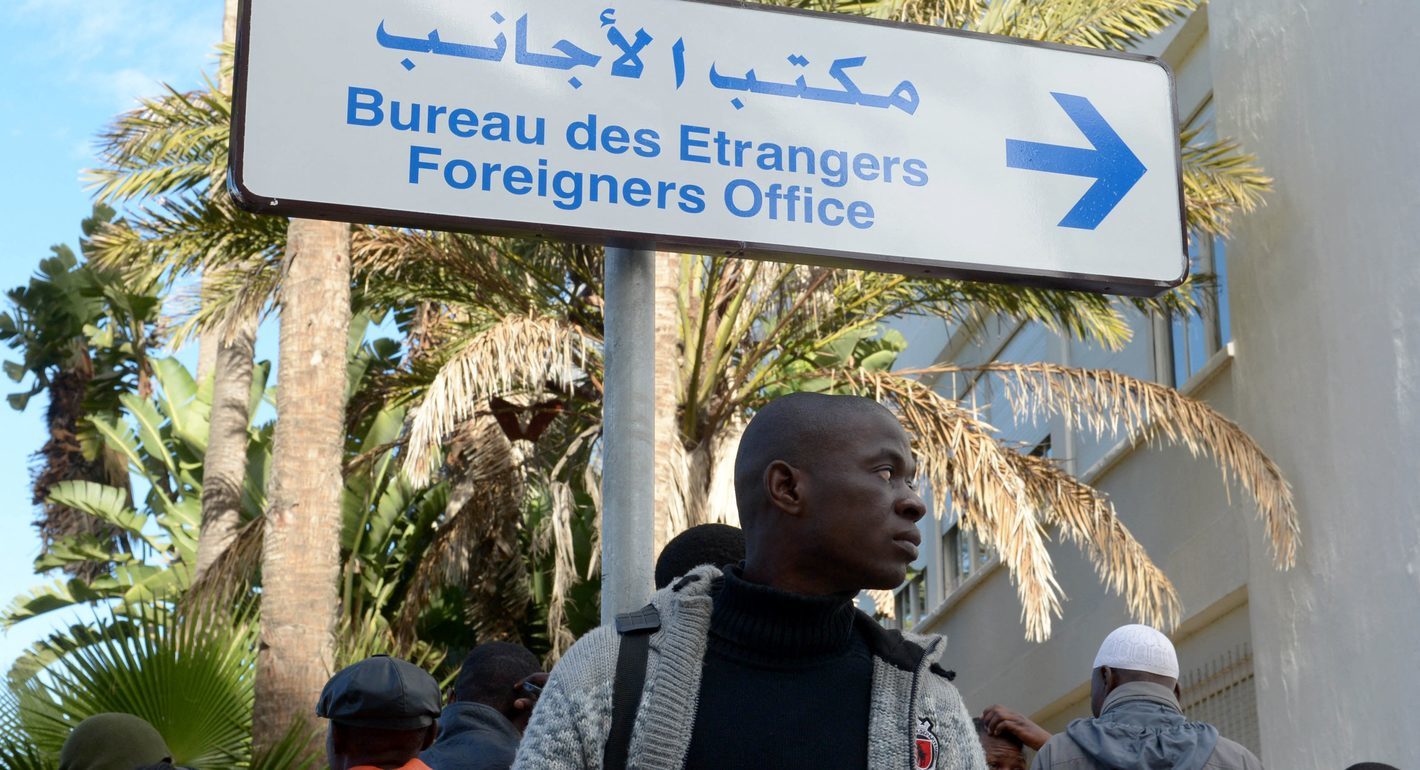
Is Morocco’s migration policy protecting Sub-Saharan African migrants or managing them for political and security ends? This article unpacks the gaps, the risks, and the paths toward real rights-based integration.
Sofiane Al-Kamri
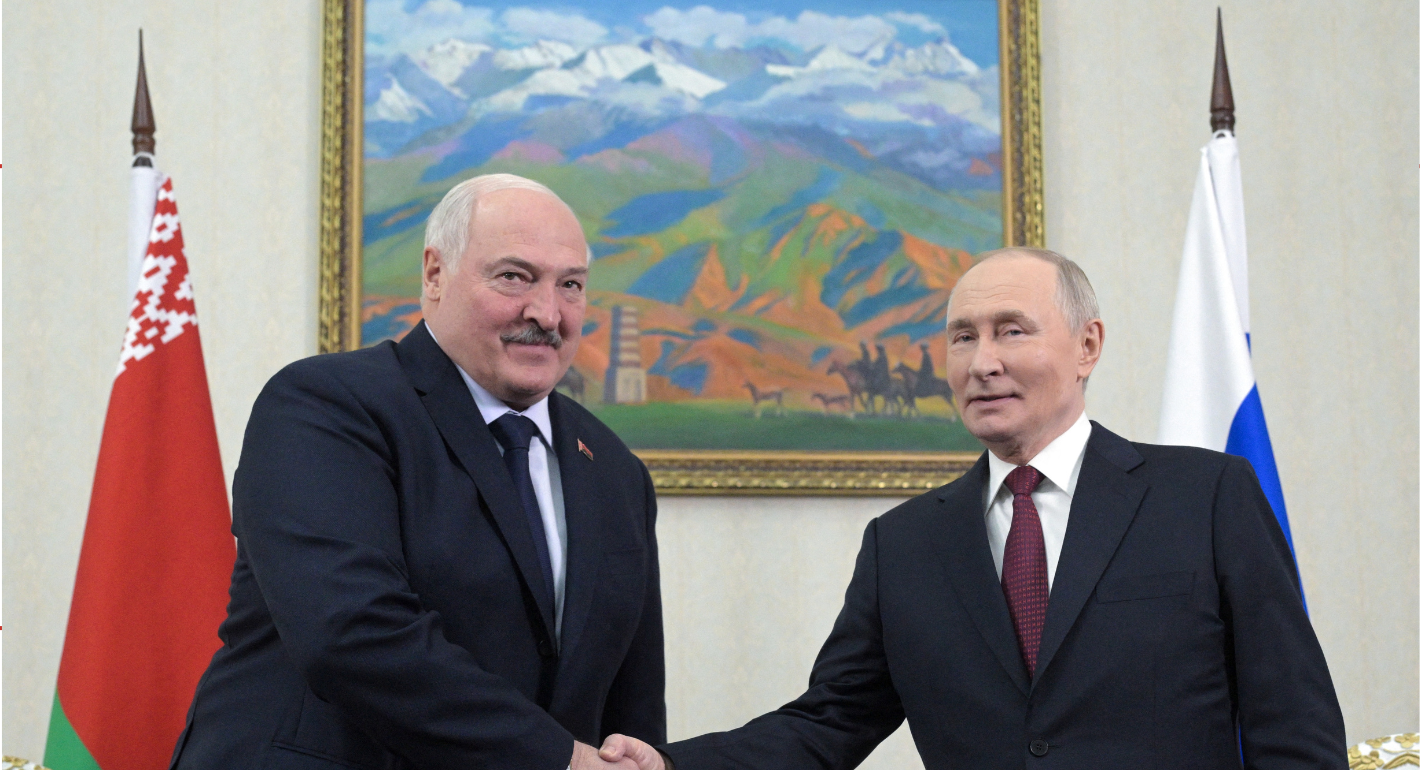
In return for a trade deal and the release of political prisoners, the United States has lifted sanctions on Belarus, breaking the previous Western policy consensus. Should Europeans follow suit, using their leverage to extract concessions from Lukashenko, or continue to isolate a key Kremlin ally?

Thomas de Waal, ed.
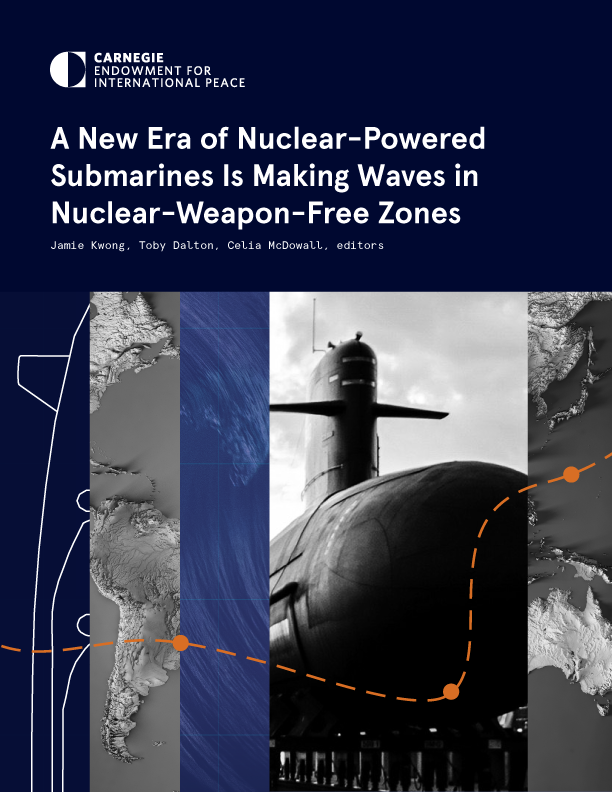
As states without nuclear weapons develop nuclear-powered submarines, can NWFZ regimes adapt to manage new technical, legal, procedural, and normative challenges?


Jamie Kwong, ed., Toby Dalton, ed., Celia McDowall, ed.
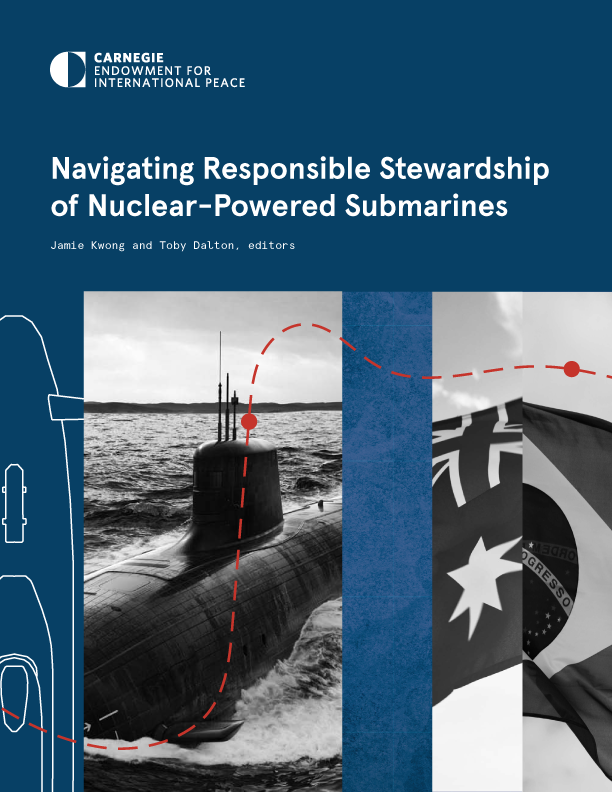
As the first states without nuclear weapons set to acquire nuclear-powered attack submarines, Australia and Brazil face new questions and challenges as they seek to responsibly manage the risks of naval nuclear propulsion.
Jamie Kwong, ed., Toby Dalton, ed.
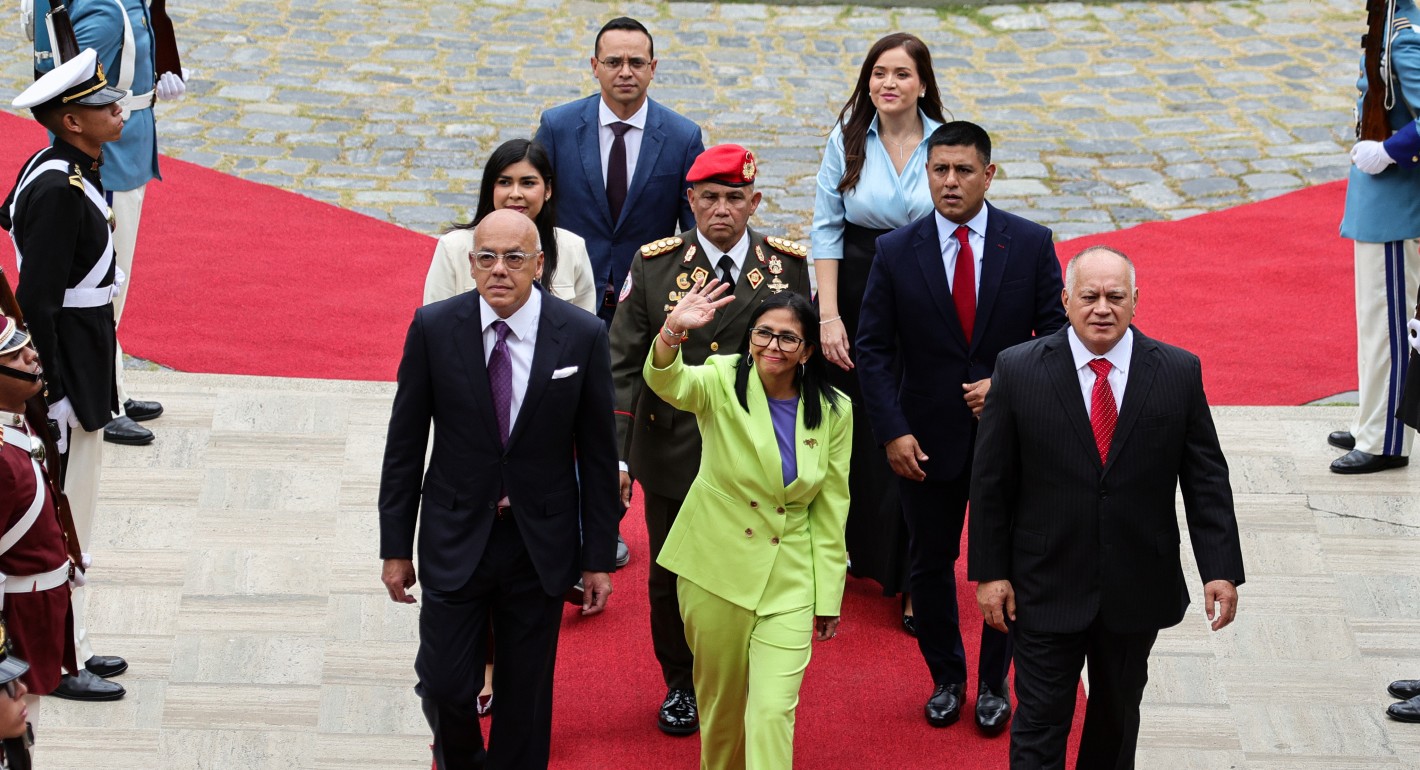
Venezuelans deserve to participate in collective decisionmaking and determine their own futures.

Jennifer McCoy