• Research
  • Emissary
  • About
  • Experts
Carnegie Global logoCarnegie lettermark logo
Democracy
  • Donate
{
  "authors": [
    "Evan A. Feigenbaum",
    "Jeremy Smith"
  ],
  "type": "legacyinthemedia",
  "centerAffiliationAll": "",
  "centers": [
    "Carnegie Endowment for International Peace"
  ],
  "collections": [],
  "englishNewsletterAll": "",
  "nonEnglishNewsletterAll": "",
  "primaryCenter": "Carnegie Endowment for International Peace",
  "programAffiliation": "",
  "programs": [
    "Asia"
  ],
  "projects": [],
  "regions": [
    "East Asia",
    "Taiwan"
  ],
  "topics": [
    "Political Reform",
    "Economy",
    "Trade",
    "Foreign Policy"
  ]
}
In The Media

Taiwan Was Having a Terrific U.S.-China Trade War Until Coronavirus Arrived

Taiwan is a victim of its past success—dominating important industries, such as semiconductors, but underinvesting in the new fields.

Link Copied
By Evan A. Feigenbaum and Jeremy Smith
Published on Apr 28, 2020
Program mobile hero image

Program

Asia

The Asia Program in Washington studies disruptive security, governance, and technological risks that threaten peace, growth, and opportunity in the Asia-Pacific region, including a focus on China, Japan, and the Korean peninsula.

Learn More

Source: National Interest

Before the coronavirus hit, Taiwan’s 2019 headline growth figures were nothing short of stellar. Its economy grew at an impressive 3.31 percent during the fourth quarter of 2019, propelling President Tsai Ing-Wen into her second term on a high note and giving Taiwan businesses a boost.

Read the Full Text

This article was originally published by the National Interest.

Authors

Evan A. Feigenbaum
Vice President for Studies
Evan A. Feigenbaum
Jeremy Smith
Former James C. Gaither Junior Fellow, Asia Program
Political ReformEconomyTradeForeign PolicyEast AsiaTaiwan

Carnegie does not take institutional positions on public policy issues; the views represented herein are those of the author(s) and do not necessarily reflect the views of Carnegie, its staff, or its trustees.

More Work from Carnegie Endowment for International Peace

  • Commentary
    Strategic Europe
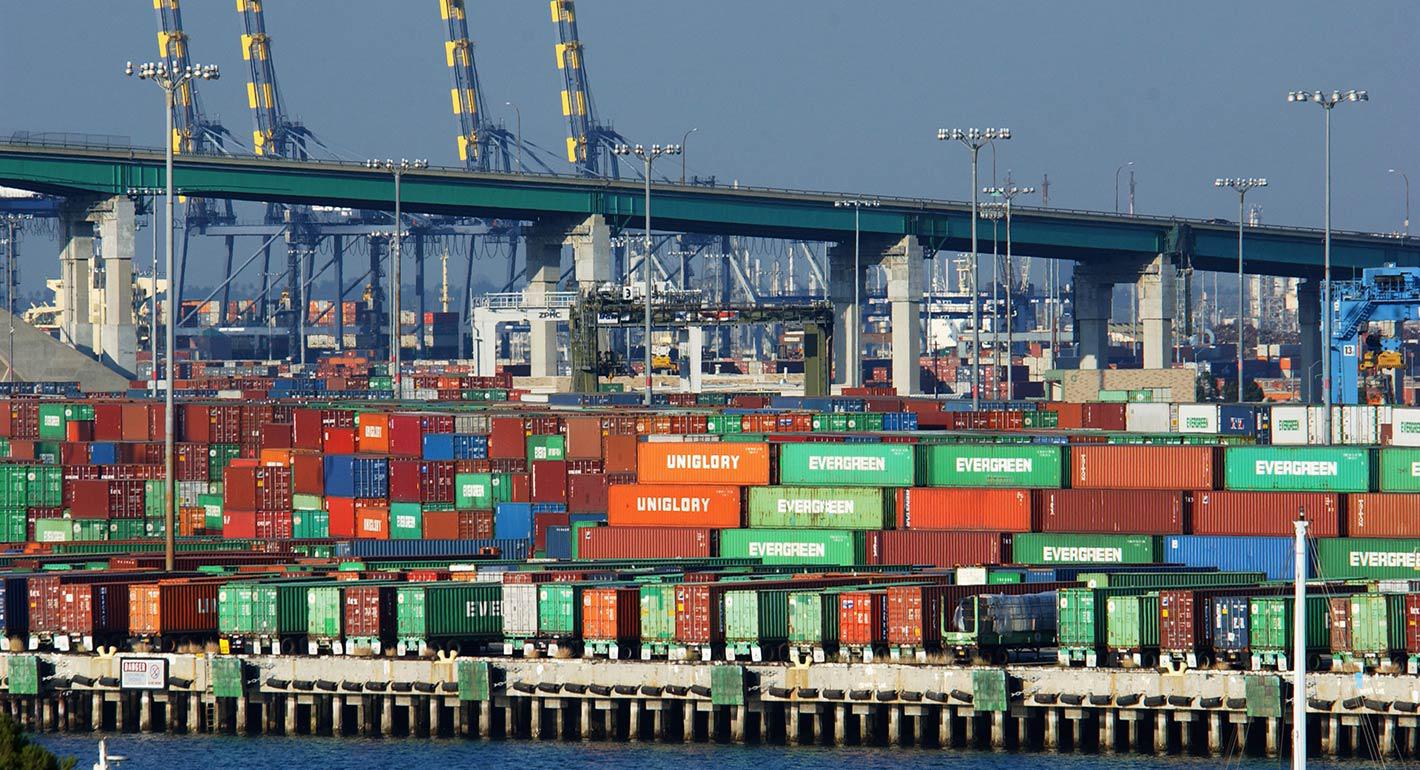
    Taking the Pulse: Is It Time for Europe to Reengage With Belarus?

    In return for a trade deal and the release of political prisoners, the United States has lifted sanctions on Belarus, breaking the previous Western policy consensus. Should Europeans follow suit, using their leverage to extract concessions from Lukashenko, or continue to isolate a key Kremlin ally?

      Thomas de Waal, ed.

  • Group of people walking and waving
    Commentary
    Emissary
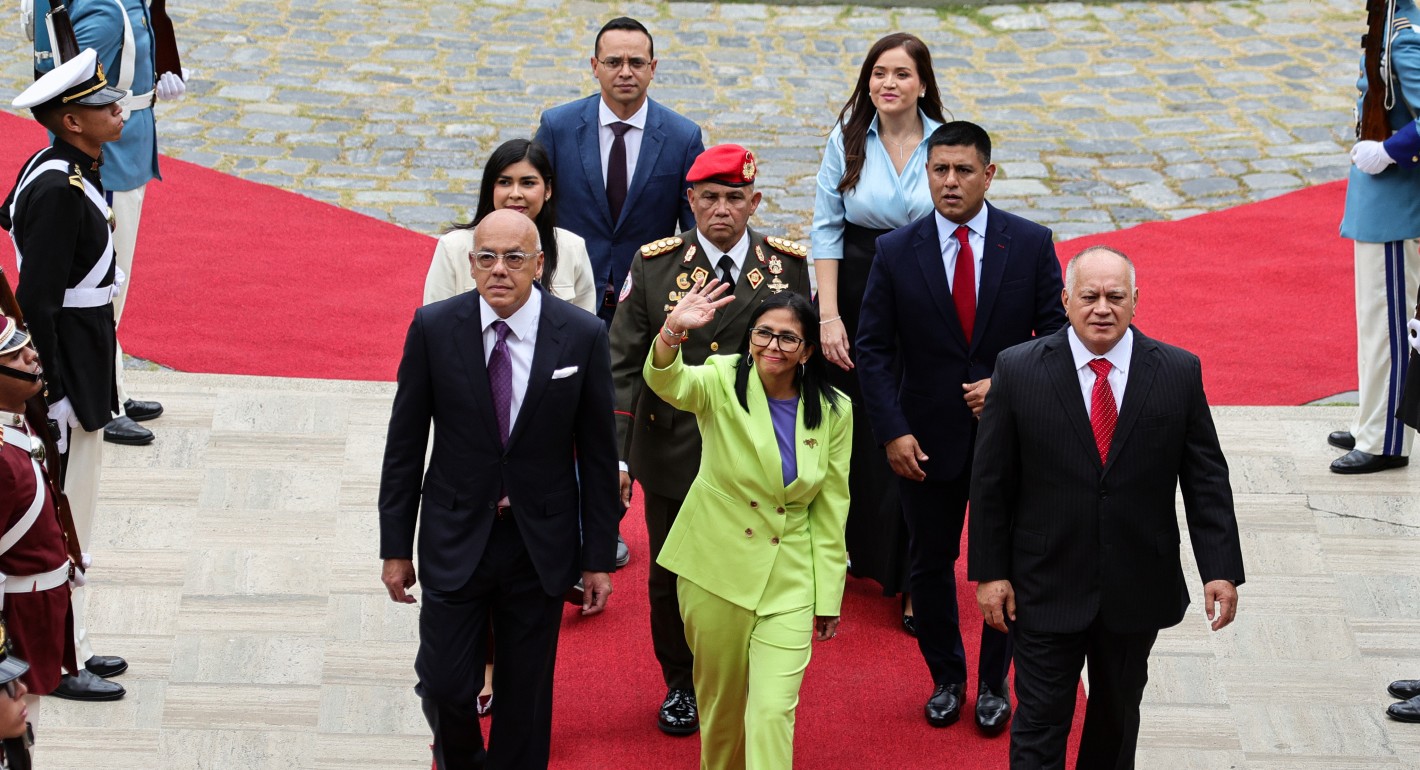
    Can Venezuela Move From Economic Stabilization to a Democratic Transition?

    Venezuelans deserve to participate in collective decisionmaking and determine their own futures.

      Jennifer McCoy

  • Commentary
    Carnegie Politika
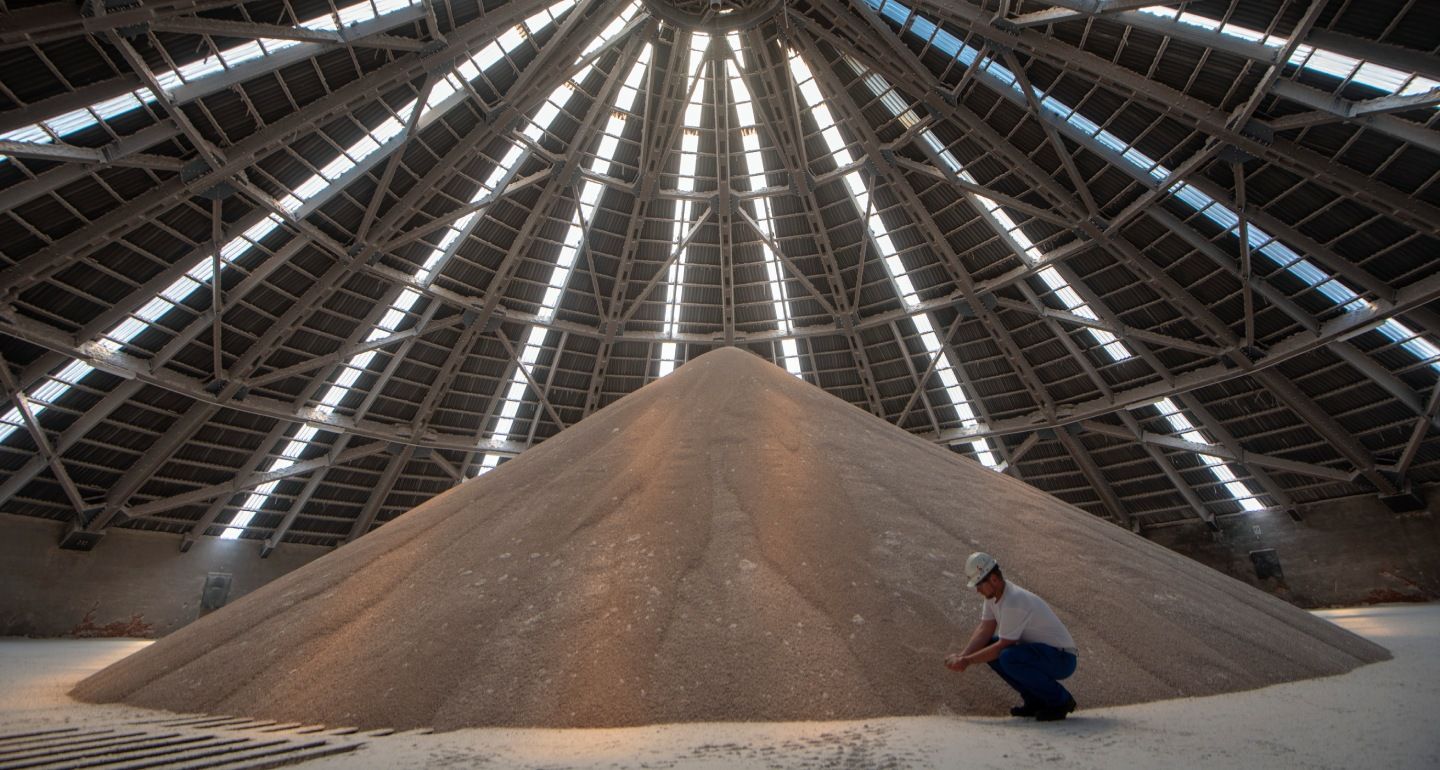
    Lithuania’s Potash Dilemma Raises Questions About Sanctions’ Effectiveness

    What should happen when sanctions designed to weaken the Belarusian regime end up enriching and strengthening the Kremlin?  

      Denis Kishinevsky

  • Commentary
    Carnegie Politika
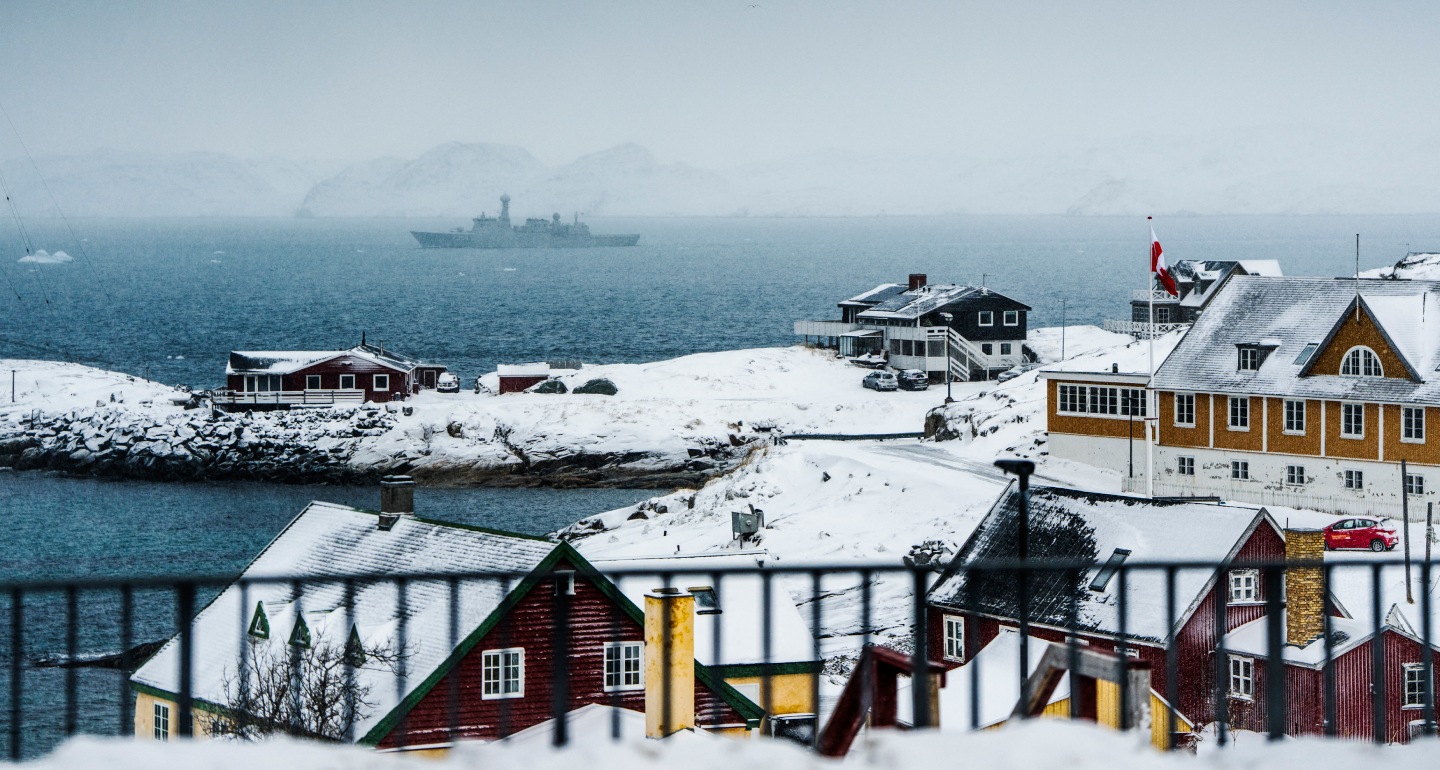
    Is There Really a Threat From China and Russia in Greenland?

    The supposed threats from China and Russia pose far less of a danger to both Greenland and the Arctic than the prospect of an unscrupulous takeover of the island.

      Andrei Dagaev

  • Commentary
    Carnegie Politika
    Ukrainian Villages Are a Bigger Prize for Putin Than a Deal With Trump

    Western negotiators often believe territory is just a bargaining chip when it comes to peace in Ukraine, but Putin is obsessed with empire-building. 

      Andrey Pertsev

Get more news and analysis from
Carnegie Endowment for International Peace
Carnegie global logo, stacked
1779 Massachusetts Avenue NWWashington, DC, 20036-2103Phone: 202 483 7600Fax: 202 483 1840
  • Research
  • Emissary
  • About
  • Experts
  • Donate
  • Programs
  • Events
  • Blogs
  • Podcasts
  • Contact
  • Annual Reports
  • Careers
  • Privacy
  • For Media
  • Government Resources
Get more news and analysis from
Carnegie Endowment for International Peace
© 2026 Carnegie Endowment for International Peace. All rights reserved.