

Commentary
Is Morocco’s migration policy protecting Sub-Saharan African migrants or managing them for political and security ends? This article unpacks the gaps, the risks, and the paths toward real rights-based integration.
Soufiane Elgoumri
{
  "authors": [
    "Jalal Al-Attar"
  ],
  "type": "commentary",
  "blog": "Sada",
  "centerAffiliationAll": "",
  "centers": [
    "Carnegie Endowment for International Peace"
  ],
  "englishNewsletterAll": "",
  "nonEnglishNewsletterAll": "",
  "primaryCenter": "Carnegie Endowment for International Peace",
  "programAffiliation": "",
  "programs": [
    "Middle East"
  ],
  "projects": [],
  "regions": [
    "Syria",
    "Middle East"
  ],
  "topics": [
    "Energy",
    "Climate Change"
  ]
}
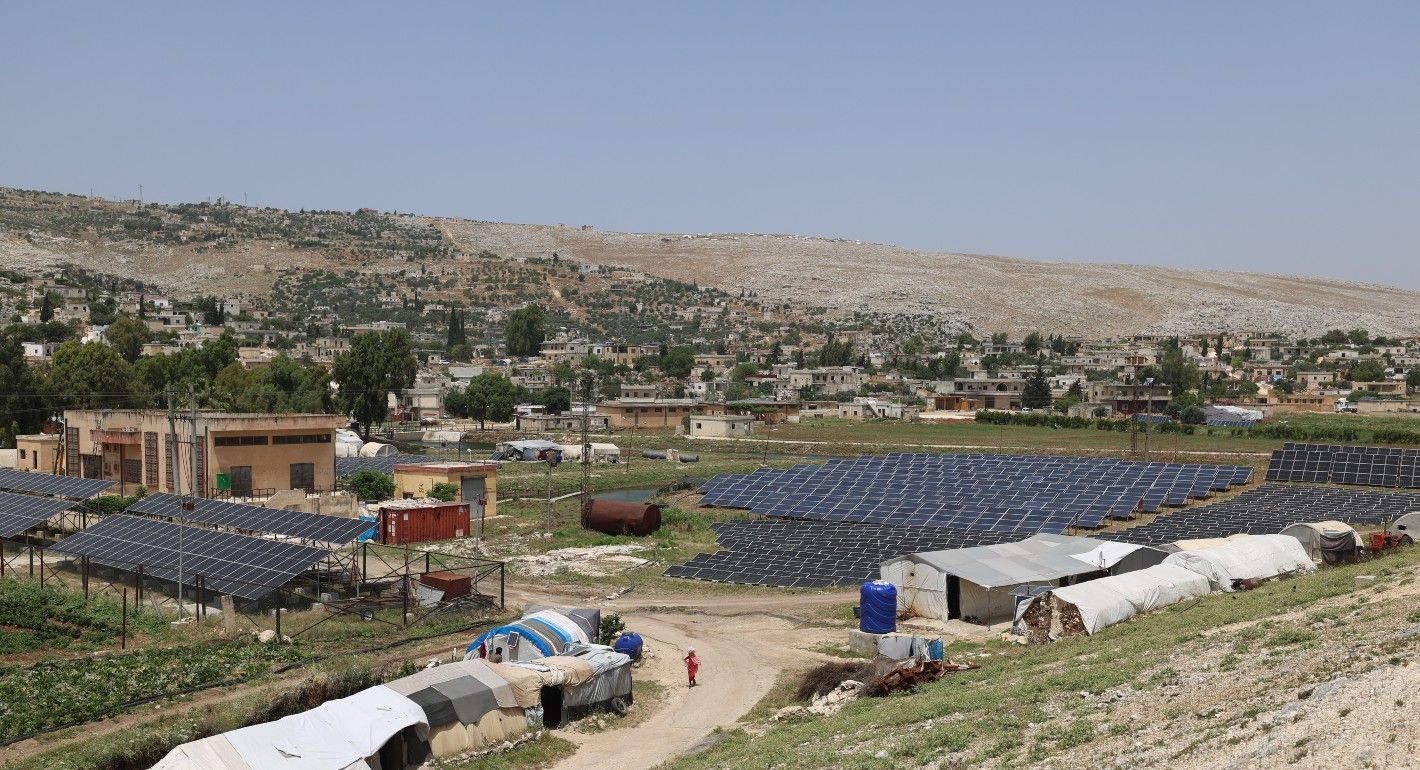
Syria's prolonged conflict has collapsed its electricity infrastructure and deteriorated conventional energy sources, compelling a swift transition to renewable energy.
The devastation that years of violent war have inflicted on all aspects of Syria’s political and financial landscape cannot be overstated, and the economic impacts of the crisis continue to weigh heavily on the Syrian population. Deteriorating public services have become a major source of hardship, particularly with the escalating electricity crisis, given the importance of electricity for both the country’s economy and the daily lives of its people. Since the outbreak of the war in 2011, domestic electricity supply has significantly declined due to the destruction of numerous power plants and infrastructure, as well as the government's inability to secure the fuel necessary to operate them.
In a recent interview, Syrian Minister of Electricity Ghassan al-Zamel detailed the extensive damage that the electricity sector has endured over the thirteen-year war, estimating direct losses at $40 billion and indirect losses exceeding $80 billion. The destruction of electrical infrastructure and transmission lines has incapacitated more than 50 percent of Syria’s electrical grid. Compounding the problem is the severe shortage of gas and fuel required to operate power plants. Al-Zamel highlighted that while the Ministry of Electricity needs 23 million cubic meters of gas daily, it receives only 6.5 million cubic meters. Similarly, only 4,500 tons of the 10,000 tons of fuel required per day are available. This shortage has drastically reduced electricity availability, limiting supply to just 2-4 hours per day. The crisis, driven by the inability to secure fuel for energy production, has forced the government, private sector, and citizens to seek urgent solutions. “We are trying as much as possible to shift towards renewable energy,” al-Zamel stated, underscoring the pressing need for sustainable alternatives.
Accelerated Transition to Renewable Energy
Several factors have contributed to Syria’s accelerated transition to renewable energy. First, the war has severely damaged traditional energy infrastructure, driving local communities to seek sustainable alternatives. Second, displacement has put pressure on host communities, increasing the demand for electricity. Third, the sharp rise in electricity prices and unreliable supply have pushed families and local communities to seek energy independence through renewable sources. Fourth, advances in renewable energy technology have made electricity more efficient and affordable and offer a more viable option for a wider range of applications. Fifth, NGOs and international organizations have ramped up efforts to provide humanitarian relief and support reconstruction plans by backing renewable energy projects. Lastly, growing awareness of the importance of environmental sustainability has motivated both local and international stakeholders to support renewable energy initiatives as part of a future vision for rebuilding Syria.
Advancing Transition Plans: Policies, Challenges, and Solutions
The Syrian government is currently working on updating legislation and policies to promote the adoption of renewable energy on a larger scale. It has started by offering tax incentives and tariff reductions for importing solar panels and renewable energy equipment. In 2021, the government passed Law No. 23 to establish a fund supporting the use of renewable energy and enhancing energy efficiency. It has also pursued large- and medium-scale renewable energy projects, such as the Sheikh Najjar photovoltaic power station in the industrial city of Aleppo, with a capacity of 33 megawatts. Additionally, the government provided soft loans to citizens interested in installing renewable energy systems, and renewable energy projects are being integrated into Syria’s reconstruction strategy to achieve sustainable development post-conflict.
The Syrian Minister of Electricity unveiled an ambitious plan to introduce up to 2,500 megawatts of solar energy and 1,500 megawatts of wind power by 2030, alongside the installation of 1.2 million solar water heaters. However, Syria's complex economic conditions present a major obstacle to achieving these targets. Large-scale projects are scarce, mostly limited to industrial cities, and often remain unfinished. In contrast, smaller projects have proven more practical and successful, especially in agriculture and for powering water wells and communication towers, due to their lower costs and simpler technical demands. Solar energy for homes has also gained popularity, as financially capable families install rooftop solar systems to meet their daily energy needs.
Overall, the protracted crisis in Syria has indirectly accelerated the transition to renewable energy as a means of adapting to challenging conditions, compensating for energy shortages, and pursuing sustainability. Given the current circumstances, supporting small-scale projects and offering concessional financing programs appear to be the most effective ways to drive the renewable energy transition in Syria.
Carnegie does not take institutional positions on public policy issues; the views represented herein are those of the author(s) and do not necessarily reflect the views of Carnegie, its staff, or its trustees.
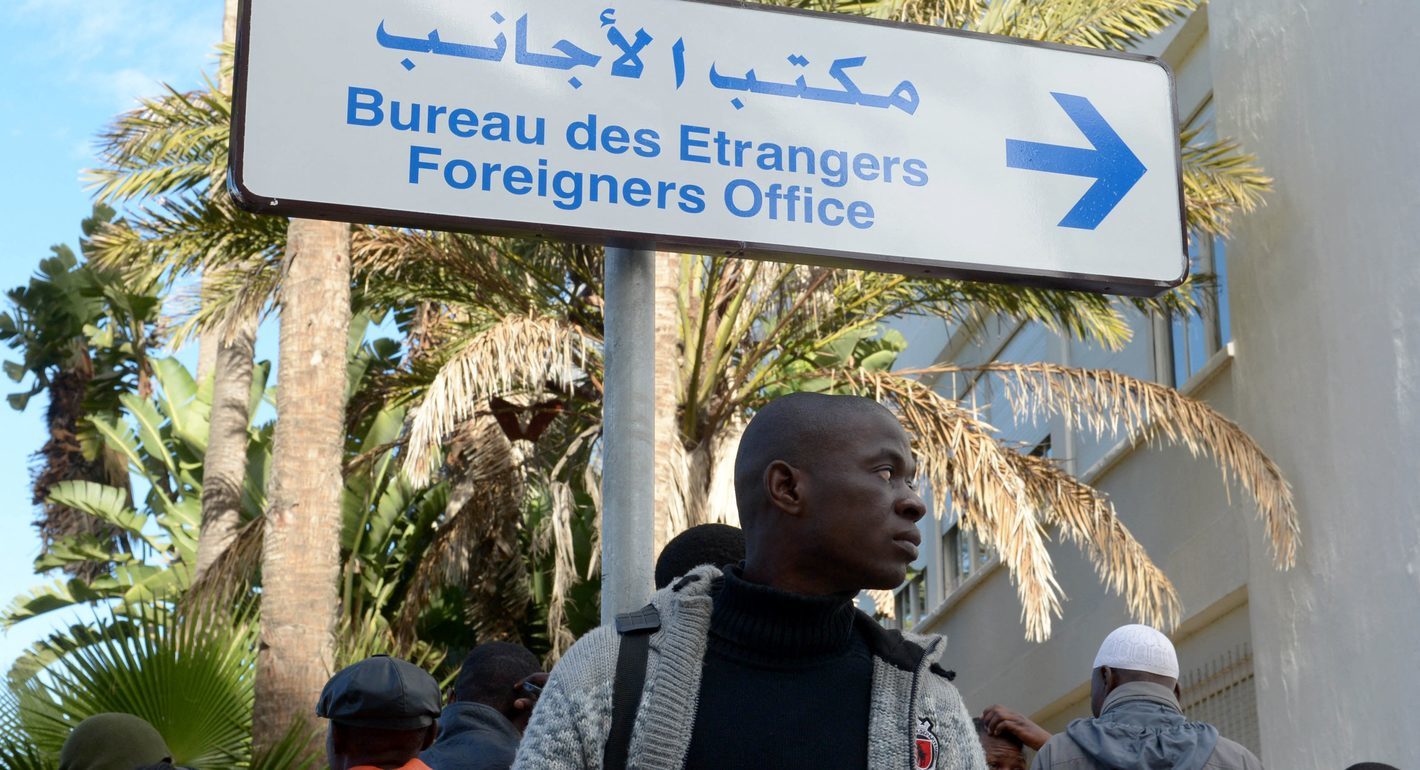
Is Morocco’s migration policy protecting Sub-Saharan African migrants or managing them for political and security ends? This article unpacks the gaps, the risks, and the paths toward real rights-based integration.
Soufiane Elgoumri
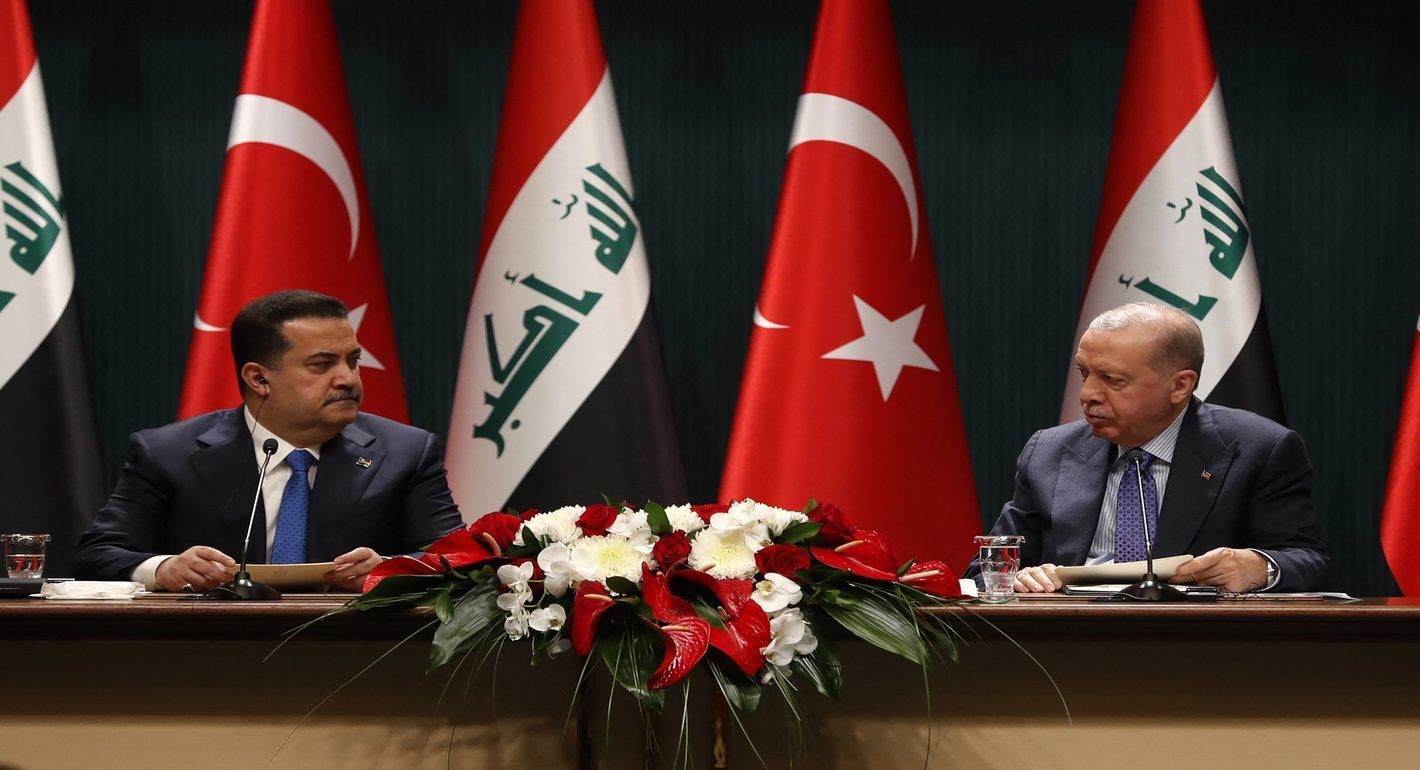
Iraq’s foreign policy is being shaped by its own internal battles—fractured elites, competing militias, and a state struggling to speak with one voice. The article asks: How do these divisions affect Iraq’s ability to balance between the U.S. and Iran? Can Baghdad use its “good neighbor” approach to reduce regional tensions? And what will it take for Iraq to turn regional investments into real stability at home? It explores potential solutions, including strengthening state institutions, curbing rogue militias, improving governance, and using regional partnerships to address core economic and security weaknesses so Iraq can finally build a unified and sustainable foreign policy.
Mike Fleet
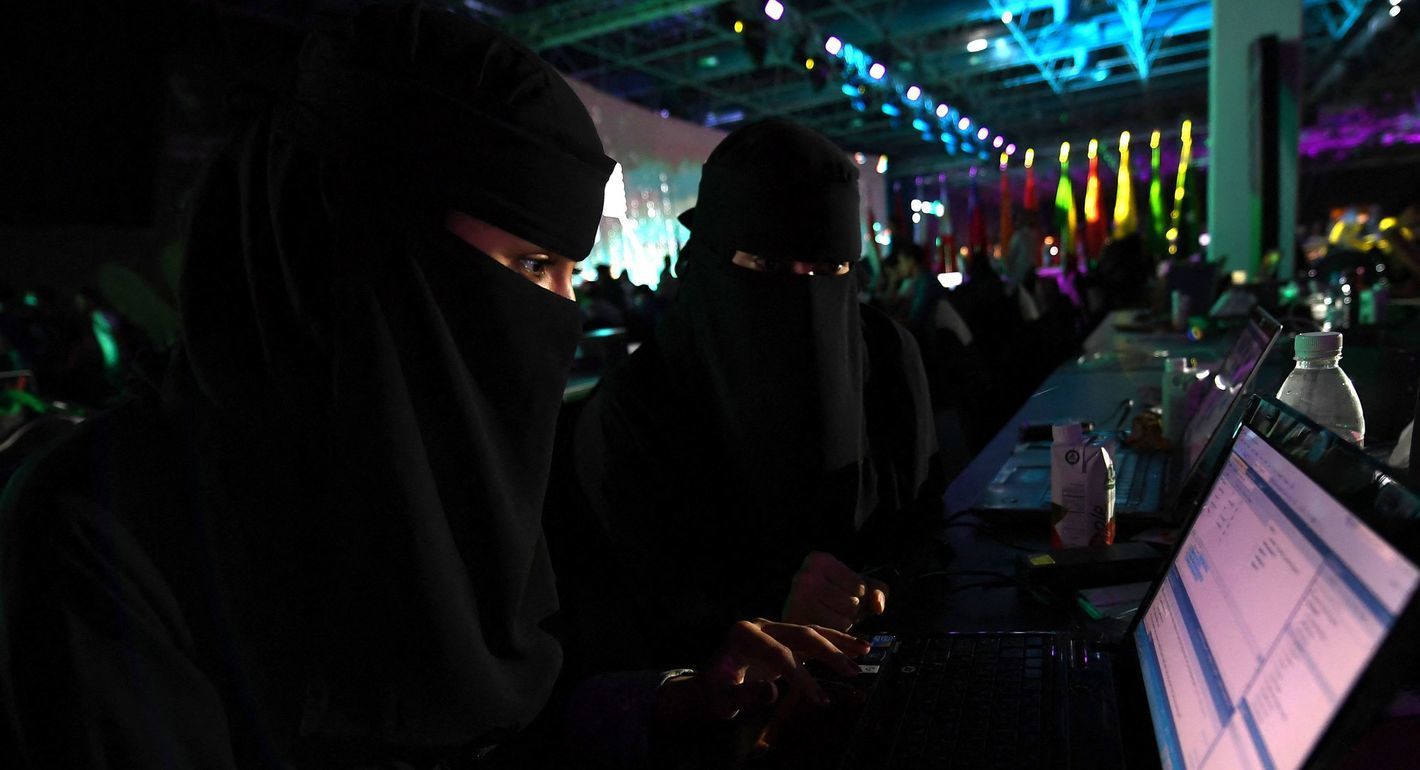
How can Saudi Arabia turn its booming e-commerce sector into a real engine of economic empowerment for women amid persistent gaps in capital access, digital training, and workplace inclusion? This piece explores the policy fixes, from data-center integration to gender-responsive regulation, that could unlock women’s full potential in the kingdom’s digital economy.
Hannan Hussain
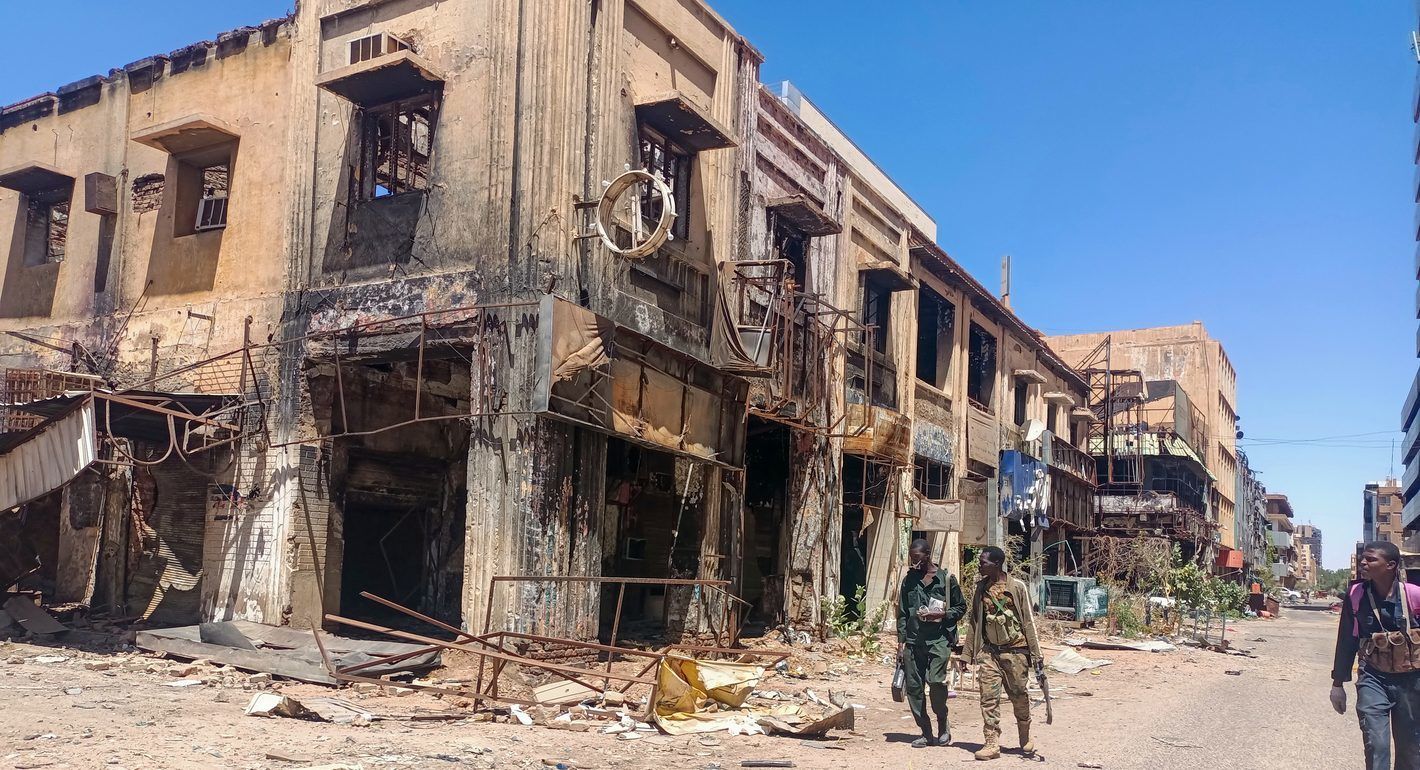
Hate speech has spread across Sudan and become a key factor in worsening the war between the army and the Rapid Support Forces. The article provides expert analysis and historical background to show how hateful rhetoric has fueled violence, justified atrocities, and weakened national unity, while also suggesting ways to counter it through justice, education, and promoting a culture of peace.
Samar Sulaiman
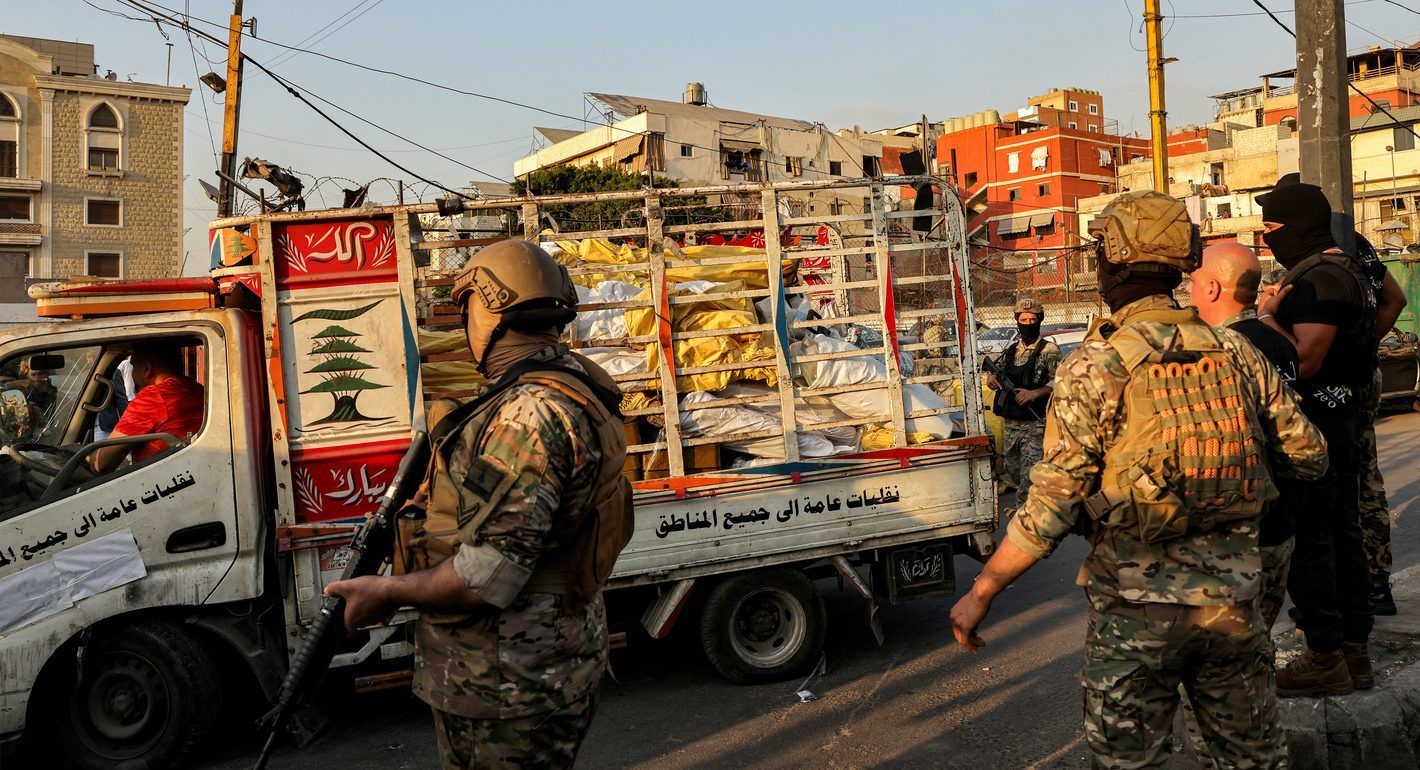
The August 2025 government decision to restrict weapons to the Lebanese state, starting with Palestinian arms in the camps, marked a major test of Lebanon’s ability to turn a long-standing slogan into practical policy. Yet the experiment quickly exposed political hesitation, social gaps, and factional divisions, raising the question of whether it can become a model for addressing more sensitive files such as Hezbollah’s weapons.
Souhayb Jawhar