

Commentary
Judy Dempsey
{
  "authors": [
    "Judy Dempsey"
  ],
  "type": "commentary",
  "blog": "Strategic Europe",
  "centerAffiliationAll": "",
  "centers": [
    "Carnegie Endowment for International Peace",
    "Carnegie Europe"
  ],
  "collections": [],
  "englishNewsletterAll": "",
  "nonEnglishNewsletterAll": "",
  "primaryCenter": "Carnegie Europe",
  "programAffiliation": "",
  "programs": [],
  "projects": [],
  "regions": [
    "Eastern Europe",
    "Russia",
    "Ukraine",
    "Western Europe",
    "Europe"
  ],
  "topics": [
    "Climate Change",
    "Economy",
    "EU",
    "Security",
    "Foreign Policy"
  ]
}
Source: Getty
Ukraine’s new government has a mammoth task ahead. Together with assistance from the West, Kiev must urgently embark on comprehensive reforms to modernize Ukraine’s economy.
The EU association agreement that Ukraine signed in Brussels on March 21 came at a high cost. Since November 2013, at least 120 people have been killed during antigovernment demonstrations in Kiev and other cities. The protests began when the then president Viktor Yanukovych rejected the accord, which sought to offer Kiev closer political ties and free trade links.
After Yanukovych was ousted from office in February, Russia took its revenge by occupying and subsequently annexing Crimea. Now, Ukraine no longer controls all of its territory, a fact that the West has de facto accepted astonishingly quickly.
It is unclear what will happen in Eastern Ukraine—or, for that matter, in Moldova’s breakaway region of Transnistria. But one thing is certain: the EU has to make the revived association agreement work. Nobody in Europe can afford for Ukraine to deteriorate into a failed state.
That means that the EU will need to become highly intrusive in fostering fundamental economic and social reforms in Ukraine. Despite a number of political and security difficulties, Brussels and Kiev must quickly seize the chance to build up a Ukrainian middle class protected by the rule of law and transparency.
The EU must also avoid the mistakes it made in Bulgaria and Romania in the run-up to both countries joining the EU in 2007. At that time, the EU had turned a blind eye to these states’ lack of a strong and independent judiciary. The result is that corruption remains endemic.Poland and other Central European countries are not really suited as role models either, even though they are often touted as such. After 1989, few former Communist states embarked on far-reaching reforms. Poland was an exception, but only because its newly elected democratic government enjoyed popular support for the “shock therapy” reforms it pursued.
Those reforms were about breaking with the Communist, state-controlled economic model as quickly as possible. They were also about establishing a middle class and orientating the country’s economy toward the EU. Despite some reservations, Leszek Balcerowicz, who was finance minister at the time, persisted with the changes.
Ukraine is in no position to replicate Poland’s post-Communist reforms. Ukraine’s level of corruption and oligarchic system are so entrenched that an even bigger political effort will be needed. Transparency International, a nongovernmental organization that monitors corruption, rates Ukraine 144 out of 177 states.
The World Bank places Ukraine 112 out of 189 countries on its ease of doing business index. Only last November, the Ukrainian government refused to sign up to an anticorruption initiative of the European Bank for Reconstruction and Development—something that the bank really should have made public.
Opening up the economy to transparency has to be the first step toward modernization. Ukraine’s new government must establish clear property rights and procurement rules as well as make the judicial system accountable and no longer subject to bribes or intimidation by politicians.
For this, Kiev will require assistance but also intense supervision from the EU and the International Monetary Fund (IMF). The EU has already pledged €11 billion ($15 billion) of support over the next few years, and the IMF is seeking to offer a similar loan. That assistance should be highly conditional.
Right now, there are two important and immediate tasks that Ukraine’s politicians have to tackle. First, they must explain to the country’s public why reforms are needed. The leaders need to tell their domestic audience what is wrong with the economy and how long it will take to fix. Time is a luxury Ukraine cannot afford.
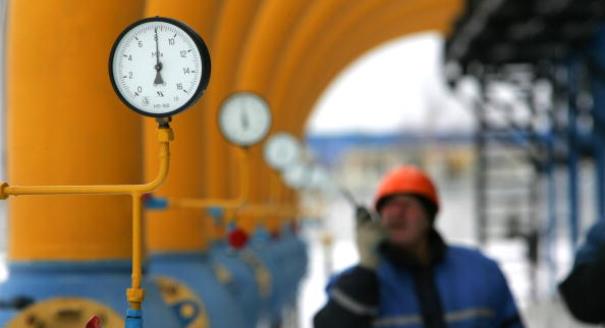
Second, politicians must tell the public how the reforms, particularly in the energy sector, will affect them. For far too long, Ukraine’s energy sector has been controlled and manipulated by oligarchs and by presidents and prime ministers.
For example, energy prices for households have until now been 86 percent subsidized, putting an enormous strain on the national budget. At the same time, oligarchs bought gas at household prices but then resold it to industry at a profit, creating further losses for the state. It was hardly surprising when the IMF reported last December that energy subsidies had reached about 7.5 percent of GDP during 2012.
In addition, there was no transparency over how Naftogaz, Ukraine’s state oil and gas company, imported its gas from Russia. As a result, Naftogaz became a cash cow for Ukraine’s oligarchs and an opponent to reforms. The EU and the IMF, in one of their first steps, should impose an independent board on Naftogaz.
None of this will be easy to implement. Russia’s involvement in Eastern Ukraine is far from over, and Kiev is so preoccupied with Ukraine’s highly vulnerable security situation that reforms may seem secondary.
Yet reforms must be tackled. Ukraine’s leaders need to prevent the oligarchs from hijacking the current revolution, as they have done with every other popular movement since Ukraine became independent in 1991. This time around, the EU needs to be prepared for the long haul.

Nonresident Senior Fellow, Carnegie Europe
Judy Dempsey is a nonresident senior fellow at Carnegie Europe
Recent Work
Judy Dempsey
Judy Dempsey
Carnegie does not take institutional positions on public policy issues; the views represented herein are those of the author(s) and do not necessarily reflect the views of Carnegie, its staff, or its trustees.
When Giorgia Meloni very publicly rebuked Donald Trump’s disparaging remarks about her, it surprised many who saw her as a European extension of Trumpism. Is the spat a sign of trouble in the radical right’s transatlantic axis?

Rym Momtaz, ed.
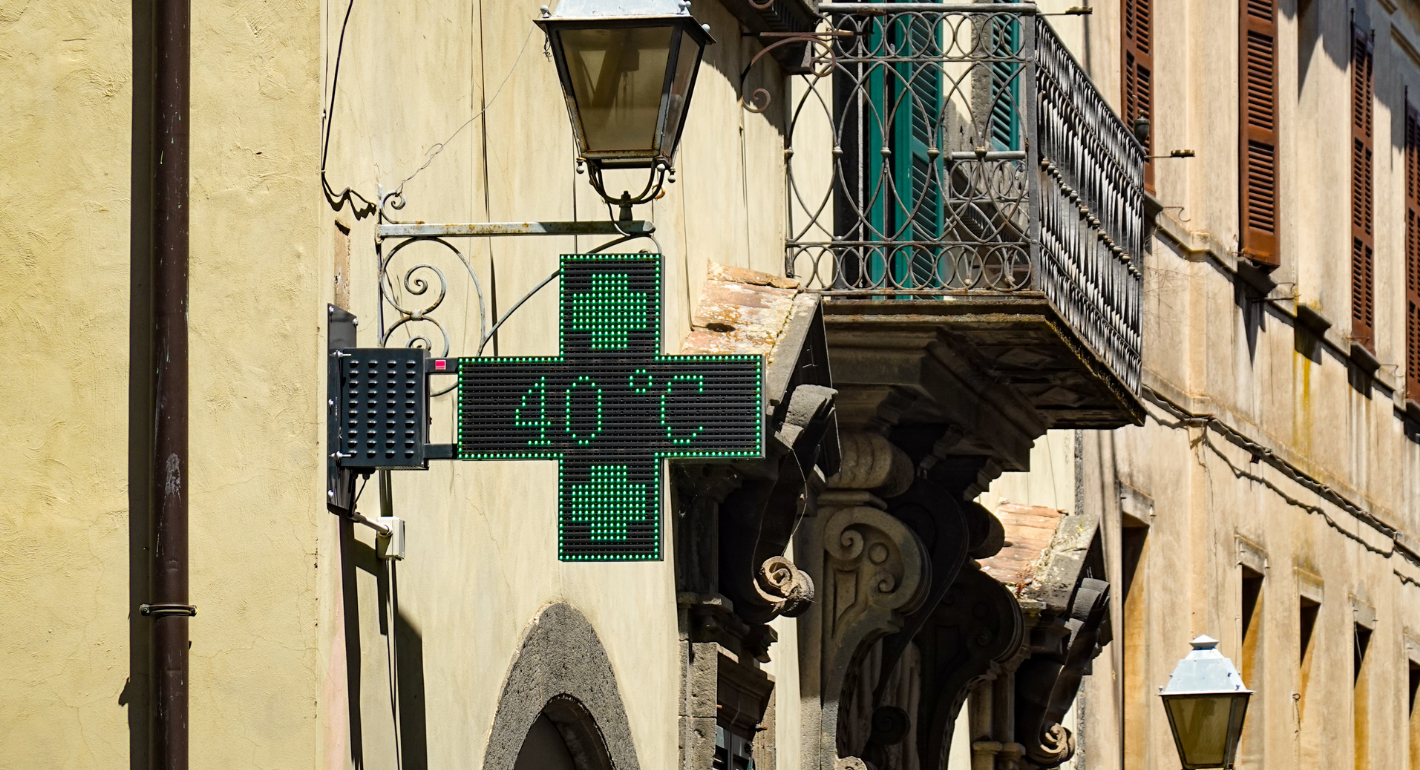
Western Europe’s dual-use infrastructure melted down during its latest heat wave. If a predicted hot weather event can take the continent by surprise, what chance does it have to withstand unexpected geopolitical crises?
Rym Momtaz
There is an elephant in the room when it comes to the EU’s upcoming security strategy: Donald Trump. Unless European leaders acknowledge the depth of the transatlantic crisis, true autonomy will remain out of reach.

Stefan Lehne
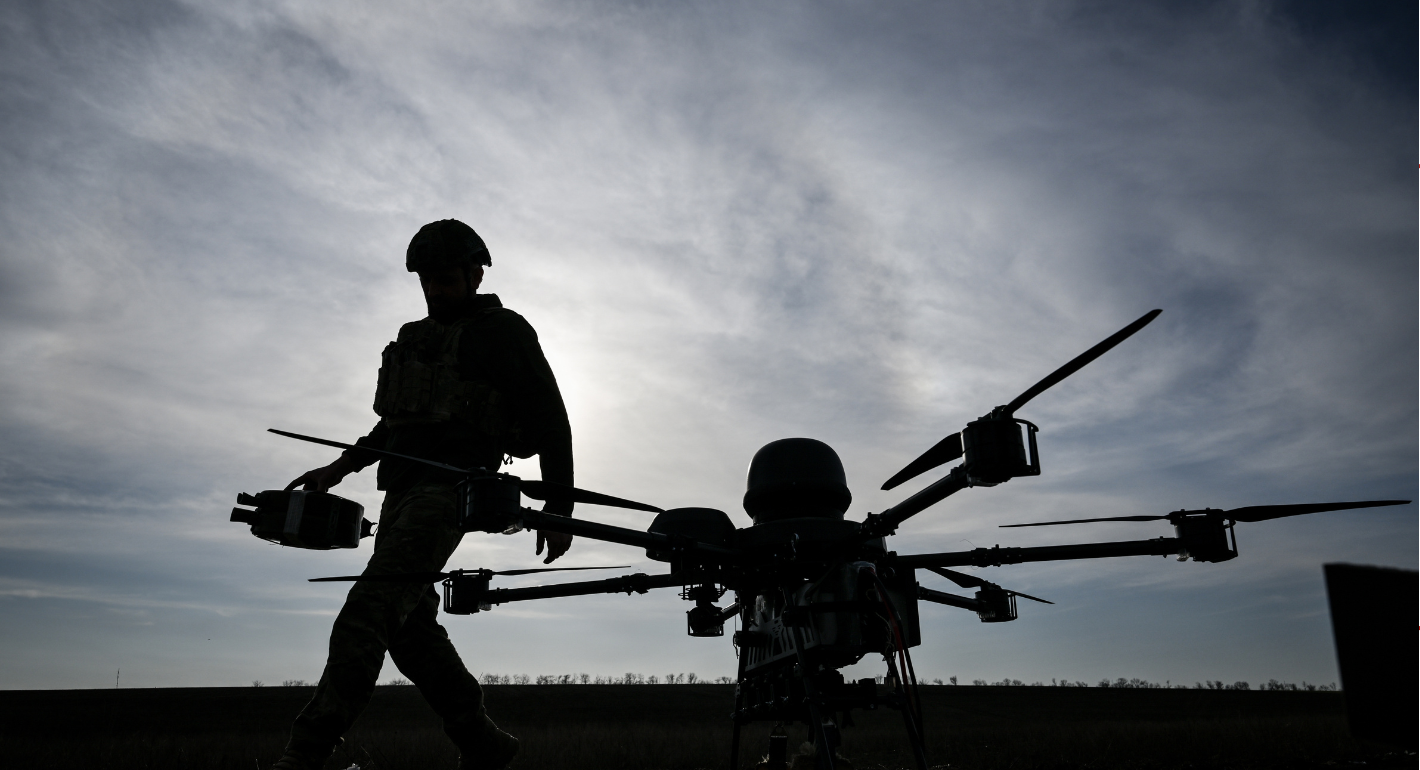
Defense tech innovations will be at the heart of Europe’s new security strategy. But so far, Brussels has been making moves without a broader plan, undermining readiness and credibility.

Raluca Csernatoni

When the U.S.-Iran memorandum of understanding was announced, the UK, France, Germany, and Italy declared their readiness to help demine the Strait of Hormuz and lift nuclear sanctions on Tehran. But does Europe need new tools to recover a diplomatic role?
Rym Momtaz, ed.