

{
  "authors": [
    "Evan A. Feigenbaum",
    "Xue Gong",
    "Muhammad Tayyab Safdar",
    "Cintia Quiliconi",
    "Francisco Urdinez"
  ],
  "type": "event",
  "centerAffiliationAll": "dc",
  "centers": [
    "Carnegie Endowment for International Peace"
  ],
  "collections": [
    "China Local/Global: Latin America",
    "China Local/Global: South Asia",
    "China Local/Global: Southeast Asia"
  ],
  "englishNewsletterAll": "asia",
  "nonEnglishNewsletterAll": "",
  "primaryCenter": "Carnegie Endowment for International Peace",
  "programAffiliation": "AP",
  "programs": [
    "Asia"
  ],
  "projects": [
    "China Local/Global"
  ],
  "regions": [
    "North America",
    "South America",
    "South Asia",
    "Pakistan",
    "East Asia",
    "China",
    "Southeast Asia",
    "Myanmar"
  ],
  "topics": [
    "Economy",
    "Trade",
    "Foreign Policy",
    "Subnational Affairs"
  ]
}
China Goes Local: How Chinese Players Engage Outside National Capitals
Thu, March 10th, 2022
Live Online
Many in the West, especially Washington, have noted that China makes headline investment deals and provides political and economic support to governments around the world. But China’s engagement is, in fact, much broader than government-to-government ties. Outside national capitals, Chinese players are engaging local actors, from mayors, to community groups, to faith-based organizations in dynamic ways. This, in turn, is both entrenching China’s influence and compelling Chinese actors to adapt to and meet local demands. A multiyear Carnegie project explores adaptive strategies by Chinese actors in response to the demands of local partners across seven regions of the world.
Join us for a lively discussion of powerful similarities and intriguing differences in Chinese engagement with local communities across three regions—Southeast Asia, Latin America, and South Asia—and what can be learned by comparing local strategies and Chinese responses around infrastructure, investment, and public health.
Carnegie does not take institutional positions on public policy issues; the views represented herein are those of the author(s) and do not necessarily reflect the views of Carnegie, its staff, or its trustees.
Event Speakers
Vice President for Studies

Evan A. Feigenbaum is vice president for studies at the Carnegie Endowment for International Peace, where he oversees work at its offices in Washington, New Delhi, and Singapore on a dynamic region encompassing both East Asia and South Asia. He served twice as Deputy Assistant Secretary of State and advised two Secretaries of State and a former Treasury Secretary on Asia.
Nonresident Scholar, Carnegie China

Xue Gong’s current research interests include International Political Economy, China’s economic diplomacy, regionalism and governance, and geoeconomics in the Indo-Pacific.
Muhammad Tayyab Safdar
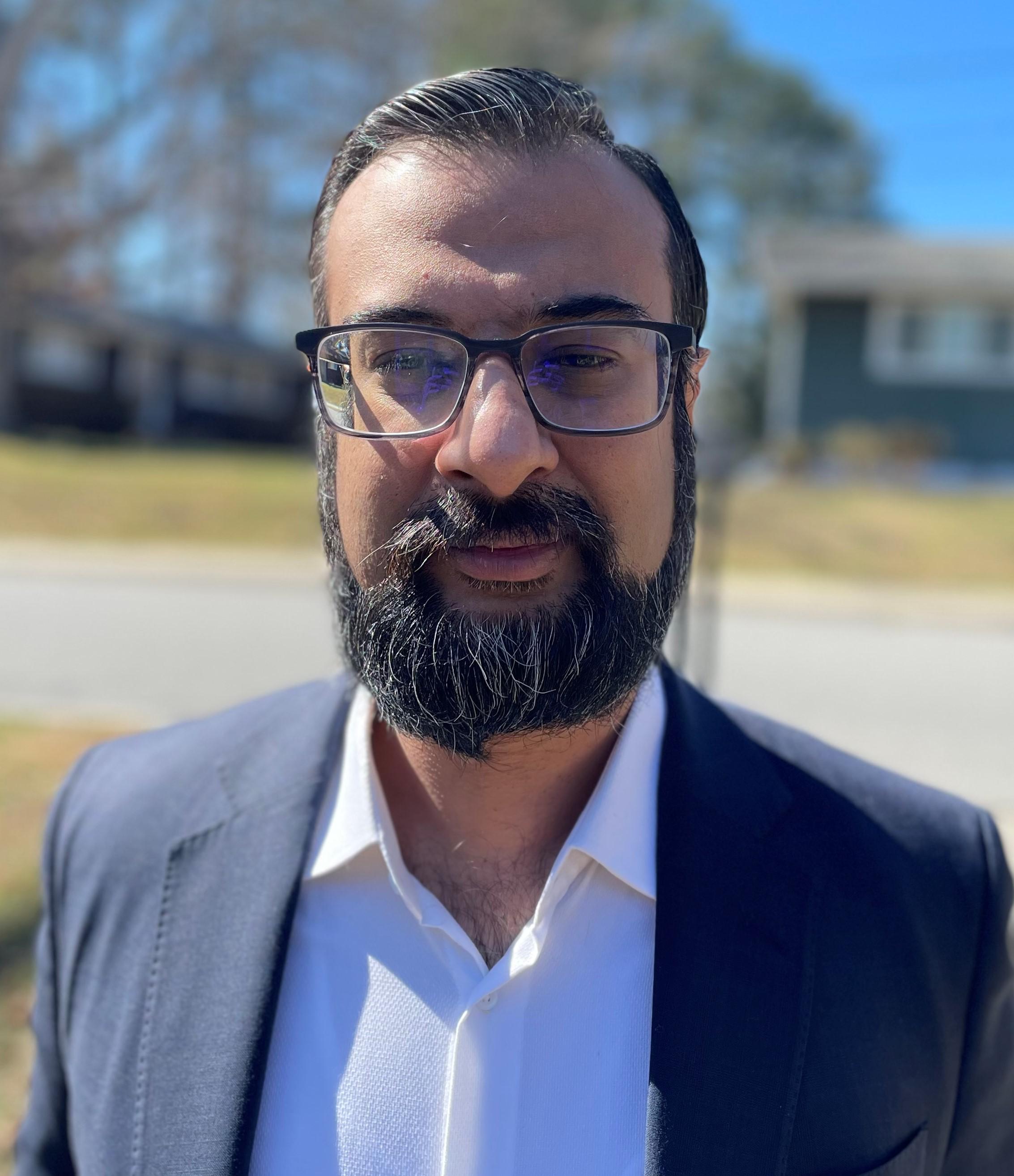
Muhammad Tayyab Safdar is a post-doctoral researcher in the Department of Politics at the University of Virginia. His research explores the political and economic implications of China’s increasing investment in developing countries that are part of the Belt and Road Initiative.
Cintia Quiliconi
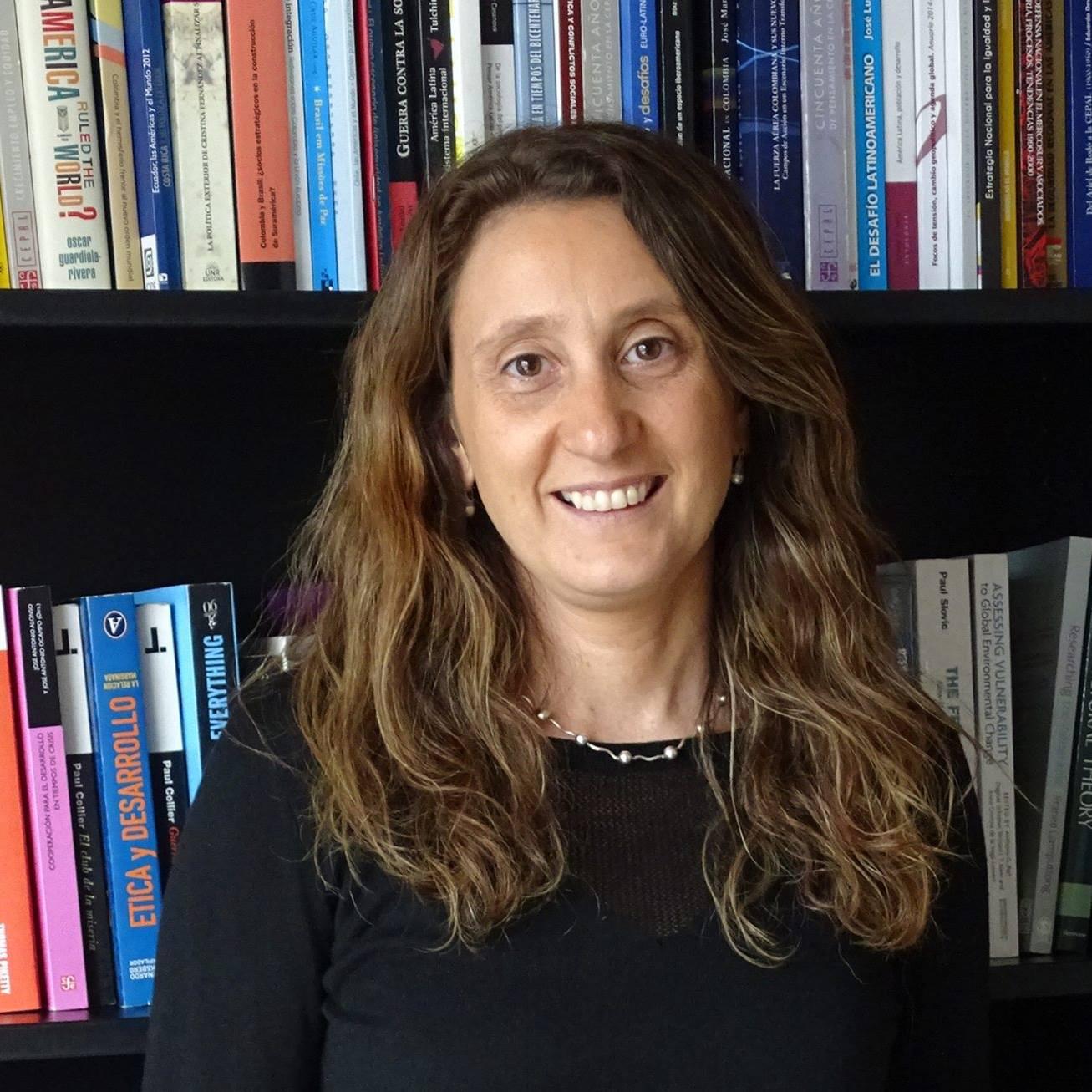
Cintia Quiliconi is a professor in the International Studies and Communication Department at FLACSO-Ecuador, senior editor of the Oxford Research Encyclopedia of International Studies, and current president of the Latin American and Caribbean Region of International Studies Association.
Francisco Urdinez

Francisco Urdinez is an associate professor and a researcher in the Center of International Studies at the Political Science Institute of the Pontifical Catholic University of Chile. He is also the editor of Revista de Ciencia Política. His research interest is the international political economy, with a focus on emerging powers, particularly Chinese relations with Latin American countries.