

In The Media
Michele Dunne, Robert Kagan
{
  "authors": [
    "Robert Kagan"
  ],
  "type": "legacyinthemedia",
  "centerAffiliationAll": "dc",
  "centers": [
    "Carnegie Endowment for International Peace"
  ],
  "collections": [],
  "englishNewsletterAll": "asia",
  "nonEnglishNewsletterAll": "",
  "primaryCenter": "Carnegie Endowment for International Peace",
  "programAffiliation": "AP",
  "programs": [
    "Asia"
  ],
  "projects": [],
  "regions": [
    "North America",
    "United States",
    "East Asia",
    "China",
    "Taiwan"
  ],
  "topics": [
    "Foreign Policy"
  ]
}
Source: Getty
President Clinton is correct that the decision to grant China permanent most-favored-nation trading status will have a historic significance equal to Richard Nixon's opening to China and Jimmy Carter's normalization of relations. But if that's true, why is the president rushing Congress to make a hasty decision, with almost no time to consider the merits and consequences of this momentous step?
Source: The Weekly Standard

There are a whole host of good reasons to slow things down. Many members don't even know what's in the trade deal the United States struck with China last November. Meanwhile, the Europeans are negotiating their own agreement with China and probably won't complete negotiations for several months. The administration argues that there's no reason to wait and see if the Europeans get a better deal than our own negotiators, since American businesses will benefit anyway. What the administration doesn't point out is that rapid passage of permanent trade status by Congress will strengthen the Chinese hand and weaken the European negotiating position. It would be better for Congress to to wait and give the Europeans maximum leverage to extract concessions from Beijing.
Then there is the problem of implementation. In any trade deal, the devil is in the details. This is especially true in China's case, because Beijing has a miserable record of implementing the deals it strikes. (The United States is still trying to get China to abide by the agreement it signed on intellectual property rights almost a decade ago.) We won't know the terms of implementation until China reaches an agreement with the WTO much later this year.
By far the most important reason to delay any vote, however, concerns China's recent threats to attack Taiwan if that government does not move more rapidly toward reunification. President Clinton seems to believe that America's very first official response to a Chinese threat of war should be to give Beijing the largest economic gift we have to offer: permanent, low-tariff access to our markets. What kind of signal could that possibly send to Jiang Zemin and his military chiefs? Threaten war against an American ally and a democracy, and the first thing Washington does is lavish gifts upon you. Extreme belligerence, they would have to conclude, is good for business. (Incidentally, guess what two words never appear in last Friday's Wall Street Journal editorial supporting President Clinton's rush to favor China: Taiwan and democracy.)
Some responsible Democrats see what a disaster it would be to approve China's trade status so soon after Chinese threats against Taiwan. Congressman Jack Murtha, an influential centrist Democrat, has informed his colleagues that, in light of Beijing's recent behavior, he will not support permanent MFN for China this year, even though he consistently supported annual renewal of MFN in the past. "It is not in our national security interest," Murtha declared, "to condone and reward grossly irresponsible conduct." Meanwhile, some Republican senators are considering linking any vote on permanent MFN to passage of the Taiwan Security Enhancement Act. The House approved the Taiwan measure overwhelmingly. At the very least, the Senate should pass the Taiwan legislation before it even considers voting on permanent MFN for China. If we want to avoid tempting Beijing into future aggressive actions against Taiwan, the United States must convince the Beijing government now that belligerence carries a real price.
And what are the good reasons to rush through a vote? There aren't any. The president's demand for a hasty decision is purely about politics. Clinton held off making his pitch for permanent MFN until Al Gore had sewn up the Democratic party's nomination, thereby minimizing the pressure that could be brought to bear on the vice president by his big labor allies. With the primaries out of the way, Clinton now wants Congress to rush approval through before the general election campaign goes into full swing, calculating that election-year politics will dim chances of passage.
To put it another way, the White House and the Republican leadership in both houses want to get this thing done before the American electorate gets a chance to look at it. The big corporations want to use their big money to frighten members of Congress into supporting permanent MFN before those members have a chance to hear from their constituents. Polls show that a large majority of Americans oppose China's entry into the World Trade Organization and oppose granting China permanent trade relations. In fact, they don't much like China, period. The White House wants to make sure that this overwhelming public opinion does not influence congressional deliberations. That's one reason the administration has kept secret the terms of the WTO deal it reached with China last November. Keeping the public in the dark was also the hallmark of Henry Kissinger's and Jimmy Carter's China diplomacy in the 1970s.
Of course, there's another reason to rush through a vote in Congress: Bill Clinton's "legacy". The truth is, Congress can just as easily vote on China's permanent trade status next year. After all, China can't even become a WTO member until it cuts its deals with the Europeans and completes negotiations with the WTO authorities on the terms of implementation. In short, it is almost inconceivable that China could join the WTO much before the end of the year. American business will not lose out if the vote is delayed. Therefore, it makes no practical difference whether Congress votes this year or next. Except to Bill Clinton, who wants to leave a trade deal with China as one of his presidential legacies. We can understand why some Democratic leaders in Congress would find this a compelling reason to vote quickly. Why do Republicans?

Former Senior Associate
Kagan, author of the recent book, The Return of History and the End of Dreams (Knopf 2008), writes a monthly column on world affairs for the Washington Post and is a contributing editor at both the Weekly Standard and the New Republic.
Recent Work

Michele Dunne, Robert Kagan
Robert Kagan, Michele Dunne
Carnegie does not take institutional positions on public policy issues; the views represented herein are those of the author(s) and do not necessarily reflect the views of Carnegie, its staff, or its trustees.
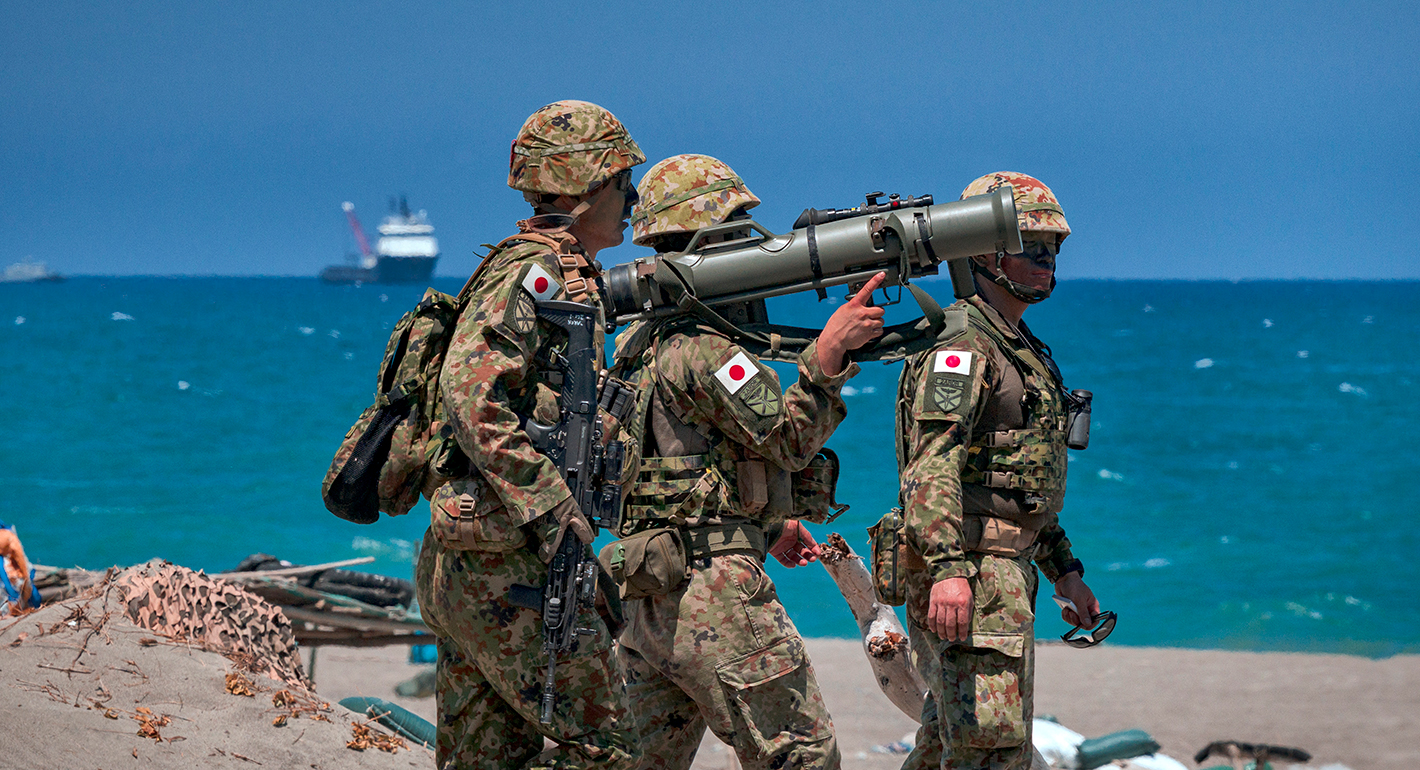
Japan’s revision of its three strategic documents reflects an intention to keep the United States engaged in the region while Japan fills any vacuums of U.S. power to preserve the Indo-Pacific order.

Ryo Sahashi

Chinese biotech companies have been on the receiving end of U.S. economic coercion. Yet their responses have differed significantly because firm and state interests are not uniformly aligned. For Washington, treating all Chinese tech firms the same, irrespective of their actual interests, risks pushing them farther into Beijing’s corner.

Xue Gong
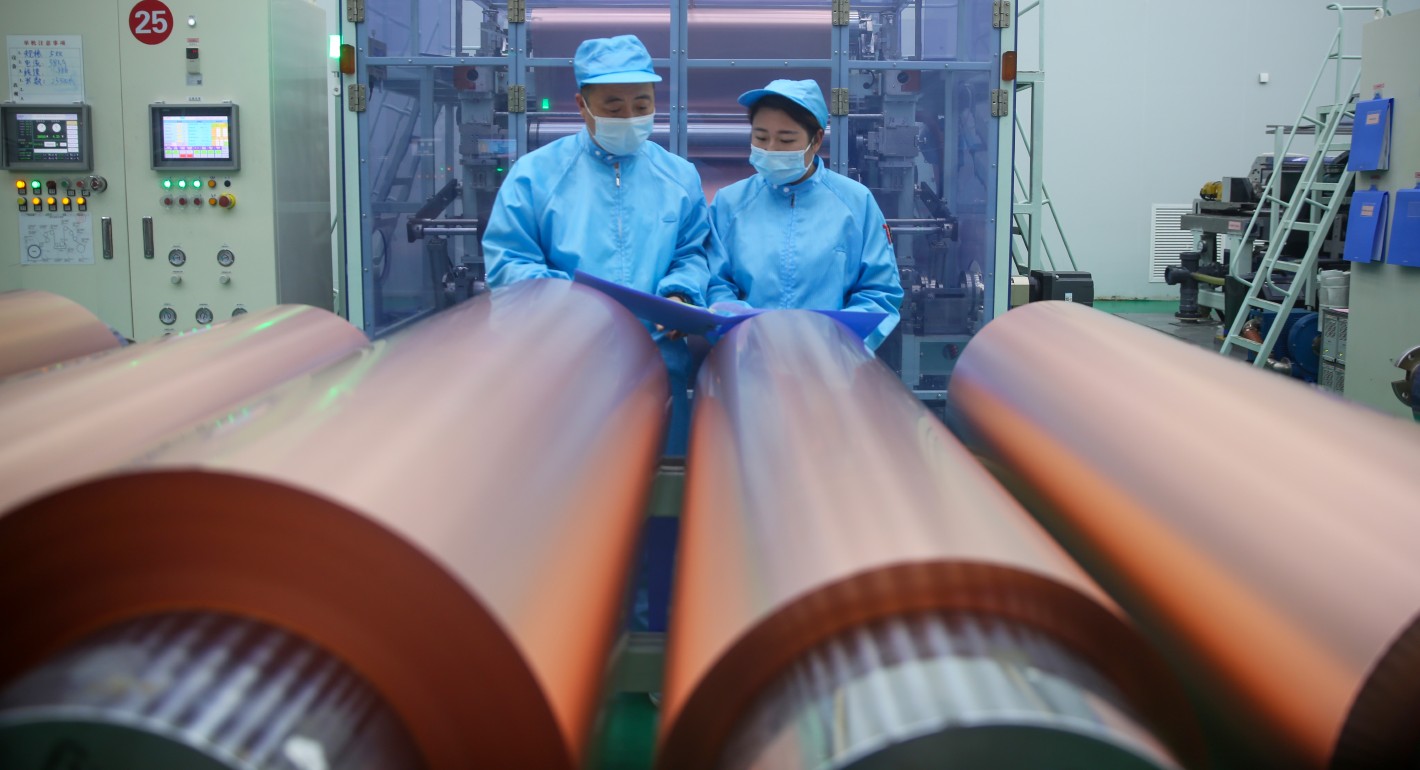
Over the past decade, China has moved from marginal player to major producer of all things batteries. The United States, Europe, and others are aiming to balance the market.

Milo McBride
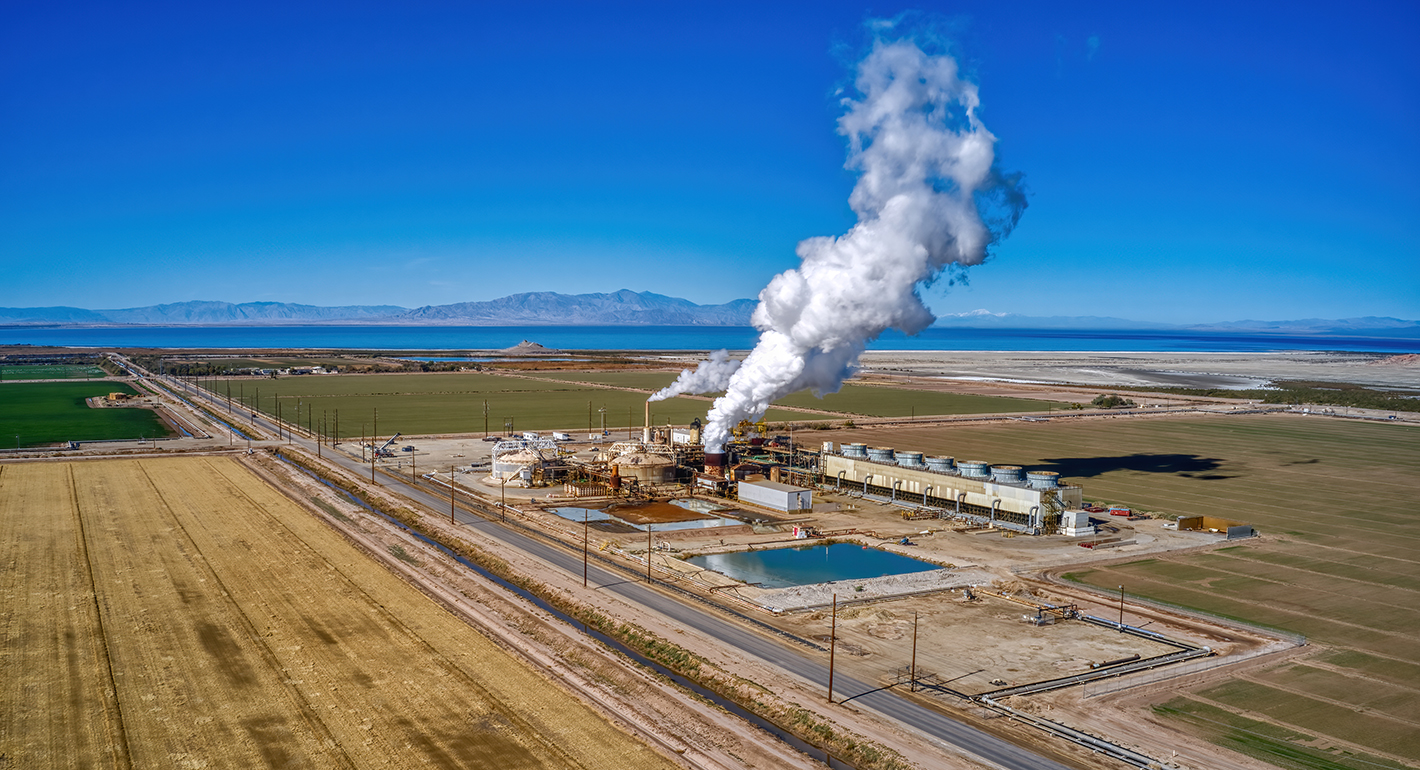
The DFC should focus on advanced, low-carbon energy sources, prioritizing areas where the United States has comparative advantages.

Noah Gordon, Liana Schmitter-Emerson
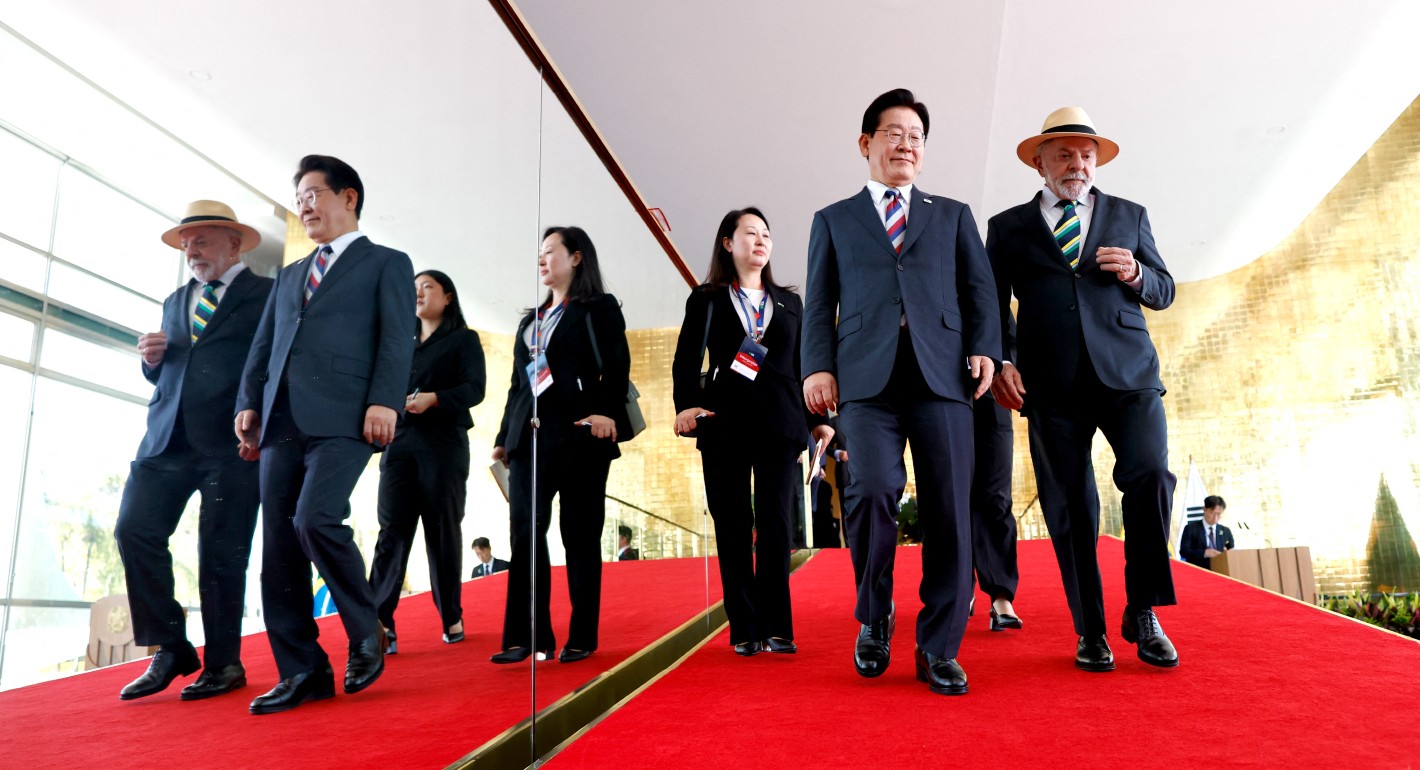
Lee’s tour shows how Seoul is reorganizing its diplomacy away from Pyongyang and toward industrial networks and the geography of the compute economy.

Darcie Draudt-Véjares