

In The Media
Michele Dunne, Robert Kagan
{
  "authors": [
    "Robert Kagan"
  ],
  "type": "legacyinthemedia",
  "centerAffiliationAll": "",
  "centers": [
    "Carnegie Endowment for International Peace"
  ],
  "collections": [],
  "englishNewsletterAll": "",
  "nonEnglishNewsletterAll": "",
  "primaryCenter": "Carnegie Endowment for International Peace",
  "programAffiliation": "",
  "programs": [],
  "projects": [],
  "regions": [
    "United States",
    "Iraq",
    "China"
  ],
  "topics": [
    "Foreign Policy"
  ]
}
REQUIRED IMAGE
Source: Carnegie
Reprinted from the Washington Post, September 24, 2000
Dick Cheney blasted the Clinton administration this past week for letting Saddam Hussein "slip off the hook" and for being "helpless" to do anything about Saddam's ongoing weapons program. It's an excellent point. Except for one problem: Don't ask Dick Cheney what he would do differently.
Only a month ago Tim Russert did ask Cheney what he thought the United States should do if Saddam refused to allow U.N. weapons inspectors to return to Iraq. Cheney's answer? "I think we have to monitor the situation very carefully." According to Cheney, the "ultimate sanction" would be to launch air strikes against "specific targets" related to weapons production. Never mind that the Clinton administration has already tried this "ultimate sanction" a couple of times to no effect. And Cheney isn't really sure he wants to go that far. As he told Russert, "I think we want to maintain our current posture vis-a-vis Iraq." Keep the international coalition together. Keep the economic sanctions in place. "And hopefully, there'll be a change to the government of Iraq before too long."
No wonder Cheney's upset at the Clinton-Gore administration: They're carrying out his policy!
As a matter of fact, on this and other major issues of foreign and defense policy, a question now looms. When it comes to international affairs, is there really any difference between Bush and Gore?
Take Condoleezza Rice's China policy. Rice thinks we cannot afford four more years of Clinton and Gore coddling China. Her alternative: four years of Republicans coddling China. While George W. occasionally mumbles something about China being a "strategic competitor" of the United States, Rice believes there is an "iron law" by which economic reform leads to political reform in China. In other words, eventually everything is going to be fine. "Our problem as Americans," she argues, "is that we are really impatient." Isn't that Sandy Berger's line?
True, Rice admits that China is "a rising power that resents the American presence in the Asia-Pacific, a rising power that is improving its strategic military capabilities rapidly," a rising power that "threatens Taiwan," a rising power that Rice believes will expand its nuclear arsenal to as many as 100 warheads, enough, she says, "to threaten our missile defenses." But Rice is not worried, any more than Bill Clinton is worried: "I'm not putting China in a category of states that would try to blackmail the United States." And would a George W. Bush administration change U.S. policy toward the increasingly "threatened" and increasingly democratic Taiwan, even just a smidgen? No. When it comes to Taiwan, says Rice, "no one changes the status quo."
At least we know that if W. is elected he will do more than Gore to strengthen the military, right? Well, that's not clear either. As The Post's Roberto Suro reported last week, Gore's budget plan increases national security spending by $ 100 billion over the next decade. Bush's budget plan increases defense spending by $ 45 billion. Now, to the untrained eye that looks like Bush is proposing to spend less. Maybe we're just supposed to have faith that a Republican president will spend more on defense than a Democrat, even if the Republican candidate refuses to come out and say so during the campaign.
Privately, of course, Bush aides whisper that they might increase spending by more than a paltry $ 4.5 billion a year, especially once Bush figures out what kind of missile defense system he wants to build, something Rice says he hasn't had time to do yet. And also don't forget: One way the Bush administration plans to save more is by having the military do less. When Bush is president, Rice says, the United States will not be the world's "911." We will be the world's busy signal.
That is at least one difference between Bush and Gore. Gore still defends the idea of American involvement in the world's trouble spots, though sometimes he seems a bit preoccupied with deploying American power against microbes and automobile exhaust. Bush has had his own moments of larger vision. Several months ago he talked of a foreign policy shaped by a "distinctly American nationalism" filled with grand ambition and moral purpose--in a speech given at the Reagan Library. But now it looks as if that soaring rhetoric was just another tactic to get past Sen. John McCain in the primaries, the foreign policy equivalent of "reformer with results."
These days Team Bush, parroting Rice, sounds more like the neo-isolationist John Kasich than the neo-Reaganite John McCain. Their call for a "review" of all America's overseas commitments is pernicious as well as absurd. Cheney, for one, talks of pulling American troops out of the Balkans, apparently oblivious to the dangerous effect his words are already having throughout Europe and especially in the mind of Slobodan Milosevic.
Throughout the campaign, Bush's people have insisted we not worry too much about what W. does or doesn't know about foreign policy. As Rice put it, "the presidency is not just the president. It's a whole team of people who are going to get things done." As the campaign reaches it's final phase, we now know a lot about the team, too. We know that on a number of big issues most of Bush's vaunted advisers agree with Clinton and Gore. On the biggest issue where they don't agree, American intervention abroad, Gore is probably more right than they are.
So remind us again why Bush would make the better commander in chief?

Former Senior Associate
Kagan, author of the recent book, The Return of History and the End of Dreams (Knopf 2008), writes a monthly column on world affairs for the Washington Post and is a contributing editor at both the Weekly Standard and the New Republic.
Recent Work

Michele Dunne, Robert Kagan
Robert Kagan, Michele Dunne
Carnegie does not take institutional positions on public policy issues; the views represented herein are those of the author(s) and do not necessarily reflect the views of Carnegie, its staff, or its trustees.
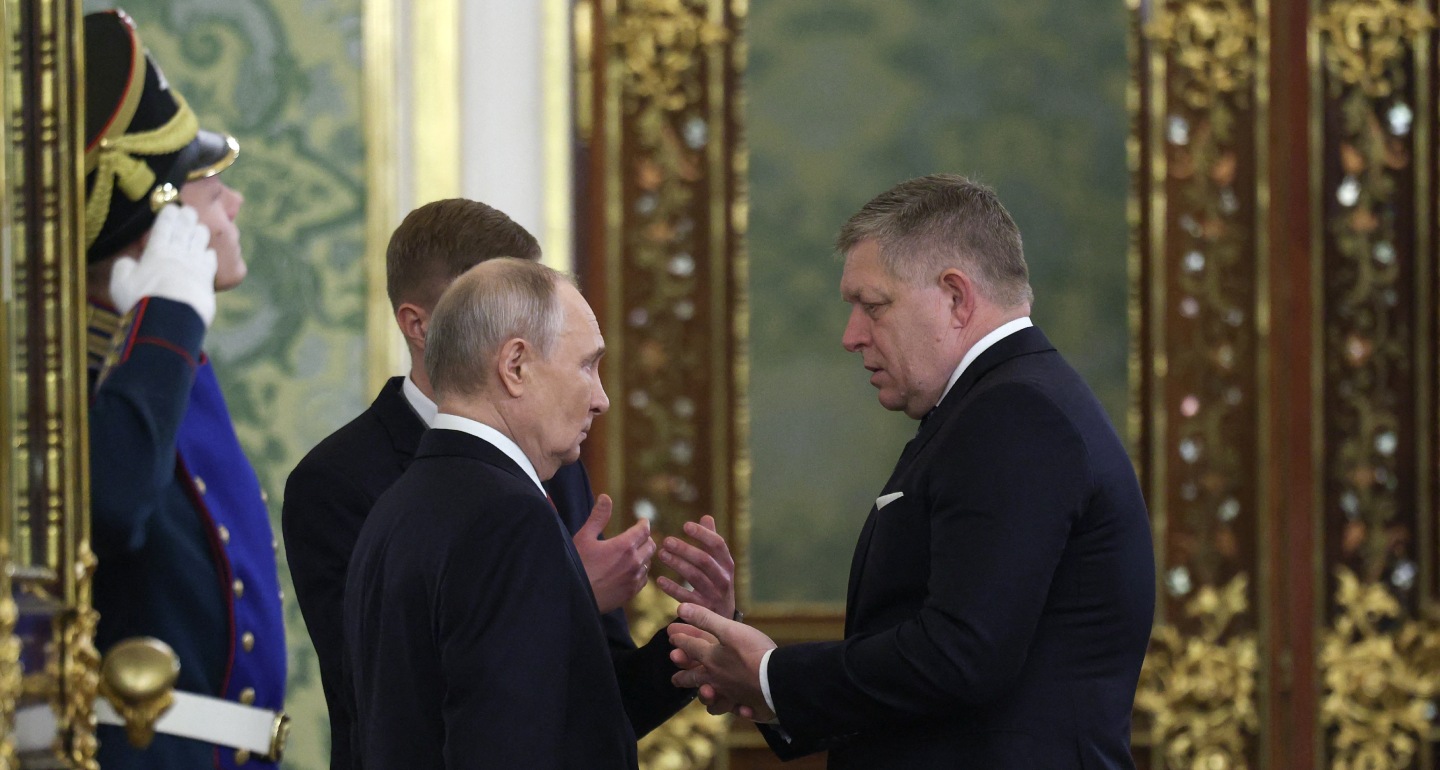
Though Orban is gone, Putin can still count on some like-minded individuals in Central and Eastern Europe. However, they will seek to avoid open confrontation with EU institutions over Ukraine and their ties with Moscow.

Dimitar Bechev

Beijing’s AI diplomacy is pivoting from infrastructure and associated technical standards toward a more comprehensive effort aimed at recrafting global norms and institutions of AI governance.

Arindrajit Basu

The truth is that Japan’s government is seeking a degree of reengagement but at a vastly reduced level than under Abe. Most significantly, Japan has shown no willingness to ease sanctions.

James D.J. Brown
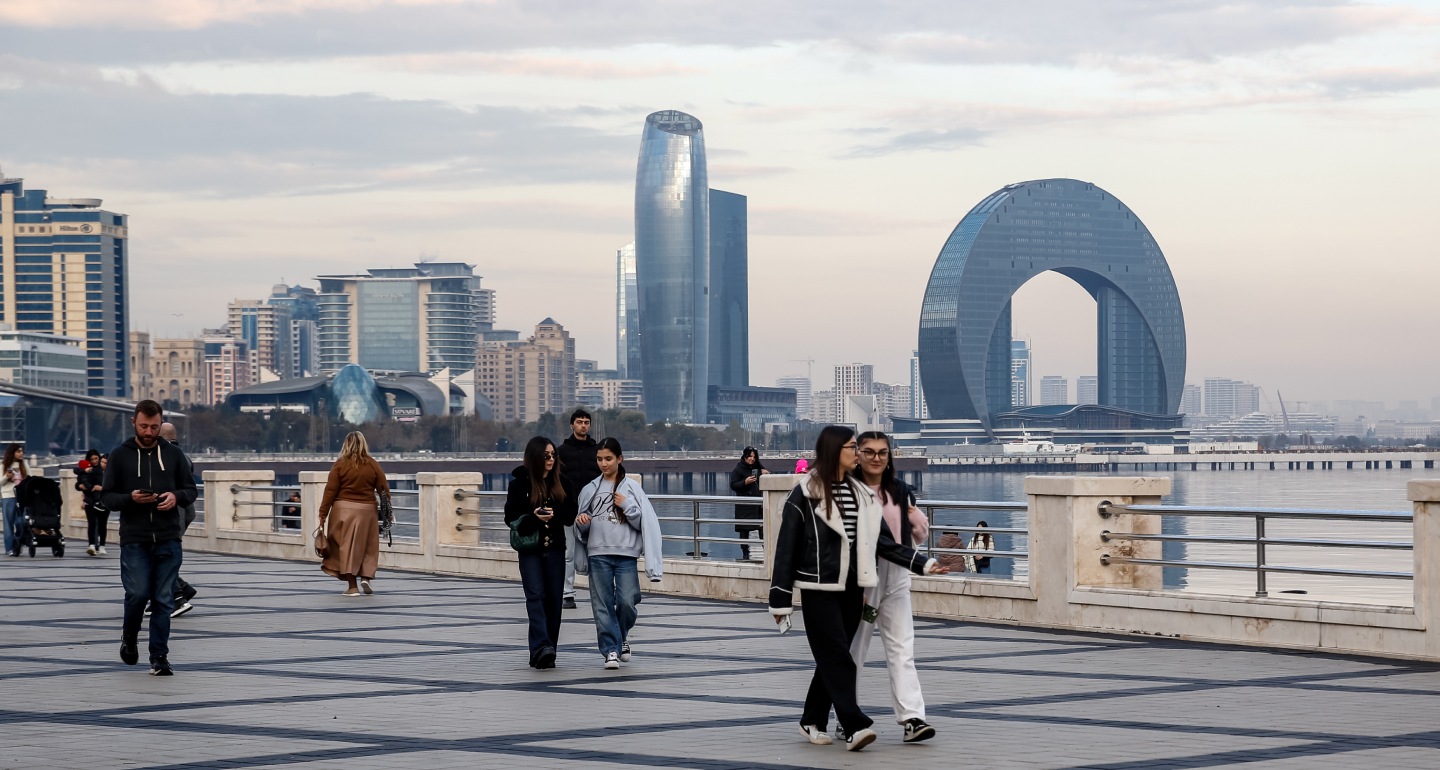
Azerbaijan’s relations with the EU appear to be going from strength to strength after several years in the deep freeze following the military escalation in Karabakh in 2023 and Azerbaijan’s bitter fallout with France and several other EU member states.

Shujaat Ahmadzada
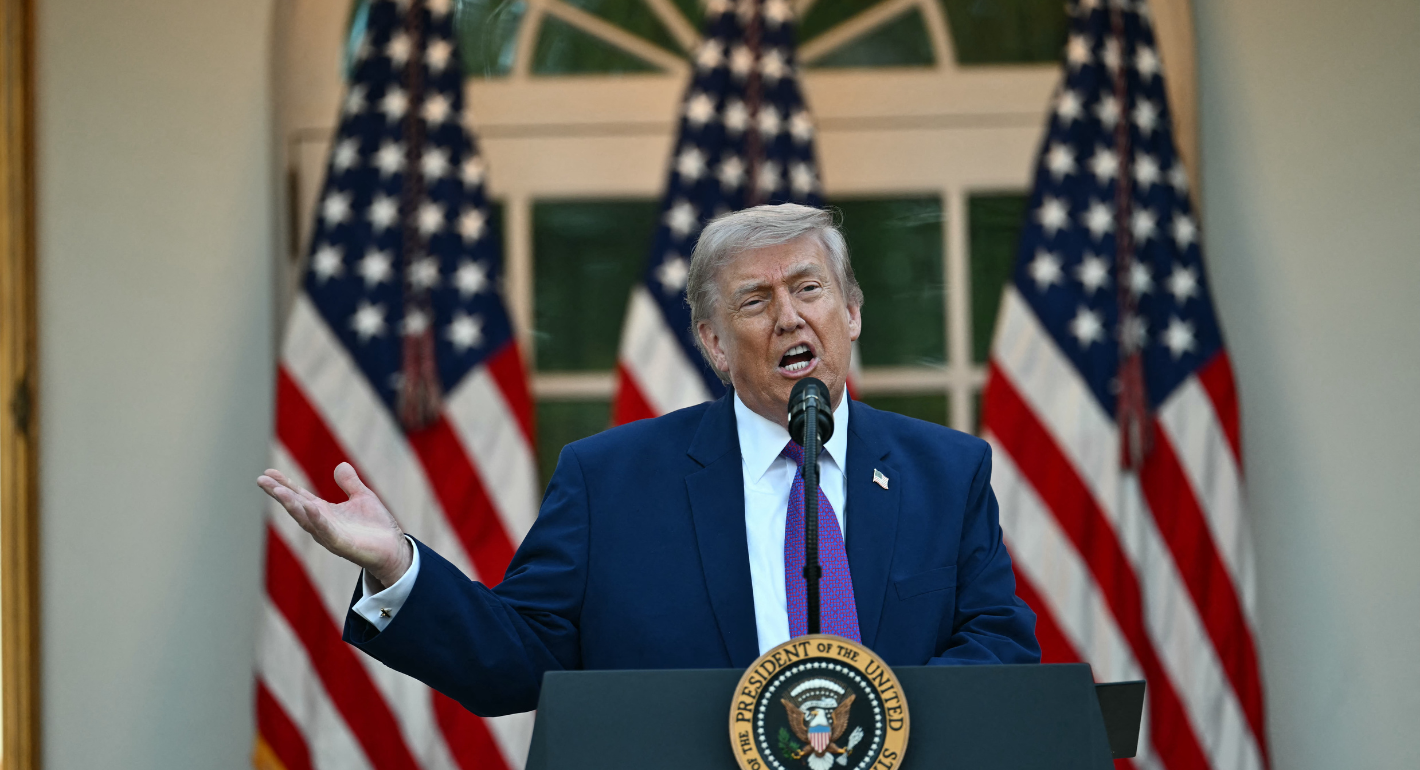
The full list of humiliations Europe has endured since Donald Trump returned to the White House makes for grim reading. But Washington’s adversarial approach to its allies undermines its own power base.

Rym Momtaz