

In The Media
Michele Dunne, Robert Kagan
{
  "authors": [
    "Robert Kagan"
  ],
  "type": "legacyinthemedia",
  "centerAffiliationAll": "",
  "centers": [
    "Carnegie Endowment for International Peace"
  ],
  "collections": [],
  "englishNewsletterAll": "",
  "nonEnglishNewsletterAll": "",
  "primaryCenter": "Carnegie Endowment for International Peace",
  "programAffiliation": "",
  "programs": [],
  "projects": [],
  "regions": [
    "Iraq"
  ],
  "topics": [
    "Foreign Policy"
  ]
}
REQUIRED IMAGE
Source: Carnegie
Originally published in the Washington Post, September 1, 2003
It was just a coincidence that a car bomb killed at least 95 people and a leading Shiite cleric in Najaf on the same morning that the New York Times headline read: "General in Iraq Says More G.I.'s Not Needed." But a few more such unfortunate juxtapositions will sooner or later force the Bush administration to do what it is now desperately trying to avoid doing: Send more American troops to Iraq.
One thing is certain: There are not sufficient forces in Iraq today to create the secure environment within which essential political and economic development can proceed. The Bush administration knows this better than anyone. That's why it has suddenly launched an all-out drive to get a new U.N. resolution, and is contemplating negotiations and compromises with the French that would have been unimaginable even a month ago. Whence comes this unprecedented bout of multilateralist spirit? It derives exclusively from the need to get more foreign forces on the ground in Iraq so that American forces now holding static positions can get to the vital task of hunting proliferating numbers of Iraqi and non-Iraqi terrorists and saboteurs. Or, to put it another way: To make up for the fact that we don't have enough troops.
The same desperation to get more boots on the ground is behind the administration's new, hurried effort to get more Iraqis involved in security operations. Loyal fans of Ahmed Chalabi may exult that Bush officials have finally seen the light. But the Iraqization program comes not from newfound confidence in Chalabi's or any other Iraqi's ability to govern but purely and simply from the need to make up for the shortfall in troops to guard pipelines and government offices and to patrol borders.
In theory, both prongs of the administration's strategy are sound. It would be good to get more international forces into Iraq. And getting the Iraqis themselves to take charge of their own country is the goal of the whole enterprise. But what are the odds these two efforts can bear fruit in time to keep the security situation in Iraq from deteriorating to the point of crisis?
The administration's U.N. gambit will take more than a month and could well fail. The French government has, to say the least, no great interest in helping the United States out of the mess. Foreign Minister Dominique de Villepin has been writing poems in anticipation of the day when the Americans would come begging for help, and the price he and President Jacques Chirac want to exact in exchange will be exorbitant. Probably the French demands will be set deliberately so high as to preclude agreement. France's strategy within Europe is not to save America's bacon but to convince the European public that every leader who followed the United States into Iraq -- and especially Tony Blair -- should be thrown out on his ear.
The little secret, moreover, is that neither France nor any other of our leading NATO allies has more than a handful of troops to spare for Iraq. France and Germany are tapped out in missions in Africa, Afghanistan and the Balkans. The British and Spanish are tapped out in Iraq. Polish public opinion is already turning against the deployment in Iraq, and the mounting security problems in Iraq understandably discourage other countries from wanting to participate. The administration's search for a U.N. resolution isn't even aimed at getting European forces but at bringing in the larger forces available from Turkey, India and Pakistan. Never mind whether Turkish and Indian troops in Iraq are really the answer to all our problems in Iraq -- or would instead become part of the problem themselves. The fact is, we may never get them. The Turkish public remains hostile to any deployment. The Indian government is reluctant to take part without a U.N. resolution. And the French have little interest in passing a U.N. resolution solely to help the Americans get Turkish and Indian troops to relieve the American burden in Iraq.
The administration's hopes for getting a capable Iraqi force in place in a timely manner may be misplaced, too. Today there are about 37,000 Iraqi police officers spread around the country. The Bush administration plans to put 28,000 more on the streets -- but only over the next 18 months. Even assuming all goes according to plan, this gradual increase in Iraqi capabilities is not going to make a big difference before next spring.
The problem is, the next few months may be critical to the fate of Iraq and to the American mission there. Insecurity and instability in Iraq will make it difficult if not impossible to bring real improvements in the average Iraqi's standard of living. And as the administration well knows, Iraqis want and need to see progress right now, or more and more of them may turn to opposition, in both its passive and active, violent forms.
There are good reasons why the administration is not sending more troops to Iraq, of course. But they are not the reasons outlined by U.S. commanders. Those generals are saying we have enough troops in Iraq chiefly because they know full well they dare not ask for more. The price of putting another division or more of American troops into Iraq will be high. It means mobilizing more reserves and using more National Guard forces. It either means pushing the Army to the breaking point or making the very expensive but necessary decision to increase the overall size of the American military, and fast. Right now administration officials don't want to think the unthinkable. Unfortunately, they may be forced to in a month or two. And, unfortunately, by then it may be too late.

Former Senior Associate
Kagan, author of the recent book, The Return of History and the End of Dreams (Knopf 2008), writes a monthly column on world affairs for the Washington Post and is a contributing editor at both the Weekly Standard and the New Republic.
Recent Work

Michele Dunne, Robert Kagan
Robert Kagan, Michele Dunne
Carnegie does not take institutional positions on public policy issues; the views represented herein are those of the author(s) and do not necessarily reflect the views of Carnegie, its staff, or its trustees.
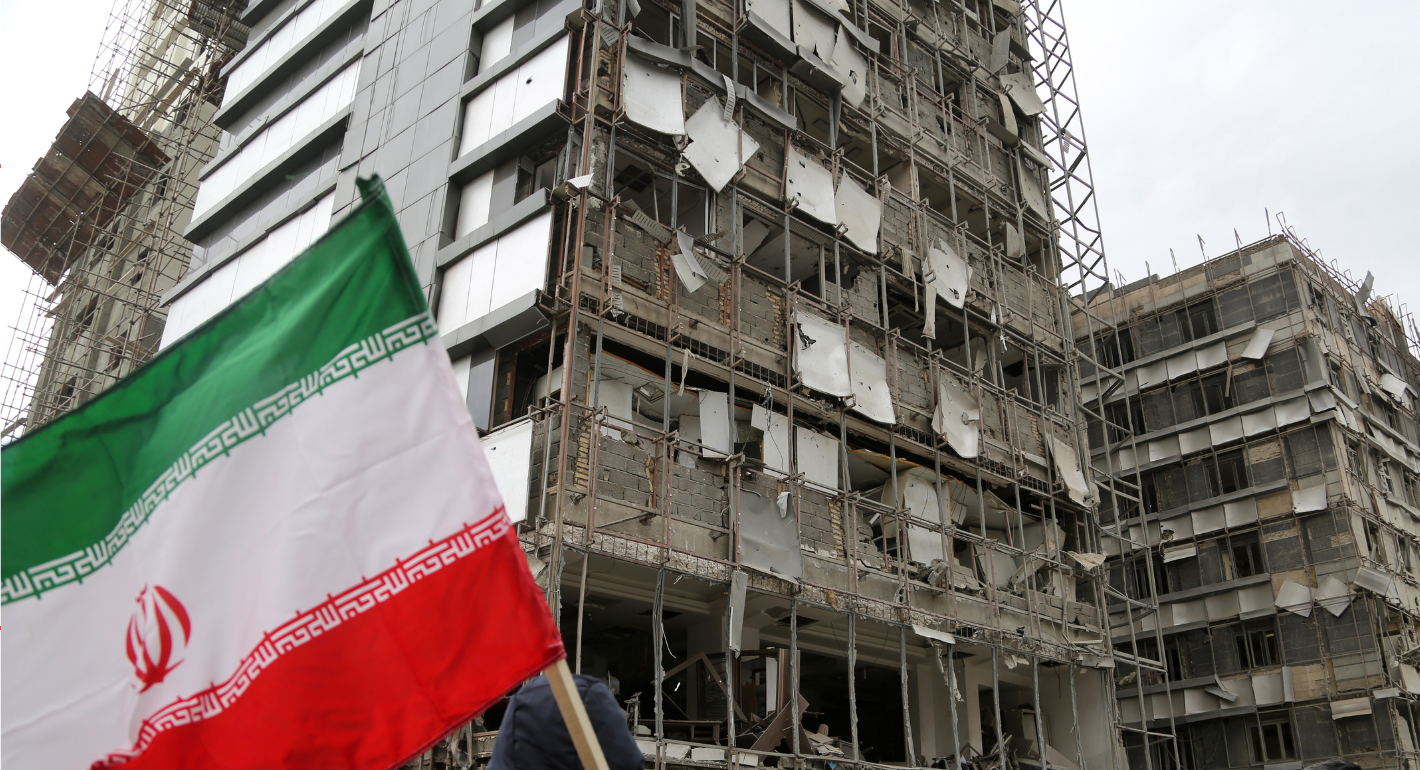
Europe’s reaction to the war in Iran has been disunited and meek, a far cry from its previously leading role in diplomacy with Tehran. To avoid being condemned to the sidelines while escalation continues, Brussels needs to stand up for international law.

Pierre Vimont
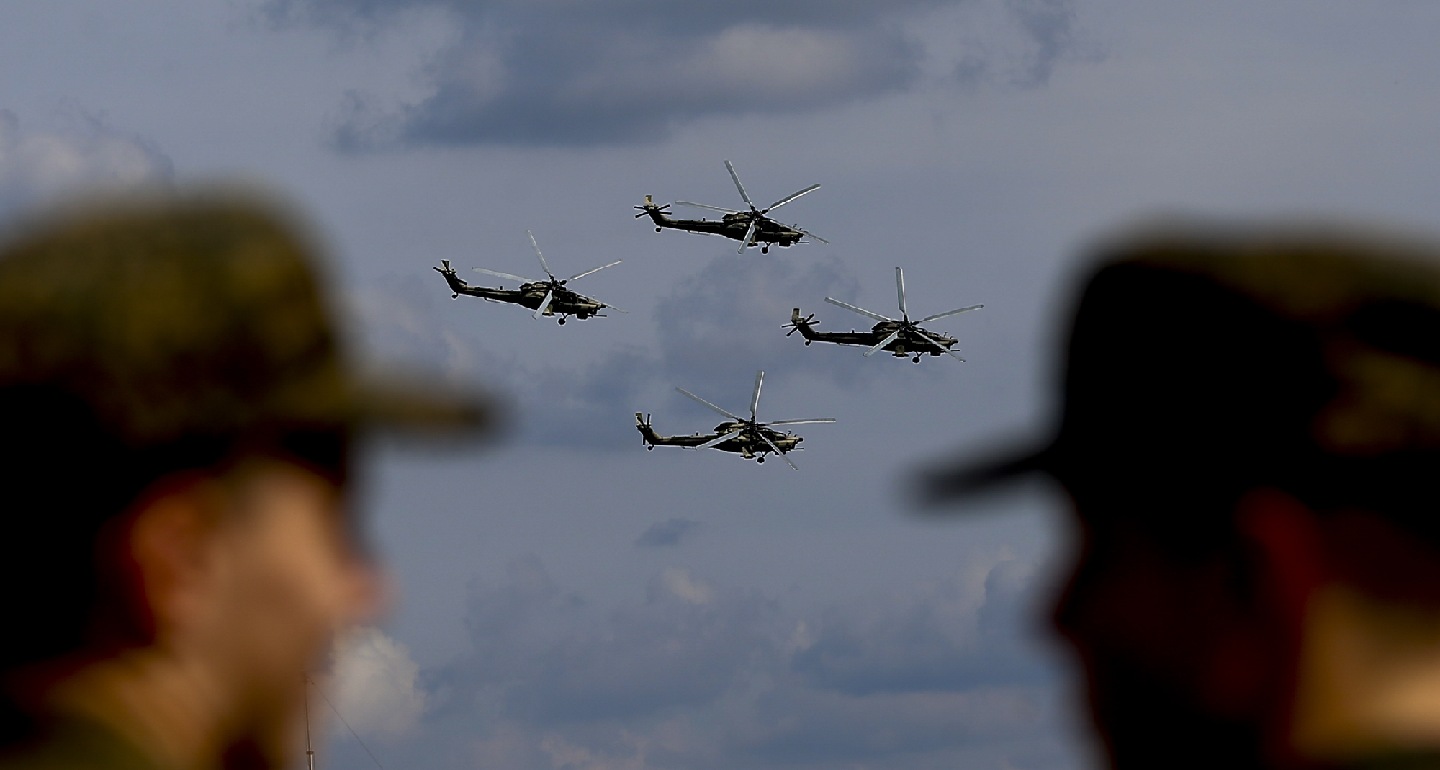
Arms supplies from Russia to Iran will not only continue, but could grow significantly if Russia gets the opportunity.

Nikita Smagin
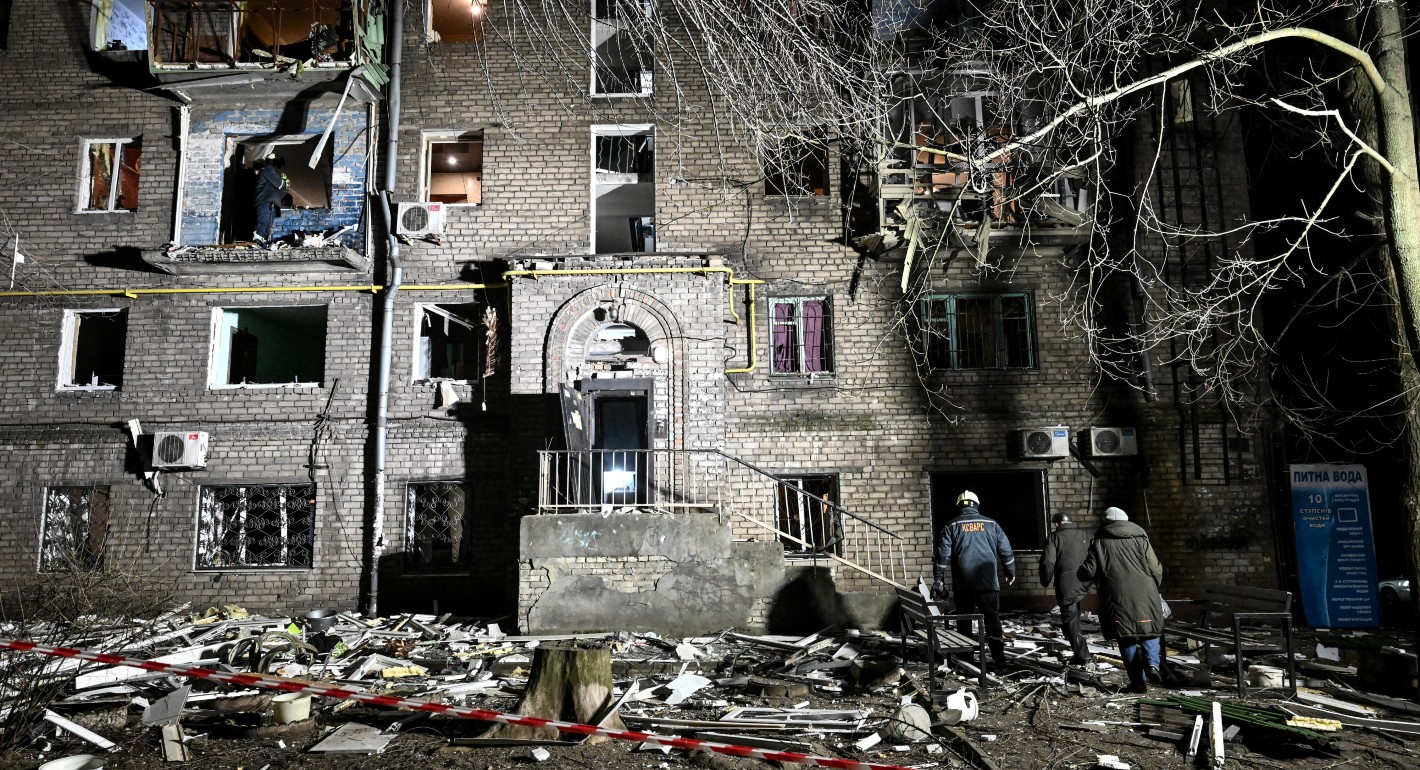
On the fourth anniversary of Russia’s full-scale invasion, Carnegie experts discuss the war’s impacts and what might come next.



Eric Ciaramella, Aaron David Miller, Alexandra Prokopenko, …
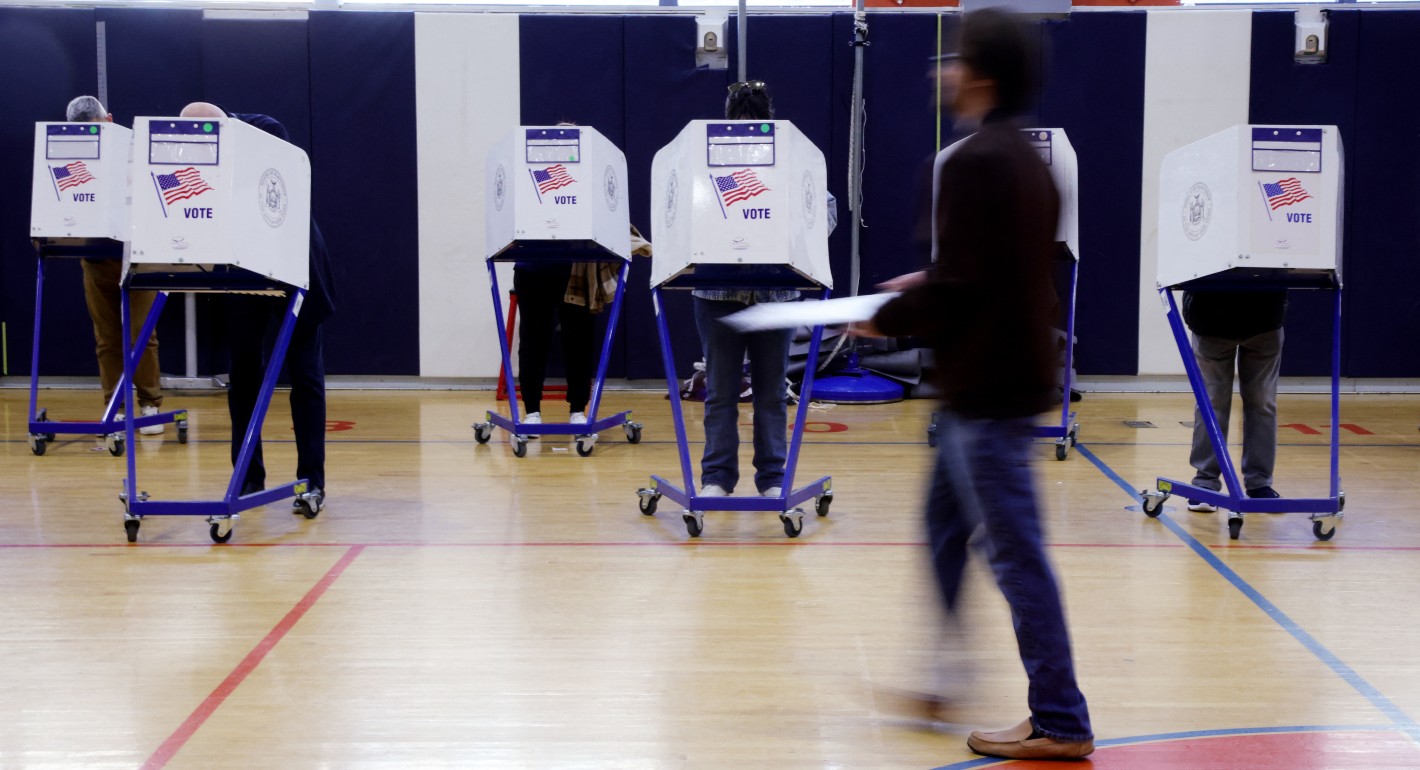
New data from the 2026 Indian American Attitudes Survey show that Democratic support has not fully rebounded from 2020.


Sumitra Badrinathan, Devesh Kapur, Andy Robaina, …
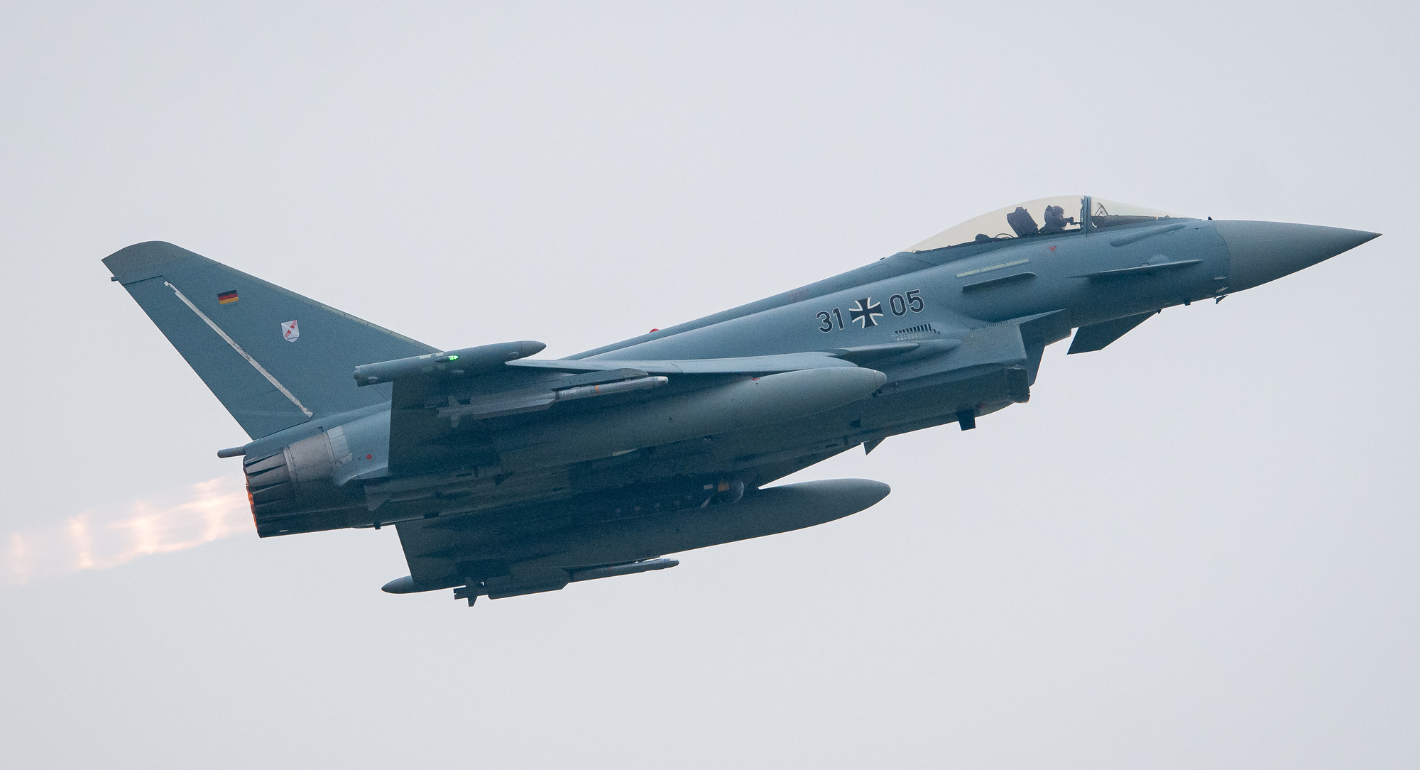
France and Germany’s failure to agree on the Future Combat Air System (FCAS) raises questions about European defense. Amid industrial rivalries and competing strategic cultures, what does the future of European military industrial projects look like?

Rym Momtaz, ed.