

In The Media
Michele Dunne, Robert Kagan
{
  "authors": [
    "Robert Kagan"
  ],
  "type": "legacyinthemedia",
  "centerAffiliationAll": "",
  "centers": [
    "Carnegie Endowment for International Peace"
  ],
  "collections": [],
  "englishNewsletterAll": "",
  "nonEnglishNewsletterAll": "",
  "primaryCenter": "Carnegie Endowment for International Peace",
  "programAffiliation": "",
  "programs": [],
  "projects": [],
  "regions": [
    "United States",
    "Iraq"
  ],
  "topics": [
    "Political Reform",
    "Democracy",
    "Foreign Policy"
  ]
}
REQUIRED IMAGE
Source: Carnegie
Calls for a withdrawal from Iraq are starting to pop up all over the place now and will proliferate in the coming days and weeks. I find even the administration's strongest supporters, including fervent advocates of the war a year ago and even some who could be labeled "neoconservatives," now despairing and looking for an exit.
They don't put quite that way, of course. Instead, they say that seeking democracy in Iraq is too ambitious; we need to lower our sights and settle for stability. But this is probably just a way station on the road to calling for withdrawal, for it ought to be clear that even establishing stability in Iraq will require a continued American military occupation and continued casualties for quite some time to come.
Faced with that reality, conservatives and even neoconservatives can be heard muttering these days that if the Iraqis won't take responsibility for their own country, we should leave them to their fate. That is what "lowering our sights" really means.
John Kerry and his advisers moved to this stance a couple of weeks ago when they declared that the goal of democracy was "too heroic" and the United States should limit itself to seeking "stability." Since then Kerry has held firm. It's not inconceivable, though, that he may gradually abandon this rhetoric and begin running openly as the candidate who will get the United States out of the Iraq quagmire, under the guise of handing it off to NATO or the United Nations. That could soon seem a better political strategy. Few Americans will believe that Kerry can really do a better job of fighting the war than President Bush. But he can plausibly present himself as the candidate most likely to get the United States out of Iraq, if a majority of Americans decide they want that.
So get ready for the coming national debate over withdrawal. The unthinkable is becoming thinkable. And it isn't hard to understand why.
All but the most blindly devoted Bush supporters can see that Bush administration officials have no clue about what to do in Iraq tomorrow, much less a month from now. Consider Fallujah: One week they're setting deadlines and threatening offensives; the next week they're pulling back. The latest plan, naming one of Saddam Hussein's Republican Guard generals to lead the pacification of the city, is the kind of bizarre idea that only desperate people can conjure. The Bush administration is evidently in a panic, and this panic is being conveyed to the American people.
Events in Fallujah have also conveyed another impression: The administration is increasingly reluctant to fight the people it defines as the bad guys in Iraq. This reluctance is perfectly understandable. No one wants more American casualties. And no one doubts that more violence in Iraq may alienate more of the Iraqi population. But this reluctance can also appear both to Iraqis and to the American public as a sign of declining will. Among the many lessons of Vietnam is that American support for that war remained remarkably steady, despite high American casualties, until Americans began to sense that their government was no longer committed to what had been defined as victory and was looking for a way out. If Americans see signs of wavering by the Bush administration -- and Fallujah may be one of those signs -- support for the war could decline sharply.
It is the sense that Bush officials don't know what they are doing that has fed all the new talk about "lowering our sights." No one will say, "Let's cut and run." Instead, people talk about installing a moderate but not democratic government. They talk about letting Iraq break up into three parts: Kurd, Shiite and Sunni. But at the core, this is happy talk, designed to help us avert our eyes from withdrawal's real consequences. The choice in Iraq is not between democracy and stability. It is between democratic stability, on the one hand, and civil conflict, chaos or brutal, totalitarian dictatorship and terrorism, on the other.
The next time someone suggests that the goal of democracy is too ambitious, let him explain in detail what alternative he has in mind. Even if we wanted to establish a non-democratic government in Iraq, how would we do it? Is there a benevolent dictator out there who could enjoy sufficient legitimacy or wield sufficient power to maintain stability in Iraq without continued U.S. military support? Even a reconstituted, Sunni-dominated Iraqi army -- if such a thing were even desirable or possible -- could not impose order without employing all of the Hussein regime's brutal tactics, including the inevitable massacre of probably thousands of rebellious Shiites. Is that what advocates of "lowering our sights" have in mind?
Nor would partition be any easier to engineer. Yes, there could be an independent Kurdistan (and an ensuing war with Turkey) in the north. But the Shiites and Sunnis in Iraq are neither geographically nor culturally separate. They are intermingled. So, does partition mean transfers of population? And who would carry out those transfers, and how? Again, people who call for partition as an alternative to Iraqi democracy should explain exactly what their plan would look like and how it would produce a more stable result.
The truth is, if the goal is stability, that the alternatives are no easier to carry out and no less costly in money and lives than the present attempt to create some form of democracy in Iraq. The real alternative to the present course is not stability at all but to abandon Iraq to whatever horrible fate awaits it: chaos, civil war, brutal tyranny, terrorism or more likely a combination of all of these -- with all that entails for Iraqis, the Middle East and American interests.
That is what President Bush has been saying all along. But Bush himself is the great mystery in this mounting debacle. His commitment to stay the course in Iraq seems utterly genuine. Yet he continues to tolerate policymakers, military advisers and a dysfunctional policymaking apparatus that are making the achievement of his goals less and less likely. He does not seem to demand better answers, or any answers, from those who serve him. It's not even clear that he understands how bad the situation in Iraq is or how close he is to losing public support for the war, a support that once lost may be impossible to regain. Bush politicos may take comfort from polls that show the public still trusts Bush more than Kerry when it comes to conducting the war. That won't be worth much, however, if the public turns against the war itself. The tragedy may be that Bush will not understand until it is too late. In which case we will lose in Iraq, and the dire consequences that he has rightly warned of will be upon us.
Robert Kagan writes a monthly column for The Post.
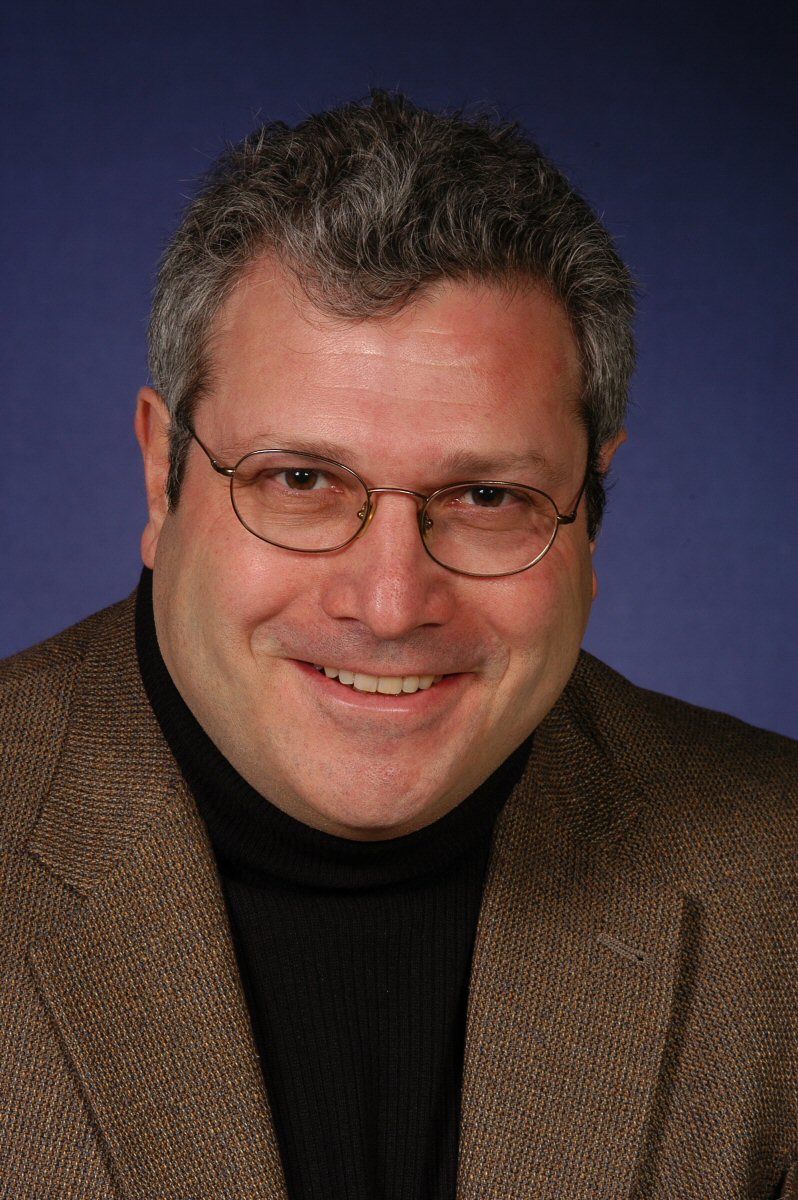
Former Senior Associate
Kagan, author of the recent book, The Return of History and the End of Dreams (Knopf 2008), writes a monthly column on world affairs for the Washington Post and is a contributing editor at both the Weekly Standard and the New Republic.
Recent Work

Michele Dunne, Robert Kagan
Robert Kagan, Michele Dunne
Carnegie does not take institutional positions on public policy issues; the views represented herein are those of the author(s) and do not necessarily reflect the views of Carnegie, its staff, or its trustees.
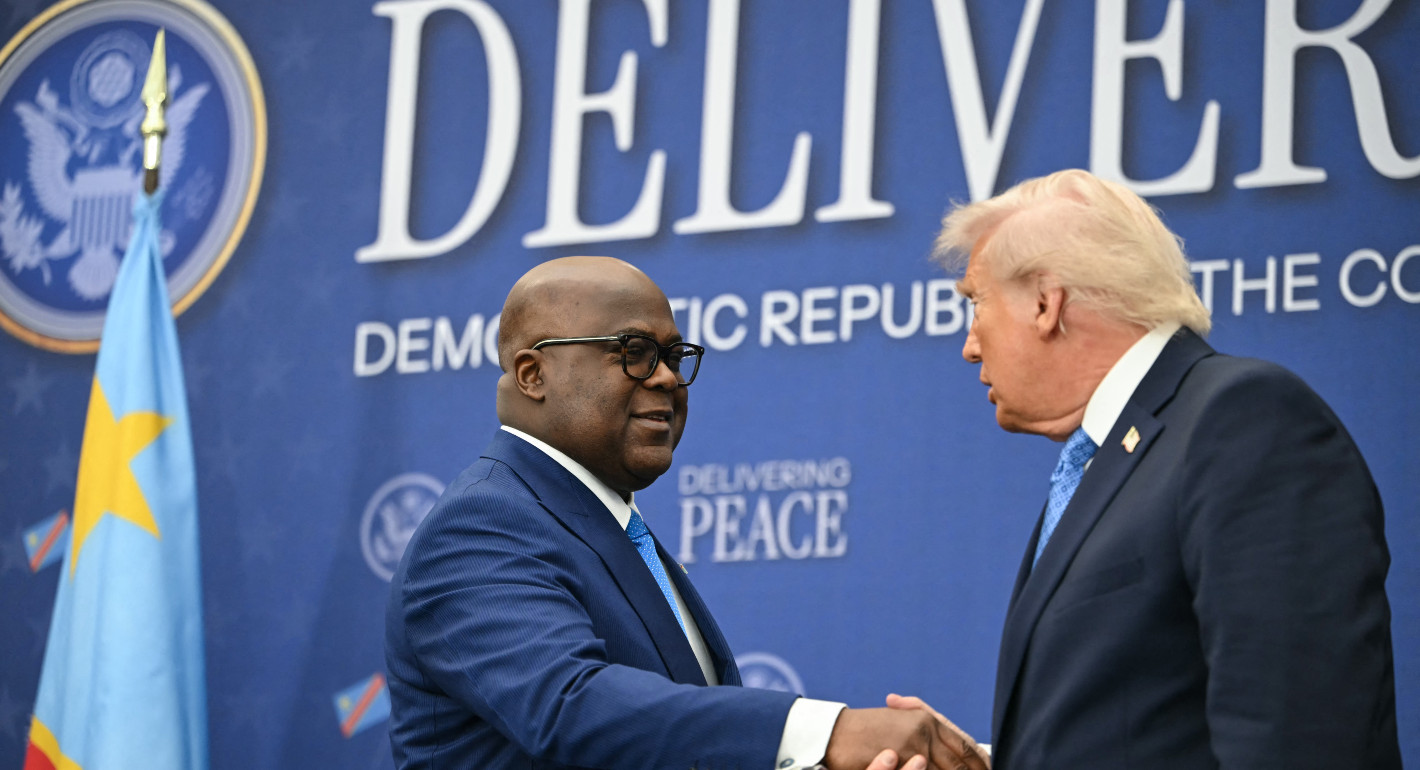
President Tshisekedi is implicating Washington in his pursuit of a third term. Staying silent may prove detrimental to the United States in the long run.

Christian-Géraud Neema
Direct democracy is the political wildcard in the state’s midterm election.


Mark Baldassare, Ian Klaus
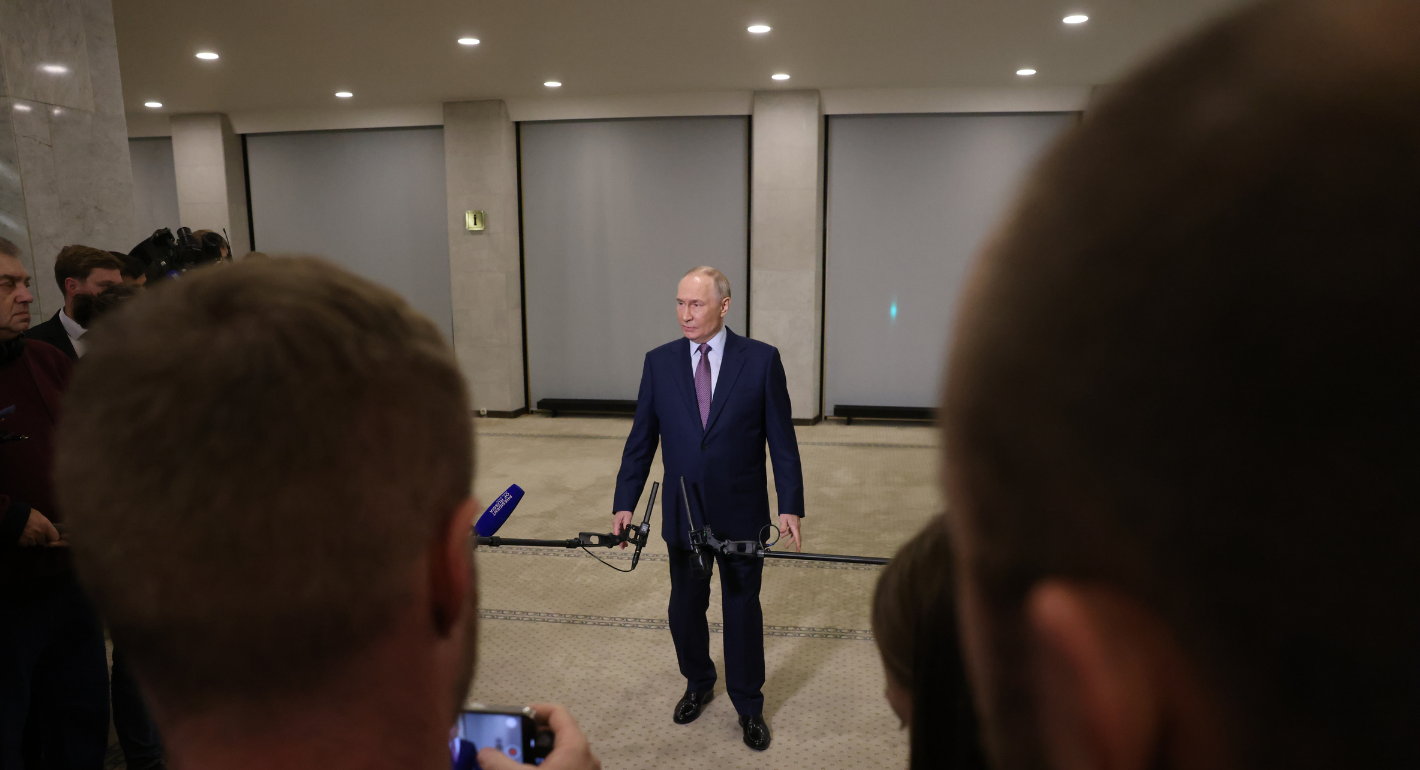
The EU had to compromise to adopt a twenty-first sanctions package against Russia, exposing growing cracks in the union’s resolve. Is this latest, weaker round worth it to keep pressure on Moscow?

Rym Momtaz, ed.
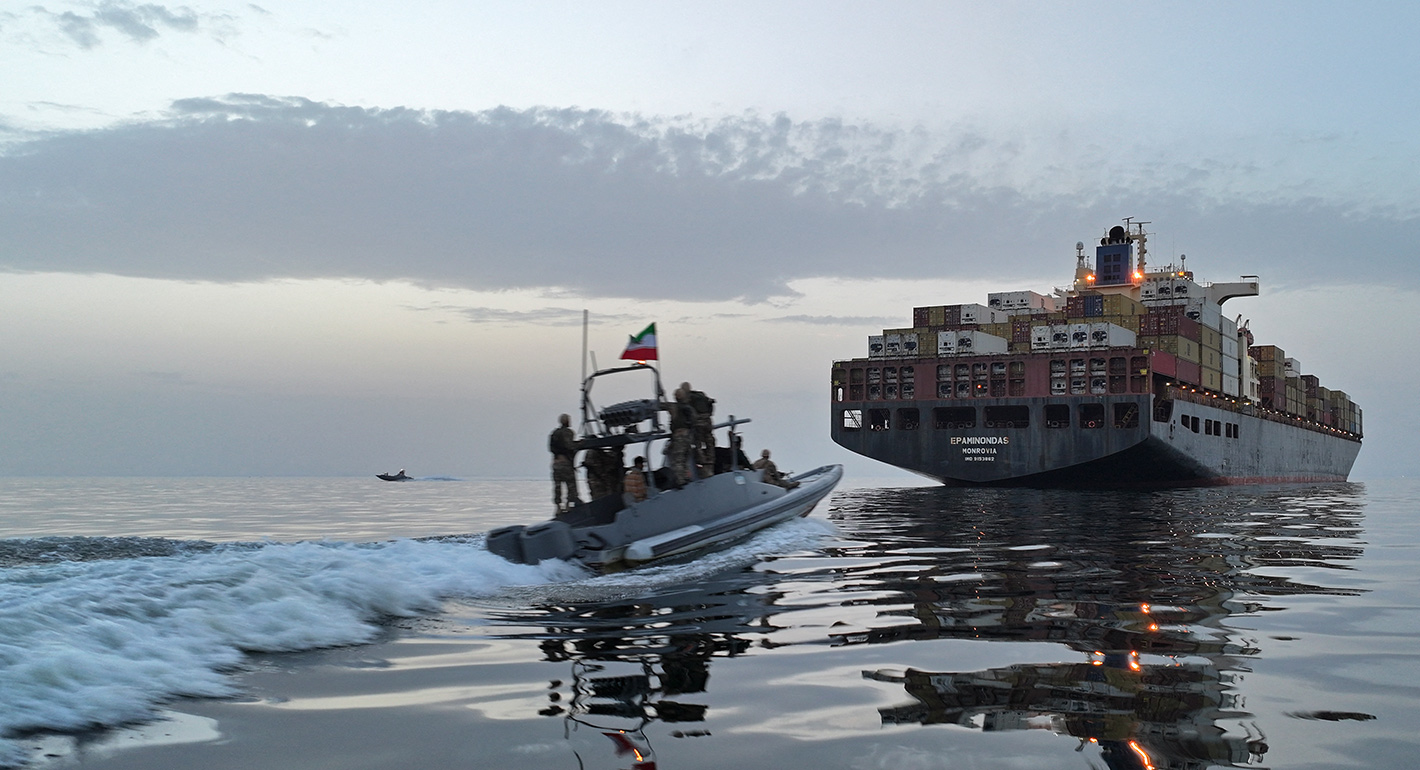
Potential Strait of Hormuz transit “fees” and Iran’s renminbi use are bringing attention to Beijing’s push to become a “financial power,” particularly in energy markets. Underdeveloped aspects of China’s financial system and its dollar dependencies still constrain the renminbi’s geoeconomic significance, but recent events may spur policy shifts aimed at changing these dynamics.

Robert Greene

Two divergent trends—Putin’s hardline vision of how to prosecute the war in Ukraine, and a growing desire for change in Russia—could tear the regime apart.

Tatiana Stanovaya