

Commentary
The Bureau of Industry and Security needs to adjust its focus and practices to maintain its position as the U.S. government’s primary champion of international technological competition.
Geoffrey Irving
{
  "authors": [],
  "type": "legacyinthemedia",
  "centerAffiliationAll": "dc",
  "centers": [
    "Carnegie Endowment for International Peace"
  ],
  "collections": [],
  "englishNewsletterAll": "democracy",
  "nonEnglishNewsletterAll": "",
  "primaryCenter": "Carnegie Endowment for International Peace",
  "programAffiliation": "DCG",
  "programs": [
    "Democracy, Conflict, and Governance"
  ],
  "projects": [],
  "regions": [
    "Southern, Eastern, and Western Africa"
  ],
  "topics": [
    "Political Reform",
    "Democracy",
    "Economy"
  ]
}
REQUIRED IMAGE
Zimbabwe’s Robert Mugabe has become everything he once crusaded against — racist, despotic, unjust and incompetent. South Africa, the only African nation with significant leverage over Zimbabwe, must pressure Mugabe to reverse the spiral of cronyism and corruption.
Source: Los Angeles Times
Originally published June 29, 2004 in the Los Angeles Times.
Decades ago, when Zimbabwe President Robert Mugabe rid the country of a racist, colonial government, he became an instant icon throughout Africa and much of the world. Today, however, Mugabe has become everything he once crusaded against — racist, despotic, unjust and incompetent.
His decision last week to abolish commercial land — effectively annihilating property rights in his country — is only the latest symptom of Zimbabwe's steady economic implosion, from a modernizing African nation 10 years ago to a failed police state today. Inflation, near 600%, is soaring and laborers are starving. Cronyism and corruption are the country's only growth industries.
Mugabe won reelection and a parliamentary majority through flagrant electoral fraud, intimidation and violence. He has systematically attacked freedoms of the press, association and speech. (This month he closed one of Zimbabwe's last independent newspapers.) Government-sponsored beatings and arrests of opposition supporters have become increasingly common in the run-up to parliamentary elections next year, when Mugabe hopes to engineer the two-thirds majority necessary to eliminate the rival Movement for Democratic Change once and for all.
The United States has little leverage in Zimbabwe, which sells us nothing. South Africa, however, controls transnational trade, migration and utilities in the region. Yet that country's president, Thabo Mbeki, has done next to nothing to meliorate the catastrophe. Mbeki recently argued for Africans to "become demonstrable masters of [their] own destiny" and for the West to end its paternalistic posturing. Fair enough. But Africa also must clean house, and South Africa must set the precedent. Mbeki's government can no longer ignore the cruelties and failures of Mugabe's regime.
As Nelson Mandela's former deputy in the African National Congress, Mbeki is one of Africa's most reputable civil rights leaders. It is senseless for him to have endured (and resisted) apartheid in South Africa only to give it tacit blessing in neighboring Zimbabwe, where Mugabe has stripped white farmers of their land — without compensation or consent, often under threat of mob violence. Furthermore, it is in Mbeki's self-interest to help. Over the last three years, Zimbabwe's downward spiral has cost South Africa an estimated $1.9 billion and 30,000 jobs. More than 2 million destitute Zimbabweans already have fled into South Africa, flooding its labor market and straining its infrastructure.
So why hasn't Mbeki acted? For one, the Zimbabwean opposition has certainly not made it easy. When South Africa tried to broker a power-sharing agreement, the MDC rejected any such agreement outright. Then, to rub salt in the wound, it sued Mbeki, demanding that he release a study by two South African jurists believed to document Mugabe's election fraud. Smartly, the MDC relented when it became clear the lawsuit threatened to alienate Mbeki from its cause permanently. There are other reasons for Mbeki's indifference. As the African National Congress struggled to topple apartheid, Mugabe championed its cause, which seems to give him wide leeway with Mbeki. Moreover, Mbeki believes that the MDC is neither mature nor powerful enough to control Zimbabwe, and that the country would collapse under its leadership.
None of these arguments add up. The MDC may be a poor negotiator — and it certainly should have furnished a counterproposal to Mbeki's power-sharing agreement — but its cause is just: Its intransigence is a matter of principle, not pride. (Besides, Mugabe had no real intention of relinquishing power anyway.) And although the MDC's ability to govern is untested, Mugabe's is well known, and surely he is unfit to govern by any standard. As for past loyalties, Mbeki ought to pressure Zimbabwe for the very reason he now chooses not to. Mugabe fought for a liberal, democratic South Africa in its time of need; now Mbeki can return the favor.
While Zimbabweans suffer drought and starvation, Mbeki maintains that "the Zimbabwe leadership could solve the problems of Zimbabwe." This is an evasion. Mugabe must reform — radically — or retire. And the only one who can tell him that is his powerful neighbor: forcefully, publicly, embarrassingly. It's time for Mbeki to make Africans "masters of [their] own destiny."
Adam B. Kushner is assistant managing editor of the New Republic. Geoffrey Swenson is a junior fellow in the Democracy and Rule of Law Project at the Carnegie Endowment for International Peace.
Carnegie does not take institutional positions on public policy issues; the views represented herein are those of the author(s) and do not necessarily reflect the views of Carnegie, its staff, or its trustees.

The Bureau of Industry and Security needs to adjust its focus and practices to maintain its position as the U.S. government’s primary champion of international technological competition.

Geoffrey Irving
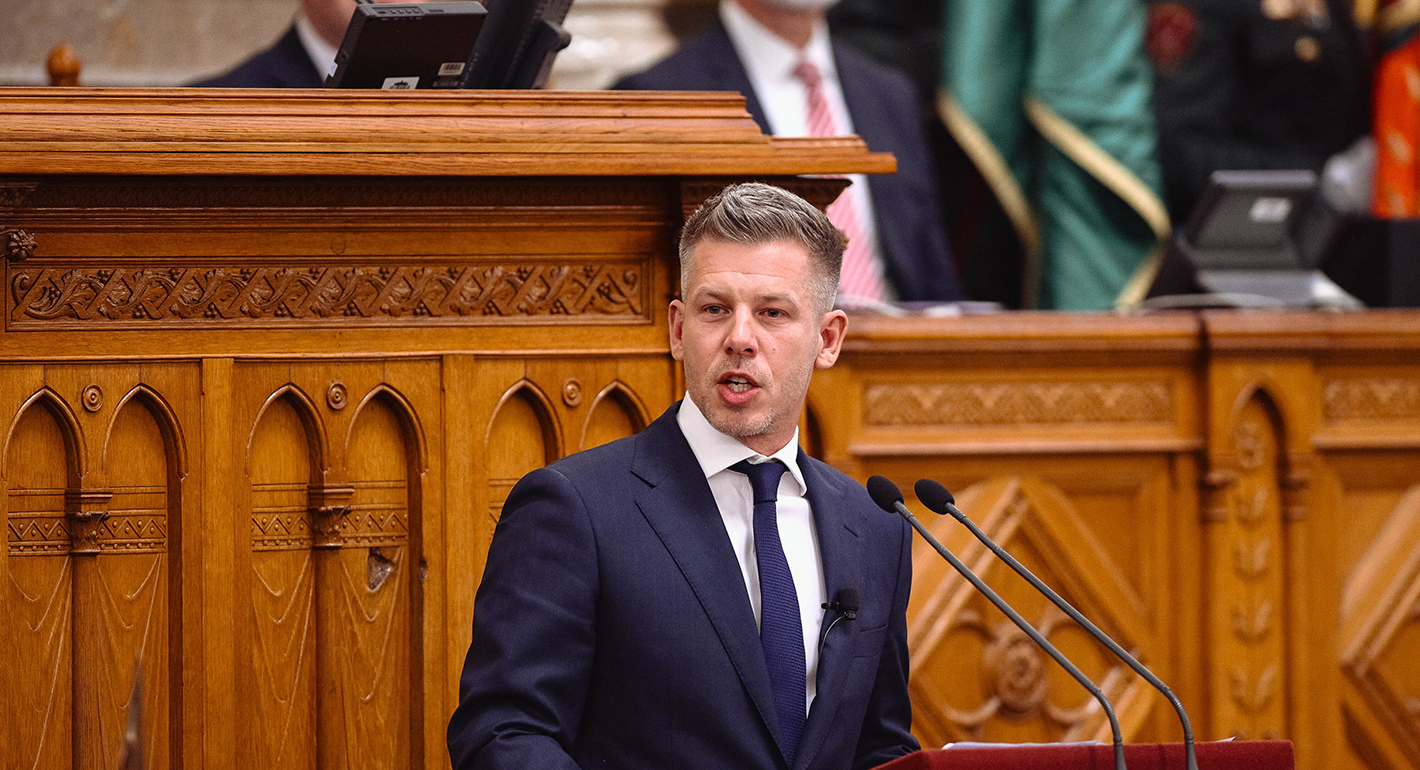
Despite myriad challenges and occasional stumbles, the new Hungarian government is moving ahead with energy and conviction to uproot years of illiberalism and corruption and rebuild Hungarian democracy.

Thomas Carothers

Depleted financial reserves and a shrinking tax base mean it is no longer possible to simultaneously deliver high defense spending, price stability, and economic growth.

Alexandra Prokopenko

Radical-right parties are expected to do well in upcoming elections in four of the EU's biggest member states. If successful, they could prevent the union from addressing key challenges ahead.

Stefan Lehne
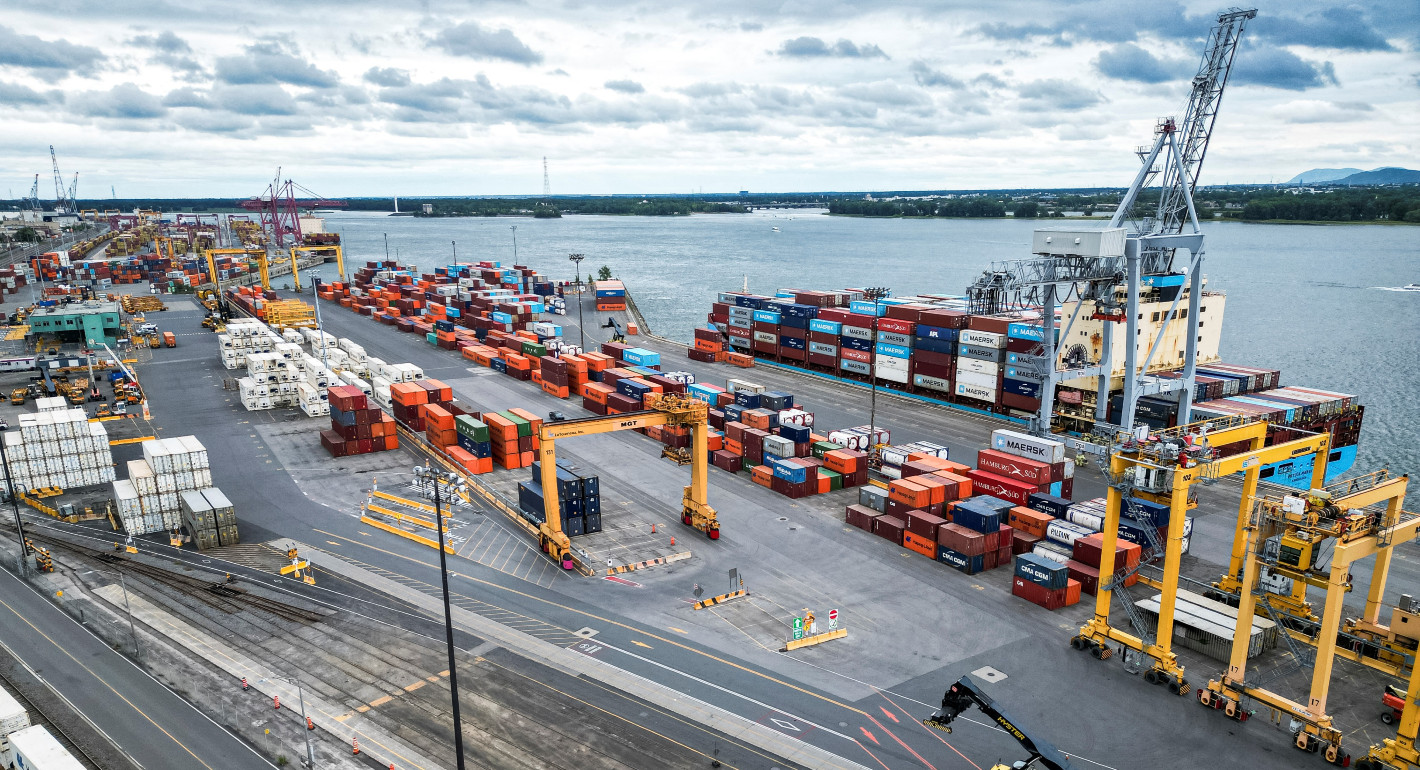
U.S. trading partners in Asia are closely watching the dispute for signs of how it may affect their own interests.

Barbara Weisel