

Commentary
Julia Choucair-Vizoso
{
  "authors": [
    "Julia Choucair-Vizoso"
  ],
  "type": "other",
  "centerAffiliationAll": "dc",
  "centers": [
    "Carnegie Endowment for International Peace"
  ],
  "collections": [],
  "englishNewsletterAll": "democracy",
  "nonEnglishNewsletterAll": "",
  "primaryCenter": "Carnegie Endowment for International Peace",
  "programAffiliation": "DCG",
  "programs": [
    "Democracy, Conflict, and Governance",
    "Middle East"
  ],
  "projects": [],
  "regions": [
    "Middle East",
    "Lebanon",
    "Syria"
  ],
  "topics": [
    "Political Reform",
    "Democracy",
    "Security"
  ]
}
REQUIRED IMAGE
The assassination of Lebanese Prime Minister Rafiq Hariri has forced the Lebanese to confront one another on the question of Syria’s role in the Lebanese political system and has pitted pro-Syria politicians with vested interests in the status quo against an increasingly vocal opposition movement backed by popular demonstrations.
The assassination of Lebanese Prime Minister Rafiq Hariri in a bomb blast in Beirut on February 14, 2005, has forced the Lebanese to confront one another on the question of Syria’s role in the Lebanese political system. The loss of such a prominent figure and the circumstances surrounding his assassination have pitted pro-Syria politicians with vested interests in the status quo against an increasingly vocal opposition movement backed by popular demonstrations.
Click on the link above for the full text of this Policy Outlook.
About the Author
Julia Choucair is assistant editor of the Carnegie Endowment’s Arab Reform Bulletin and project associate of the Carnegie Endowment’s Democracy and Rule of Law Project.
Former Editor in Chief, Sada
Julia Choucair Vizoso is editor in chief of the online journal, Sada. Her research interests include Middle Eastern politics, authoritarianism, and identity politics.
Recent Work
Julia Choucair-Vizoso
Julia Choucair-Vizoso
Carnegie does not take institutional positions on public policy issues; the views represented herein are those of the author(s) and do not necessarily reflect the views of Carnegie, its staff, or its trustees.
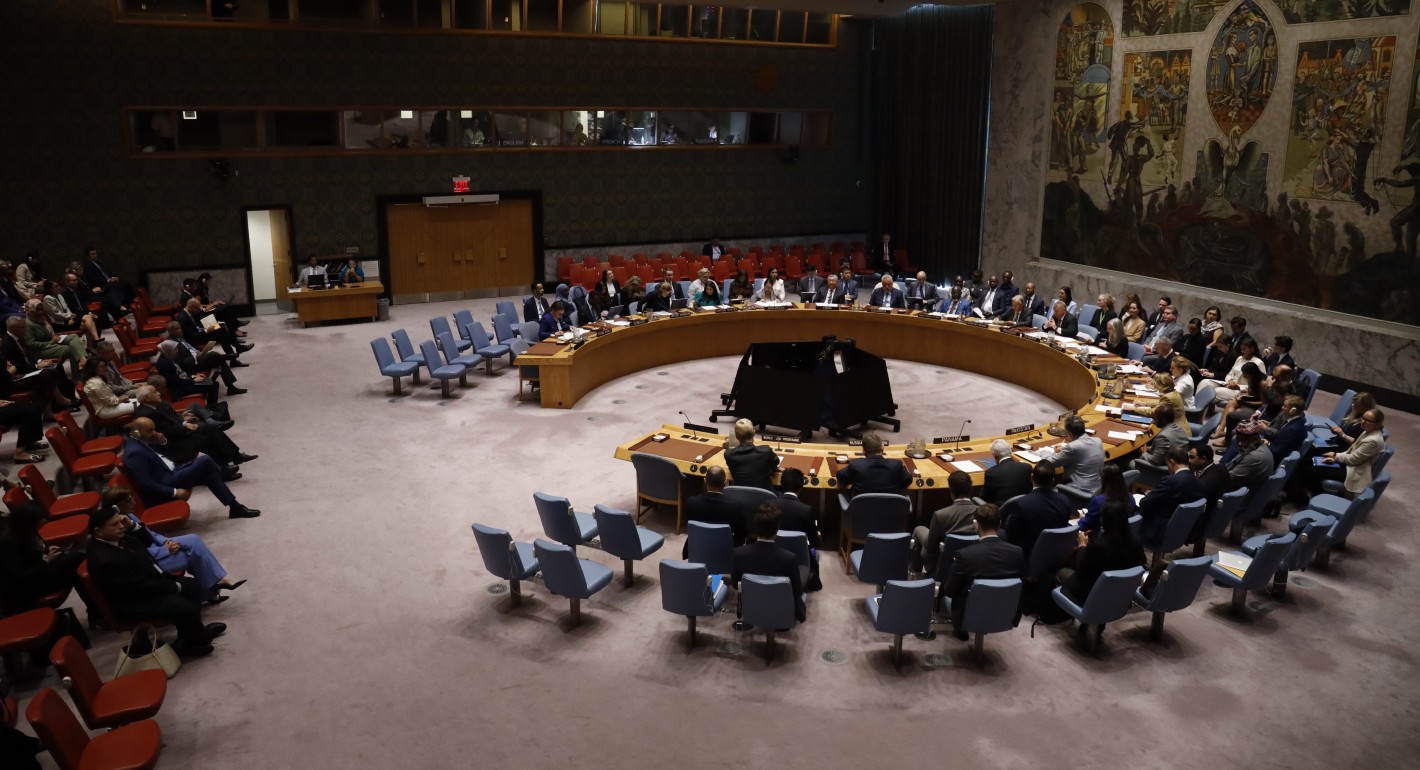
They face an uphill climb, but they could draw on a strategy that other diplomats have used in the past.


Shana Tabak, Alejandro Martin Rodriguez
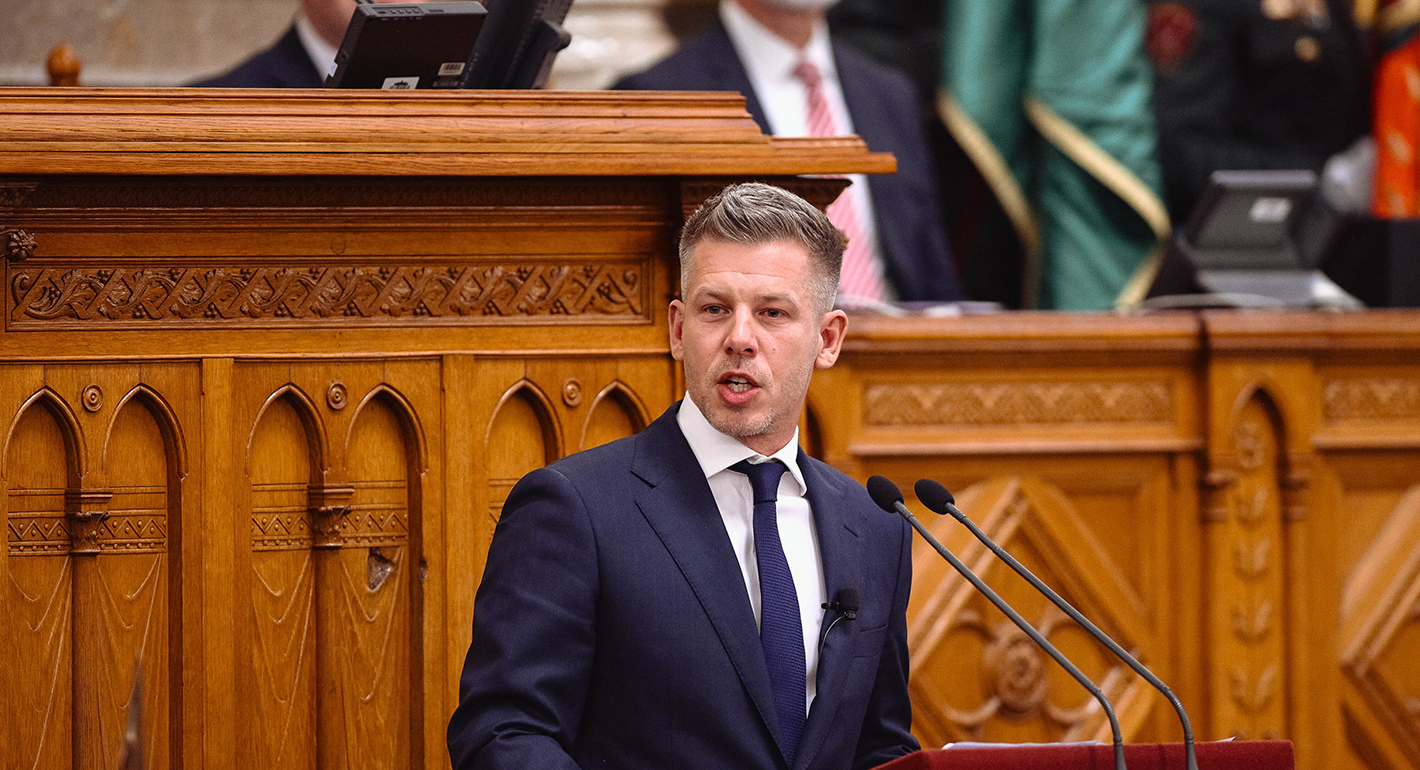
Despite myriad challenges and occasional stumbles, the new Hungarian government is moving ahead with energy and conviction to uproot years of illiberalism and corruption and rebuild Hungarian democracy.

Thomas Carothers

Understanding the climatic pain points is necessary for policymakers hoping to minimize the war’s negative environmental consequences.


Alejandro Martin Rodriguez, Joy Arkeh, Sarah Yerkes

Huawei pushed hard to enter the Egyptian data centers market, until the Americans made a better offer.

Angie Omar

Radical-right parties are expected to do well in upcoming elections in four of the EU's biggest member states. If successful, they could prevent the union from addressing key challenges ahead.

Stefan Lehne