

Commentary
Nathan J. Brown
{
  "authors": [
    "Nathan J. Brown"
  ],
  "type": "other",
  "centerAffiliationAll": "dc",
  "centers": [
    "Carnegie Endowment for International Peace"
  ],
  "collections": [],
  "englishNewsletterAll": "democracy",
  "nonEnglishNewsletterAll": "",
  "primaryCenter": "Carnegie Endowment for International Peace",
  "programAffiliation": "DCG",
  "programs": [
    "Democracy, Conflict, and Governance",
    "Middle East"
  ],
  "projects": [],
  "regions": [
    "North America",
    "United States",
    "Middle East",
    "Egypt"
  ],
  "topics": [
    "Political Reform",
    "Democracy",
    "Economy"
  ]
}
REQUIRED IMAGE
In a startling development this month, the Egyptian Judges Club decided to boycott their constitutionally mandated role of supervising upcoming elections. Is the Egyptian judiciary on a quest to transform Mubarak’s regime? Rather than a bold move toward regime change, this is a calibrated confrontation with narrower aims: to secure judicial reform and support electoral reform.
In a startling development this month, the Egyptian Judges Club decided to boycott their constitutionally mandated role of supervising upcoming elections. Is the Egyptian judiciary on a quest to transform Mubarak’s regime? In a new Carnegie Endowment Policy Outlook, Arab constitutionalism expert
Click on link above for the full text of this Policy Outlook.
About the Author
Nathan J. Brown is a senior associate in the Democracy and Rule of Law Project at the Carnegie Endowment for International Peace. He is an expert on Arab constitutionalism and has written several books on Arab politics.

Nonresident Senior Fellow, Middle East Program
Nathan J. Brown, a professor of political science and international affairs at George Washington University, is a distinguished scholar and author of nine books on Arab politics and governance, as well as editor of five books.
Recent Work
Nathan J. Brown
Nathan J. Brown
Carnegie does not take institutional positions on public policy issues; the views represented herein are those of the author(s) and do not necessarily reflect the views of Carnegie, its staff, or its trustees.

The books, podcasts, and films that explain the world it made.

Andrew Leber

U.S. trading partners in Asia are closely watching the dispute for signs of how it may affect their own interests.

Barbara Weisel
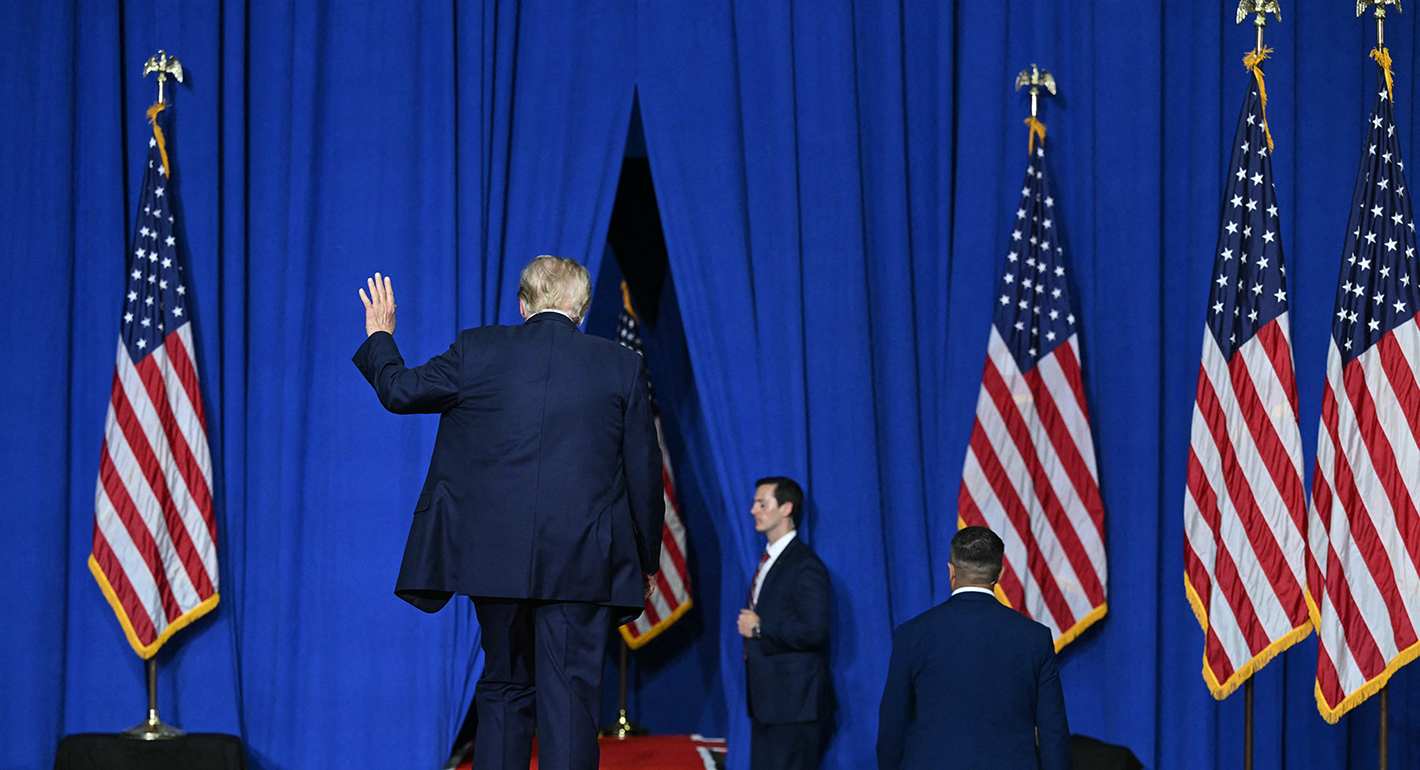
By abandoning past U.S. pro-democracy policies and adopting several lines of pro-autocratic action, the Trump administration has fundamentally repositioned the United States vis-à-vis democracy in the world.

Thomas Carothers
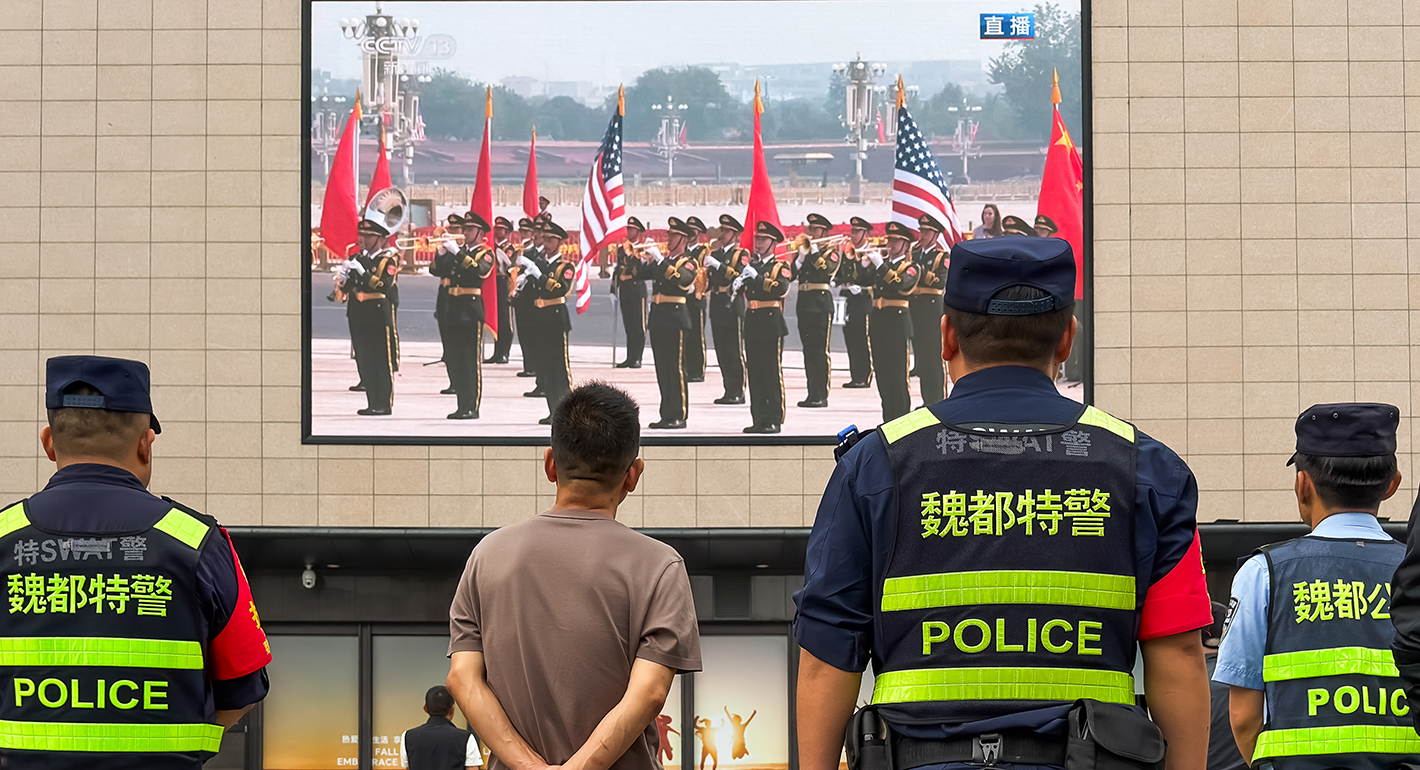
Chinese strategists are once again debating whether American power is declining and whether U.S. hegemony is experiencing irreversible decay.
Wu Xinbo

In the tenth year of his presidency, President Mirziyoyev’s system is becoming even more personalized than that of his predecessor Karimov.

Galiya Ibragimova