

Article
Amr Hamzawy
{
  "authors": [
    "Amr Hamzawy"
  ],
  "type": "other",
  "centerAffiliationAll": "dc",
  "centers": [
    "Carnegie Endowment for International Peace"
  ],
  "collections": [],
  "englishNewsletterAll": "democracy",
  "nonEnglishNewsletterAll": "",
  "primaryCenter": "Carnegie Endowment for International Peace",
  "programAffiliation": "DCG",
  "programs": [
    "Democracy, Conflict, and Governance",
    "Middle East"
  ],
  "projects": [],
  "regions": [
    "Middle East",
    "Egypt"
  ],
  "topics": [
    "Political Reform",
    "Democracy"
  ]
}
REQUIRED IMAGE
In Egypt’s first-ever multicandidate presidential election on September 7, opponents to President Mubarak’s regime performed poorly, and Mubarak swept the election with 88.6 percent of the vote to secure his fifth presidential term. But is this landslide victory a mandate for the ruling party’s power and policies?
Source: Carnegie Endowment
In Egypt’s first-ever multicandidate presidential election on September 7, opponents to President Mubarak’s regime performed poorly, and Mubarak swept the election with 88.6 percent of the vote to secure his fifth presidential term. But is this landslide victory a mandate for the ruling party’s power and policies? Or does the election outcome merely signify Egyptian opposition’s current marginality, which must be overcome to bolster democratic reforms?
In this new Policy Outlook, Carnegie Senior Associate Amr Hamzawy provides analyses of the opposition’s strategies and performance in the presidential election. He argues that the National Democratic Party’s continued entrenchment in state institutions and the ongoing partial repression of political activity are major factors in the weakness of the opposition. In addition, Hamzawy states that the opposition forces’ own internal weaknesses and miscalculations have also contributed to their problematic situation. Without well-defined platforms, Egypt’s opposition will lose credibility and remain unable to mobilize broad constituencies for political reform.
Click on the link above for the full text of this Policy Outlook.
About the Author
Amr Hamzawy is a senior associate in the Democracy and Rule of Law Project at the Carnegie Endowment.

Director, Middle East Program
Amr Hamzawy is a senior fellow and the director of the Carnegie Middle East Program. His research and writings focus on Egypt’s and other middle powers’ involvement in regional security in the Middle East, particularly through collective diplomacy and multilateral conflict resolution
Recent Work
Amr Hamzawy


Amr Hamzawy, Andrew Leber, Eric Lob, …
Carnegie does not take institutional positions on public policy issues; the views represented herein are those of the author(s) and do not necessarily reflect the views of Carnegie, its staff, or its trustees.
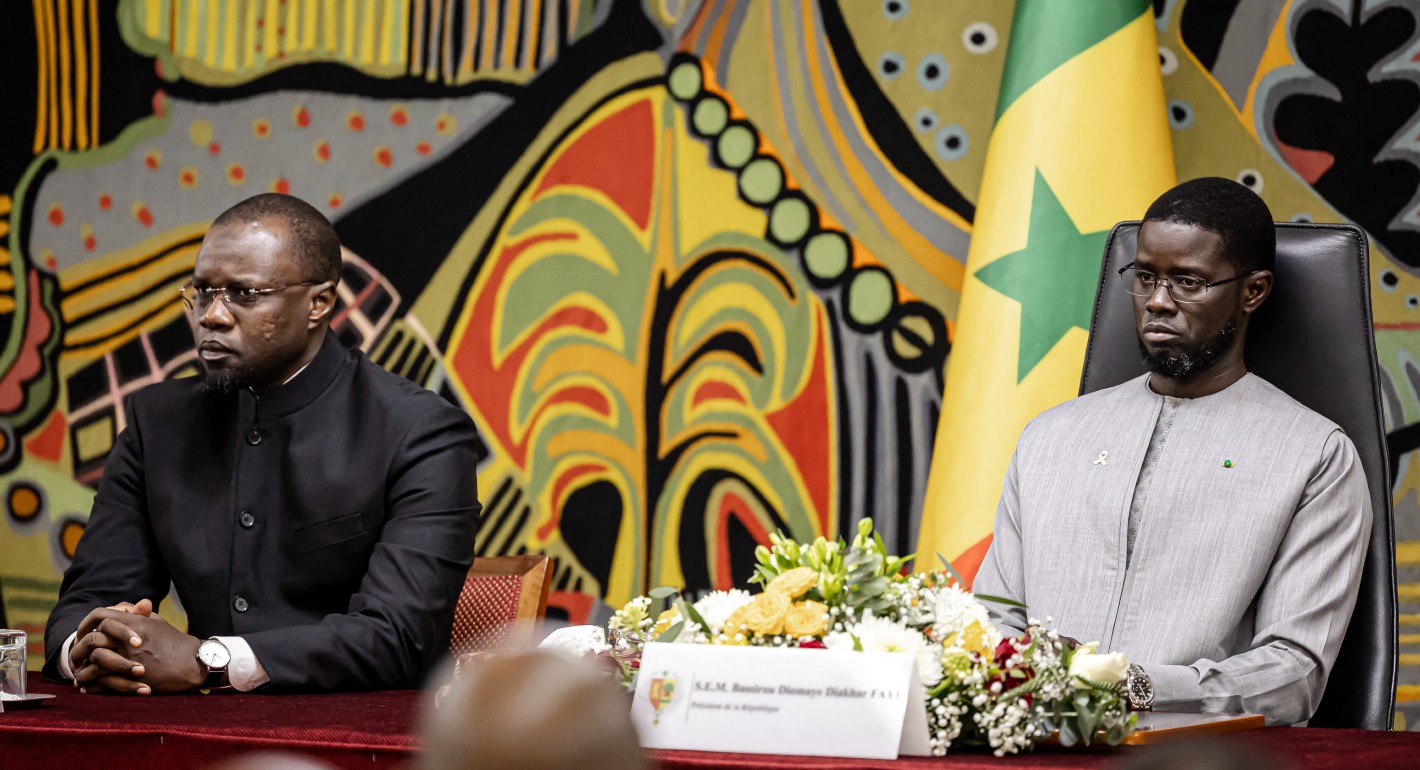
The impacts of the Faye-Sonko rupture could go well beyond the country’s borders.

Lesley Anne Warner
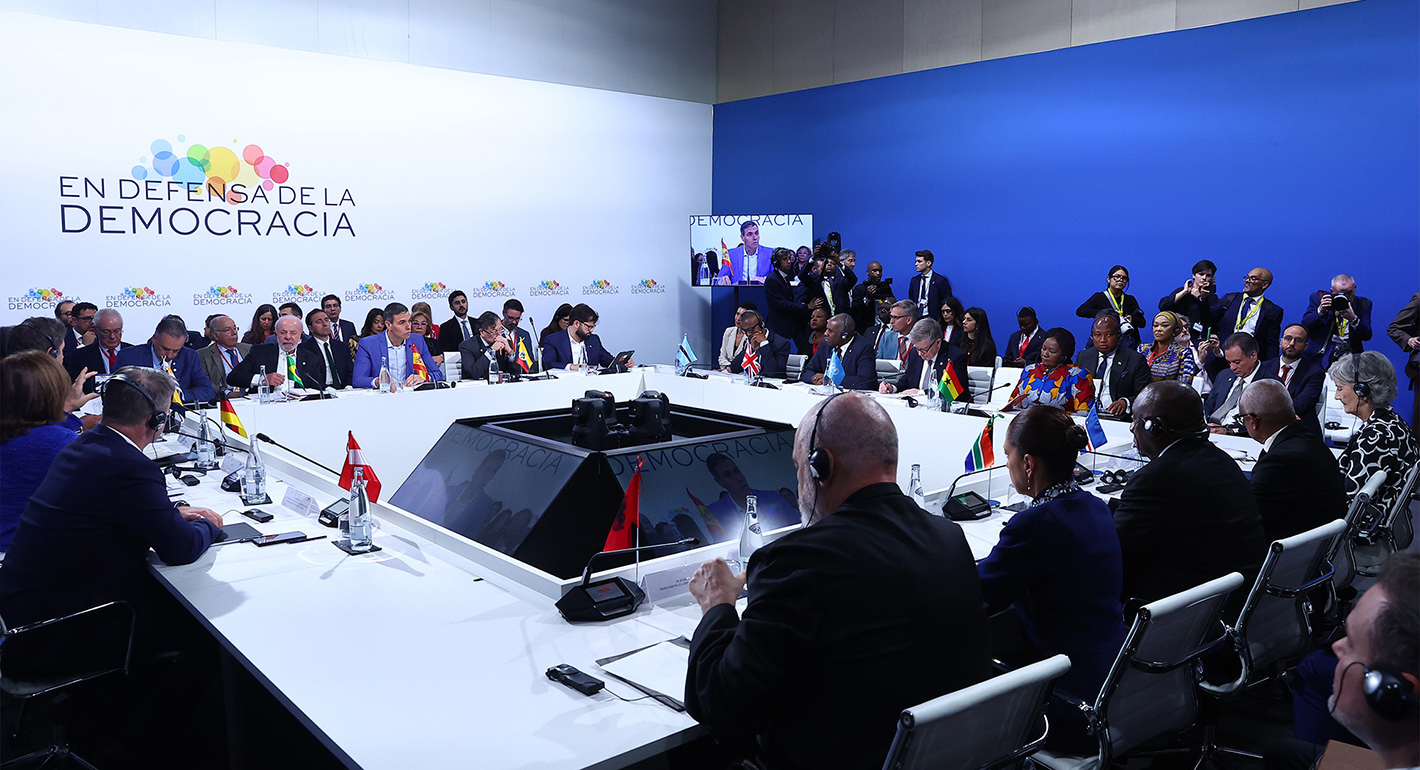
The reinvention of democracy support needs to be carried forward without the clear leadership of one dominant player.


Richard Youngs, Thomas Carothers
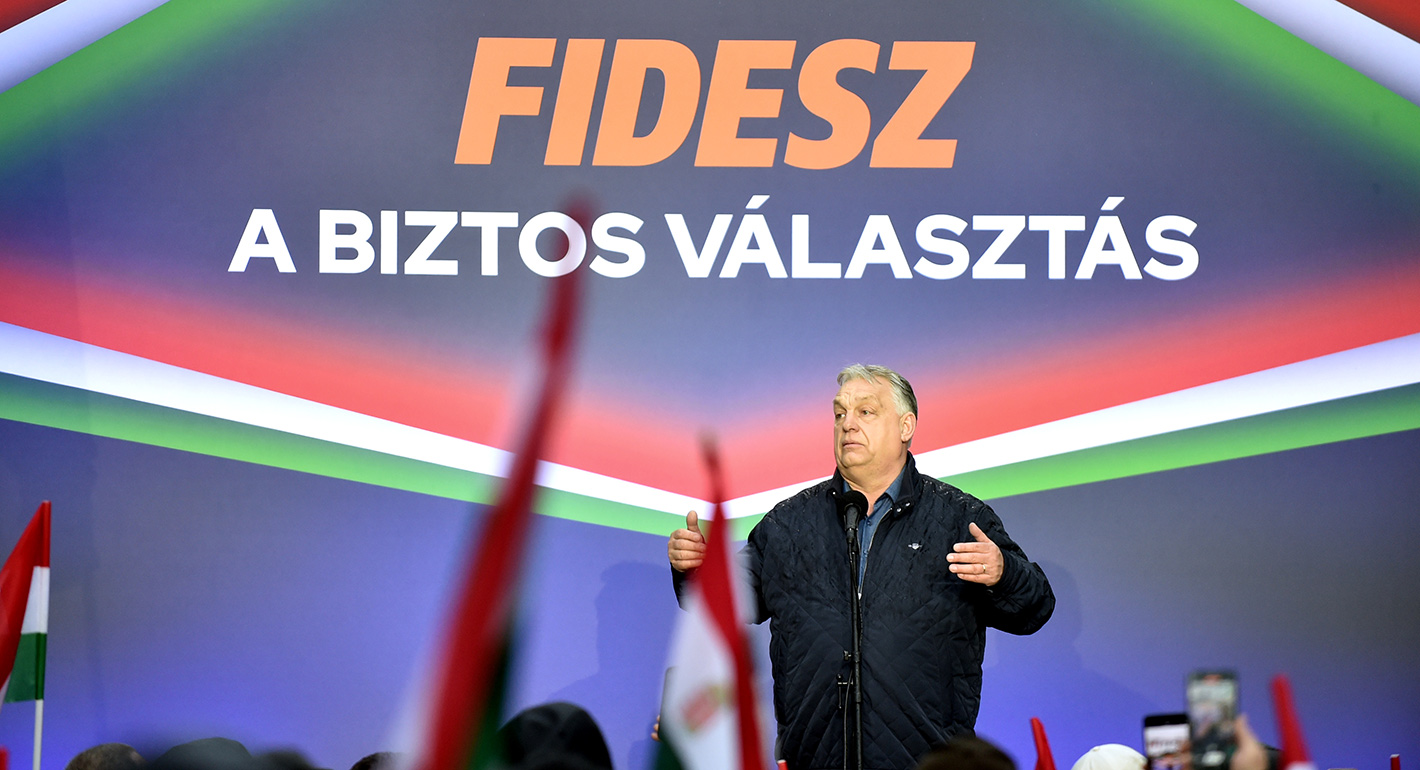
Hungary under Viktor Orbán deployed right-wing populism as a foreign policy strategy, embedding the country in a web of illiberal transnational networks whose legacy will endure even after his April 2026 electoral defeat.
Zsuzsanna Végh
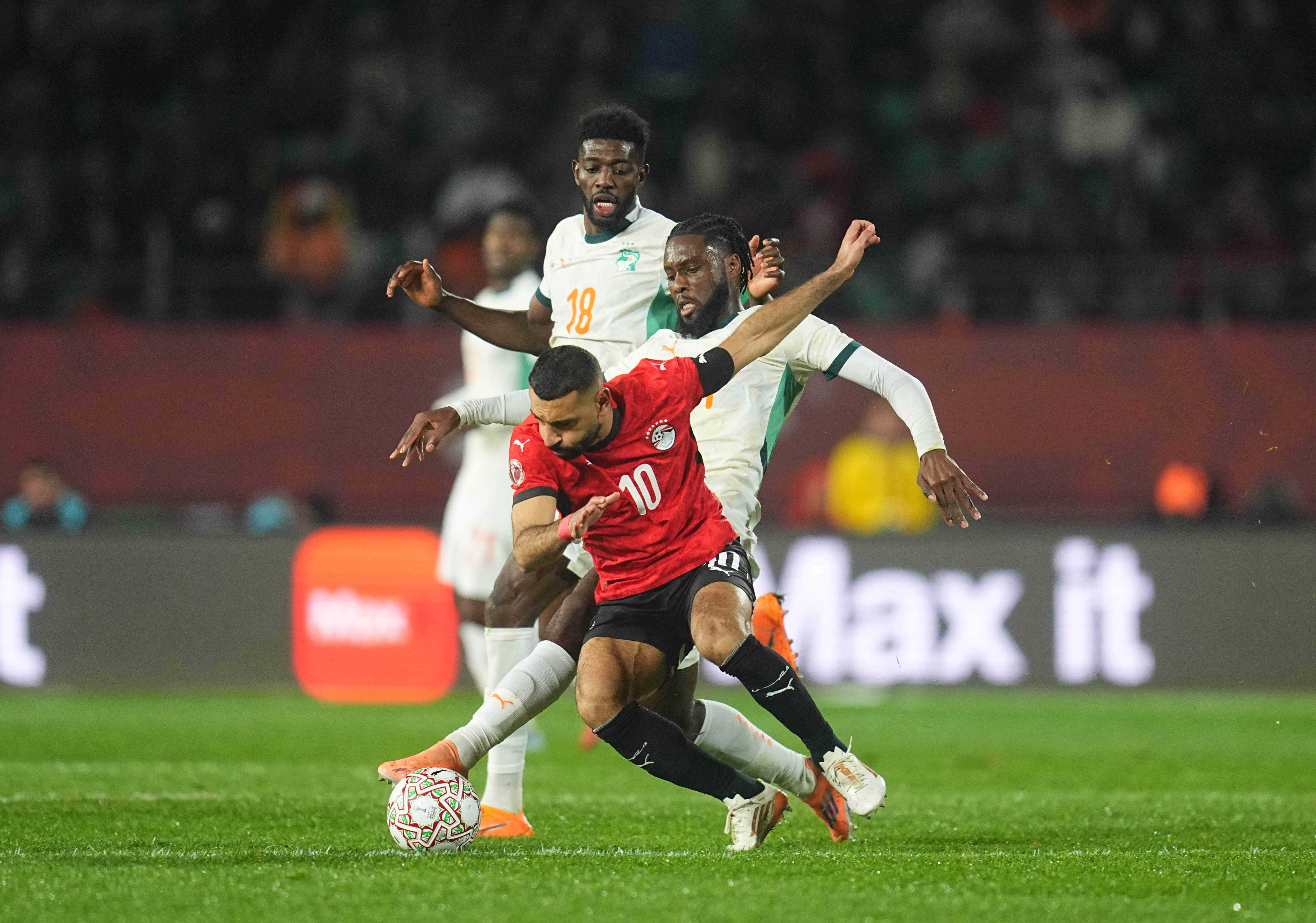
This will be the region’s most representative tournament, amid broad changes in its footballing landscape.

Issam Kayssi
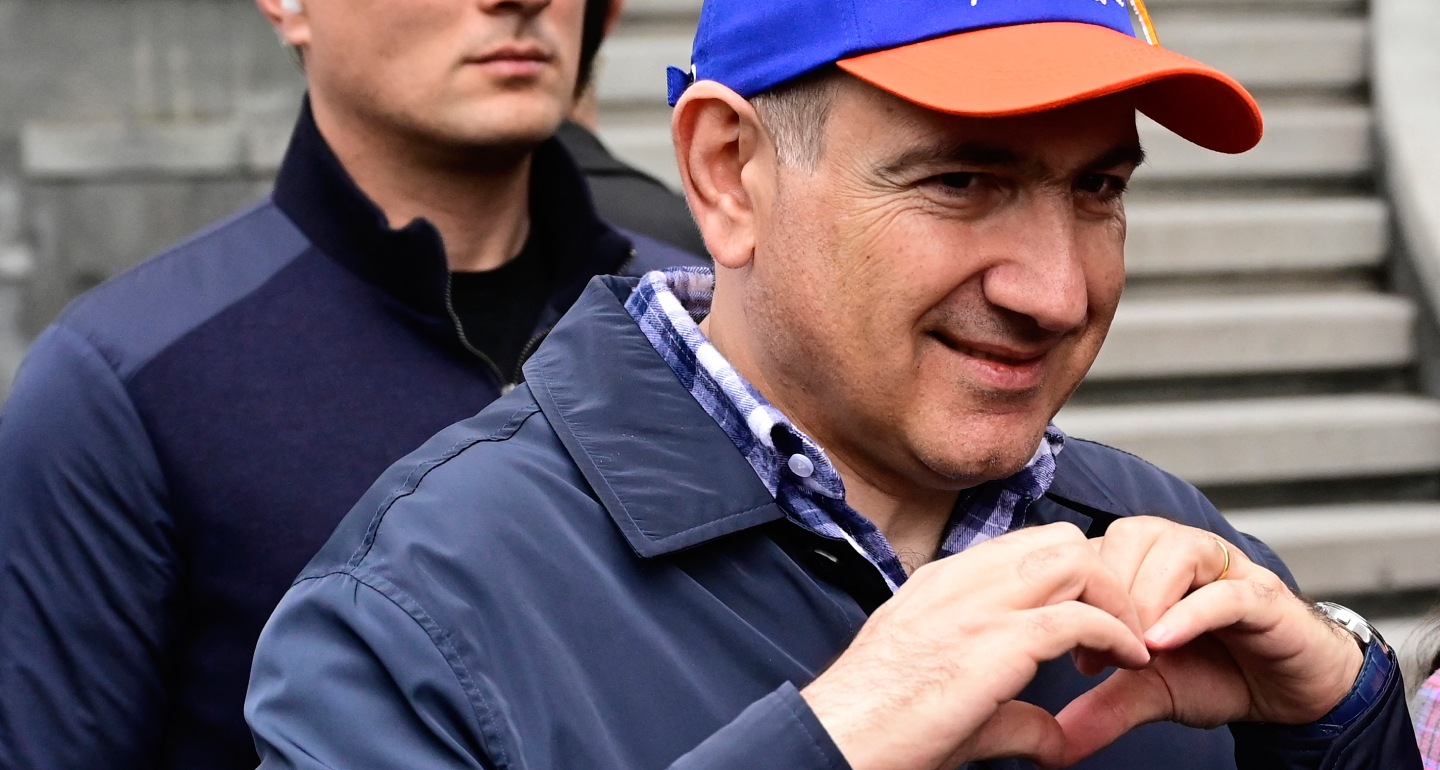
By fueling the arguments of both supporters and opponents of Armenian Prime Minister Nikol Pashinyan, Azerbaijan wants to ensure he is re-elected with a weaker mandate.

Bashir Kitachaev