

Article
In an effort to disseminate its preferred message, the Iranian regime is offering a simple transaction: connectivity for amplification.
Mahsa Alimardani
{
  "authors": [],
  "type": "testimony",
  "centerAffiliationAll": "",
  "centers": [
    "Carnegie Endowment for International Peace"
  ],
  "collections": [],
  "englishNewsletterAll": "",
  "nonEnglishNewsletterAll": "",
  "primaryCenter": "Carnegie Endowment for International Peace",
  "programAffiliation": "",
  "programs": [],
  "projects": [],
  "regions": [
    "North America",
    "South America",
    "Middle East",
    "North Africa",
    "Southern, Eastern, and Western Africa",
    "Western Europe"
  ],
  "topics": [
    "Economy",
    "Trade"
  ]
}
REQUIRED IMAGE
EU Trade Commissioner Peter Mandelson recommends Carnegie's new study, Winners and Losers: Impact of the Doha Round on Developing Countries.
EU Trade Commissioner Peter Mandelson has told the European Parliament that a successful Doha Agreement remains possible if all parties to the negotiations accept the need to come together in an ambitious final move that reflects the needs of all players. He argued that "the time of incremental steps, small moves and small concessions, is over."
In a speech to the International Trade Committee of the European Parliament in Brussels on March 21, Commissioner Mandelson also spoke about a new Carnegie report, Winners and Losers: Impact of the Doha Round on Developing Countries:
"I want to draw your attention to a study published this month by the Carnegie Endowment entitled 'Winners and Losers: Impact of the Doha round on Developing Countries.' This excellent study is essentially a warning. It cautions against seeing simple liberalisation in the Doha Round as a panacea for development.
"The Carnegie research reminds us that the bulk of the benefits of agricultural liberalization are limited to developed countries and a core group of highly competitive farm exporters - especially Brazil, Argentina and South Africa, and that exemptions from tariff cuts, policy space to support agricultural development and small scale farming, and the impact of preference erosion in poorer developing countries when faced with steep farm tariff reductions in the developed world should be taken into account. For all these reasons, the Carnegie research suggests that the key gains for developing countries in the DDA lie not in agriculture but in trade in industrial goods, especially in labor-intensive industries like shoes and textiles. These are arguments that the EU has long accepted and that others – including some in the NGO community - would do well to absorb."
Carnegie does not take institutional positions on public policy issues; the views represented herein are those of the author(s) and do not necessarily reflect the views of Carnegie, its staff, or its trustees.
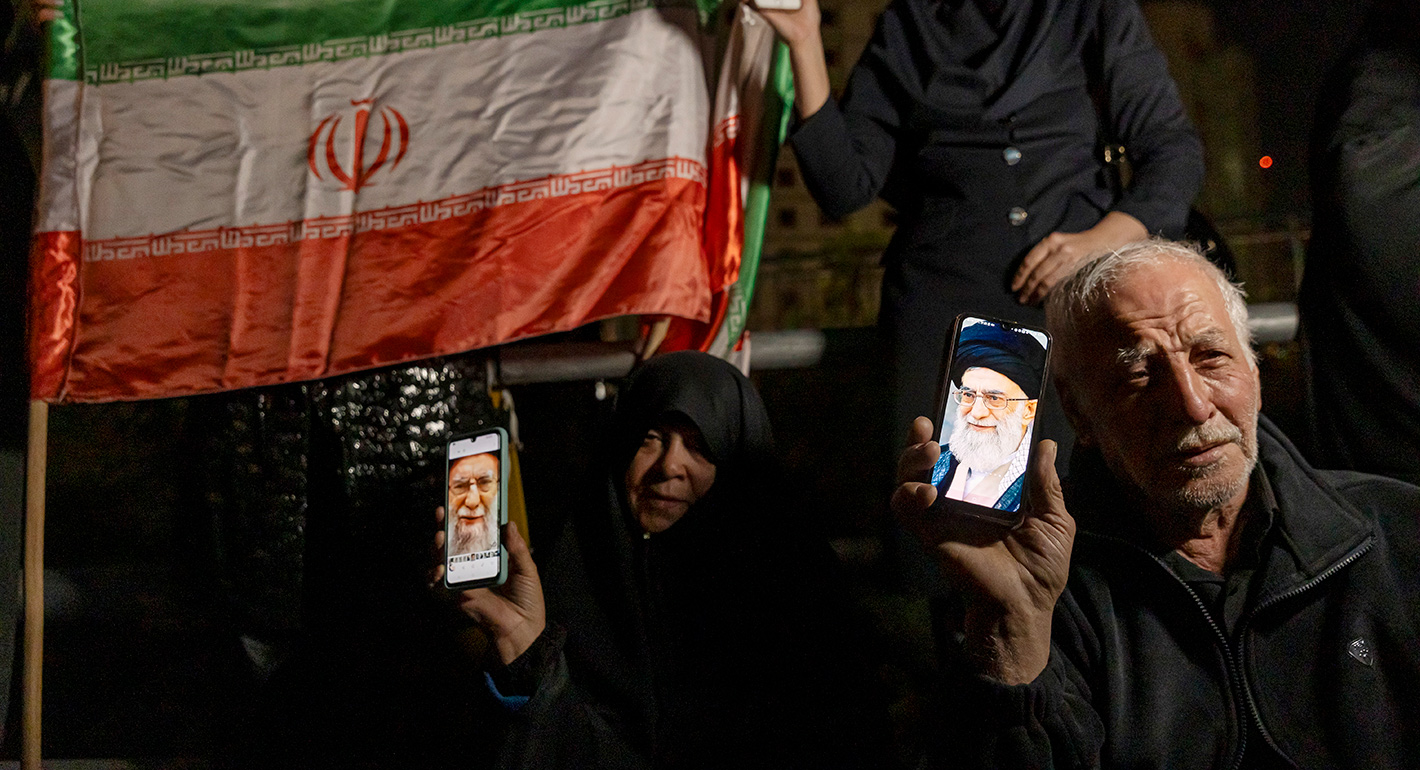
In an effort to disseminate its preferred message, the Iranian regime is offering a simple transaction: connectivity for amplification.

Mahsa Alimardani
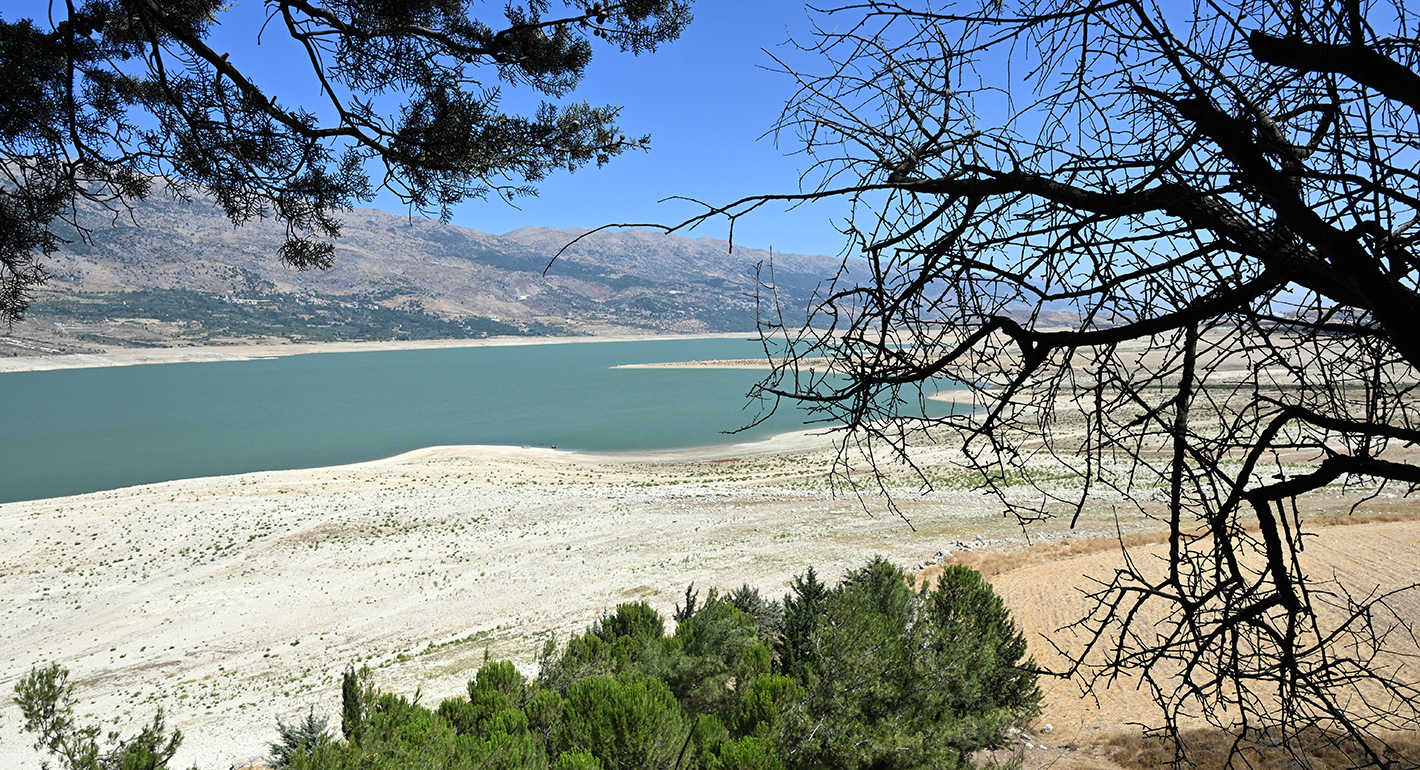
Lebanon is caught in a cycle of financial meltdown, political instability, and climate change.
Ilda Nahas
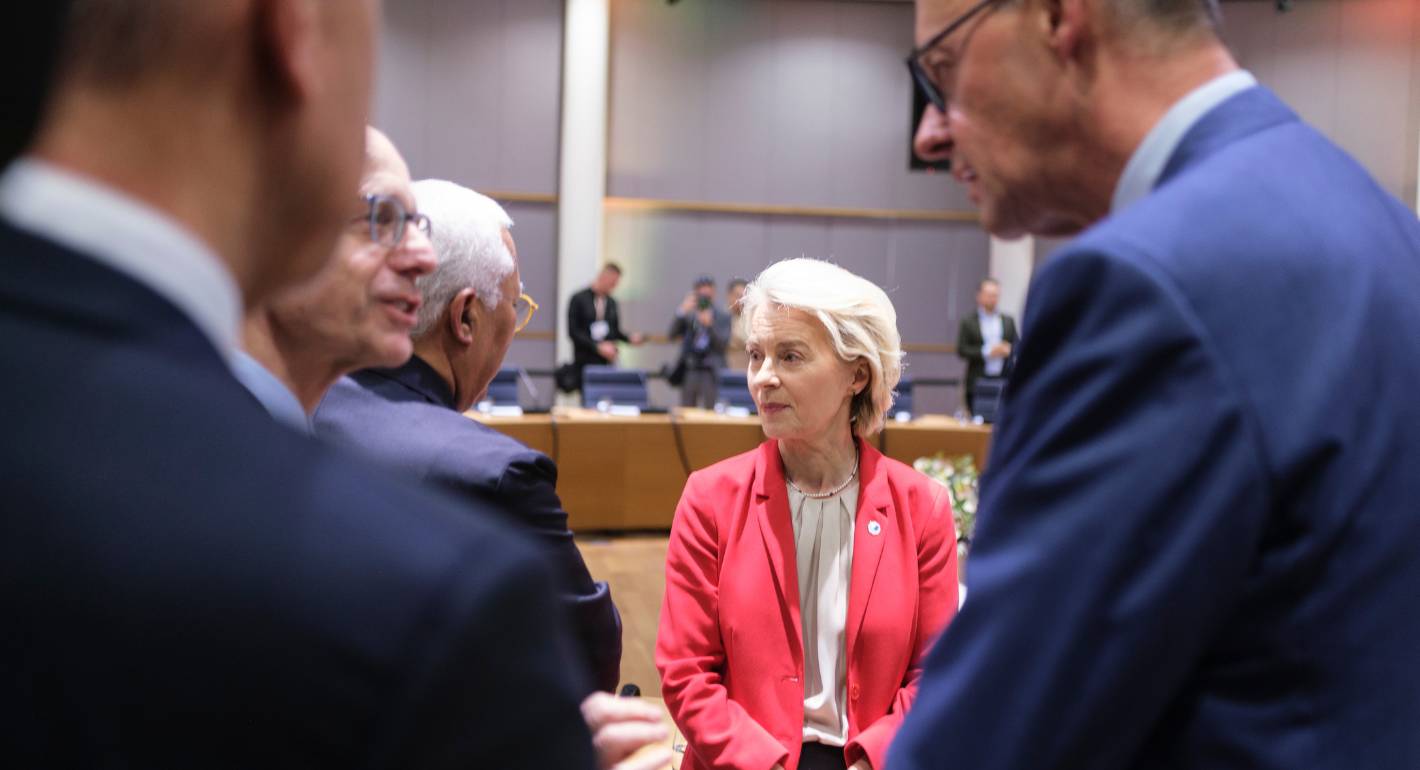
The war in Iran proves the United States is now a destabilizing actor for Europe and the Arab Gulf. From protect their economies and energy supplies to safeguarding their territorial integrity, both regions have much to gain from forming a new kind of partnership together.

Rym Momtaz

Stakeholders must demand major restructuring of the Board of Peace and robust oversight and transparency before engaging with it. Until then, rights-respecting existing platforms and mechanisms for multilateral peacemaking should be supported.

Zaha Hassan, Charles H. Johnson
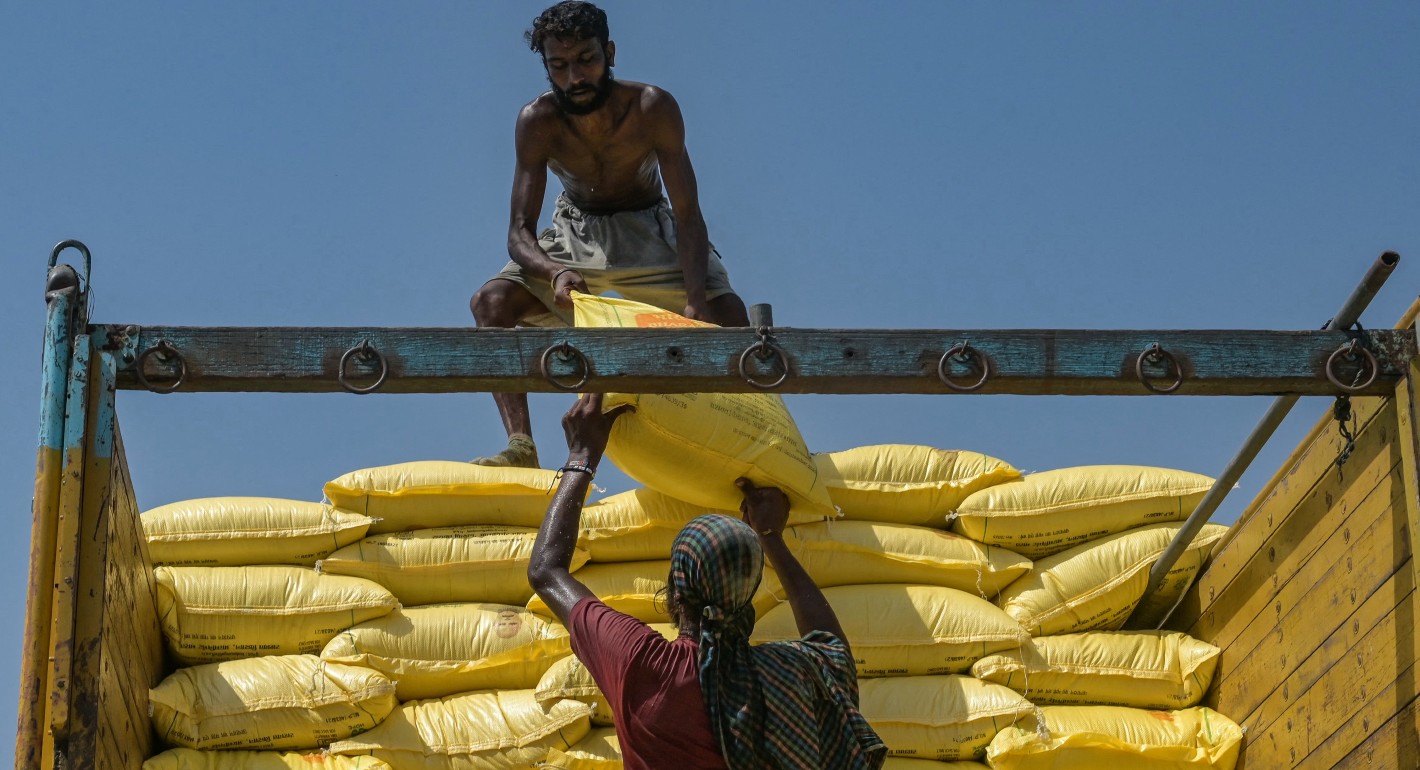
Even if the Iran war stops, restarting production and transport for fertilizers and their components could take weeks—at a crucial moment for planting.

Noah Gordon, Lucy Corthell