

Commentary
In an interview, Ian Lustick and Eli Clifton discuss their new book on why a prominent ally has so much influence in America.
Michael Young
{
  "authors": [
    "Josh Kurlantzick",
    "Joshua Eisenman"
  ],
  "type": "legacyinthemedia",
  "centerAffiliationAll": "dc",
  "centers": [
    "Carnegie Endowment for International Peace"
  ],
  "collections": [],
  "englishNewsletterAll": "asia",
  "nonEnglishNewsletterAll": "",
  "primaryCenter": "Carnegie Endowment for International Peace",
  "programAffiliation": "AP",
  "programs": [
    "Asia"
  ],
  "projects": [],
  "regions": [
    "Sudan",
    "China"
  ],
  "topics": [
    "Economy",
    "Military",
    "Foreign Policy"
  ]
}
REQUIRED IMAGE
Source: Current History
A decade ago, China’s influence in Africa was limited. Its aid programs were hardly significant, its diplomats relatively unskilled. And many Chinese were unsure about their country’s role as an international actor. In most international forums, China did little other than defend core interests, like the “one China” principle. Recently, however, continued strong economic growth, a more sophisticated generation of Chinese leaders, better scholarship in China on Africa, and a domestic population more confident in China as a global actor have encouraged Beijing to take a more proactive approach to foreign affairs.
Beijing’s motives are clear. China’s growing industries demand new energy and raw material suppliers; its exporters want markets; its diplomats require support in international organizations; and its propaganda still seeks support from allies to advance Chinese interests and, when necessary, to counter the United States.
For the full text of this article, please click on the link to the right.
This article originally appeared in Current History, May 2006.

Former Visiting Scholar, China Program
A special correspondent for The New Republic, a columnist for Time, and a senior correspondent for The American Prospect, Kurlantzick assesses China’s relationship with the developing world, including Southeast Asia, Africa, and Latin America.
Joshua Eisenman
Carnegie does not take institutional positions on public policy issues; the views represented herein are those of the author(s) and do not necessarily reflect the views of Carnegie, its staff, or its trustees.

In an interview, Ian Lustick and Eli Clifton discuss their new book on why a prominent ally has so much influence in America.

Michael Young

The Plaza Accord was not an externally imposed punishment of Japan but part of a broader restructuring that Japanese economists and policymakers themselves recognized was necessary. Its effects were undermined, however, when Tokyo responded to the resulting slowdown with policies that exacerbated investment, credit expansion, and the very imbalances the adjustment was intended to resolve.

Michael Pettis
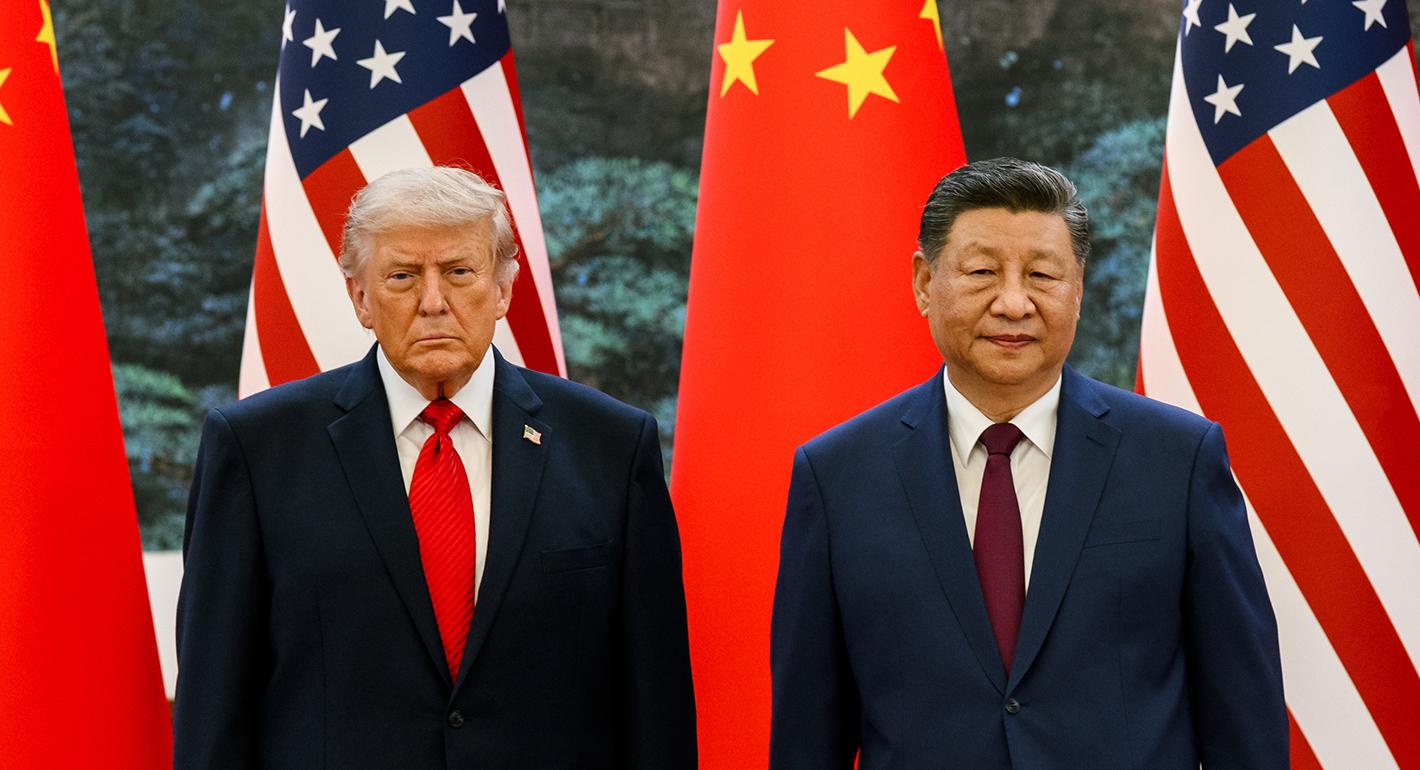
The real test may come after the leaders leave the room.



Sheena Chestnut Greitens, Oriana Skylar Mastro, Yukon Huang, …

The Horn of Africa countries are among those facing a new security calculus.


Andrew Leber, Lesley Anne Warner

The new U.S.–Denmark–Greenland agreement will help Washington exert political, economic, and financial dominance under the guise of security. Yet, it acknowledged Copenhagen’s and Nuuk’s sovereignty on the island.

Marc Pierini