

Q&A
Suzanne Maloney, Aaron David Miller, Karim Sadjadpour
{
  "authors": [
    "Karim Sadjadpour"
  ],
  "type": "legacyinthemedia",
  "centerAffiliationAll": "dc",
  "centers": [
    "Carnegie Endowment for International Peace"
  ],
  "collections": [],
  "englishNewsletterAll": "menaTransitions",
  "nonEnglishNewsletterAll": "",
  "primaryCenter": "Carnegie Endowment for International Peace",
  "programAffiliation": "MEP",
  "programs": [
    "Middle East"
  ],
  "projects": [],
  "regions": [
    "North America",
    "United States",
    "Middle East",
    "Iran"
  ],
  "topics": [
    "Political Reform",
    "Foreign Policy"
  ]
}
Source: Getty
Source: The Newshour with Jim Lehrer

Iran-American academic Haleh Esfandiari, director of the
Middle East program at the Woodrow Wilson International Center for Scholars in
Washington, was taken into custody Dec. 30 during a visit to Iran and
interrogated for months. Last week, she was arrested and sent to Tehran's Evin
prison. Carnegie's Karim Sadjadpour appeared on the Newshour with
Former Rep. Lee Hamilton, president of the Wilson Center, to talk about her
jailing and what cases such as hers say about Iran's regime.
Click
here to listen to the broadcast or to read
transcripts.

Senior Fellow, Middle East Program
Karim Sadjadpour is a senior fellow at the Carnegie Endowment for International Peace, where he focuses on Iran and U.S. foreign policy toward the Middle East.
Recent Work


Suzanne Maloney, Aaron David Miller, Karim Sadjadpour

Aaron David Miller, Karim Sadjadpour, Robin Wright
Carnegie does not take institutional positions on public policy issues; the views represented herein are those of the author(s) and do not necessarily reflect the views of Carnegie, its staff, or its trustees.

In the discussions made possible by the State Duma election campaign, one question is being asked more and more loudly. “What next?”

Andrey Pertsev
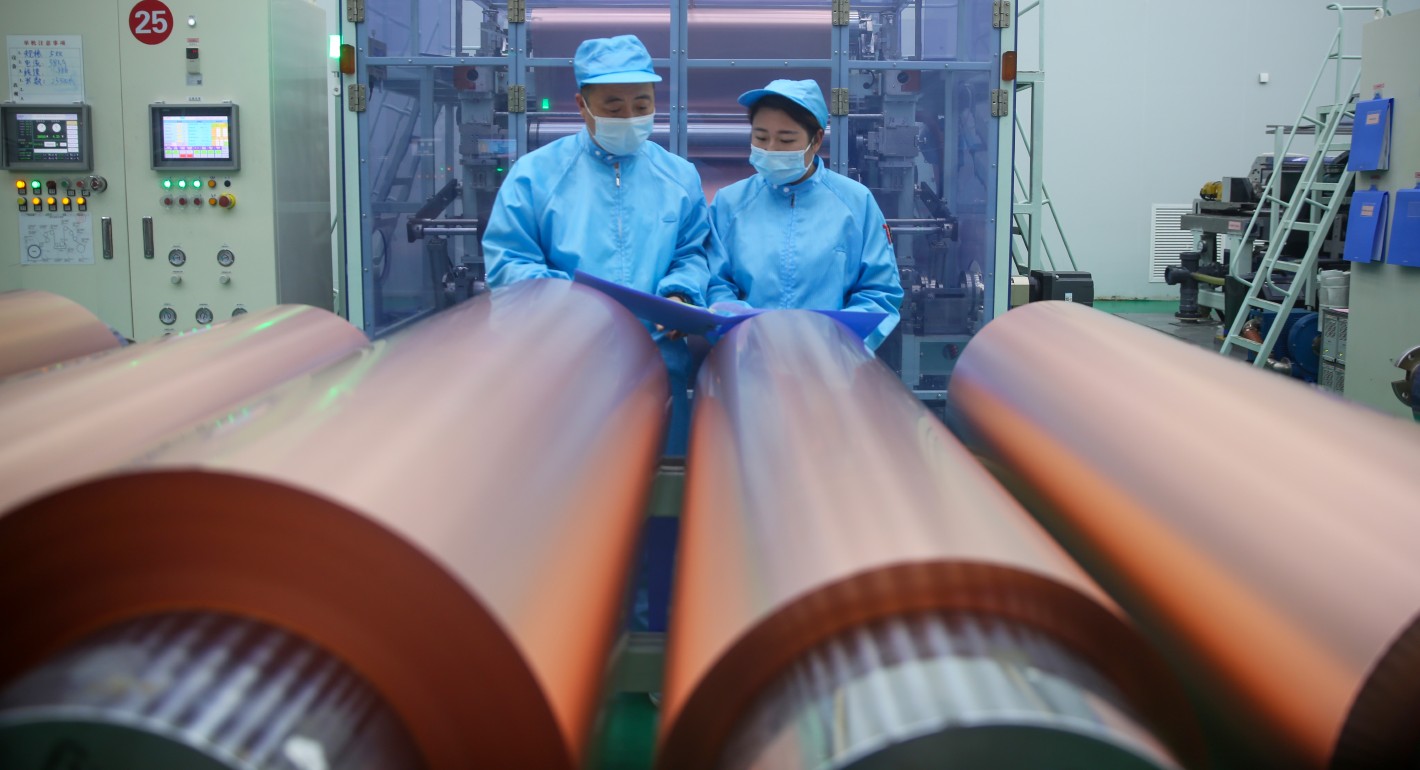
Over the past decade, China has moved from marginal player to major producer of all things batteries. The United States, Europe, and others are aiming to balance the market.

Milo McBride
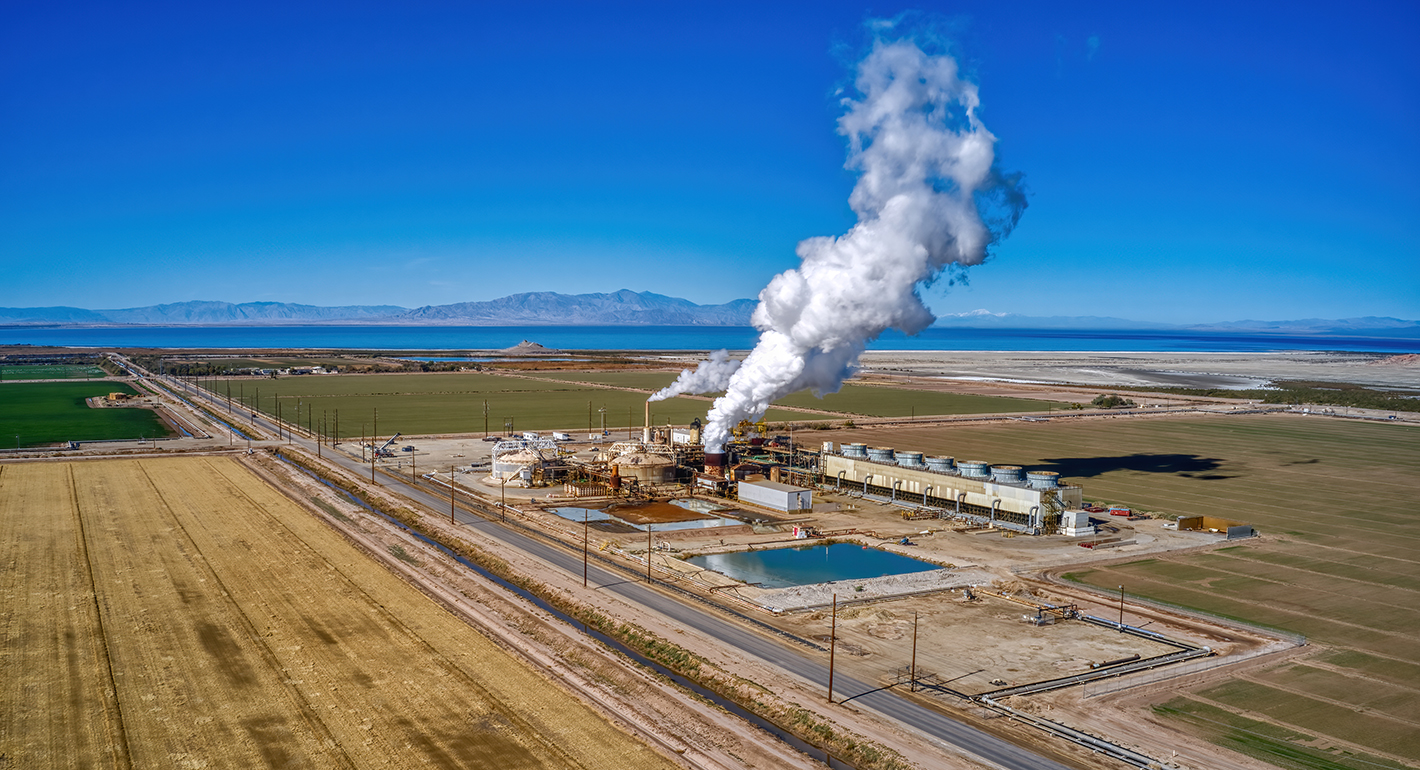
The DFC should focus on advanced, low-carbon energy sources, prioritizing areas where the United States has comparative advantages.
Noah Gordon, Liana Schmitter-Emerson
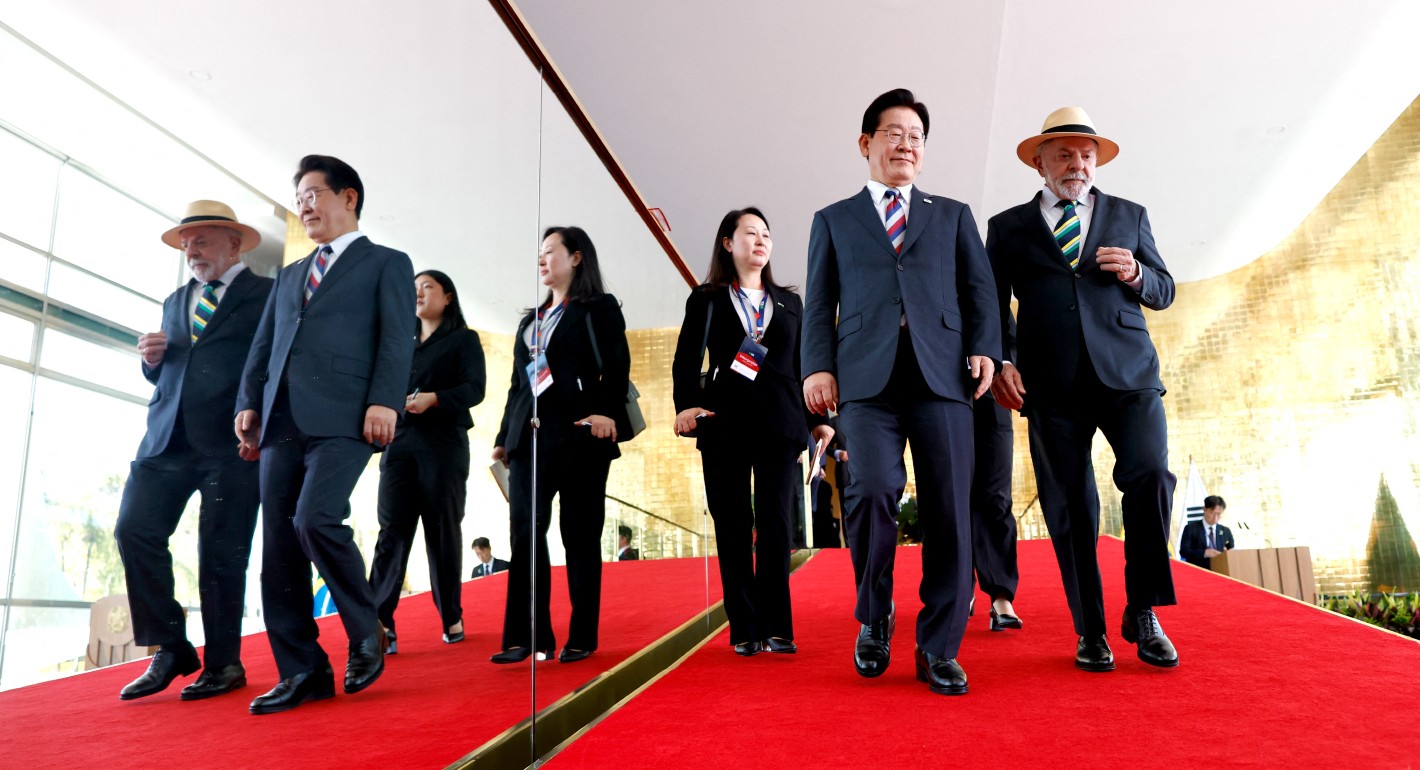
Lee’s tour shows how Seoul is reorganizing its diplomacy away from Pyongyang and toward industrial networks and the geography of the compute economy.

Darcie Draudt-Véjares
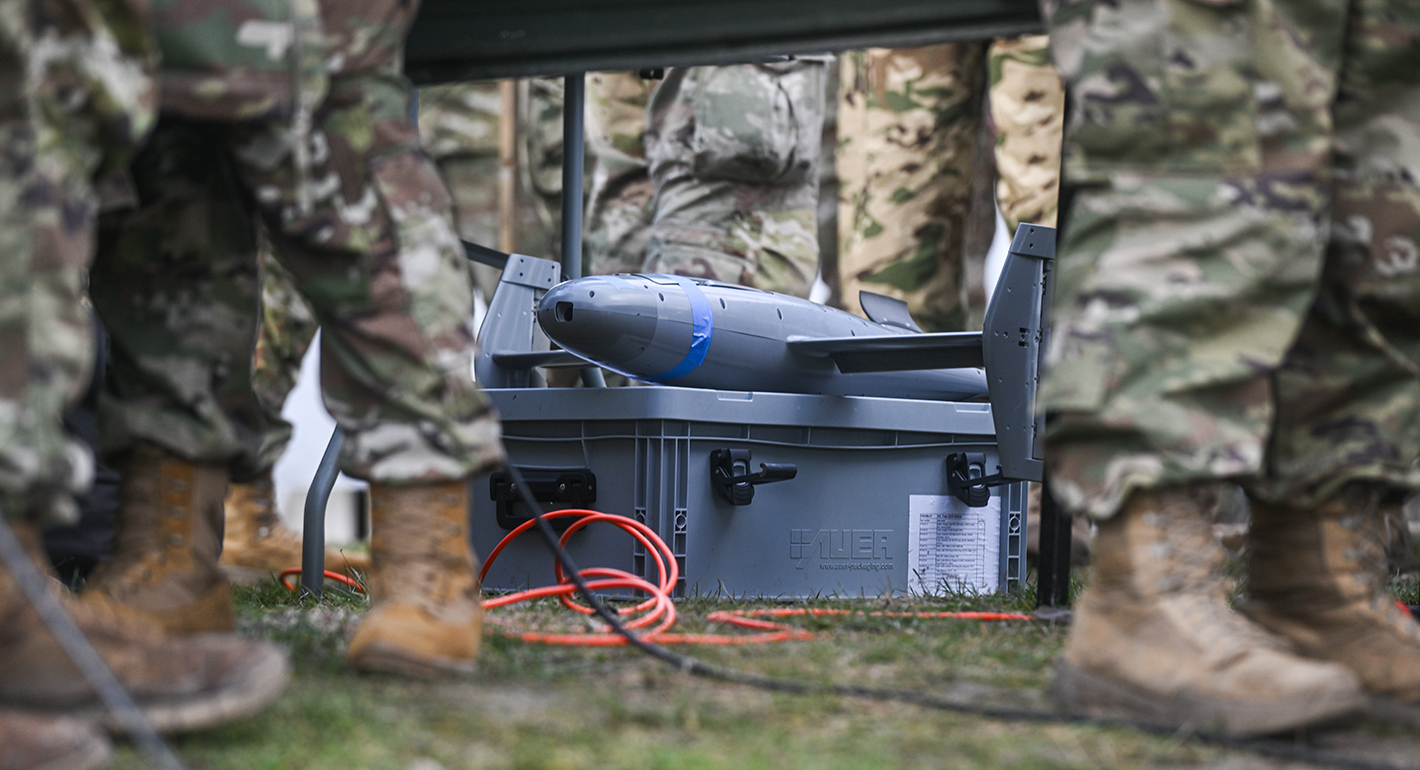
The Pentagon is calling for a rapid AI transformation. Autonomous drones offer a case study in the eight bottlenecks the U.S. military must navigate to realize that vision.
Jake Steckler