

Commentary
Despite unhappiness on the ground, Moscow is determined to use both carrot and stick to ensure there is record support for United Russia in occupied Ukraine.
Konstantin Skorkin
{
  "authors": [],
  "type": "pressRelease",
  "centerAffiliationAll": "dc",
  "centers": [
    "Carnegie Endowment for International Peace"
  ],
  "collections": [],
  "englishNewsletterAll": "ctw",
  "nonEnglishNewsletterAll": "",
  "primaryCenter": "Carnegie Endowment for International Peace",
  "programAffiliation": "NPP",
  "programs": [
    "Nuclear Policy",
    "Middle East"
  ],
  "projects": [],
  "regions": [
    "Middle East",
    "Iran"
  ],
  "topics": [
    "Foreign Policy",
    "Nuclear Policy"
  ]
}
REQUIRED IMAGE
FOR IMMEDIATE RELEASE: June 20, 2007
- NEWS RELEASE -
WASHINGTON, June 20--While the historic May 29 talks between the United States and Iran in Baghdad hinted at the possibility of renewed dialogue, the search for an effective foreign policy toward Iran has proven elusive for both U.S. and European administrations. The need for engagement with Iran is often cited as a major step in easing Middle East tensions and a matter of necessity to contend with Iran’s nuclear ambitions—yet remains a very difficult approach to implement.
In a new Carnegie Policy Outlook, Guidelines for Approaching Iran, Carnegie Endowment Associate Karim Sadjadpour points to current realities in Iran and existing difficulties that should guide any attempts to engage Iran and influence its policies.
Key conclusions:
Notes:
###
Carnegie does not take institutional positions on public policy issues; the views represented herein are those of the author(s) and do not necessarily reflect the views of Carnegie, its staff, or its trustees.

Despite unhappiness on the ground, Moscow is determined to use both carrot and stick to ensure there is record support for United Russia in occupied Ukraine.

Konstantin Skorkin

Morocco and Algeria, each in its own way, are having to navigate the global economic fallout of the U.S.-Israeli military campaign against Iran.

Yasmine Zarhloule

Despite Morocco’s hopes that its film industry would reap rewards, the blockbuster’s success will be tainted by controversy surrounding filming in occupied Western Sahara.

Sarah Yerkes
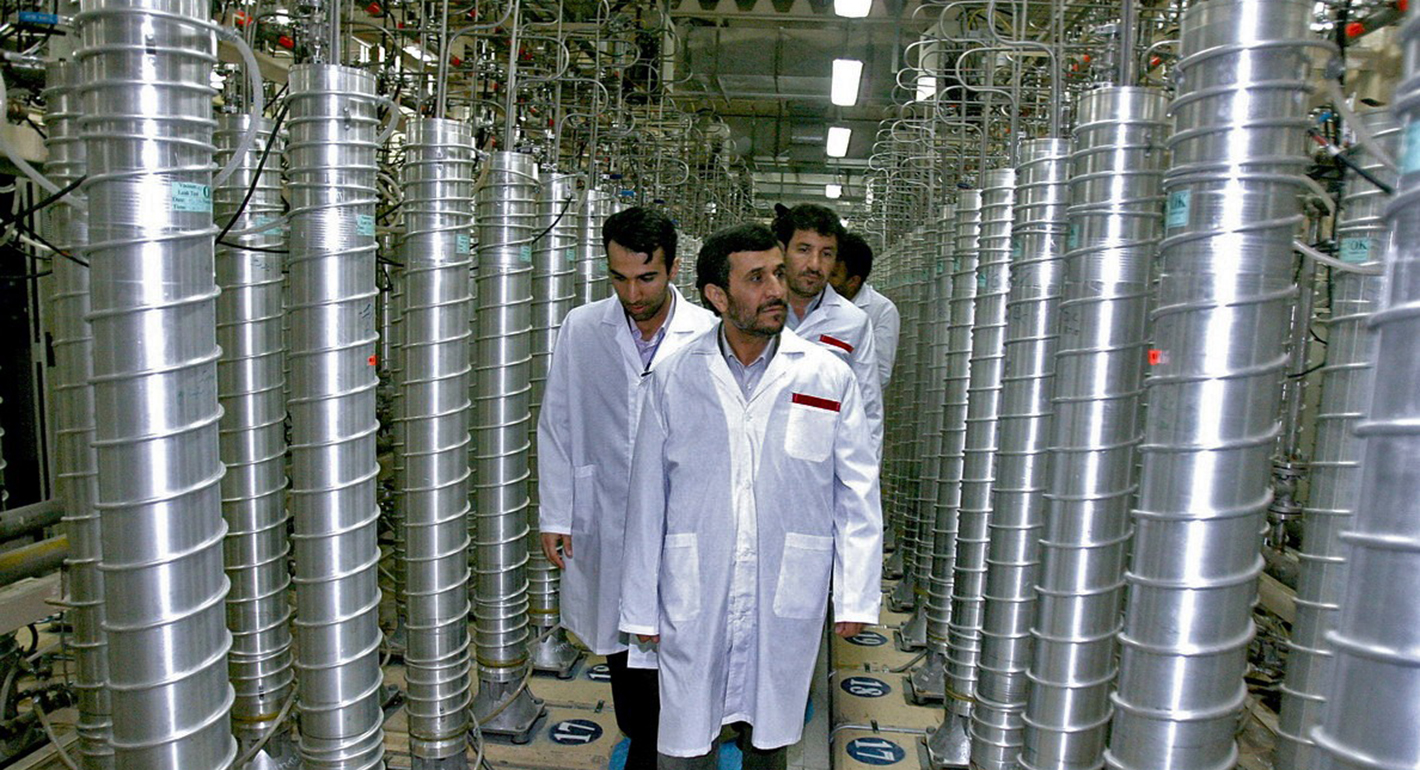
The nuclear weapons threshold is increasingly important for proliferation strategy and policy. Policymakers should better understand the implications of the threshold phenomenon in the current international security environment and plausible strategies to deal with the growing challenge that it presents.


Ariel (Eli) Levite, Toby Dalton
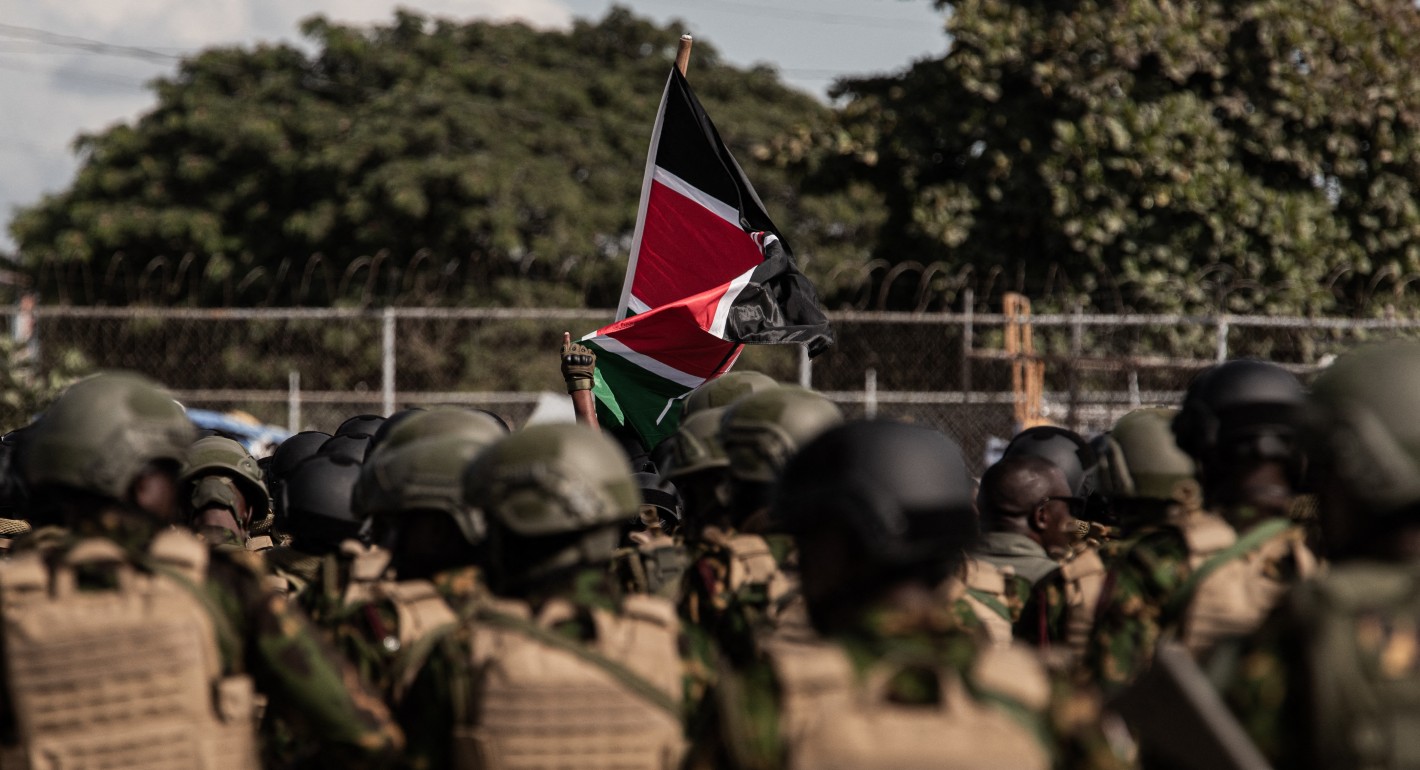
Helping to stabilize Haiti is in the United States’ national interest and can be done by making wise use of various foreign policy tools in addition to supporting international security forces.

Christopher Shell