

Q&A
Aaron David Miller, Karim Sadjadpour, Robin Wright
{
  "authors": [
    "Karim Sadjadpour"
  ],
  "type": "legacyinthemedia",
  "centerAffiliationAll": "dc",
  "centers": [
    "Carnegie Endowment for International Peace"
  ],
  "collections": [],
  "englishNewsletterAll": "menaTransitions",
  "nonEnglishNewsletterAll": "",
  "primaryCenter": "Carnegie Endowment for International Peace",
  "programAffiliation": "MEP",
  "programs": [
    "Middle East"
  ],
  "projects": [],
  "regions": [
    "North America",
    "United States",
    "Middle East",
    "Iran",
    "Caucasus",
    "Russia"
  ],
  "topics": [
    "Security",
    "Military",
    "Foreign Policy",
    "Nuclear Policy"
  ]
}
Source: Getty
The U.S. plan to sell over $20 billion worth of weaponry to Arab allies, to counter Iran's ascendance, attempts to contain Iran and force it to spend money on an arms race instead of developing its economy, intimidating it into bankruptcy. One major flaw in this plan is its failure recognize that Iran's growing influence is not due to hard power but to its use of soft power and militias.
Source: International Herald Tribune

One major flaw in this approach, however, is that it doesn't recognize that Iran's growing influence is due not to its impressive military force or expenditures (Saudi Arabia already spends four times as much as Iran), but rather its use of soft power and militias throughout the region in order to undercut the vastly superior hard power of the United States and Israel. Further arming Iran's Arab neighbors with billions of dollars of high-tech equipment (much of which they won't know how to use) does nothing to remedy this conundrum.
In the Cold War paradigm invoked by some Bush administration officials, Iran is the new Soviet Union and Iranian-backed extremists are the new Communists. While such an approach overstates Iran's global power and influence, on a regional level there are indeed Cold War parallels. Tehran and Washington both openly aspire to change the Middle East with competing ideologies, and both view conflicts in Iraq, Palestine, Lebanon and the Gulf as fronts in a larger war for the soul of the region.
Similar to Moscow, Tehran has generously armed and funded militant groups ever since the country's 1979 Islamic revolution. As opposed to the Soviet Union, however, today Iran's preferred vehicle of choice to spread its power and influence throughout the Middle East is, ironically, democratic elections. Though Iran's clerical rulers refuse to hold free and fair elections at home, the strong electoral showings of Hamas in Palestine, the Muslim brotherhood in Egypt, Hezbollah in Lebanon, and Shiite co-religionists in Iraq, has Tehran confident that their Islamist friends have won the battle for the region's hearts and minds, while Western-oriented liberals are in retreat. In the words of Iranian Supreme Leader Ayatollah Khamenei, "Today, if a referendum is held in any Islamic country, the people will vote for individuals supporting Islam and opposing the United States."
Khamenei has a point. Opinion polls conducted among Arabs frequently rank Iran's firebrand president, Mahmoud Ahamdinejad, Hezbollah's secretary general, Hassan Nasrallah, and the Hamas leader Khaled Mish'al as the three most popular political figures in the region. These same surveys show nearly 80 percent of Egyptians and Jordanians have an unfavorable view of the United States. While the alarming depth of anti-Americanism in the Arab world could in the past be dismissed as a societal affliction with little tangible political costs, by pushing a democratic agenda in the Middle East the Bush administration has provided a concrete outlet for this rage.
But Iran's ambitions to be the vanguard of the largely Sunni Arab Middle East will ultimately be undermined by the fact that it is Shiite and Persian. Apart from the growing Sunni-Shiite rift, Muslim solidarity has never transcended the Arab-Persian divide. Moreover, despite popular admiration for Ahmadinejad, further probing usually reveals that the Arab street admires Iran much the same way that Latin Americans once romanticized Castro's Cuba: a defiant political order they praise from afar, but which they do not wish upon themselves.
Opinion polls show the Middle Eastern nation where Arabs most aspire to live is not the Islamic Republic of Iran or religiously austere Saudi Arabia, but economically thriving, socially lax and internationally integrated Dubai.
In an ideal world, Washington and Tehran would each do away with their grandiose ambitions for the region and reach a diplomatic accommodation, recognizing they have important overlapping interest in stabilizing Iraq and Afghanistan and combating Al Qaeda. But 28 years of deep-seated mutual mistrust and ill-will combined with the hubris of Bush and Ahmadinejad's administrations have effectively created a glum scenario whereby few good options exist: Iran's regional influence cannot be effectively contained nor militarily confronted, and similar to the Israeli-Palestinian conflict, neither side believes the other is a genuine "partner for peace."
Given that neither side can achieve a decisive victory, a continued U.S.-Iran proxy war for hegemony in the Middle East will likely produce the same results witnessed in Lebanon last year: no clear winners, unnecessary and excessive civilian casualties, and more fertile ground for radical Sunni groups violently opposed to American, Iranian and Shiite influence. The standoff will continue to generate even greater civilian casualties in Iraq, the Palestinian territories, and, in the event of a U.S.-Iran military confrontation, oil-rich Gulf countries, causing significant upheaval to the global economy.
In this context, an additional $20 billion of military sales to the region will only make it more, not less, combustible, and does nothing to undermine Iranian soft power. The United States would be better suited selling $20 billion worth of education and economic infrastructure to the Middle East, helping to create flourishing societies and markets like Dubai, where young Arabs are talking about Islamic bonds rather than Islamic bombs, and Iran's Islamic Republic is not a noble regime worthy of admiration, but a failed political experiment which should be avoided, not replicated.
Formerly based in Tehran, Karim Sadjadpour is an associate at the Carnegie Endowment for International Peace and director of the Carnegie Iran Initiative.
This article was originally published in the International Herald Tribune, August 3, 2007: www.iht.com/opinion.html

Senior Fellow, Middle East Program
Karim Sadjadpour is a senior fellow at the Carnegie Endowment for International Peace, where he focuses on Iran and U.S. foreign policy toward the Middle East.
Recent Work


Aaron David Miller, Karim Sadjadpour, Robin Wright

Aaron David Miller, David Petraeus, Karim Sadjadpour
Carnegie does not take institutional positions on public policy issues; the views represented herein are those of the author(s) and do not necessarily reflect the views of Carnegie, its staff, or its trustees.

Orbán created an image for himself as virtually the only opponent of aid to Ukraine in the entire EU. But in reality, he was simply willing to use his veto to absorb all the backlash, allowing other opponents to remain in the shadows.
Maksim Samorukov
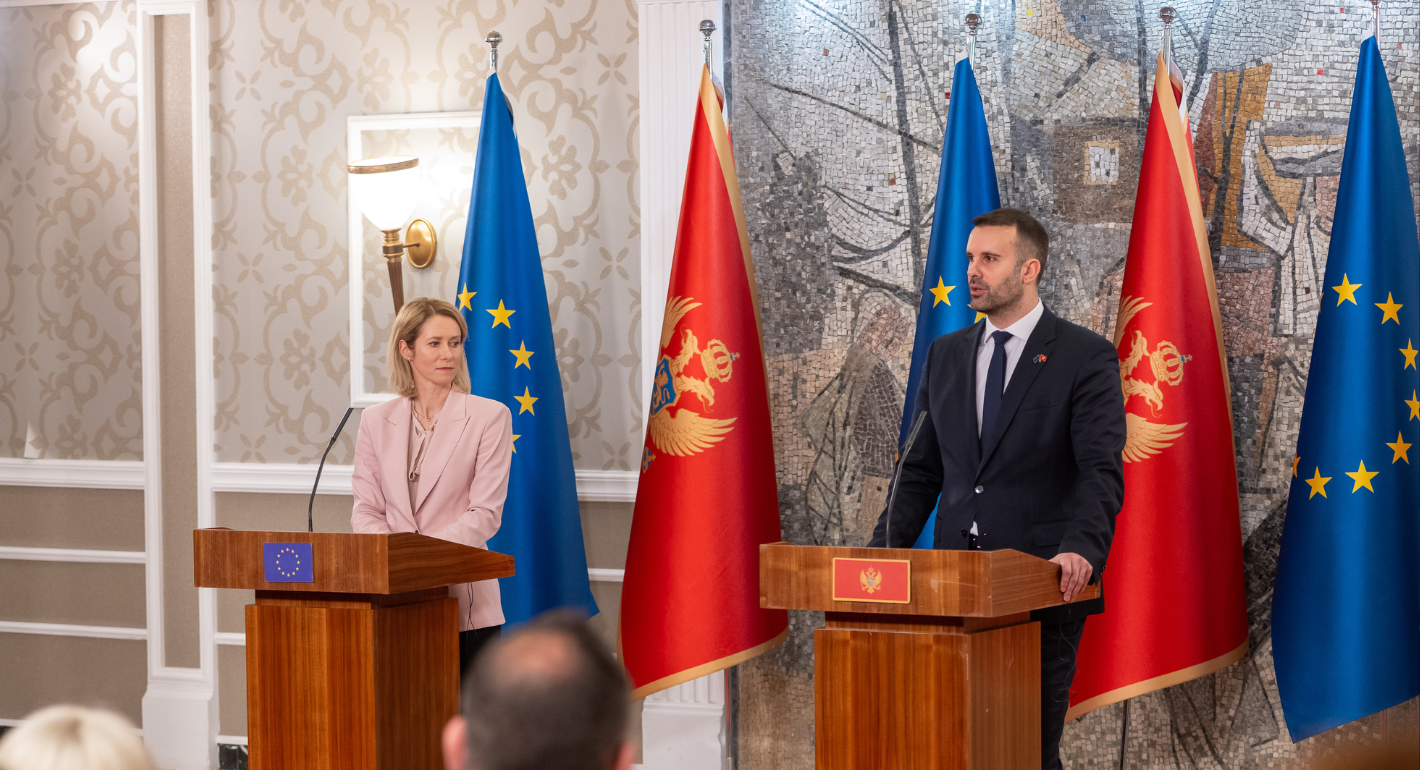
Montenegro and Albania are frontrunners for EU enlargement in the Western Balkans, but they can’t just sit back and wait. To meet their 2030 accession ambitions, they must make a strong positive case.


Dimitar Bechev, Iliriana Gjoni
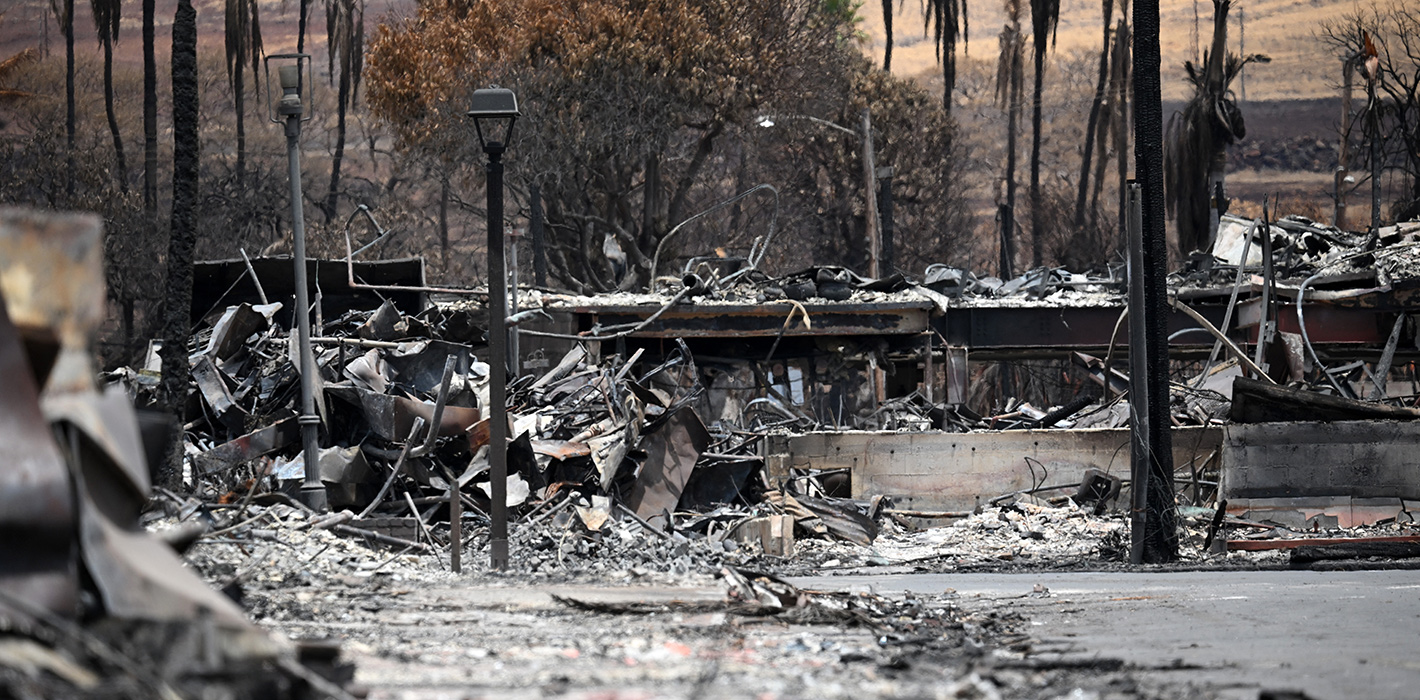
By reorganizing federal disaster policy around the rights of displaced people, the United States could unlock additional federal resources, accelerate the rebuilding of lives and livelihoods, and reduce suffering and economic disruption.

Kayly Ober

This piece argues that the present Indian strategy, based on opportunistic diversification and utilization of limited strategic reserves, remains inadequate when confronting supply disruptions. It evaluates India’s options in the short, medium, and long terms.

Vrinda Sahai

Its reinstatement should be celebrated, but it retains some major shortcomings.
Leonardo Martinez-Diaz