

In The Media
Jessica Tuchman Mathews
{
  "authors": [
    "Jessica Tuchman Mathews"
  ],
  "type": "other",
  "centerAffiliationAll": "dc",
  "centers": [
    "Carnegie Endowment for International Peace"
  ],
  "collections": [],
  "englishNewsletterAll": "menaTransitions",
  "nonEnglishNewsletterAll": "",
  "primaryCenter": "Carnegie Endowment for International Peace",
  "programAffiliation": "MEP",
  "programs": [
    "Middle East"
  ],
  "projects": [],
  "regions": [
    "Middle East",
    "Iraq"
  ],
  "topics": [
    "Foreign Policy"
  ]
}
Source: Getty
By tacitly conceding that there has been no political progress in Iraq since the launch of the surge, Mr. Bush admits it has failed, but asks for more time. He raises some important fears of the consequences of withdrawal (and some wildly exaggerated ones), while saying nothing about the positive reasons to keep on trying. That is what the upcoming debate must address: more time to achieve what?
Source: Carnegie Endowment

The purpose of the surge was an enlarged security force so that, as the president said, over time, “daily life will improve, Iraqis will gain confidence in their leaders, and the government will have the breathing space it needs to make progress.” That progress was to include a raft of fundamental political changes. Al Qaeda was a relatively minor factor. (“As we make these changes, we will continue to pursue al Qaeda.… Al Qaeda is still active in Iraq.”) Until midsummer, the administration insisted that the escalated military effort was not to reduce violence per se, but to reduce it because political reconciliation would follow.
To continue reading, click on the link above for the full text of this Carnegie publication.
This is a web-only publication.
About the Author
Jessican Tuchman Mathews was appointed president of the Carnegie Endowment in 1997. Her career includes posts in the executive and legislative branches of government, in management and research in the nonprofit arena, and in journalism.

Distinguished Fellow
Mathews is a distinguished fellow at the Carnegie Endowment for International Peace. She served as Carnegie’s president for 18 years.
Recent Work
Jessica Tuchman Mathews
Jessica Tuchman Mathews
Carnegie does not take institutional positions on public policy issues; the views represented herein are those of the author(s) and do not necessarily reflect the views of Carnegie, its staff, or its trustees.

The Bureau of Industry and Security needs to adjust its focus and practices to maintain its position as the U.S. government’s primary champion of international technological competition.

Geoffrey Irving

European Commission President Ursula von der Leyen is about to give her annual address on the state of the EU. Here’s what she won’t—but should—say.

Rym Momtaz
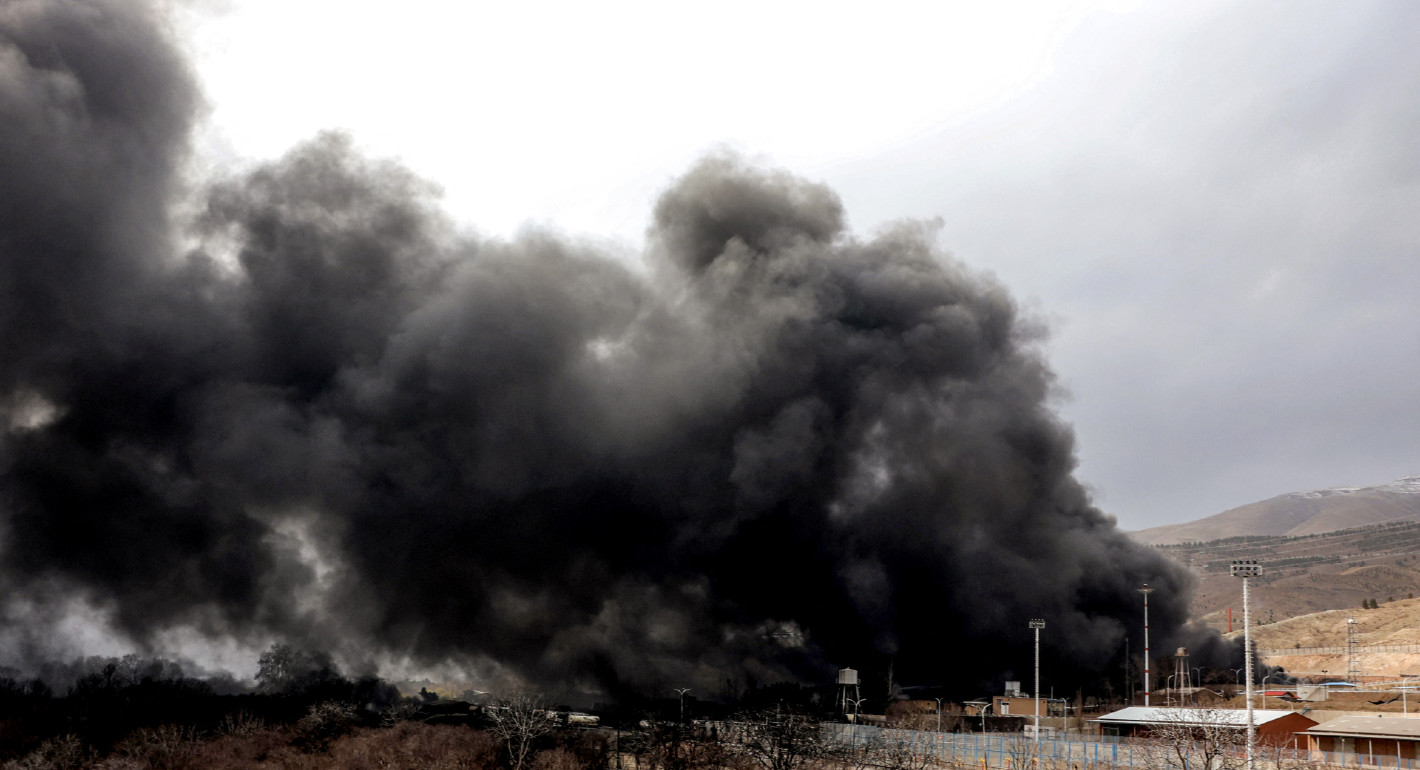
Understanding the climatic pain points is necessary for policymakers hoping to minimize the war’s negative environmental consequences.


Alejandro Martin Rodriguez, Joy Arkeh, Sarah Yerkes

Huawei pushed hard to enter the Egyptian data centers market, until the Americans made a better offer.

Angie Omar

The books, podcasts, and films that explain the world it made.

Andrew Leber