

Commentary
The United States ignores the region’s lived experience—and the tough political and social trade-offs the war has produced—at its peril.
Evan A. Feigenbaum
{
  "authors": [],
  "type": "pressRelease",
  "centerAffiliationAll": "dc",
  "centers": [
    "Carnegie Endowment for International Peace",
    "Malcolm H. Kerr Carnegie Middle East Center"
  ],
  "collections": [],
  "englishNewsletterAll": "menaTransitions",
  "nonEnglishNewsletterAll": "",
  "primaryCenter": "Carnegie Endowment for International Peace",
  "programAffiliation": "MEP",
  "programs": [
    "Middle East"
  ],
  "projects": [],
  "regions": [
    "Middle East",
    "Iran",
    "Lebanon",
    "Syria",
    "Levant"
  ],
  "topics": [
    "Political Reform",
    "Security",
    "Foreign Policy"
  ]
}
REQUIRED IMAGE
The growing influence of Sunni Islamists in Lebanon is fueled by rising anti-American and sectarian sentiments resulting from the U.S.-led occupation of Iraq, Lebanon’s ongoing political stalemate, the assassination of former prime minister Rafiq al-Hariri, and the summer 2006 war in which Israel devastated large parts of Lebanon.
BEIRUT, Feb 7—The growing influence of Sunni Islamists in Lebanon is fueled by rising anti-American and sectarian sentiments resulting from the U.S.-led occupation of Iraq, Lebanon’s ongoing political stalemate, the assassination of former prime minister Rafiq al-Hariri, and the summer 2006 war in which Israel devastated large parts of Lebanon. While mainstream Islamist groups continue to dominate the political and social environment in Lebanon, radical elements within the Islamist movements are further bolstered by the worsening political and security situation in the country, argues a new paper from the Carnegie Middle East Center.
In Lebanon’s Sunni-Islamists—A Growing Force, the Carnegie Middle East Center’s Omayma Abdel-Latif identifies leading traditional Islamist and Salafist movements in Lebanon, key leaders, and their relationships with each other and external actors, including the United States, Hizbollah, Syria, and Iran. Sunni Islamist movements include those sociopolitical movements that embrace Islam as the only framework for social and political change and mobilization.
Key points:
“Unless the Lebanese state changes its strategy towards Islamists, begins to deliver its electoral promises in poverty-stricken areas, the danger of seeing al-Qaeda-inspired militancy remains a real one,” concludes Abdel-Latif.
###

Carnegie does not take institutional positions on public policy issues; the views represented herein are those of the author(s) and do not necessarily reflect the views of Carnegie, its staff, or its trustees.

The United States ignores the region’s lived experience—and the tough political and social trade-offs the war has produced—at its peril.

Evan A. Feigenbaum
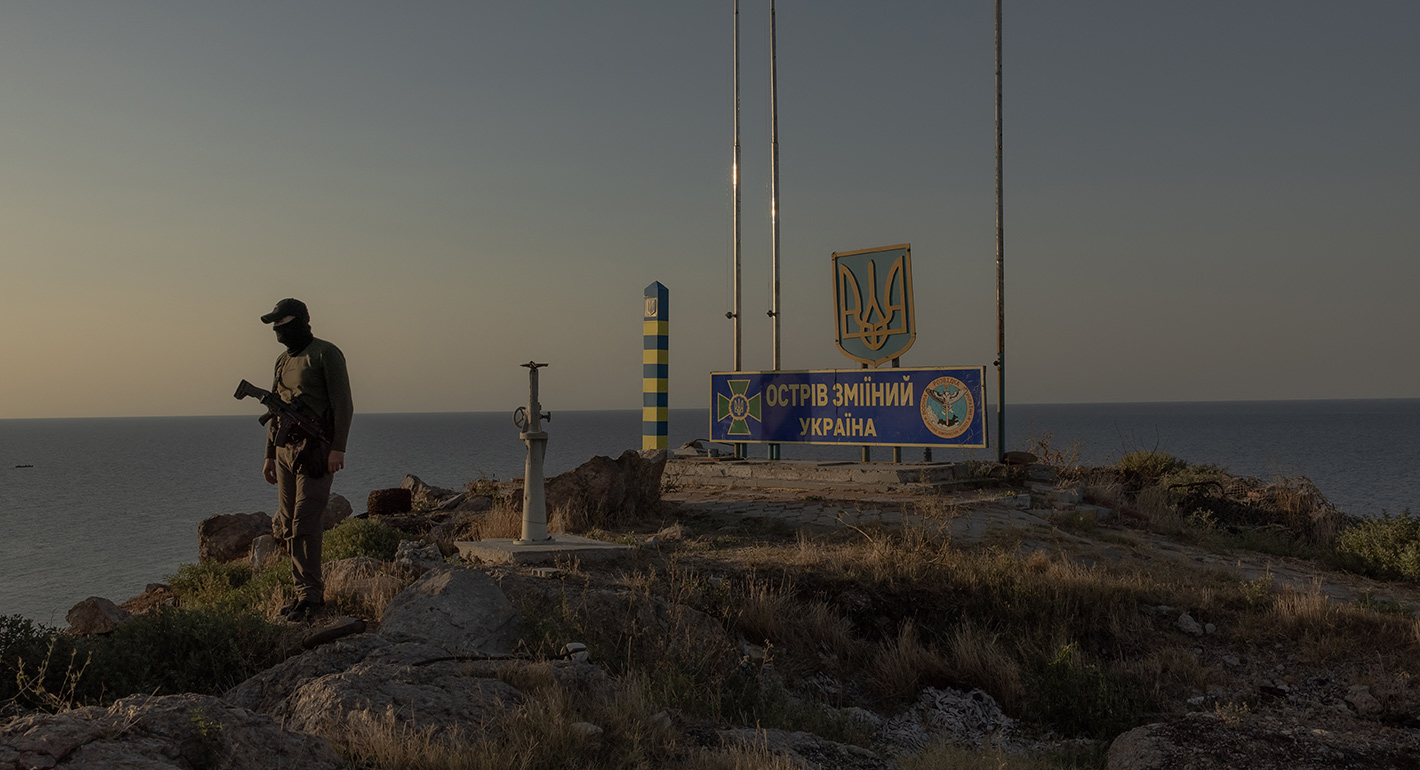
Ukraine’s asymmetric approach has rendered Russia’s Black Sea Fleet functionally useless. But a long-term commitment will be needed to maintain this balance of power.
Alina Frolova, Stepan Yakymiak
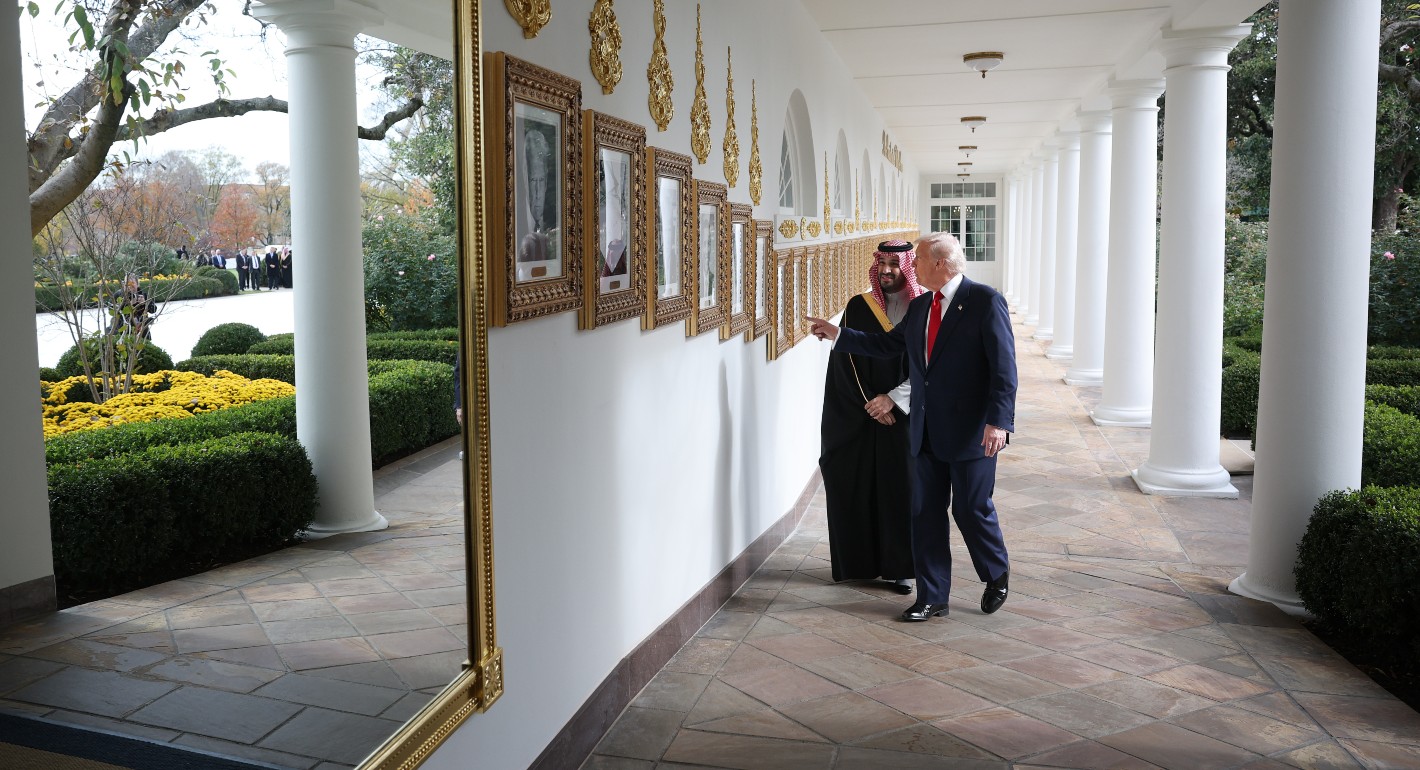
Neither the Abraham Accords nor the presence of large U.S. bases are enough to protect Arab Gulf states.

Marwan Muasher
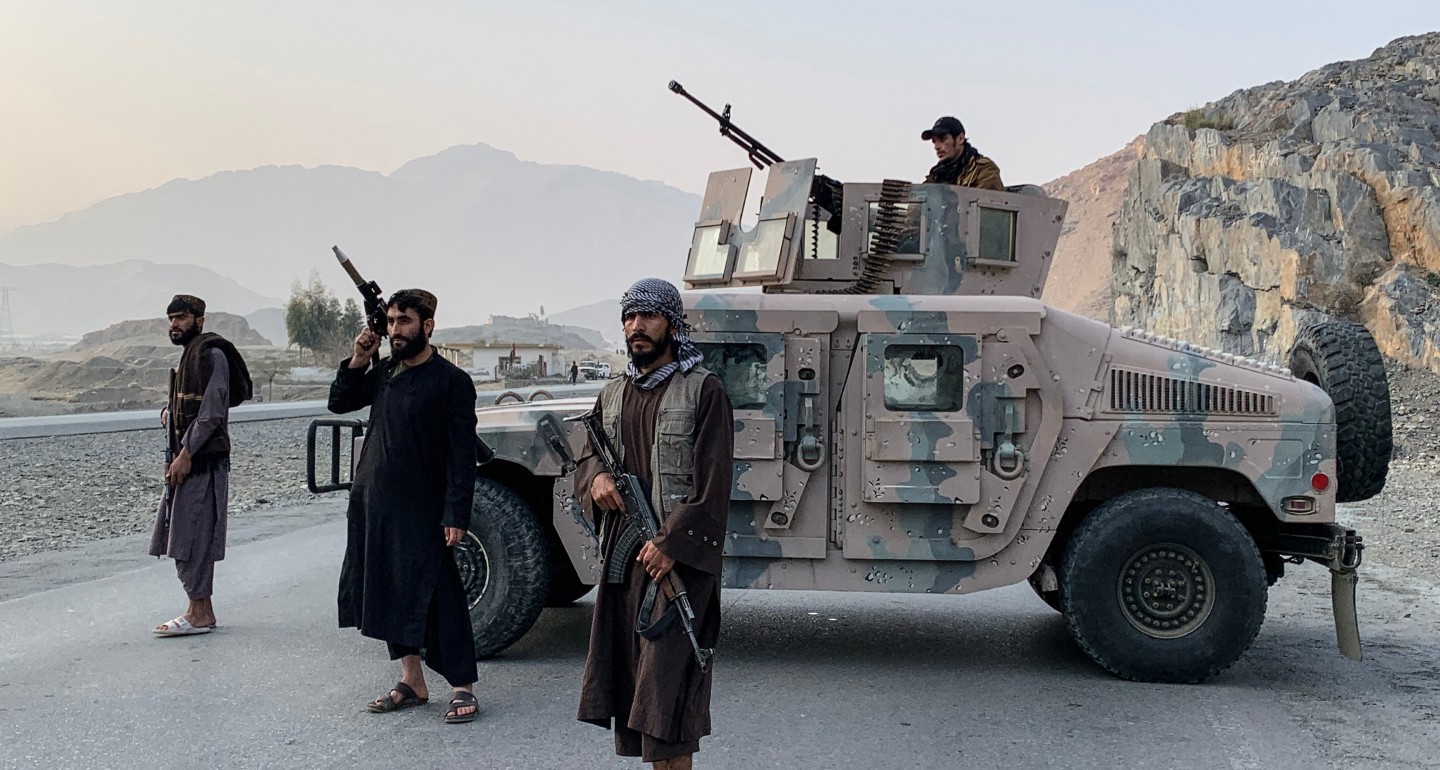
Not only does the fighting jeopardize regional security, it undermines Russian attempts to promote alternatives to the Western-dominated world order.

Ruslan Suleymanov
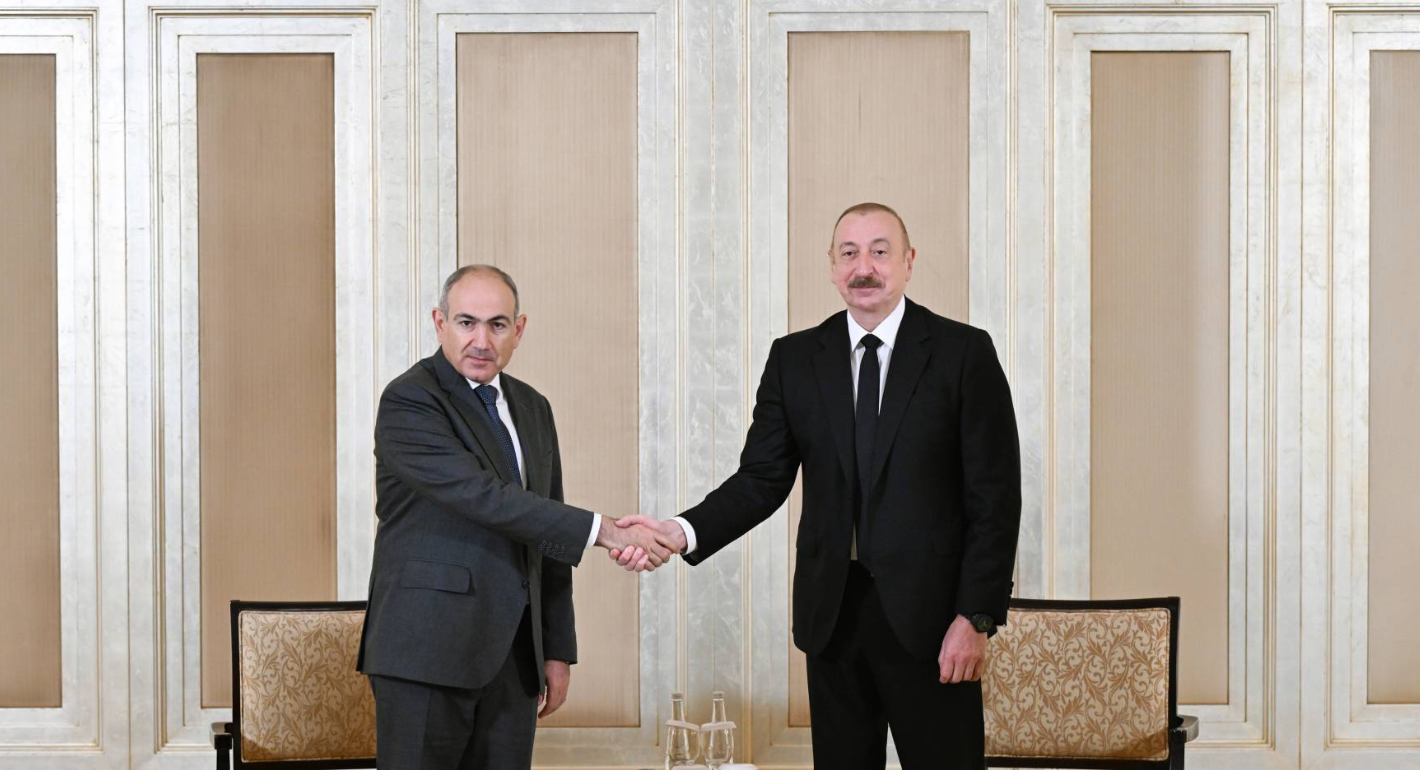
The U.S.-sponsored TRIPP deal is driving the Armenia-Azerbaijan peace process forward. But foreign and domestic hurdles remain before connectivity and economic interdependence can open up the South Caucasus.


Thomas de Waal, Areg Kochinyan, Zaur Shiriyev