• Research
  • Emissary
  • About
  • Experts
Carnegie Global logoCarnegie lettermark logo
DemocracyIran
  • Donate
{
  "authors": [
    "Maria Lipman"
  ],
  "type": "legacyinthemedia",
  "centerAffiliationAll": "",
  "centers": [
    "Carnegie Endowment for International Peace",
    "Carnegie Russia Eurasia Center"
  ],
  "collections": [],
  "englishNewsletterAll": "",
  "nonEnglishNewsletterAll": "",
  "primaryCenter": "Carnegie Russia Eurasia Center",
  "programAffiliation": "",
  "programs": [],
  "projects": [],
  "regions": [
    "Caucasus",
    "Russia"
  ],
  "topics": [
    "Political Reform",
    "Democracy",
    "Economy",
    "Foreign Policy"
  ]
}
Source: Getty

In The Media
Carnegie Russia Eurasia Center

Medvedev Likely to Maintain Status Quo

Link Copied
By Maria Lipman
Published on Mar 2, 2008

Source: NPR's All Things Considered

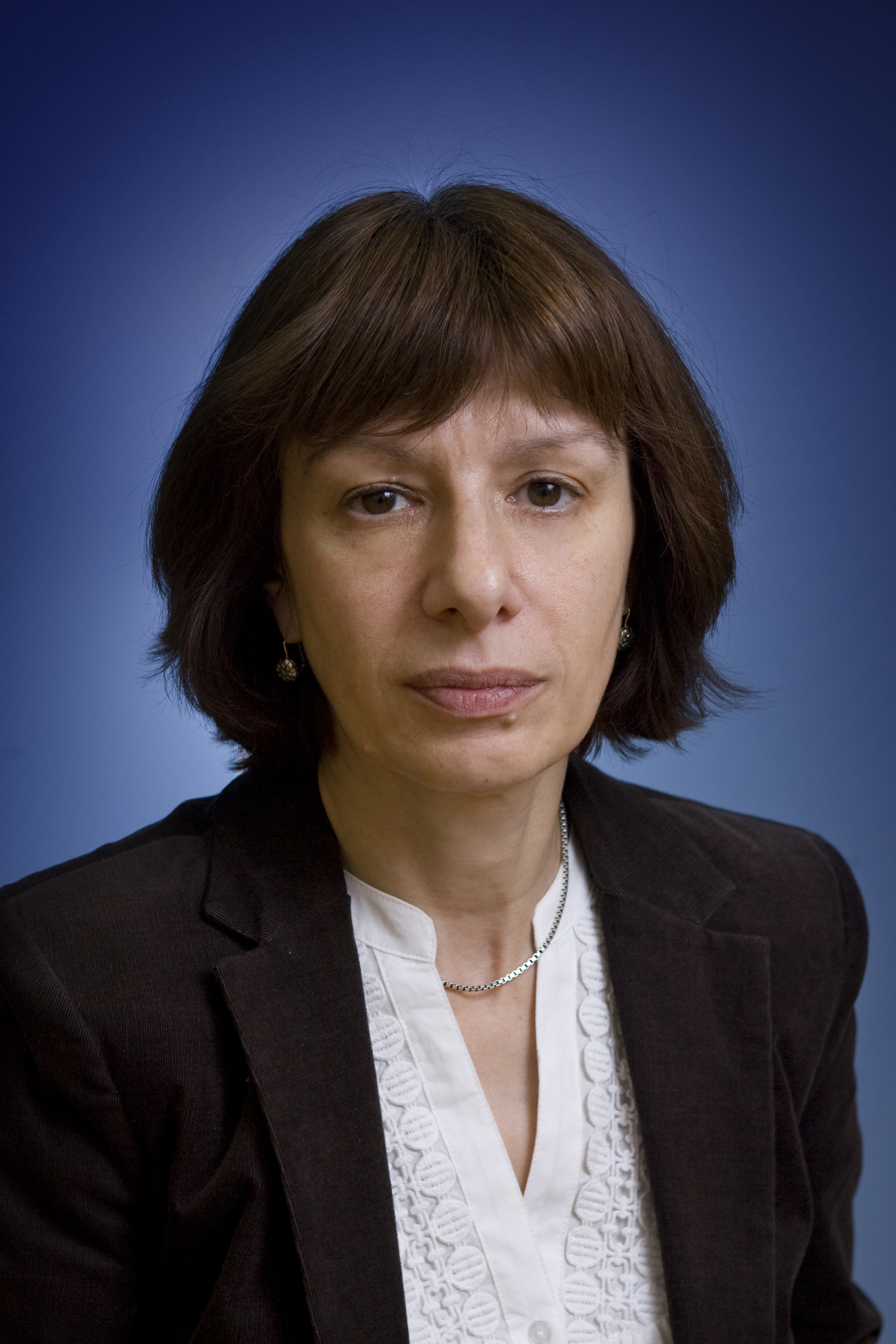
Carnegie Moscow Center's Masha Lipman joined Jacki Lyden on NPR's All Things Considered to discuss the election of Dmitry Medvedev as Russia's president and what it means for the political and economic future of Russia. She argued that despite Medvedev's liberal rhetoric, he was chosen by Putin as part of an effort to maintain the status quo. "The difference between rhetoric and reality has almost reached the Soviet range in these days," she said.

Click here to listen to the broadcast.

About the Author

Maria Lipman

Former Scholar in Residence, Society and Regions Program, Editor in Chief, Pro et Contra, Moscow Center

Lipman was the editor in chief of the Pro et Contra journal, published by the Carnegie Moscow Center. She was also the expert of the Carnegie Moscow Center’s Society and Regions Program.

    Recent Work

  • Commentary
    The Russian State Power and the Ukrainian Human Factor

      Maria Lipman

  • Commentary
    Putin’s Crimean Conquest Pushes Russia to an Anti-Modernization Course

      Maria Lipman

Maria Lipman
Former Scholar in Residence, Society and Regions Program, Editor in Chief, Pro et Contra, Moscow Center
Maria Lipman
Political ReformDemocracyEconomyForeign PolicyCaucasusRussia

Carnegie does not take institutional positions on public policy issues; the views represented herein are those of the author(s) and do not necessarily reflect the views of Carnegie, its staff, or its trustees.

More Work from Carnegie Endowment for International Peace

  • City at night
    Commentary
    Emissary
    The Iran War Is Also Now a Semiconductor Problem

    The conflict is exposing the deep energy vulnerabilities of Korea’s chip industry.

      Darcie Draudt-Véjares, Tim Sahay

  • One man tossing a sack to another to stack on a truck
    Commentary
    Emissary
    The Other Global Crisis Stemming From the Strait of Hormuz’s Blockage

    Even if the Iran war stops, restarting production and transport for fertilizers and their components could take weeks—at a crucial moment for planting.

      • Noah  Gordon ​​​​

      Noah Gordon, Lucy Corthell

  • Commentary
    Strategic Europe
    Taking the Pulse: Is France’s New Nuclear Doctrine Ambitious Enough?

    French President Emmanuel Macron has unveiled his country’s new nuclear doctrine. Are the changes he has made enough to reassure France’s European partners in the current geopolitical context?

      • Rym Momtaz

      Rym Momtaz, ed.

  • Commentary
    The Iran War’s Dangerous Fallout for Europe

    The drone strike on the British air base in Akrotiri brings Europe’s proximity to the conflict in Iran into sharp relief. In the fog of war, old tensions in the Eastern Mediterranean risk being reignited, and regional stakeholders must avoid escalation.

      Marc Pierini

  • Indian Prime Minister Narendra Modi, wearing an orange cap, and the Chief Minister of Uttar Pradesh, Yogi Adityanath, dressed in saffron robes, are greeting supporters of the Bharatiya Janata Party (BJP) during a roadshow ahead of the Indian General Elections in Ghaziabad, Uttar Pradesh, India, on April 6, 2024.
    Paper
    India’s Foreign Policy in the Age of Populism

    Domestic mobilization, personalized leadership, and nationalism have reshaped India’s global behavior.

      Sandra Destradi

Get more news and analysis from
Carnegie Endowment for International Peace
Carnegie global logo, stacked
1779 Massachusetts Avenue NWWashington, DC, 20036-2103Phone: 202 483 7600Fax: 202 483 1840
  • Research
  • Emissary
  • About
  • Experts
  • Donate
  • Programs
  • Events
  • Blogs
  • Podcasts
  • Contact
  • Annual Reports
  • Careers
  • Privacy
  • For Media
  • Government Resources
Get more news and analysis from
Carnegie Endowment for International Peace
© 2026 Carnegie Endowment for International Peace. All rights reserved.