

In The Media
Jessica Tuchman Mathews
{
  "authors": [
    "Jessica Tuchman Mathews"
  ],
  "type": "legacyinthemedia",
  "centerAffiliationAll": "",
  "centers": [
    "Carnegie Endowment for International Peace",
    "Carnegie Europe"
  ],
  "collections": [],
  "englishNewsletterAll": "",
  "nonEnglishNewsletterAll": "",
  "primaryCenter": "Carnegie Endowment for International Peace",
  "programAffiliation": "",
  "programs": [],
  "projects": [],
  "regions": [
    "Middle East",
    "Iraq"
  ],
  "topics": []
}
Source: Getty
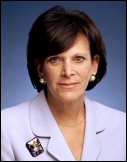
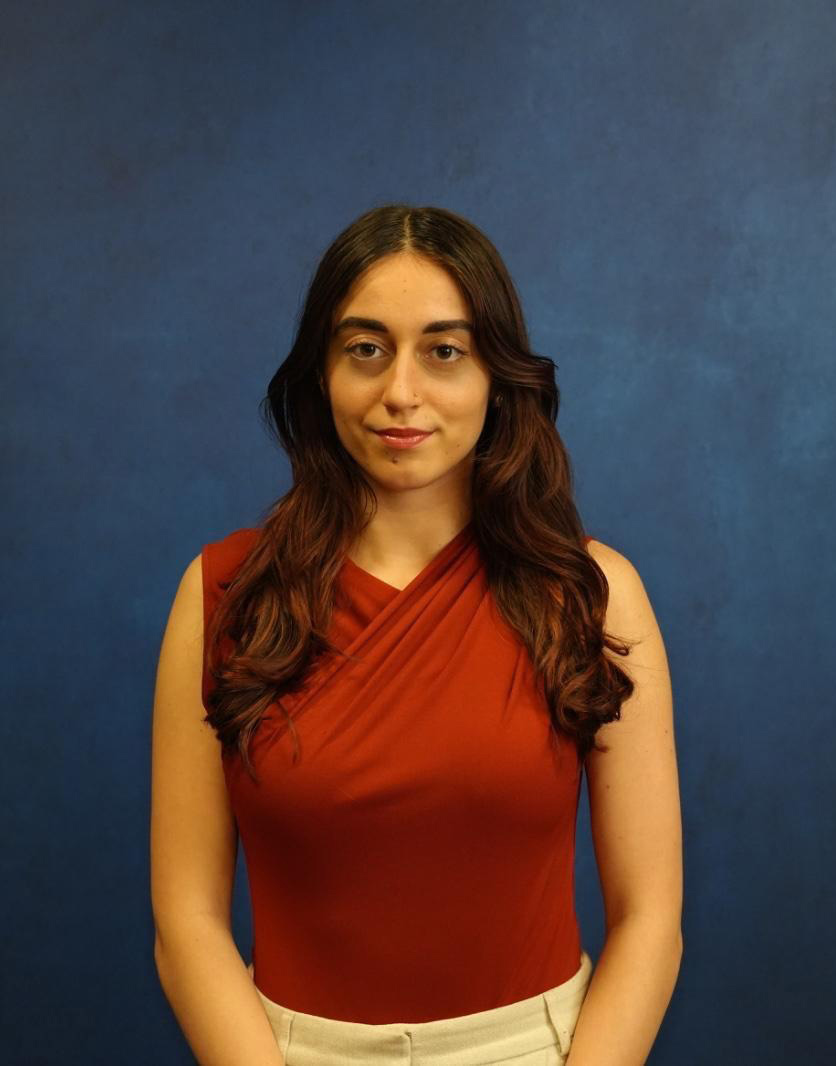
Carnegie President Jessica T. Mathews appeared on BBC Radio 4’s The World Tonight to discuss the effectiveness of the “surge” in meeting its objectives in Iraq. Mathews argues that while a departure of U.S. troops from Iraq would likely increase violence in the short-term, it remains unclear whether the consequences of staying are better for the U.S. and Iraq in the medium- and long-term.
Source: BBC Radio 4 The World Tonight

Carnegie President Jessica T. Mathews appeared on BBC Radio 4’s The World Tonight to discuss the effectiveness of the “surge” in meeting its objectives in Iraq. Mathews argues that while a departure of U.S. troops from Iraq would likely increase violence in the short-term, it remains unclear whether the consequences of staying are better for the U.S. and Iraq in the medium- and long-term. “At the cost of a lot of lives and an enormous amount of money—$12 billion a month—we are basically paying both sides to turn to each other and not to kill us. We are paying Sunni militia, we’re paying Shi’a militia, and that is obviously not a long-term formula for progress.”

Distinguished Fellow
Mathews is a distinguished fellow at the Carnegie Endowment for International Peace. She served as Carnegie’s president for 18 years.
Recent Work
Jessica Tuchman Mathews
Jessica Tuchman Mathews
Carnegie does not take institutional positions on public policy issues; the views represented herein are those of the author(s) and do not necessarily reflect the views of Carnegie, its staff, or its trustees.
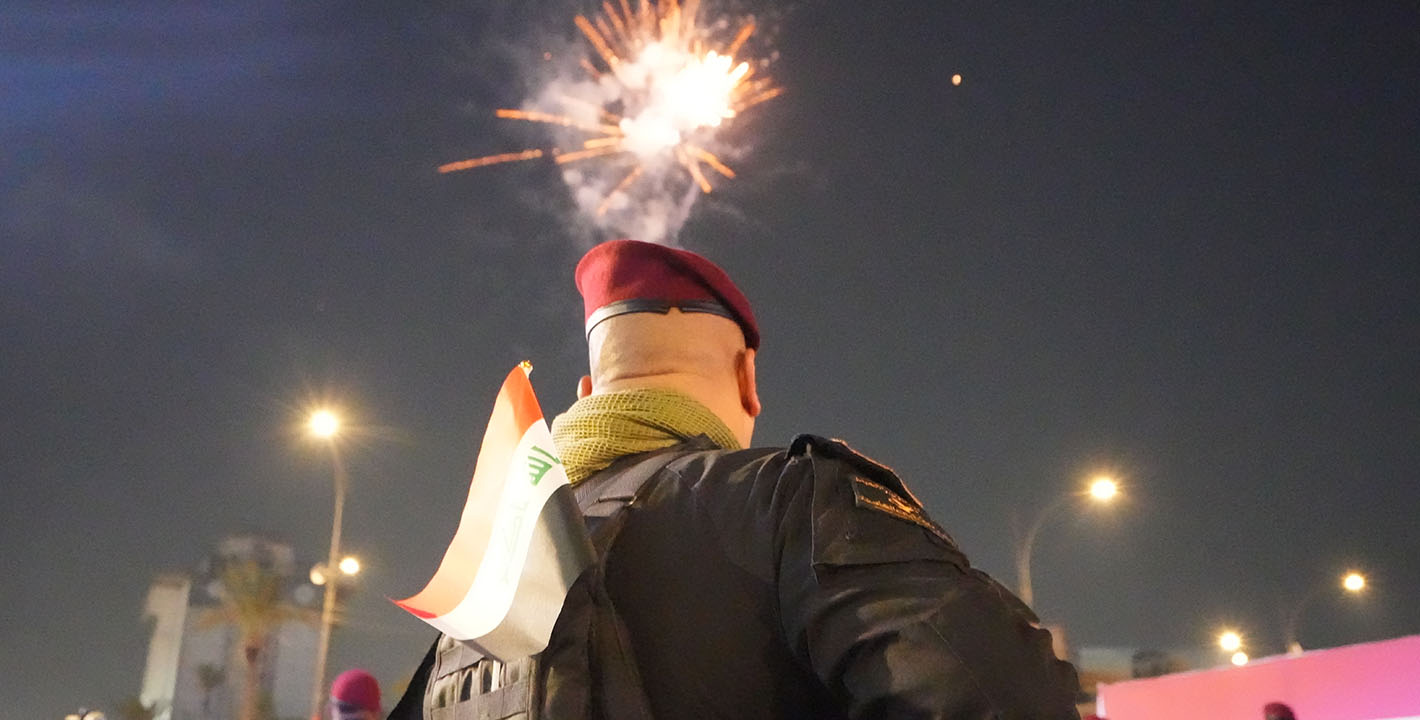
As the U.S.-led Coalition withdraws, the Kurds’ reliance on Baghdad, and on themselves, will only increase.
Wladimir van Wilgenburg

The Horn of Africa countries are among those facing a new security calculus.


Andrew Leber, Lesley Anne Warner

As the U.S. stumbles in its war with Iran, we are likely to see an acceleration of its disengagement from the region.

Michael Young
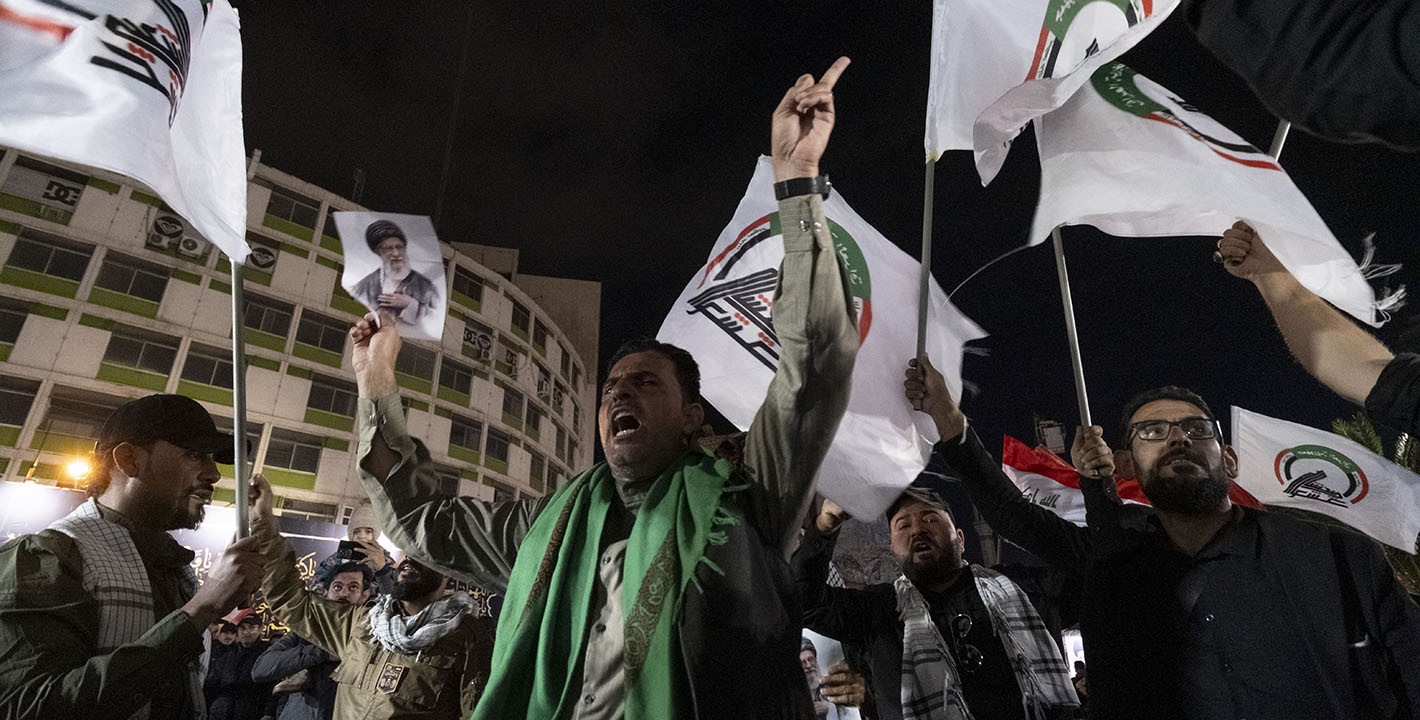
The Zaidi government’s objective to collect weapons is constrained by regional conflict, but it can take certain measures at home.
Ali Al-Mawlawi
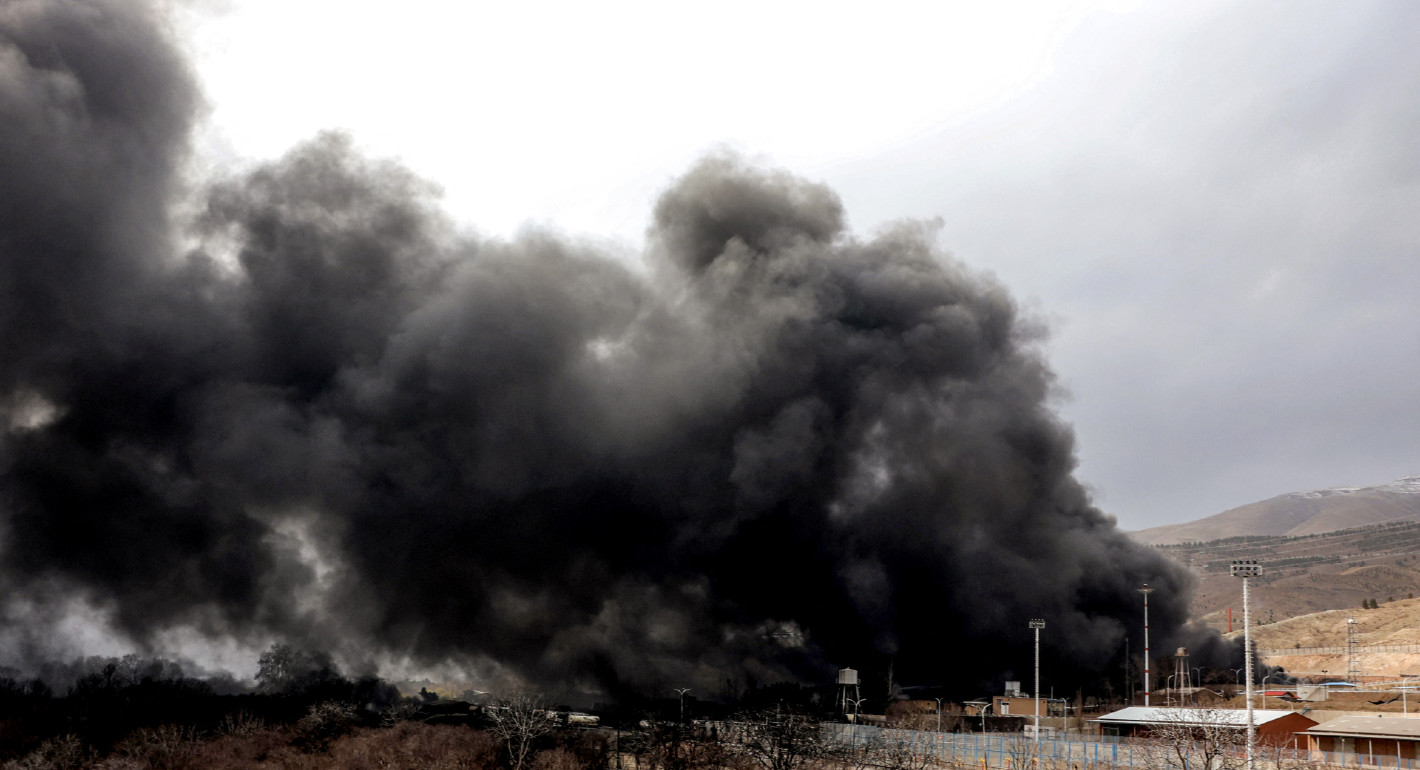
Understanding the climatic pain points is necessary for policymakers hoping to minimize the war’s negative environmental consequences.


Alejandro Martin Rodriguez, Joy Arkeh, Sarah Yerkes