• Research
  • Emissary
  • About
  • Experts
Carnegie Global logoCarnegie lettermark logo
Democracy
  • Donate
{
  "authors": [
    "Karim Sadjadpour"
  ],
  "type": "legacyinthemedia",
  "centerAffiliationAll": "dc",
  "centers": [
    "Carnegie Endowment for International Peace"
  ],
  "collections": [],
  "englishNewsletterAll": "menaTransitions",
  "nonEnglishNewsletterAll": "",
  "primaryCenter": "Carnegie Endowment for International Peace",
  "programAffiliation": "MEP",
  "programs": [
    "Middle East"
  ],
  "projects": [],
  "regions": [
    "Middle East",
    "Iran"
  ],
  "topics": [
    "Political Reform",
    "Foreign Policy"
  ]
}
Source: Getty

In The Media

Aftermath of Iran's Presidential Elections

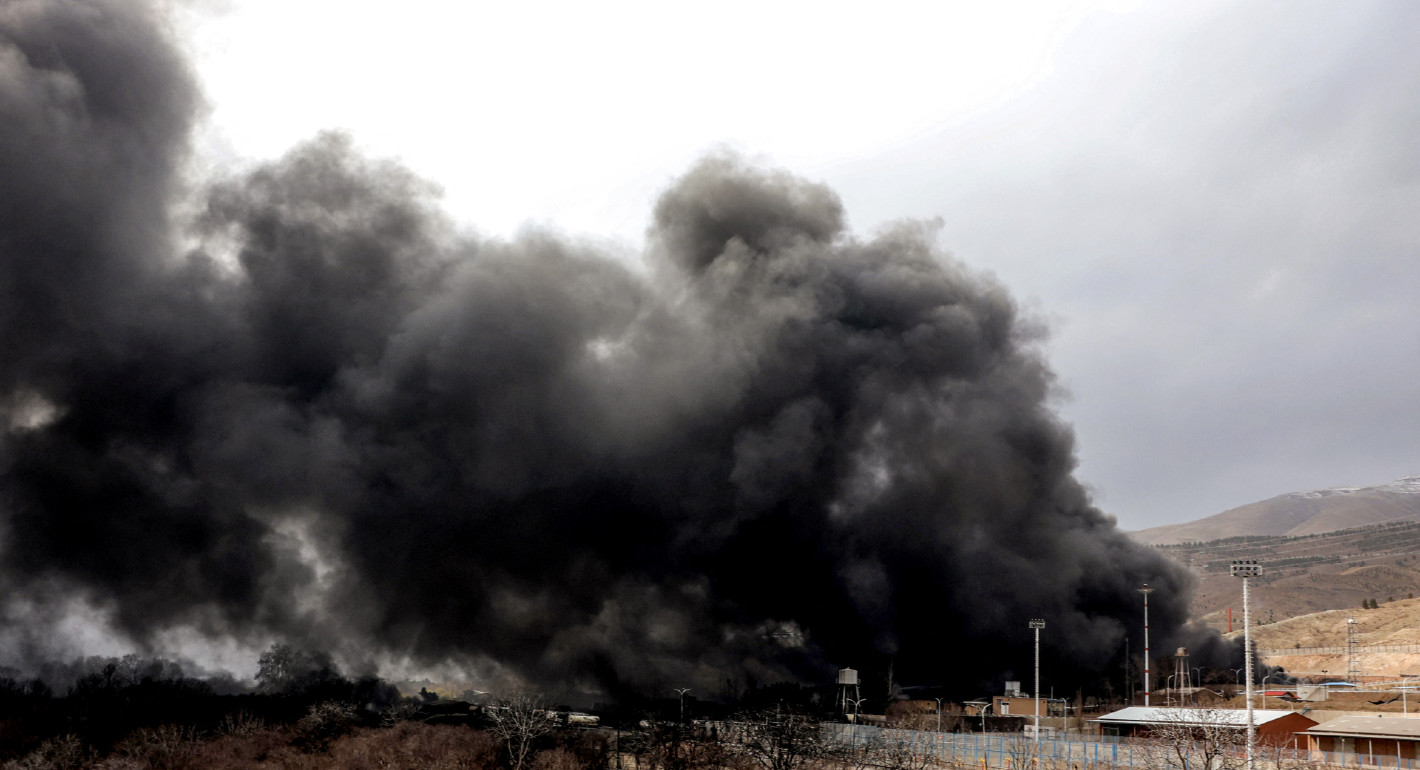
The surprise announcement that President Mahmoud Ahmadinejad had won outright the first round of Iran’s presidential election has been met with widespread allegations of fraud and domestic unrest.

Link Copied
By Karim Sadjadpour
Published on Jun 14, 2009
Program mobile hero image

Program

Middle East

The Middle East Program in Washington combines in-depth regional knowledge with incisive comparative analysis to provide deeply informed recommendations. With expertise in the Gulf, North Africa, Iran, and Israel/Palestine, we examine crosscutting themes of political, economic, and social change in both English and Arabic.

Learn More

Source: CSPAN's Washington Journal

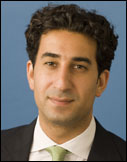
The surprise announcement that President Mahmoud Ahmadinejad had won outright the first round of Iran’s presidential election has been confronted with widespread allegations of fraud within Iran and domestic unrest. Karim Sadjadpour discusses the results of the Iranian elections and the role of Supreme Leader Ayatollah Khamenei, "Presidential elections are not for the most powerful post in Iran. The most powerful post is held by the Supreme Leader Ayatollah Khamenei. That is an unelected position and Khamenei has held this position for twenty years now, so he's going to have to be the major arbiter in this situation but it's widely believed, and I think it's correctly believed, that Ayatollah Khamenei essentially selected Mahmoud Ahmadinejad as president. Ahmadinejad is a Khamenei man. So he's not exactly an objective arbitrator in this situation."

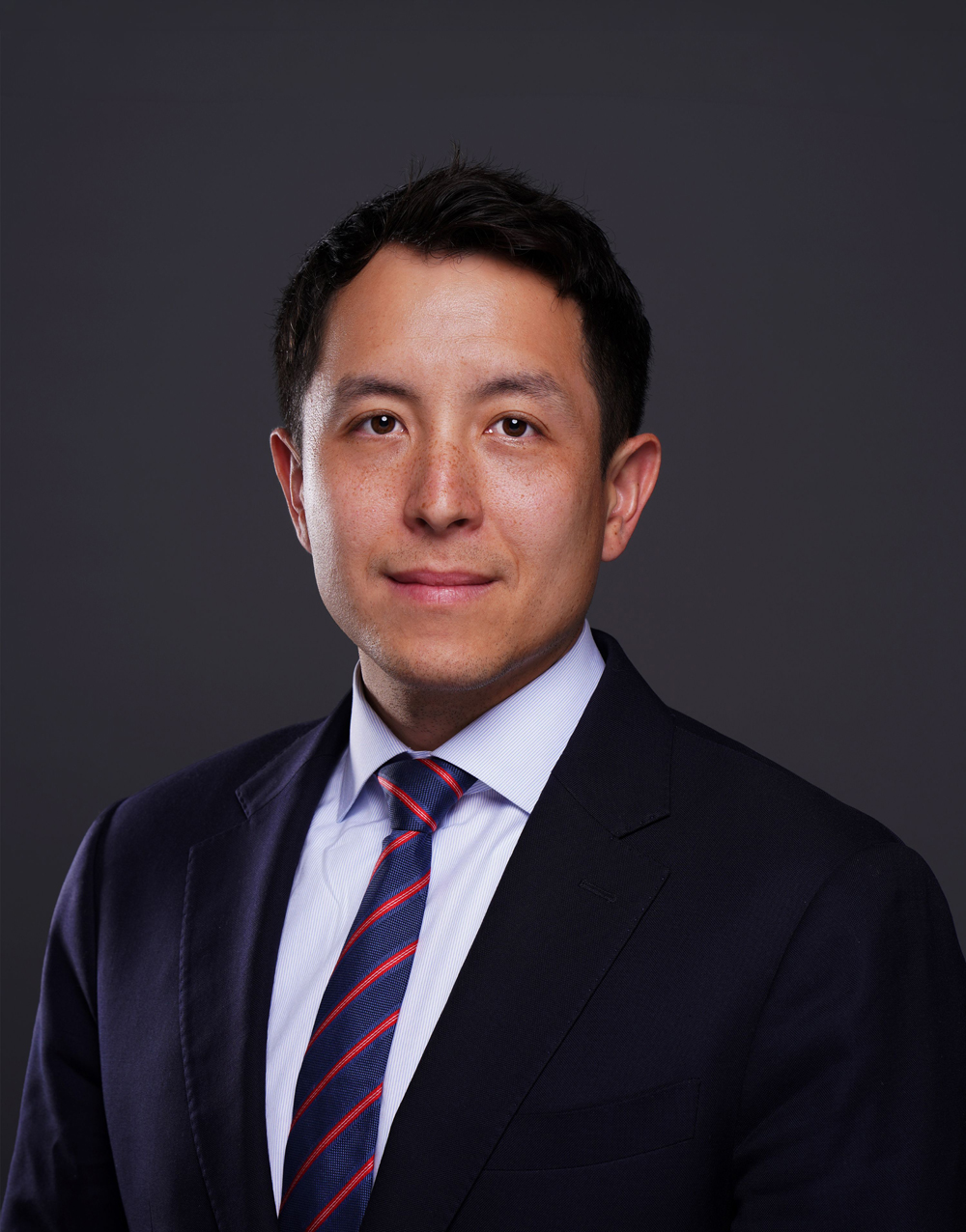
Karim Sadjadpour
Senior Fellow, Middle East Program
Karim Sadjadpour
Political ReformForeign PolicyMiddle EastIran

Carnegie does not take institutional positions on public policy issues; the views represented herein are those of the author(s) and do not necessarily reflect the views of Carnegie, its staff, or its trustees.
More Work from Carnegie Endowment for International Peace

  • U.S. and Indian flags on display.
    Paper
    Indian Americans in a Time of Turbulence: 2026 Survey Results

    A new Carnegie survey of Indian Americans examines shifting vote preferences, growing political ambivalence, and rising concerns about discrimination amid U.S. policy changes and geopolitical uncertainty.

      • +1

      Milan Vaishnav, Sumitra Badrinathan, Devesh Kapur, …

  • Commentary
    Carnegie Politika
    Signs of an Imminent End to the Ukraine War Are Deceptive

    The main source of Russian aggression is a profound mistrust of the West and the firm belief that it intends to inflict a “strategic defeat” on Russia. As long as this fear persists, the war will not end.

      Tatiana Stanovaya

  • Source: North Atlantic Treaty Organization
    Paper
    Are Long-Term NATO–South Korea Defense Ties Possible? Transitioning From an Arms Exporter to a Trusted Defense Partner

    South Korea has emerged as a major weapon exporter. But its relationship with Europe will depend on more than that.

      Chung Min Lee

  • Commentary
    Strategic Europe
    Can Europe Still Matter in Syria?

    Europe’s interests in Syria extend beyond migration management, yet the EU trails behind other players in the country’s post-Assad reconstruction. To boost its influence in Damascus, the union must upgrade its commitment to ensuring regional stability.

      Bianka Speidl, Hanga Horváth-Sántha

  • Commentary
    Carnegie Politika
    Where Does the Split in the Ruling Tandem Leave Kyrgyzstan?

    Despite its reputation as an island of democracy in Central Asia, Kyrgyzstan appears to be on the brink of becoming a personalist autocracy.

      Temur Umarov

Get more news and analysis from
Carnegie Endowment for International Peace
Carnegie global logo, stacked
1779 Massachusetts Avenue NWWashington, DC, 20036-2103Phone: 202 483 7600Fax: 202 483 1840
  • Research
  • Emissary
  • About
  • Experts
  • Donate
  • Programs
  • Events
  • Blogs
  • Podcasts
  • Contact
  • Annual Reports
  • Careers
  • Privacy
  • For Media
  • Government Resources
Get more news and analysis from
Carnegie Endowment for International Peace
© 2026 Carnegie Endowment for International Peace. All rights reserved.