

Paper
Omayma Abdel-Latif
{
  "authors": [
    "Omayma Abdel-Latif"
  ],
  "type": "legacyinthemedia",
  "centerAffiliationAll": "dc",
  "centers": [
    "Carnegie Endowment for International Peace",
    "Malcolm H. Kerr Carnegie Middle East Center"
  ],
  "collections": [],
  "englishNewsletterAll": "menaTransitions",
  "nonEnglishNewsletterAll": "",
  "primaryCenter": "Malcolm H. Kerr Carnegie Middle East Center",
  "programAffiliation": "MEP",
  "programs": [
    "Middle East"
  ],
  "projects": [],
  "regions": [
    "Middle East",
    "Lebanon"
  ],
  "topics": [
    "Political Reform",
    "Foreign Policy"
  ]
}
Source: Getty
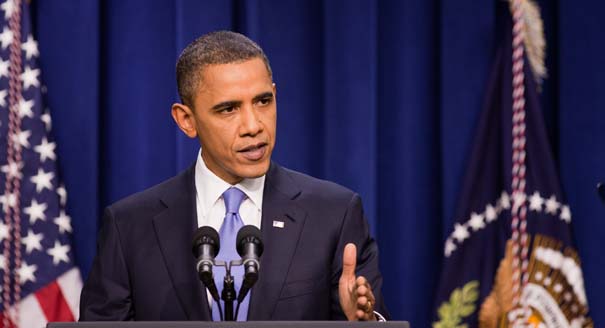
WHAT could Barack Obama tell the Muslim world tomorrow that we would be happy to hear? He could tell us that he’s going to stay out of our elections.
Source: New York Times

Around two weeks ago, amid the campaigning for the June 7 parliamentary elections here , the administration made a huge blunder by dispatching Vice President Joseph Biden, the most senior United States official to visit Lebanon in more than 25 years.
Mr. Biden’s decision to meet with the leaders of the ruling coalition, a Western-backed alliance known as the March 14th group, only bolstered charges by the opposition, a coalition of groups including Hezbollah and the Christian Free Patriotic Movement, that Washington was meddling. Mr. Biden then said that American aid to Lebanon would depend on the composition and policies of the new government.
American efforts to isolate the opposition, which could very well win on Sunday, are destined to fail. Many here ask why America respects Israel’s election — which resulted in a right-wing government — and not their own. They also ask why Washington opposes interference in Lebanese affairs when it comes from Syria or Iran, but seems comfortable doing its own meddling.
To restore America’s credibility in the Muslim world, Mr. Obama should promise that come election time, he will respect the will of voters, even if he does not like the results.
Former Research and Program Associate, Middle East Center
Abdel-Latif, formerly the assistant editor-in-chief at Al-Ahram Weekly, has done extensive work on Islamist movements with special emphasis on the Muslim Brotherhood of Egypt.
Recent Work
Omayma Abdel-Latif
Omayma Abdel-Latif
Carnegie does not take institutional positions on public policy issues; the views represented herein are those of the author(s) and do not necessarily reflect the views of Carnegie, its staff, or its trustees.

China’s political future will be shaped between now and next October. As the Communist Party enters its intense “campaign season” to prepare for a major political transition in 2027, reading Beijing's actions and responses may become more difficult as domestic politics weigh on its behavior more than usual.

Damien Ma

The EU can impose sanctions but struggles to enforce them without the United States. With Washington increasingly disinterested in backing European interests, the bloc must now fend for itself.


Nicu Popescu, Tiago Antunes
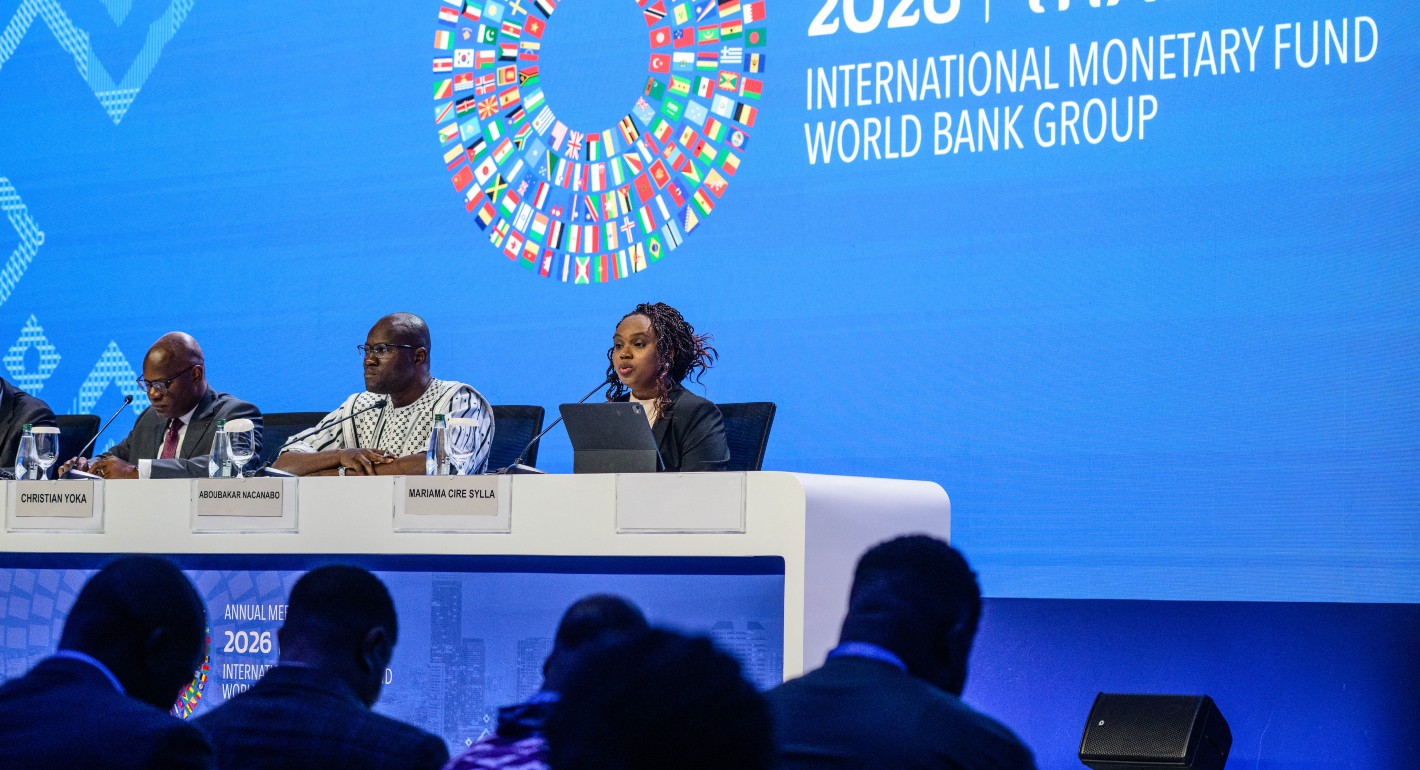
Global and rising powers will need to engage with Africa’s priorities and agency in order to secure the continent’s increasingly attractive partnerships.
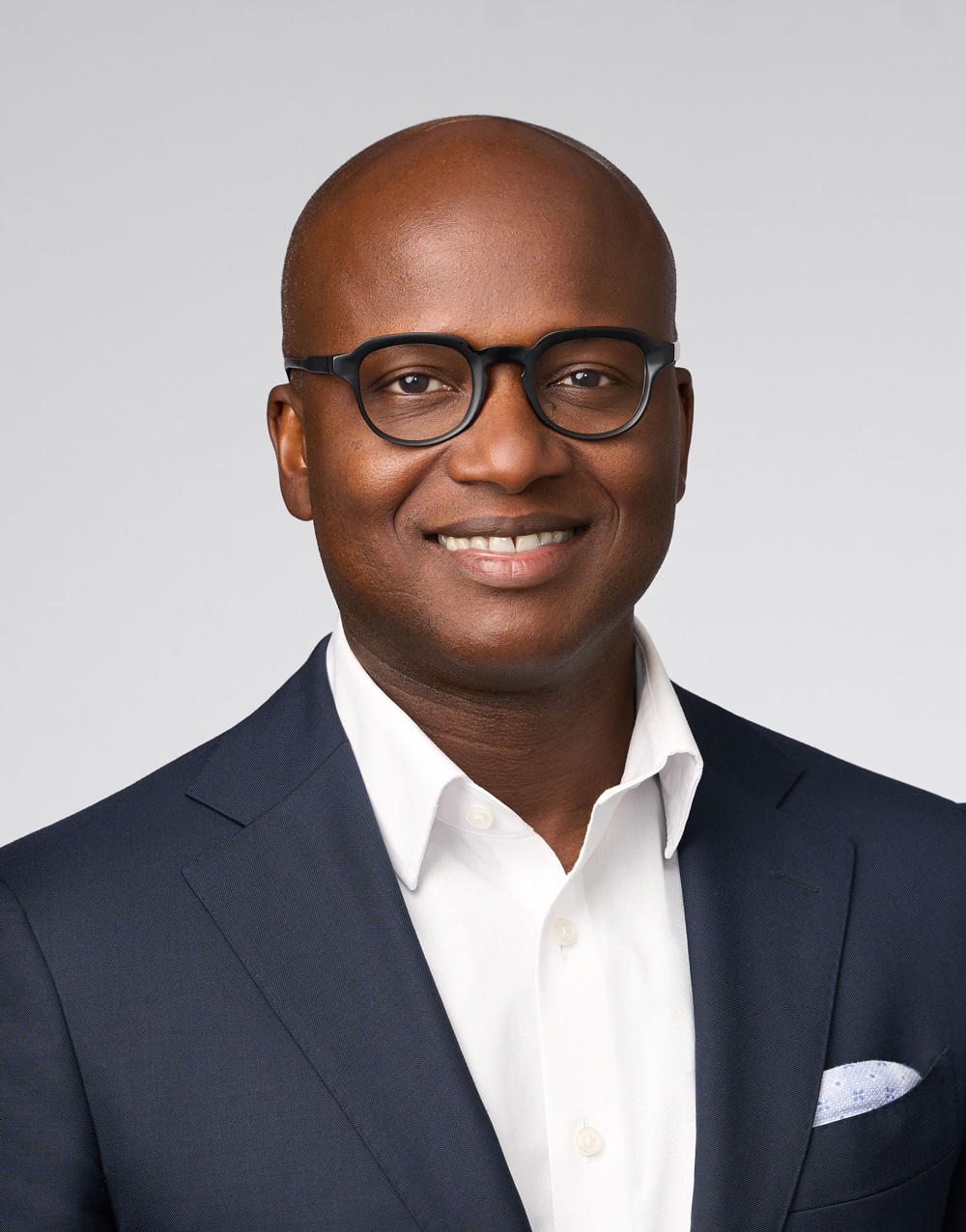
Fonteh Akum

Rubio’s recent visit brought welcome attention, but more capital requires governance changes that may be a hard sell for regional governments.

Jennifer B. Murtazashvili

America’s foreign-policy objectives have grown more demanding while Americans have demanded greater focus on their own affairs.

Stephen Wertheim