

Commentary
Nikolay Petrov
{
  "authors": [
    "Nikolay Petrov"
  ],
  "type": "legacyinthemedia",
  "centerAffiliationAll": "",
  "centers": [
    "Carnegie Endowment for International Peace",
    "Carnegie Russia Eurasia Center"
  ],
  "collections": [],
  "englishNewsletterAll": "",
  "nonEnglishNewsletterAll": "",
  "primaryCenter": "Carnegie Russia Eurasia Center",
  "programAffiliation": "",
  "programs": [],
  "projects": [],
  "regions": [
    "Caucasus",
    "Russia"
  ],
  "topics": [
    "Political Reform",
    "Economy"
  ]
}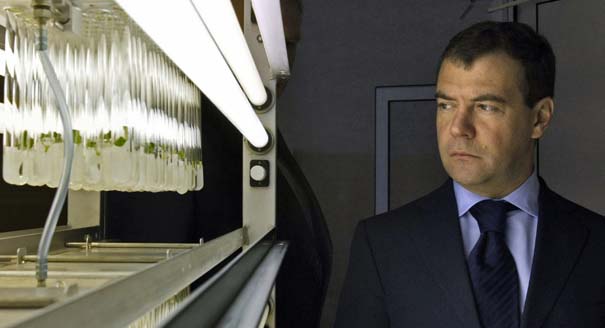
Source: Getty
Scientific and technological progress will not, on their own, lead to improvements in the political realm. The economy cannot be effective if the political system is insufficiently free.
Source: The Moscow Times

Medvedev’s article brings to mind statements made by Soviet leader Mikhail Gorbachev early in his term when he called for accelerating the country’s economic growth. Medvedev is still hostage to the 25-year-old idea that he, as president, is able to determine how, and in which direction, the economy should develop. He apparently believes that there is too much government in the social sphere, but in matters of the economy, he can personally tell “influential groups of corrupt officials and do-nothing ‘entrepreneurs’” what they should do and how they should do it in order to build a “new, free, prosperous and strong Russia.”
From this premise proceed five strategic vectors for “the economic modernization of our country” that he, as president, “recently identified.” At first glance, they resemble a new edition of the “national projects.” But unlike the previous projects, which served the interests of the people, these are designed for the sake of the state and to satisfy the ambitions of its leaders. The items on Medvedev’s list are revisions of then-President Vladimir Putin’s megaprojects, additions to the old idea of Russia as an energy and nuclear superpower.
The main problem lies not in defining where Medvedev envisions the possibility of economic breakthroughs occurring, but in his Soviet-era belief that scientific and technological progress will lead to improvements in the political realm. It apparently does not occur to him that the economy cannot be effective if the political system is insufficiently free or fair. If to use the analogy of a horse and cart, then the economy is the cart. According to Medvedev, we will also have an excellent political system one day. “It will be extremely open, flexible and inwardly complex,” he said. Medvedev argues that political reforms are already headed in the proper direction and that “we will not rush” these changes.
In his article, the president quotes both Alexander Pushkin and Confucius. At the same time, there is something in Medvedev’s style reminiscent of Nikolai Gogol and his character Manilov. In a political sense, Medvedev resembles Manilov in his inability to construct with either words or deeds a bridge that reaches from the problems of the present to the bright future he describes.
It does seem a bit strange for Medvedev to be asking in which direction we should proceed at the midpoint of his presidential term. But we can help the president by pointing to the old Chinese proverb, “The longest journey begins with the first step.” Medvedev’s first step toward driving political development should be to reinstate free, competitive elections. Once that is started, we will not so much have to accelerate growth, as keep it in check. Gorbachev achieved only limited success in this area. Perhaps Medvedev will fare better.
Go Medvedev!
Former Scholar-in-Residence, Society and Regions Program, Moscow Center
Nikolay Petrov was the chair of the Carnegie Moscow Center’s Society and Regions Program. Until 2006, he also worked at the Institute of Geography at the Russian Academy of Sciences, where he started to work in 1982.
Recent Work
Nikolay Petrov
Nikolay Petrov
Carnegie does not take institutional positions on public policy issues; the views represented herein are those of the author(s) and do not necessarily reflect the views of Carnegie, its staff, or its trustees.
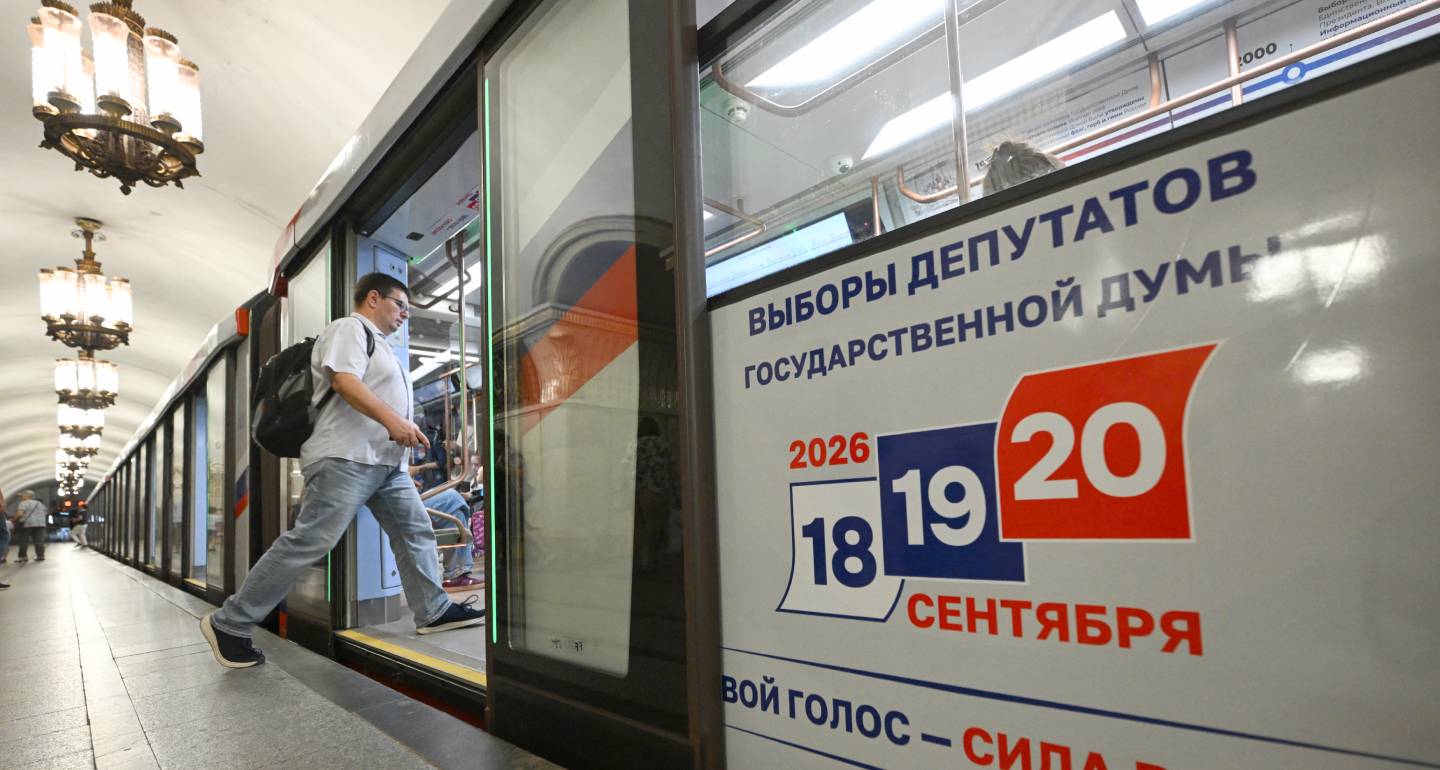
In the discussions made possible by the State Duma election campaign, one question is being asked more and more loudly. “What next?”

Andrey Pertsev
While the Nazis rushed ahead in a revolutionary fervor, Russia’s modern crusaders against enemies of the state work methodically, giving their targets time to adjust to restrictions before closing the loopholes.

Leonid Bershidsky
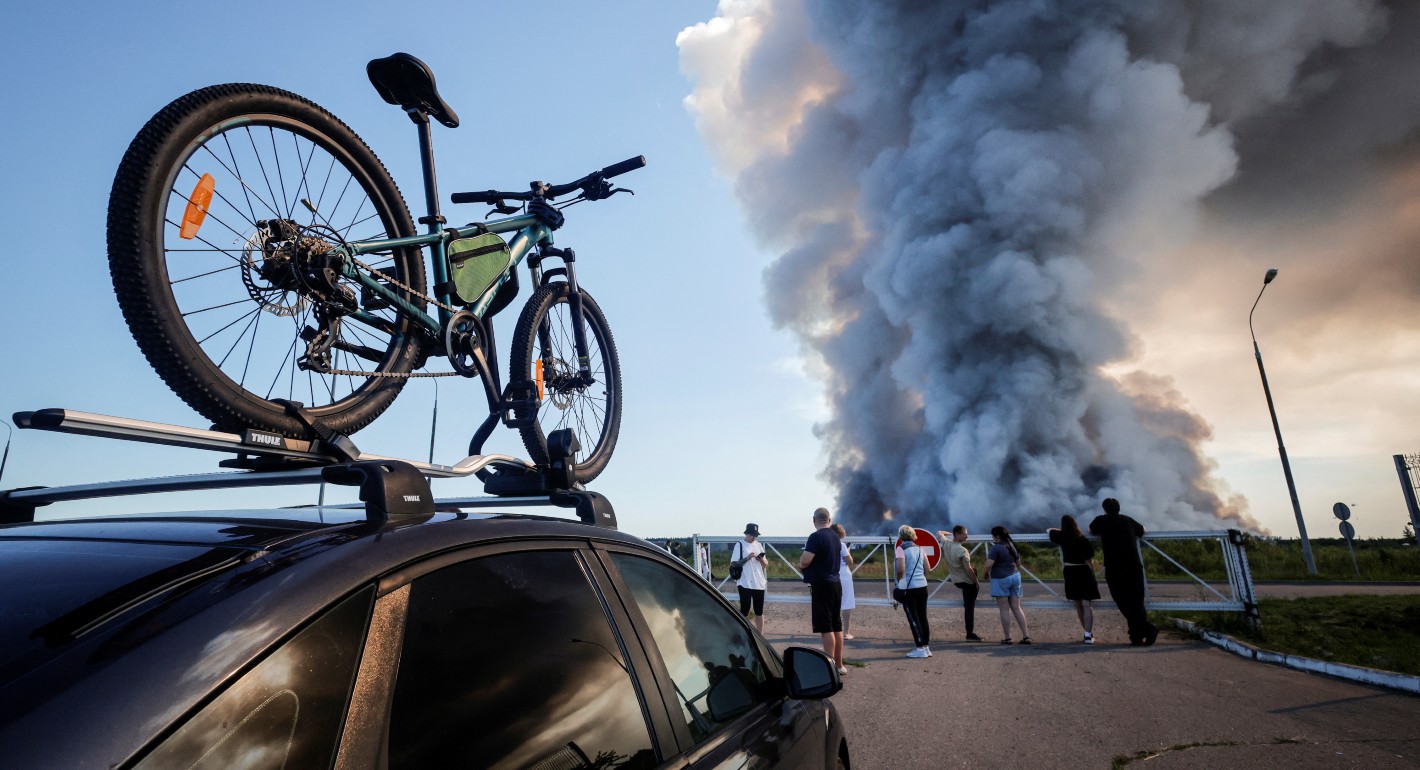
Media coverage suggests Kyiv’s fortunes have changed. That shift may be important, but it only goes so far.


Dara Massicot, Aaron David Miller, Andrew S. Weiss
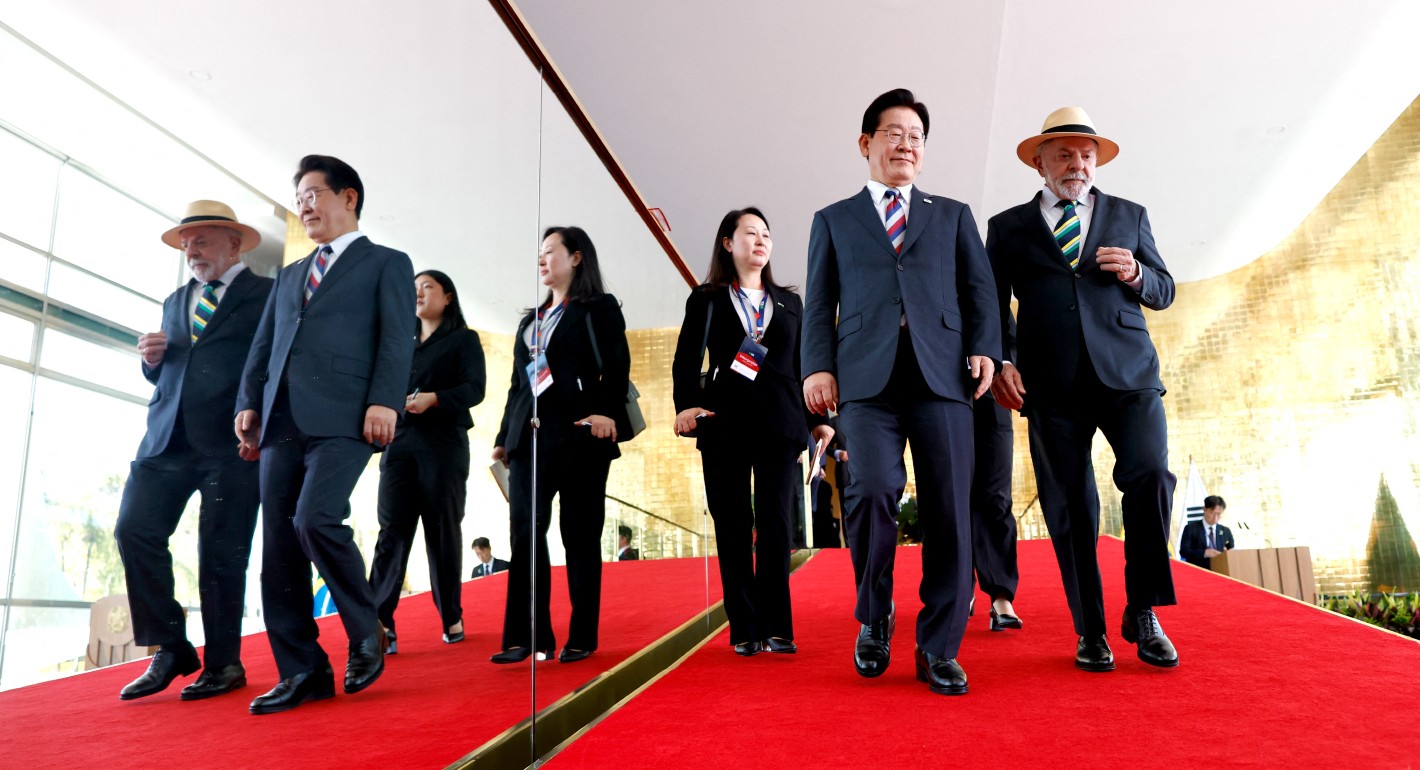
Lee’s tour shows how Seoul is reorganizing its diplomacy away from Pyongyang and toward industrial networks and the geography of the compute economy.

Darcie Draudt-Véjares
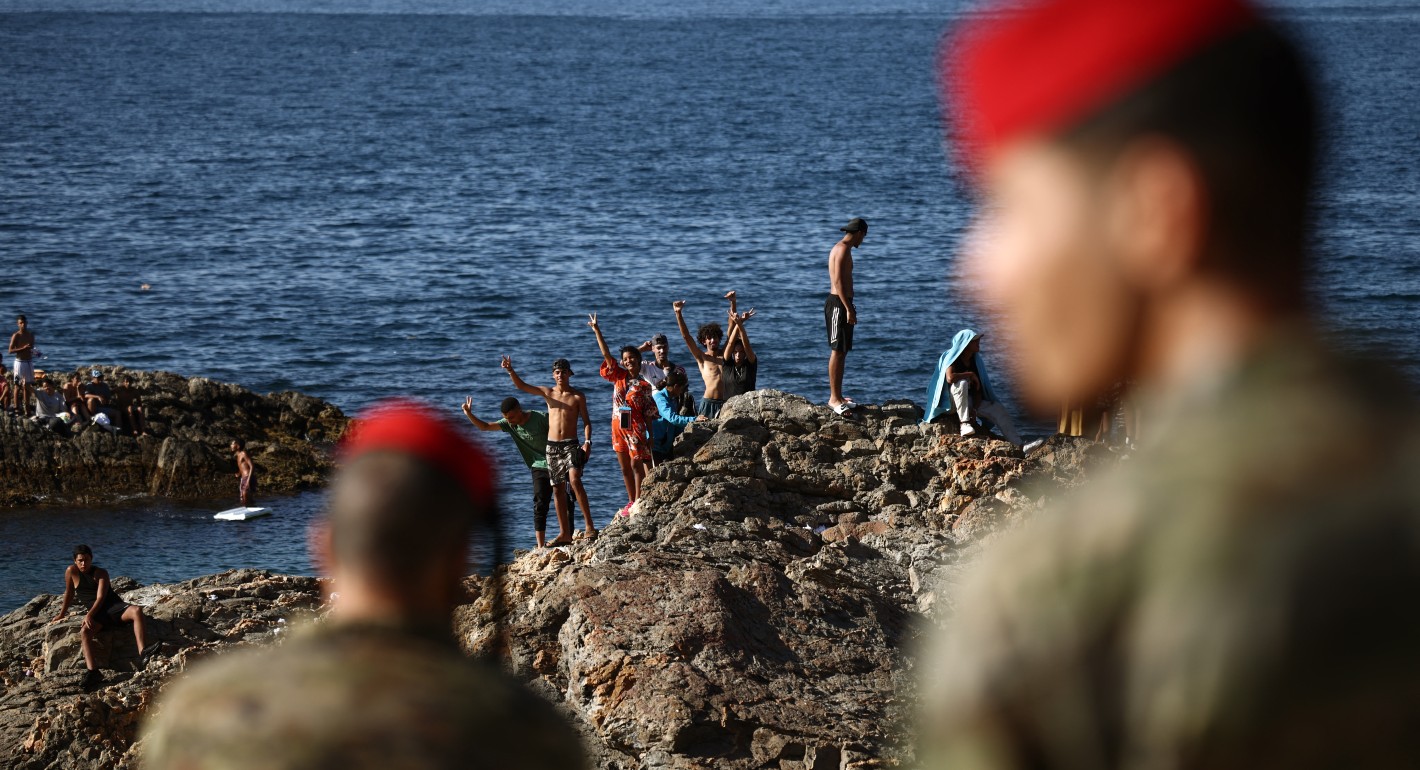
Most migrants may have left Ceuta, but the effects may linger.


Alejandro Martin Rodriguez, Sarah Yerkes