

Commentary
The aftermath of the Ceuta crisis shows Europe has drawn the wrong lessons. Rather than doubling down on failed migration policies, the EU needs to address the underlying roots of such episodes.
Richard Youngs
{
  "authors": [
    "Kimberly Misher"
  ],
  "type": "other",
  "centerAffiliationAll": "dc",
  "centers": [
    "Carnegie Endowment for International Peace"
  ],
  "collections": [
    "U.S. Nuclear Policy"
  ],
  "englishNewsletterAll": "ctw",
  "nonEnglishNewsletterAll": "",
  "primaryCenter": "Carnegie Endowment for International Peace",
  "programAffiliation": "NPP",
  "programs": [
    "Nuclear Policy"
  ],
  "projects": [],
  "regions": [
    "North America",
    "United States",
    "Caucasus",
    "Russia"
  ],
  "topics": [
    "Foreign Policy",
    "Nuclear Policy",
    "Nuclear Energy"
  ]
}
Source: Getty
President Obama's decision to reconfigure the proposed missile shield in Eastern Europe was the right one, based on technical, financial, political, and security considerations.
Critics of President Obama’s move to reconfigure the proposed missile shield in Europe have accused the administration of kowtowing to Russia in the naïve hope of increased pressure from Moscow on Iran. In a new policy outlook, Kimberly Misher contends that the president’s decision was the right one based on technical, financial, political, and security considerations.
Key Conclusions
“The Obama administration was right to evaluate planned missile defense deployments against tough standards of feasibility, affordability, and desirability,” writes Misher. “Its decision to reconfigure European missile defenses to meet a short- and medium-range Iranian missile threat demonstrates a commitment to European defenses, not an abandonment of its allies.”
Kimberly Misher
Former Program Manager, Nuclear Policy Program
Carnegie does not take institutional positions on public policy issues; the views represented herein are those of the author(s) and do not necessarily reflect the views of Carnegie, its staff, or its trustees.

The aftermath of the Ceuta crisis shows Europe has drawn the wrong lessons. Rather than doubling down on failed migration policies, the EU needs to address the underlying roots of such episodes.

Richard Youngs
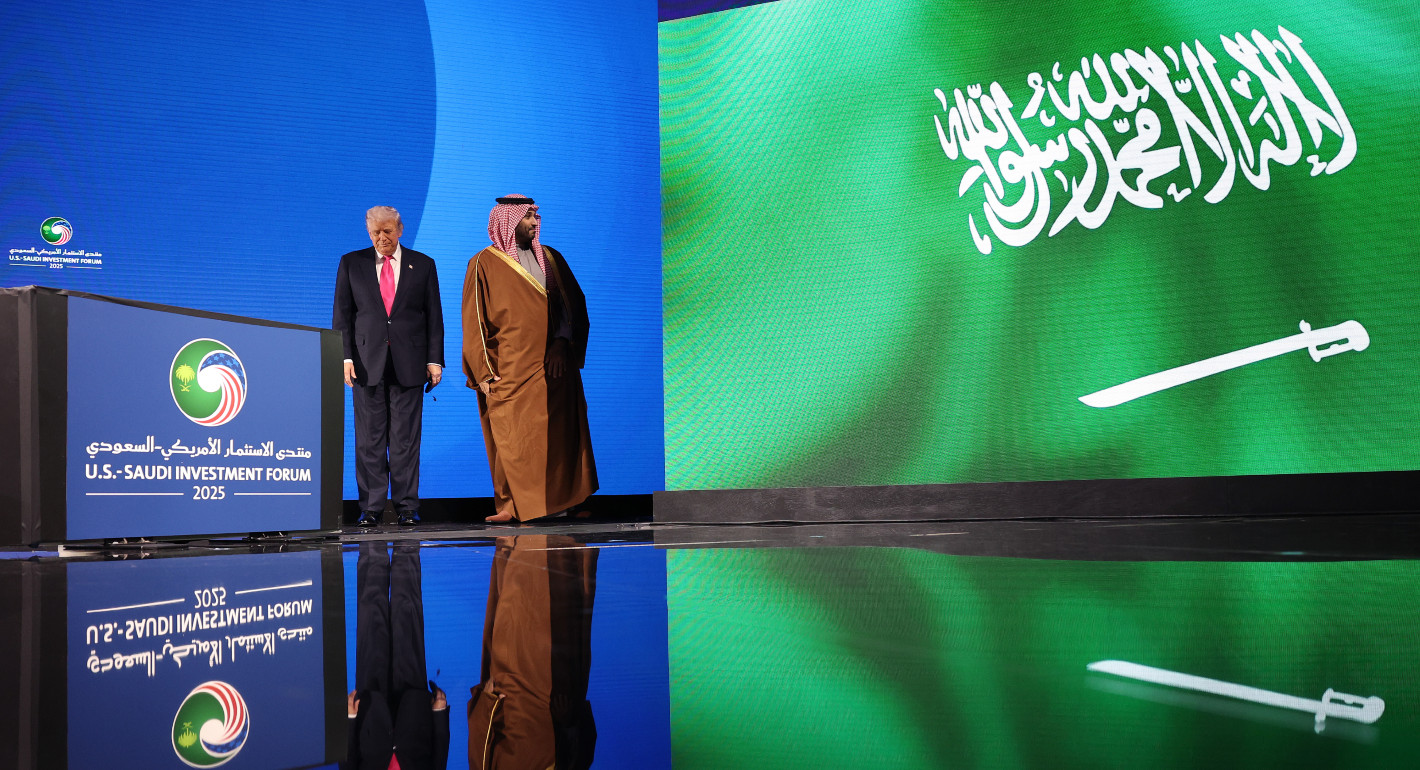
Congress should ask tough questions about the agreement’s more unique features and whether they advance U.S. interests or compromise them.

Jane Darby Menton

While France and Australia are seeking to establish the legal obligations of messaging apps like Telegram, Russia wants total subordination.

Maria Kolomychenko

To remain effective, organizations need to master new media and legitimacy markers to make a once-in-a-century shift.

Renée DiResta, Rachel Kleinfeld, Margot Treadwell

Congress needs to step up and make EXIM a low-carbon financing powerhouse.

Jesse Young