

• Research
  • Emissary
  • About
  • Experts
Carnegie Global logoCarnegie lettermark logo
DemocracyIran
  • Donate
{
  "authors": [
    "Christopher Boucek",
    "David Donadio"
  ],
  "type": "legacyinthemedia",
  "centerAffiliationAll": "dc",
  "centers": [
    "Carnegie Endowment for International Peace",
    "Carnegie Europe",
    "Malcolm H. Kerr Carnegie Middle East Center"
  ],
  "collections": [],
  "englishNewsletterAll": "menaTransitions",
  "nonEnglishNewsletterAll": "",
  "primaryCenter": "Carnegie Endowment for International Peace",
  "programAffiliation": "MEP",
  "programs": [
    "Middle East"
  ],
  "projects": [],
  "regions": [
    "Middle East",
    "Yemen",
    "Gulf"
  ],
  "topics": [
    "Security",
    "Political Reform",
    "Economy"
  ]
}

Source: Getty

In The Media

A Nation on the Brink

Al-Qaeda is not the only factor threatening Yemen’s stability. Water shortages, collapsing oil supplies, war, refugees, pirates, and poverty all put the country at risk of becoming a failed state.

Link Copied
By Christopher Boucek and David Donadio
Published on Mar 9, 2010
Program mobile hero image

Program

Middle East

The Middle East Program in Washington combines in-depth regional knowledge with incisive comparative analysis to provide deeply informed recommendations. With expertise in the Gulf, North Africa, Iran, and Israel/Palestine, we examine crosscutting themes of political, economic, and social change in both English and Arabic.

Learn More

Source: The Atlantic

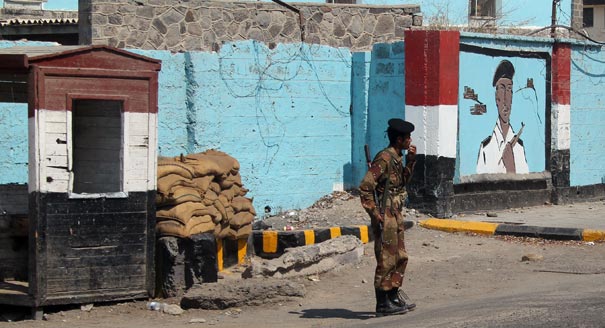
It’s also now clear that Yemen’s government lacks the capacity to exert full control over much of its territory. This has created a refuge from which al-Qaeda can mount terrorist attacks across the country—and increasingly across the wider world.

At the heart of all these problems is Yemen’s looming economic collapse. Already the poorest country in the Arab world, Yemen is rapidly depleting its oil reserves and lacks any options for creating a sustainable post-oil economy. Unemployment is estimated at 35 percent, higher than what the U.S. faced during the Great Depression.

Map: Why Yemen Is Failing

Map of Yemen
  • view map
Al-Qaeda, water shortages, collapsing oil supplies, war, refugees, pirates, and poverty all put Yemen at risk of becoming a failed state.

Accelerating the economic decline is a protracted civil war in the north between Shia insurgents and the Sana’a-based government. The war has caused a refugee crisis and extensive damage to infrastructure, and its costs will result in a major budget deficit next year. (The government is already burning through roughly $200 million in foreign-currency reserves per month.) Even if that war subsides, the worsening economy will likely inflame a roiling secessionist movement in the south. Yemen has often teetered on the brink of collapse, but it has never faced so many interconnected challenges at once. And the stakes have never been greater.

About the Authors

Christopher Boucek

Former Associate, Middle East Program

Boucek was an associate in the Carnegie Middle East Program where his research focused on security challenges in the Arabian Peninsula and Northern Africa.

David Donadio

Former Editorial Services Manager

Authors

Christopher Boucek
Former Associate, Middle East Program
Christopher Boucek
David Donadio
Former Editorial Services Manager
SecurityPolitical ReformEconomyMiddle EastYemenGulf

Carnegie does not take institutional positions on public policy issues; the views represented herein are those of the author(s) and do not necessarily reflect the views of Carnegie, its staff, or its trustees.

More Work from Carnegie Endowment for International Peace

  • Recruit polices vow as they join in the police at Beijing Public Security Bureau on February 18, 2011 in Beijing, China. (
    Paper
    China’s Police and Security Cooperation Agreements

    China’s Ministry of Public Security is often portrayed as a domestic law enforcement agency, but it is also a global security actor. This paper explores how MPS has used international law enforcement and security cooperation agreements—over 200 since 2006—to advance China’s vision of security in a changing global environment.  

      • Sheena Chestnut Greitens

      Sophie Zhuang, Sheena Chestnut Greitens, Cameron Waltz

  • Commentary
    Carnegie Politika
    Could Migrants From India and Africa Solve Russia’s Labor Shortage?

    The demands of the Kremlin’s war in Ukraine, demographic problems, and public hostility toward Central Asians mean Russia does not have enough workers.  

      Salavat Abylkalikov

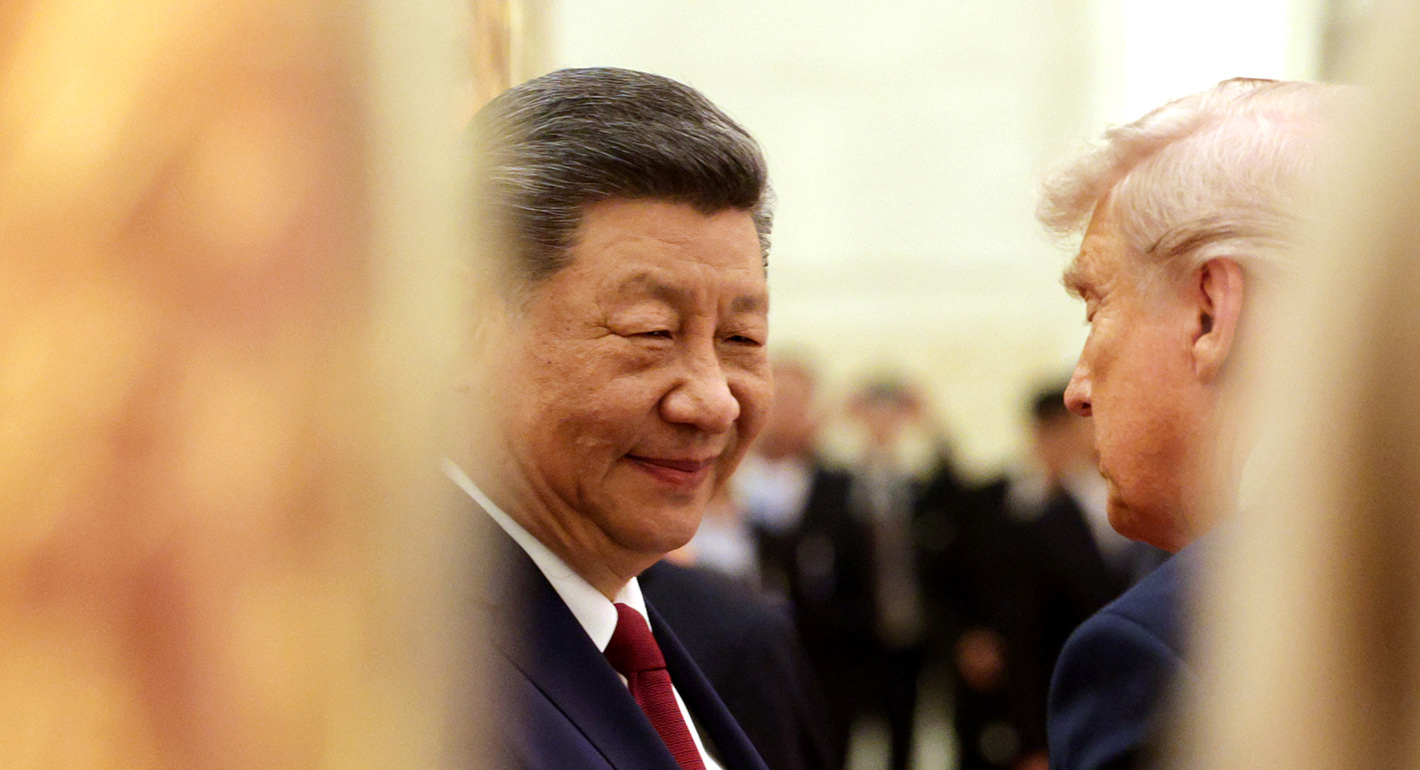
  • Chinese President Xi Jinping interacts with U.S. President Donald Trump during a state banquet at the Great Hall of the People on May 14, 2026 in Beijing, China.
    Commentary
    Post U.S.-China Summit: Managed Instability

    The U.S.-China Summit produced a welcome commitment to build a constructive, strategically stable relationship. However, the United States has a full agenda, including the USMCA review beginning this week, that will likely target Chinese practices of concern. If China views these efforts as inconsistent with the agreements reached in Beijing, it may slow or halt progress in response. 

      • Barbara Weisel

      Barbara Weisel

  • Commentary
    Can Europe Compete with the United States and China?

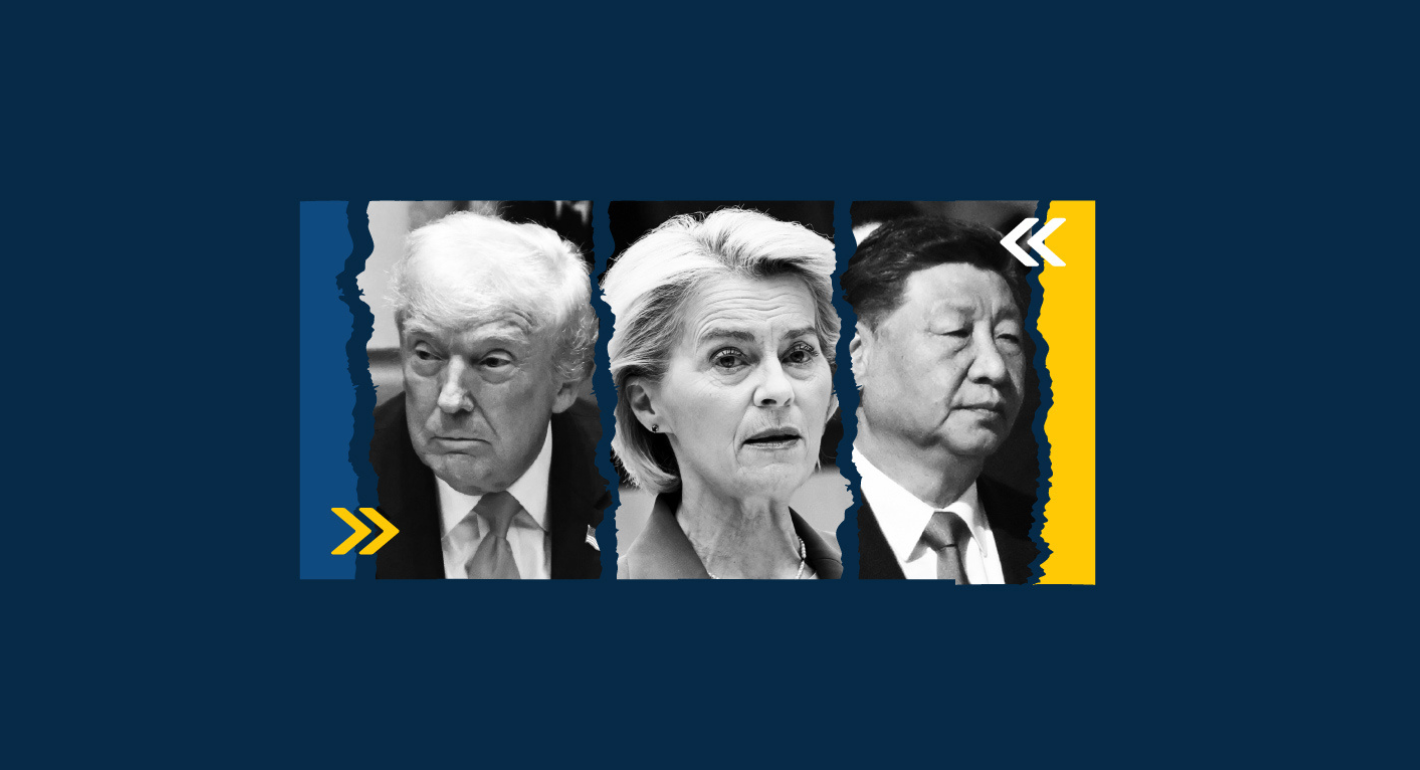
    Between the United States’ market-driven approach and China's state-led industrial strategy, Europe is reckoning with how it can remain competitive in the global economy. But is Europe in danger of becoming a U.S. or China colony?

      Noah Barkin, Anu Bradford

  • Commentary
    Carnegie Politika
    Russian Market Sours for Belarusian State Companies

    Minsk’s faith in the future of its larger neighbor’s economy is fading as Belarusian firms in Russia see record losses.    

      Olga Loiko

Get more news and analysis from
Carnegie Endowment for International Peace
Carnegie global logo, stacked
1779 Massachusetts Avenue NWWashington, DC, 20036-2103Phone: 202 483 7600
  • Research
  • Emissary
  • About
  • Experts
  • Donate
  • Programs
  • Events
  • Blogs
  • Podcasts
  • Contact
  • Annual Reports
  • Careers
  • Privacy
  • For Media
  • Government Resources
Get more news and analysis from
Carnegie Endowment for International Peace
© 2026 Carnegie Endowment for International Peace. All rights reserved.