

Paper
Amr Hamzawy, Sarah Yerkes, Kathryn Selfe
{
  "authors": [
    "Amr Hamzawy"
  ],
  "type": "legacyinthemedia",
  "centerAffiliationAll": "dc",
  "centers": [
    "Carnegie Endowment for International Peace",
    "Carnegie Europe",
    "Malcolm H. Kerr Carnegie Middle East Center"
  ],
  "collections": [
    "Arab Awakening"
  ],
  "englishNewsletterAll": "menaTransitions",
  "nonEnglishNewsletterAll": "",
  "primaryCenter": "Carnegie Endowment for International Peace",
  "programAffiliation": "MEP",
  "programs": [
    "Middle East"
  ],
  "projects": [],
  "regions": [
    "North Africa",
    "Egypt",
    "Middle East"
  ],
  "topics": [
    "Political Reform"
  ]
}
Source: Getty
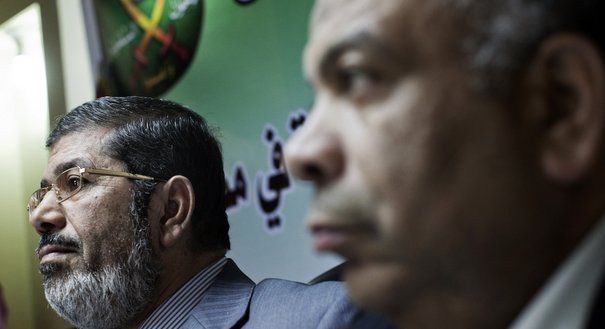
While there is an irrational fear in the United States that Egypt's move toward democracy will be hijacked by the Muslim Brotherhood, the Egyptian uprising has been democratic—not ideological—and there is no real danger that Islamists will take control.
Source: Bloomberg

Events in Egypt have been unfolding at a fast pace, while the international community has been slow to respond. The scale of the protests caught the U.S. off guard and officials in Washington have been struggling to define a consistent policy ever since. The Obama administration has changed its position so many times in the last few weeks that it has damaged its credibility and made it hard for people in and out of Egypt to understand what the U.S. actually wants.
Now there seems to be a concern that if President Hosni Mubarak leaves too soon, chaos will ensue and the Muslim Brotherhood could emerge as the biggest winner. But Egypt’s state structure is strong enough to withstand Mubarak’s ouster and there is no reason to think the protests will turn violent again.
Western governments too often are preoccupied with irrelevant issues, notably the supposed Islamist threat. This isn’t what the protests are about. The Muslim Brotherhood didn’t mobilize the massive crowds that are now capturing the imagination of Arab reformers. The demonstrators are largely made up of the silent majority: people who are demanding political rights and democracy. This is exactly what the West needs to support.
With this in mind, the international community should be working to define what a peaceful transition to democracy should look like in Egypt and push for this to happen. Instead of fixating on Mubarak or the Islamists, officials in Washington need to consistently support political change.
And the best road to democracy is already known. I am a member of the so-called Committee of Wise Men -- a group of businessmen, legal experts and intellectuals. We recommend a set of specific changes and have met with young protesters as well as Vice President Omar Suleiman and Prime Minister Ahmed Shafik in the past week.
Mubarak -- whether he departs immediately or stays on as an honorary president as he now plans -- needs to hand power over to Suleiman as a transitional measure. Parliament, the result of illegitimate elections at the end of last year, needs to be dissolved and a constitutional assembly of independent legal experts should oversee amendments that will reshape Egyptian politics. The emergency law that extends police powers and suspends constitutional rights must be terminated. Finally, parliamentary and presidential elections should be held in six months.
There is a real fear among Egyptians that the existing establishment will arrest any movement toward true democracy and reconsolidate its absolute power. This is what Washington needs to worry about. Mubarak is trying to do just enough to hang on to power. By dividing the opposition through minor concessions, the regime is hoping to bide enough time to outlast the protesters and avoid serious change.
Washington needs to be on democracy’s side. It is an historic moment in Egypt and the almost three decades of uninterrupted rule may soon come to an end. The U.S. has a clear opportunity to help ensure that this is the beginning of Egypt’s move to democracy -- but it can’t be sidetracked by illogical concerns about the strength of the Muslim Brotherhood.

Director, Middle East Program
Amr Hamzawy is a senior fellow and the director of the Carnegie Middle East Program. His research and writings focus on governance in the Middle East and North Africa, social vulnerability, and the different roles of governments and civil societies in the region.
Recent Work
Amr Hamzawy, Sarah Yerkes, Kathryn Selfe
Amr Hamzawy, Sarah Yerkes
Carnegie does not take institutional positions on public policy issues; the views represented herein are those of the author(s) and do not necessarily reflect the views of Carnegie, its staff, or its trustees.
Two experts discuss how drone technology is shaping yet another conflict and what the United States can learn from Ukraine.
Steve Feldstein, Dara Massicot
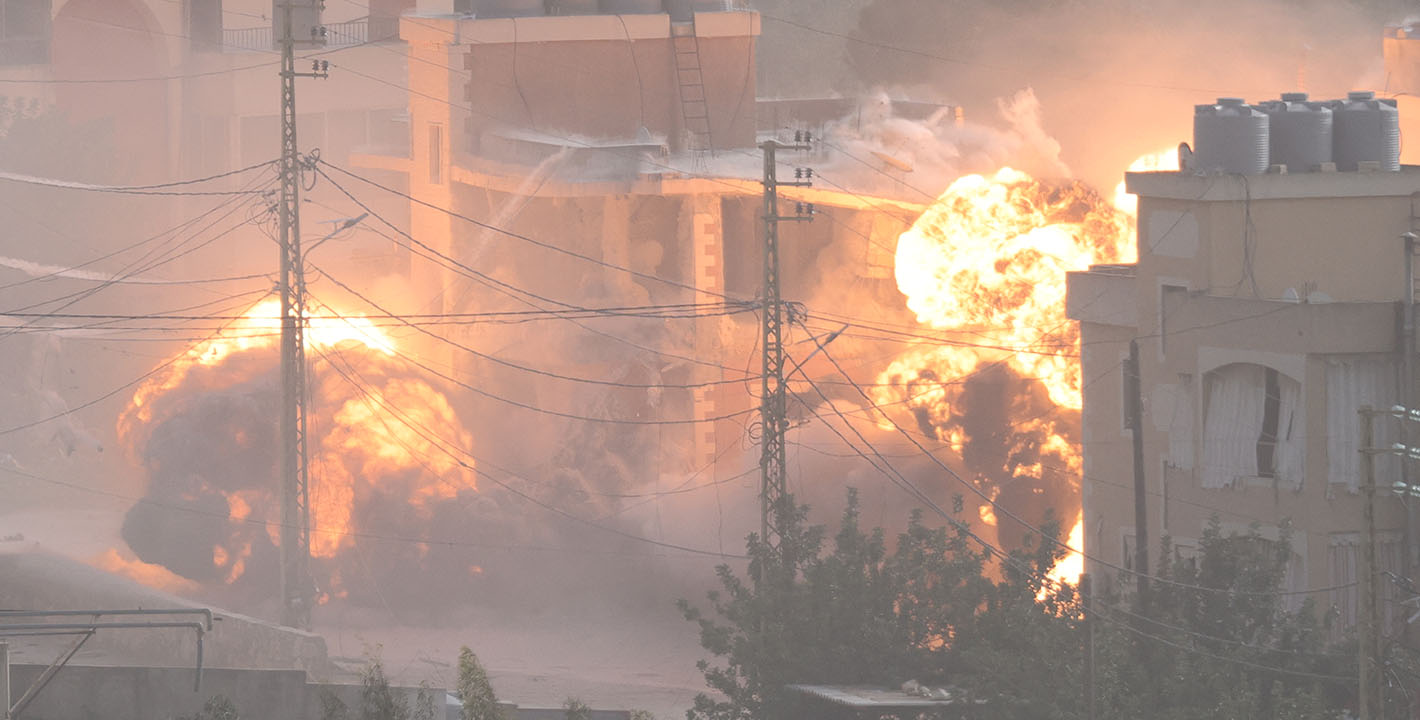
As Iran defends its interests in the region and its regime’s survival, it may push Hezbollah into the abyss.

Michael Young
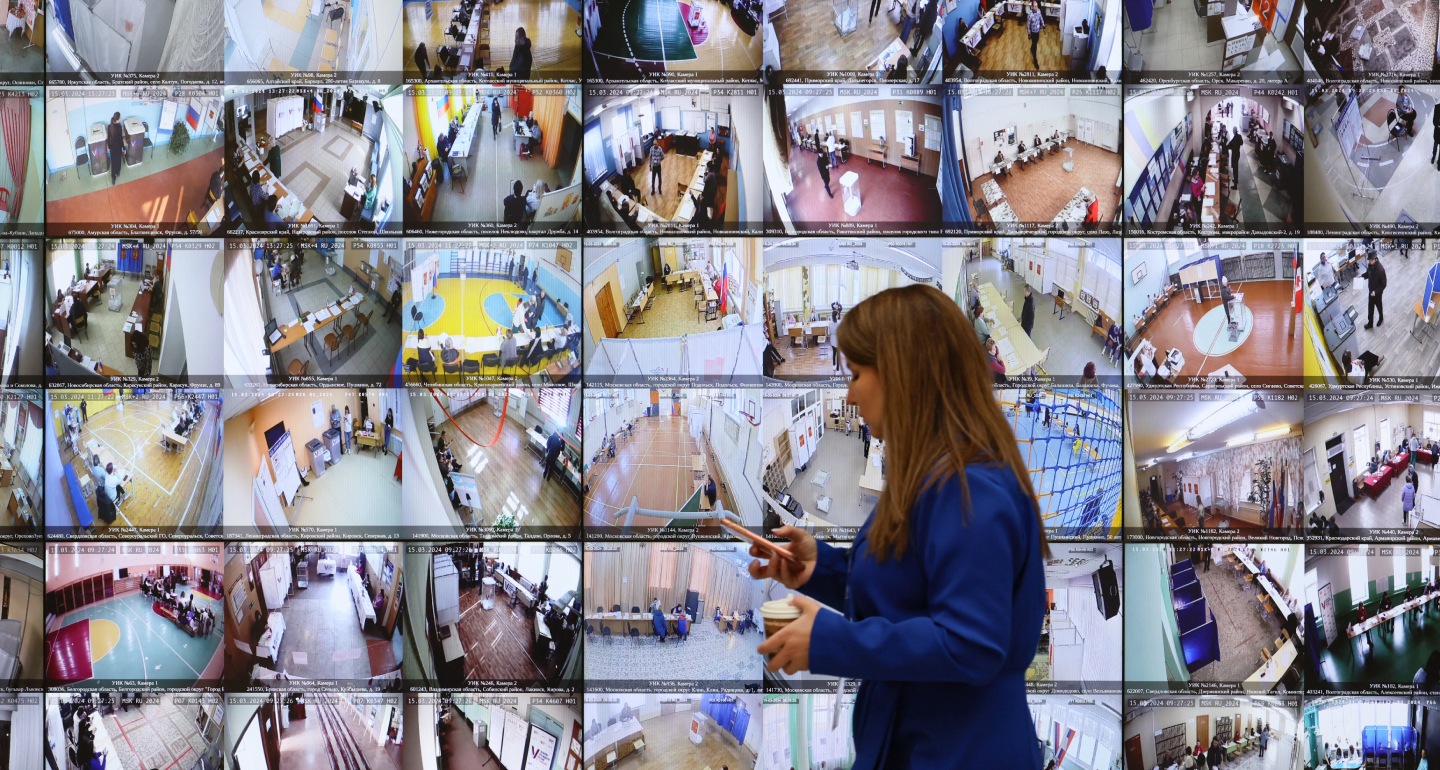
The use of technology to mobilize Russians to vote—a system tied to the relative material well-being of the electorate, its high dependence on the state, and a far-reaching system of digital control—is breaking down.

Andrey Pertsev
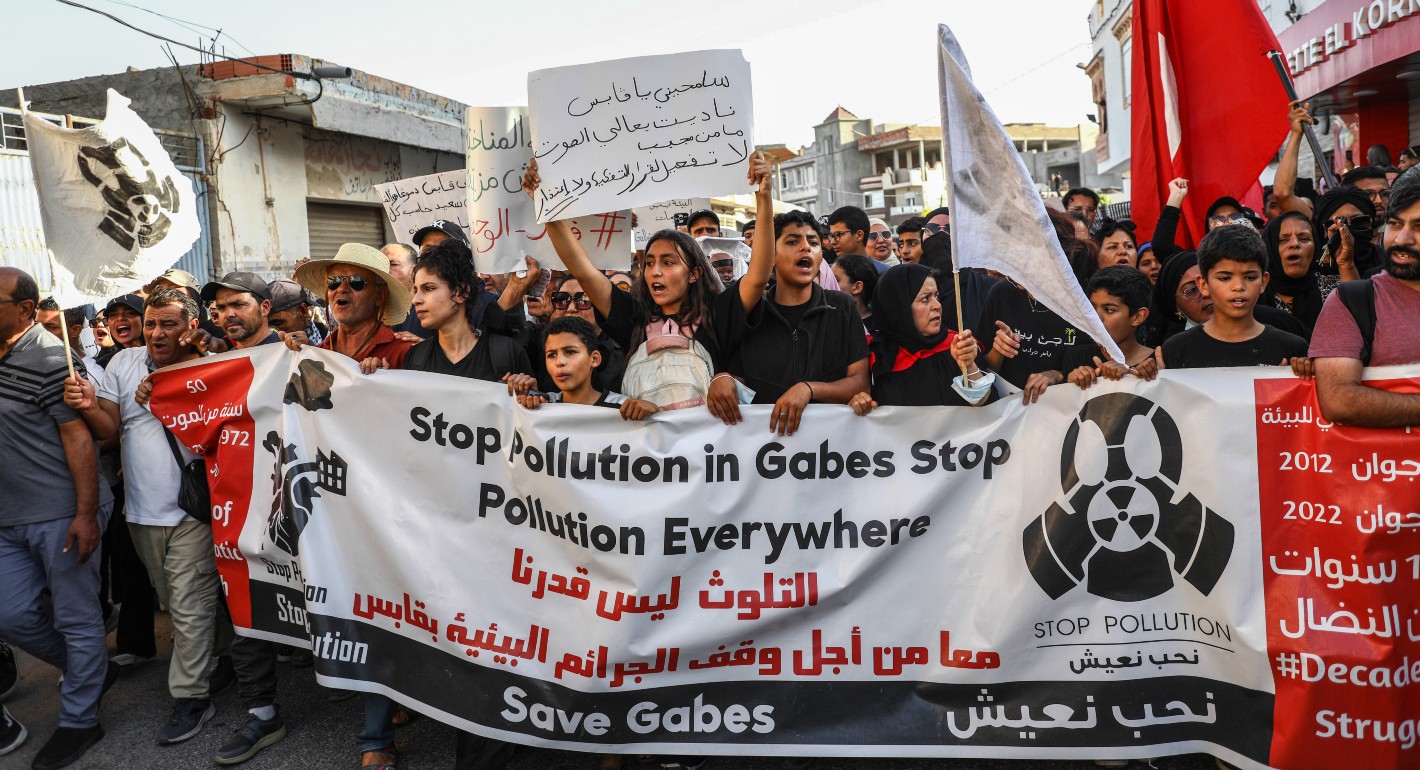
For climate-focused civil society in countries like Morocco, Algeria, and Tunisia to be most effective, organizations should work together to develop networks that extend their reach beyond their local area and connect across borders to share best practices and amplify each other’s work.
Sarah Yerkes
The recent African Cup of Nations tournament in Morocco touched on issues that largely transcended the sport.


Issam Kayssi, Yasmine Zarhloule