

Paper
Ashley J. Tellis
{
  "authors": [
    "Ashley J. Tellis"
  ],
  "type": "legacyinthemedia",
  "centerAffiliationAll": "dc",
  "centers": [
    "Carnegie Endowment for International Peace"
  ],
  "collections": [],
  "englishNewsletterAll": "ctw",
  "nonEnglishNewsletterAll": "",
  "primaryCenter": "Carnegie Endowment for International Peace",
  "programAffiliation": "SAP",
  "programs": [
    "South Asia"
  ],
  "projects": [],
  "regions": [
    "South Asia",
    "India"
  ],
  "topics": [
    "Security",
    "Military",
    "Foreign Policy"
  ]
}
REQUIRED IMAGE
India's rejection of America's F-16IN and F/A-18E/F in its MMRCA competition was not a strategic snub, but rather the product of technical considerations alone.
Source: Force

Many analysts have explained India’s decision as an expression of concern over America’s reliability as an arms supplier, or representing dissatisfaction with potential transfers of key technologies, or even an attempt to distance itself from the United States. In a new article in Force, Carnegie’s Ashley J. Tellis concludes that these explanations are incorrect, and describes how India’s “down-select” decision was made entirely on technical grounds. The two-step procurement procedure adopted by the Indian Ministry of Defense precluded political, strategic, or financial considerations from intervening in any way. Though this process might not serve India’s larger national security interests in an age of limited resources and numerous threats, India’s decision does not represent a strategic setback for U.S.-Indian defense cooperation over the long term.
Former Senior Fellow
Ashley J. Tellis was a senior fellow at the Carnegie Endowment for International Peace.
Recent Work
Ashley J. Tellis
Ashley J. Tellis
Carnegie does not take institutional positions on public policy issues; the views represented herein are those of the author(s) and do not necessarily reflect the views of Carnegie, its staff, or its trustees.
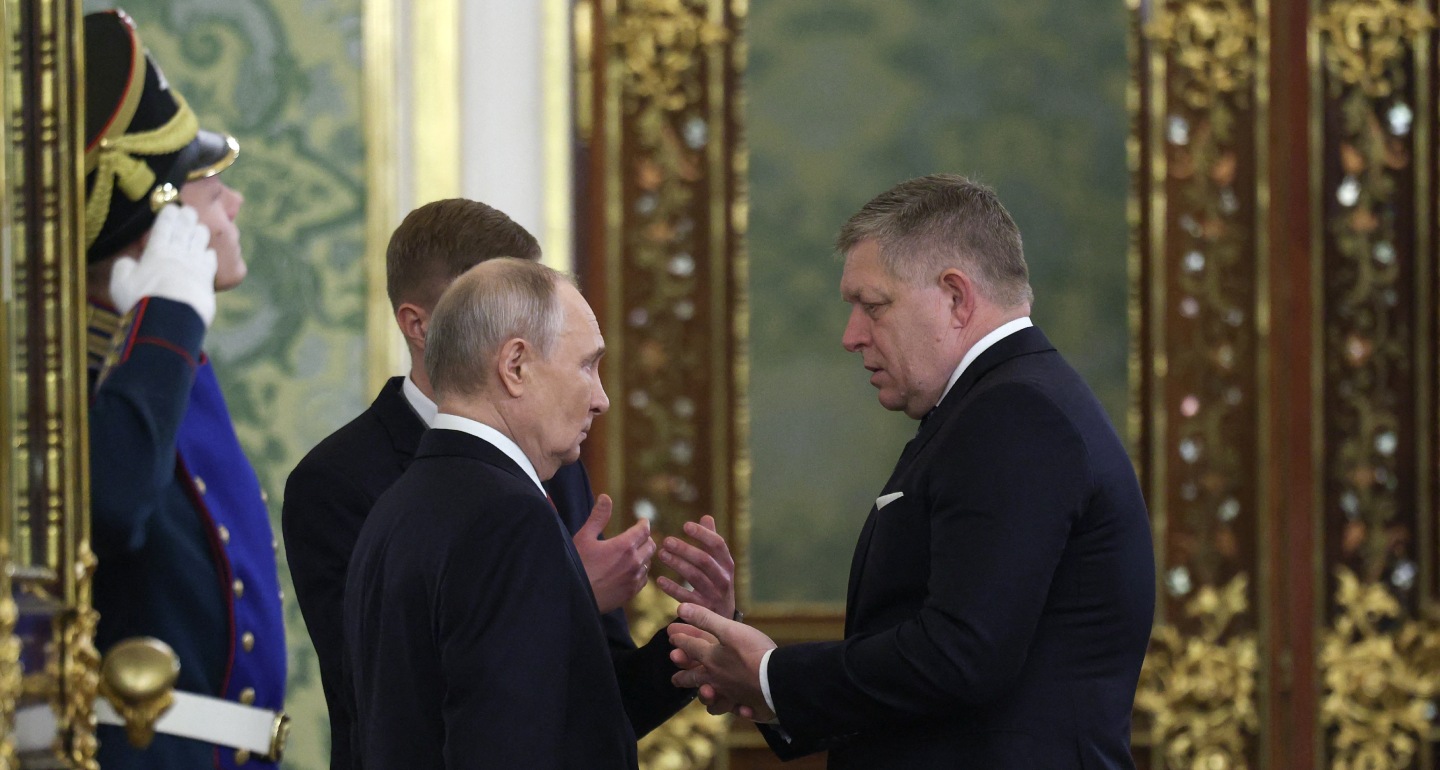
Though Orban is gone, Putin can still count on some like-minded individuals in Central and Eastern Europe. However, they will seek to avoid open confrontation with EU institutions over Ukraine and their ties with Moscow.

Dimitar Bechev

The truth is that Japan’s government is seeking a degree of reengagement but at a vastly reduced level than under Abe. Most significantly, Japan has shown no willingness to ease sanctions.

James D.J. Brown

Azerbaijan’s relations with the EU appear to be going from strength to strength after several years in the deep freeze following the military escalation in Karabakh in 2023 and Azerbaijan’s bitter fallout with France and several other EU member states.

Shujaat Ahmadzada
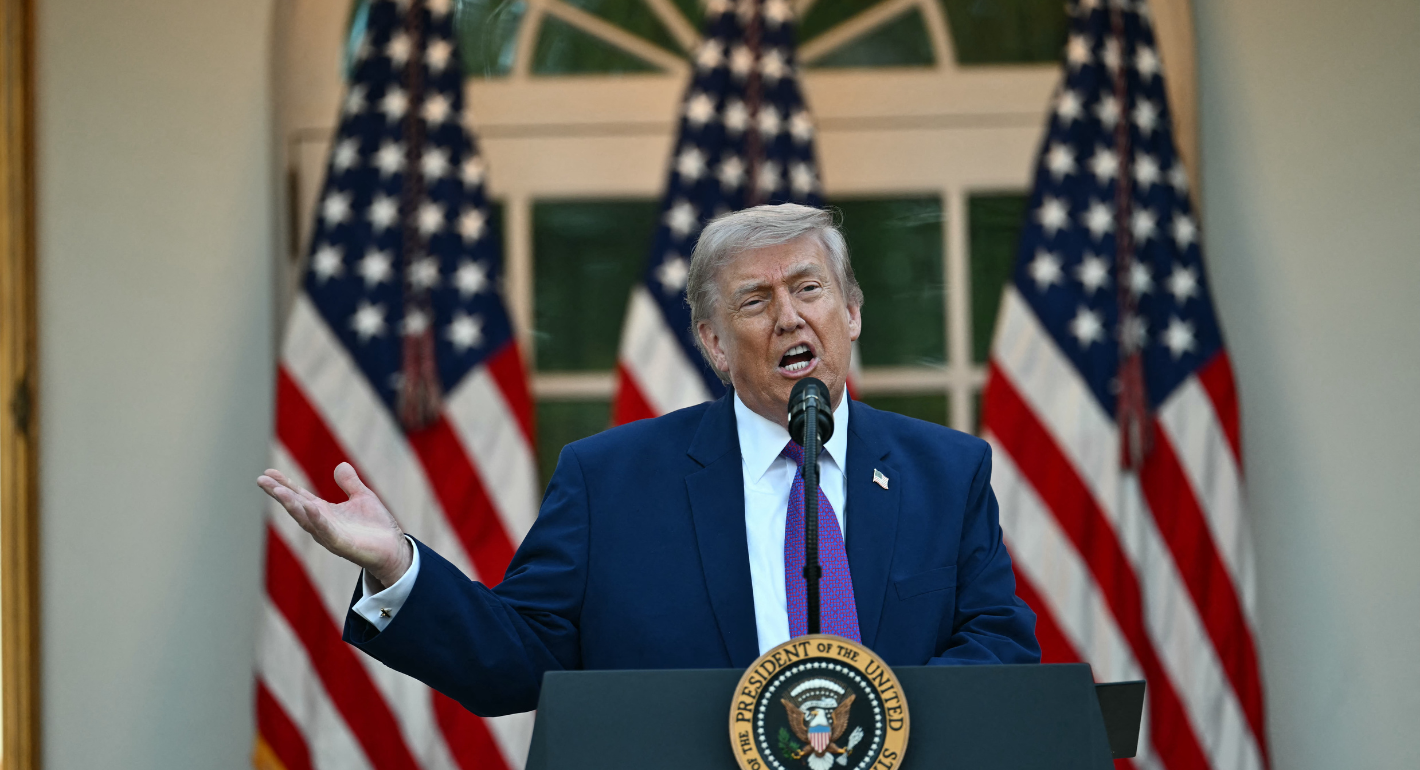
The full list of humiliations Europe has endured since Donald Trump returned to the White House makes for grim reading. But Washington’s adversarial approach to its allies undermines its own power base.

Rym Momtaz
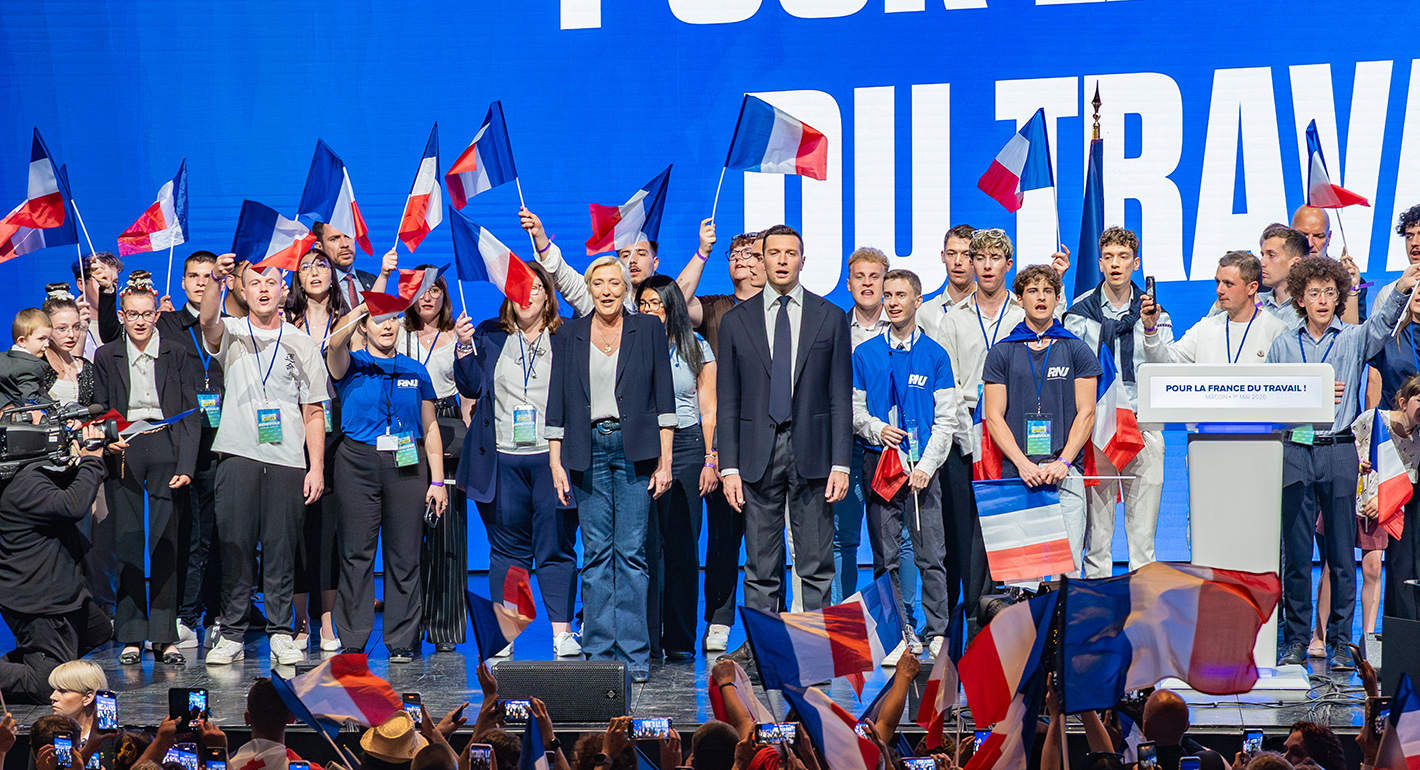
The National Rally’s electoral strength, coupled with its internal fragility at a crucial political juncture, contributes to foreign policy vagueness.

Catherine Fieschi