

Paper
Ibrahim Saif, Ahmed Ghoneim
{
  "authors": [
    "Ibrahim Saif"
  ],
  "type": "legacyinthemedia",
  "centerAffiliationAll": "",
  "centers": [
    "Carnegie Endowment for International Peace",
    "Malcolm H. Kerr Carnegie Middle East Center"
  ],
  "collections": [],
  "englishNewsletterAll": "",
  "nonEnglishNewsletterAll": "",
  "primaryCenter": "Malcolm H. Kerr Carnegie Middle East Center",
  "programAffiliation": "",
  "programs": [],
  "projects": [],
  "regions": [
    "Egypt",
    "Maghreb"
  ],
  "topics": [
    "Political Reform",
    "Economy"
  ]
}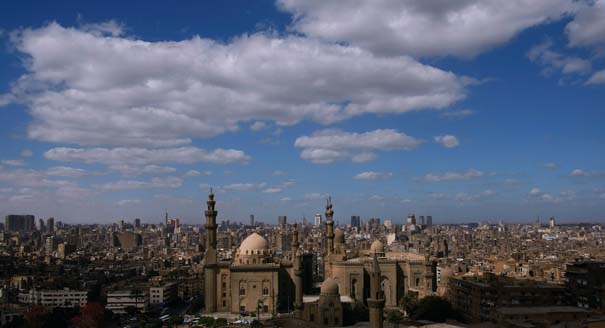
Source: Getty
The major challenge facing Arab states transitioning from totalitarian regimes to democracy is how to manage social expenditures, such as state spending on health, education, subsidies to poor citizens, pensions, and social security for those working in the private sector.
Source: Los Angeles Times

The amounts spent on social expenditures -- about 40% to 50% of GDP -- are high in the Arab states, including Morocco, Tunisia, Egypt, Jordan, Lebanon, and Syria. This means that the chances of allocating additional resources for social expenses are slim.
In addition, social spending is distinguished by low levels of competency, especially in healthcare and education -- the two sectors that capture the greatest share of social expenditure. These sectors are usually not subject to oversight and lack indicators to measure their operational efficiency. Most of the expenditures go to wages and salaries, rather than to areas such as research and development, which could help improve competency and reduce waste.
These sectors also are resistant to change. They are based on obsolete regulations and bureaucratic measures that are difficult to change. Because of the low average employee salary, they often do not attract the most competent candidates and offer employees too few incentives to increase their work efficiency and motivation.
The mechanism for targeting expenditure is seriously flawed as well, and the targets are not usually reached. For example, subsidizing a commodity such as bread or fuel means allocating larger subsidies to those who consume more, which benefits the rich rather than the poor, as the former are the largest consumers.
Finally, social expenditure is often used for political ends. The ruling regimes direct spending to purchase political loyalty based on geography or demography, regardless of whether beneficiaries need the help.
As several Arab states suffer from serious budget deficits, social expenditure remains one of the basic avenues to provide social justice alongside economic growth, the two main citizens’ demands during the "Arab Spring."
But states are unable to fulfill citizens' demands by providing sufficient work opportunities, because the public sector is already saturated and the private sector suffers a lack of dynamism stemming from low levels of investments due to public-policy uncertainties.
Governments thus find themselves facing difficult choices. The emerging political regimes -- such as those in Egypt and Tunisia -- are aware of the problems associated with public expenditure, but halting it risks exacerbating the current situation. Yet they are also unable to expand spending in order to meet citizens' desires.
It's worth drawing a distinction between two kinds of expenditure. The first yields swift results and has direct political effects, such as direct commodity subsidies or cash handouts. It is therefore considered to have a high political return, which urges politicians to pursue it despite its negative long-term effects on the state treasury, such as a burdensome fiscal deficit.
The second kind of expenditure is associated with longer-range concerns, such as education and healthcare and its effects do not appear quickly and are thus not considered priorities. Even though education and healthcare are essential sectors, few resources are allocated to reforming them because obtaining significant results would require years.
The challenge of reconciling states' present and strategic interests can be overcome by implementing new policies. For example, the arbitrariness of commodity subsidy policies has negative financial and political consequences and sometimes deepens the imbalance it sought to correct. Subsidies aimed at poor individuals can achieve an acceptable level of social justice, but mismanagement of such expenditure deepens the existing imbalances. In this regard, policymakers must design policies to reach their targeted groups instead of the arbitrary policy adopted now. That would improve the efficacy of social spending and reduce public dissatisfaction with the current policy.
Moreover, there is a pressing need for good governance and transparency in social expenditure, in order to enhance better regulation and control over it. But improving governance requires institutions that can oversee the government, channels for citizens to participate in setting priorities, and better political institutions as well. The international community and donors can play a more serious role in oversight and consultations to set priorities. Past experience reveals that direct budget-support models used by a number of donor states with recipient states have often failed.
Social expenditure is no doubt a central avenue for approaching social justice. The money currently being spent, however, is not achieving its goals, and continuing with the same model is not sustainable. Reconciling compliance with citizens' present demands with planning for long-term, strategic goals is a first step in the right direction. Much more can be done to improve the management of such spending, so that citizens can judge the effectiveness of the new regimes. But without oversight, the strategy of giving grants and donations to protect the poor is no longer convincing and cannot continue.
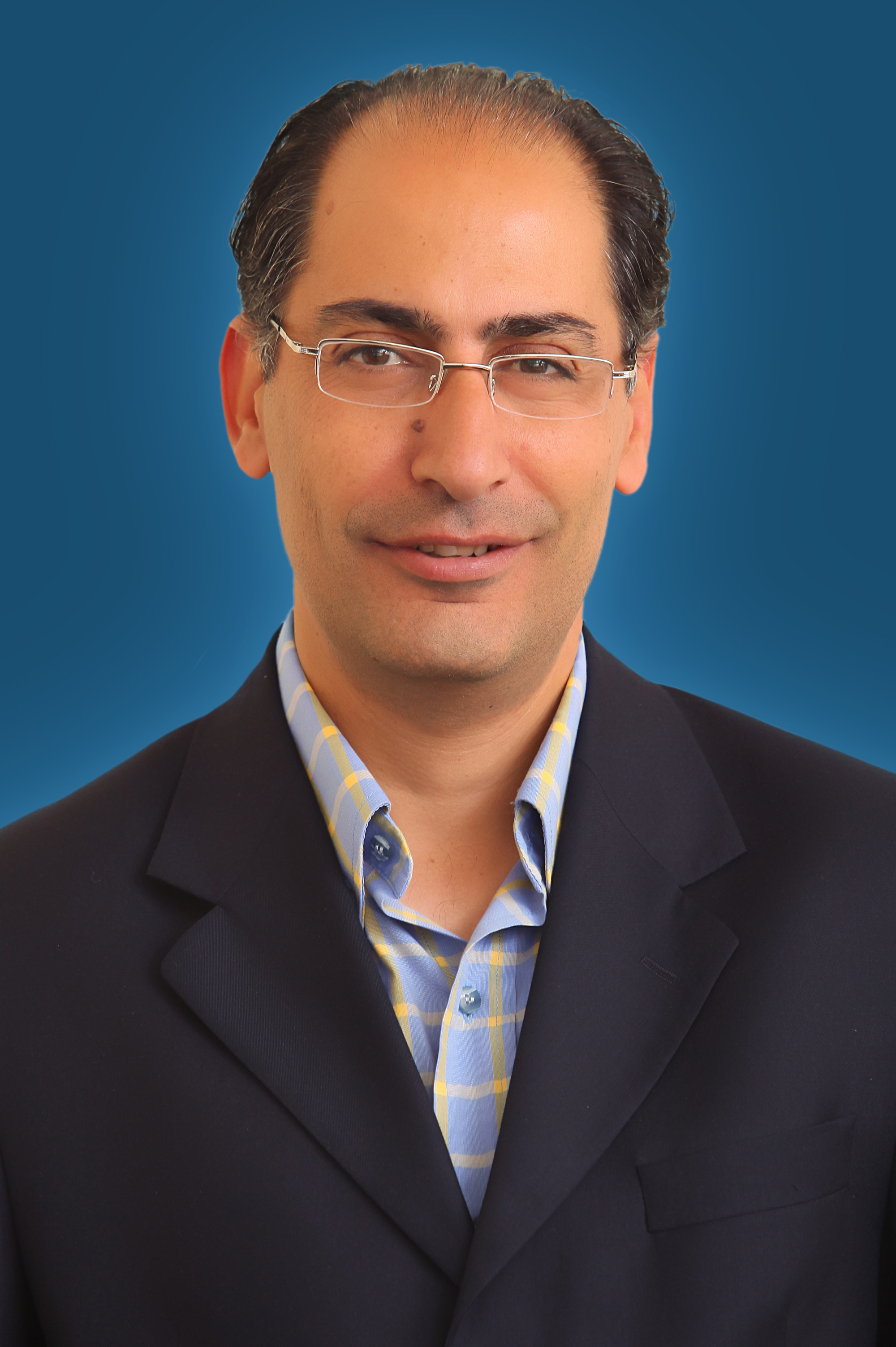
Former Senior Associate, Middle East Center
Saif is an economist specializing in the political economy of the Middle East. His research focuses on international trade and structural adjustment programs in developing countries, with emphasis on Jordan and the Middle East.
Recent Work
Ibrahim Saif, Ahmed Ghoneim
Ibrahim Saif, Muhammad Abu Rumman
Carnegie does not take institutional positions on public policy issues; the views represented herein are those of the author(s) and do not necessarily reflect the views of Carnegie, its staff, or its trustees.

The demands of the Kremlin’s war in Ukraine, demographic problems, and public hostility toward Central Asians mean Russia does not have enough workers.

Salavat Abylkalikov
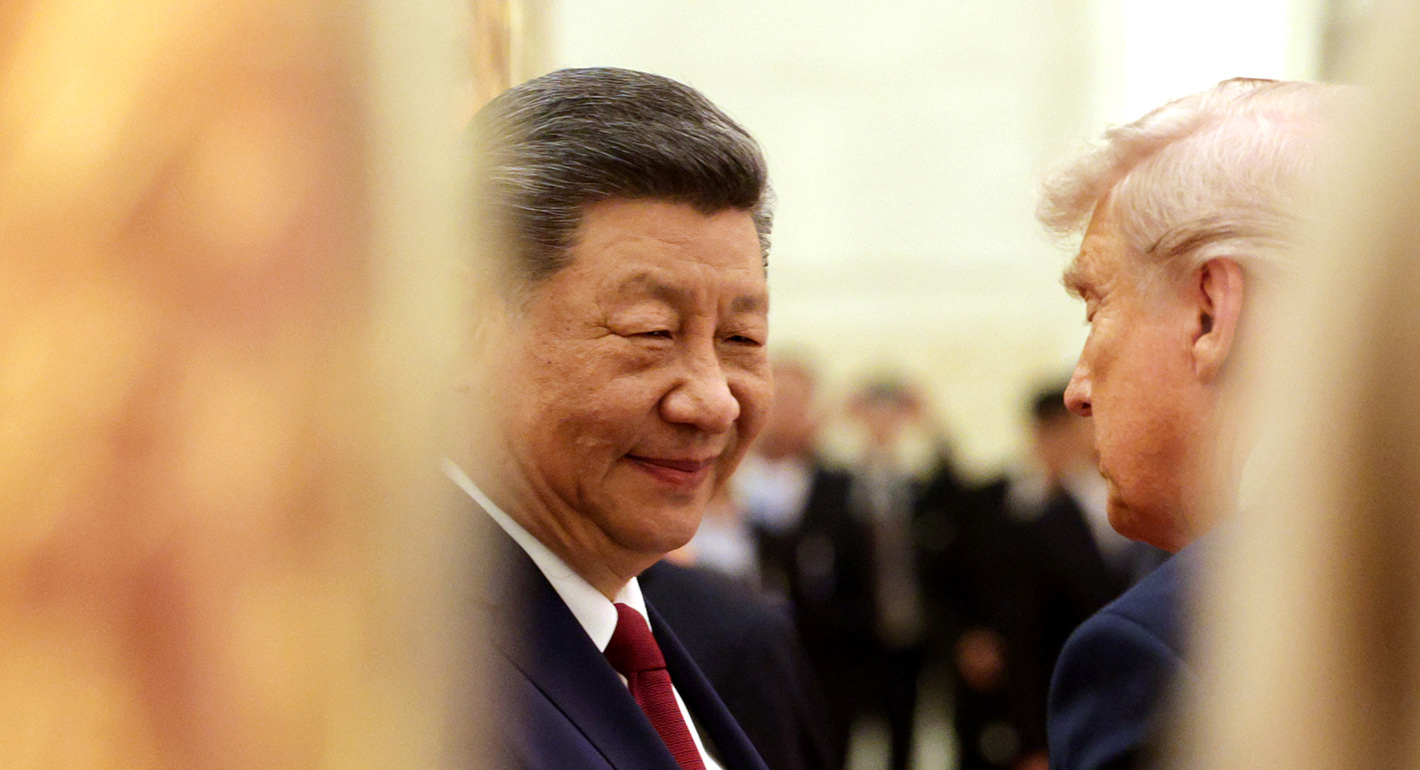
The U.S.-China Summit produced a welcome commitment to build a constructive, strategically stable relationship. However, the United States has a full agenda, including the USMCA review beginning this week, that will likely target Chinese practices of concern. If China views these efforts as inconsistent with the agreements reached in Beijing, it may slow or halt progress in response.

Barbara Weisel
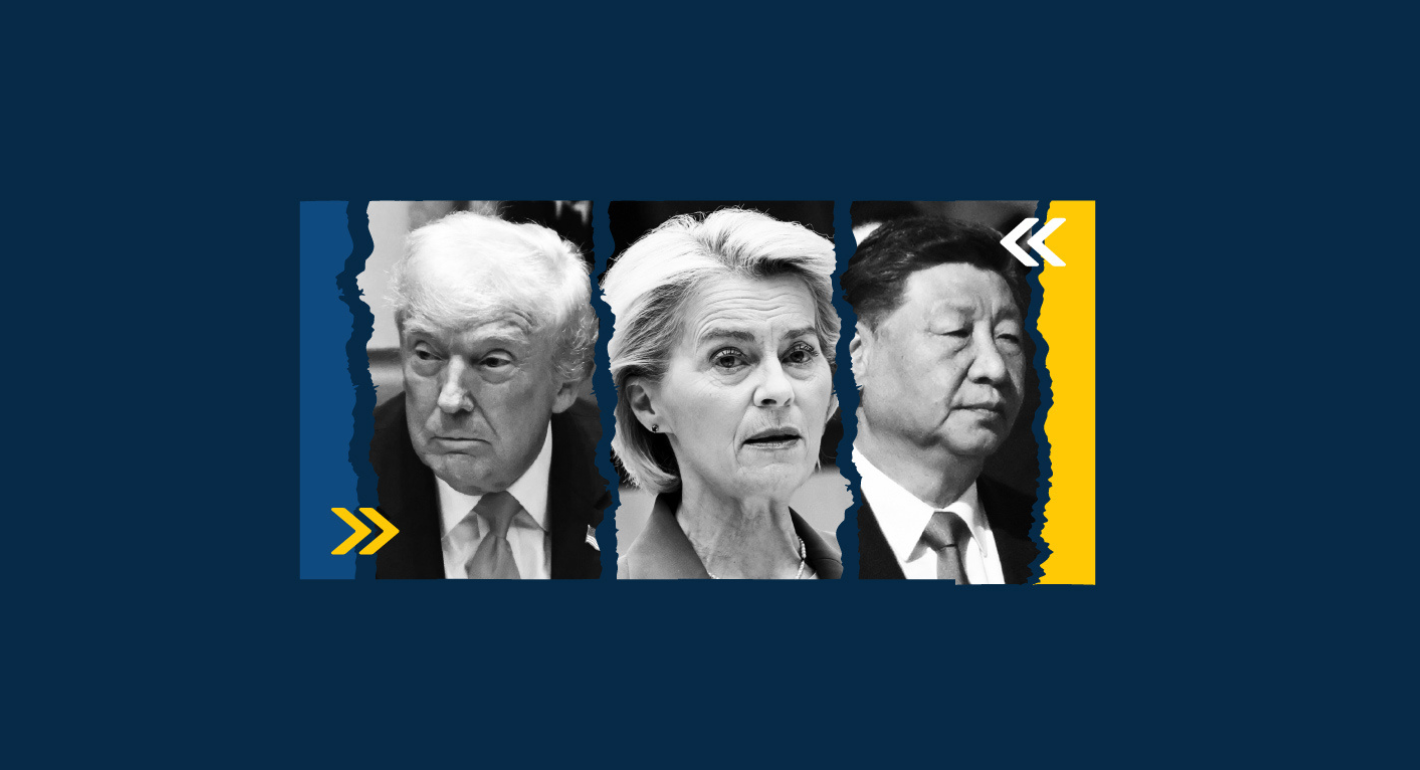
Between the United States’ market-driven approach and China's state-led industrial strategy, Europe is reckoning with how it can remain competitive in the global economy. But is Europe in danger of becoming a U.S. or China colony?
Noah Barkin, Anu Bradford
Minsk’s faith in the future of its larger neighbor’s economy is fading as Belarusian firms in Russia see record losses.

Olga Loiko
Preparing candidate countries for EU membership is no longer enough. As the enlargement process becomes a reality, the union must also prepare its own societies.

Iliriana Gjoni