• Research
  • Emissary
  • About
  • Experts
Carnegie Global logoCarnegie lettermark logo
DemocracyIran
  • Donate
{
  "authors": [
    "Bernd von Muenchow-Pohl"
  ],
  "type": "legacyinthemedia",
  "centerAffiliationAll": "dc",
  "centers": [
    "Carnegie Endowment for International Peace",
    "Carnegie Europe"
  ],
  "collections": [],
  "englishNewsletterAll": "ctw",
  "nonEnglishNewsletterAll": "",
  "primaryCenter": "Carnegie Endowment for International Peace",
  "programAffiliation": "SAP",
  "programs": [
    "South Asia"
  ],
  "projects": [],
  "regions": [
    "South Asia",
    "India",
    "Western Europe",
    "Asia",
    "Europe"
  ],
  "topics": [
    "Economy",
    "Trade",
    "Foreign Policy"
  ]
}
Source: Getty

In The Media

The Fireworks Are Still Missing

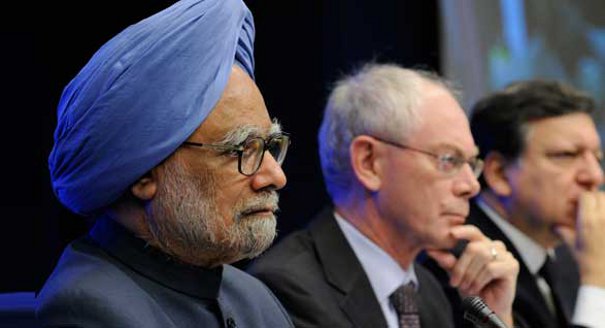
Despite initially high expectations, the enhanced relationship between India and the European Union has so far made relatively little impact and has fallen short of its own objectives.

Link Copied
By Bernd von Muenchow-Pohl
Published on Nov 18, 2011
Program mobile hero image

Program

South Asia

The South Asia Program informs policy debates relating to the region’s security, economy, and political development. From strategic competition in the Indo-Pacific to India’s internal dynamics and U.S. engagement with the region, the program offers in-depth, rigorous research and analysis on South Asia’s most critical challenges.

Learn More

Source: Great Indian Dream

The Fireworks Are Still MissingMost analysts concur that the enhanced relationship between India and the European Union, elevated to the status of a strategic partnership in 2004, has so far made relatively little impact beyond the existing linkages and has fallen short of its own objectives. Though the invocation of Europe and India as “natural partners” has become a semantic staple for annual summit proceedings, the partnership has been likened to “a loveless arranged marriage” — especially when compared to the flowering of the much more passionate and glamorous relationship between India and the United States since the nuclear deal.

From a historic perspective, the match seemed as if it would have a solid foundation. Adding a new dimension to its relationship with Europe, which was still overshadowed by the colonial past, New Delhi established diplomatic relations with the European Economic Community (EEC) as early as 1963. Ten years later, when Britain — India’s most important trading partner at the time — joined the original six EEC members, India’s loss of imperial trade preferences led to its first commercial cooperation agreement with the community. It took both sides another 20 years to sign their first political declaration after the EEC had morphed into an enlarged European Union of then twelve member states. In 2000, India’s raised economic and political profile and the EU’s desire to extend its newly defined political mission beyond the confines of the European continent after the end of the Cold War, brought about the first summit meeting in Lisbon. Successive annual summits heralded the EU-India Strategic Partnership (2004) and a voluminous Joint Action Plan for its implementation (2005).
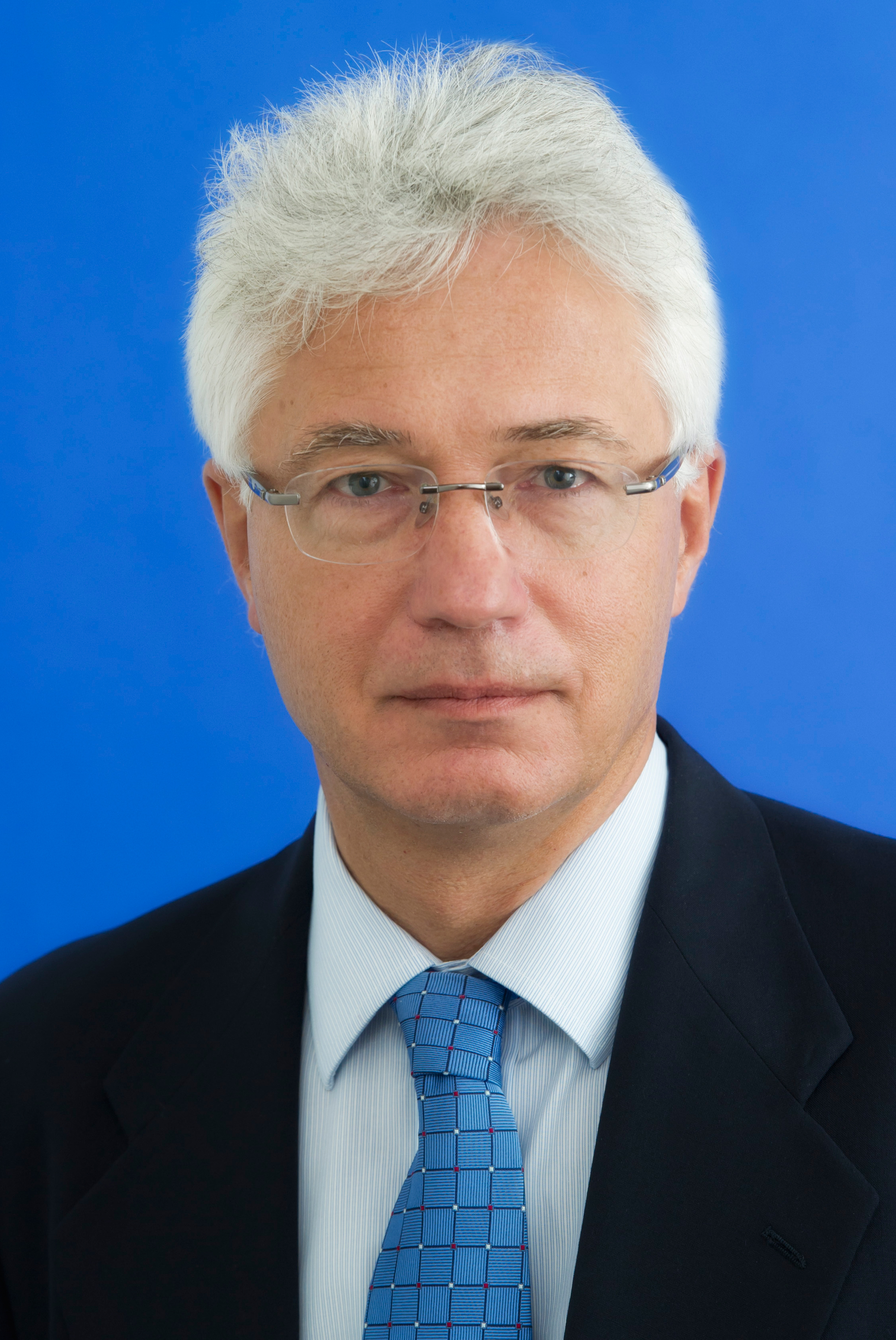
About the Author

Bernd von Muenchow-Pohl

Former Nonresident Scholar, South Asia Program

Von Muenchow-Pohl was a nonresident scholar in Carnegie’s South Asia Program, where his work focuses on Indian domestic, foreign, and economic policy.

    Recent Work

  • Article
    EU Relations with China and India: Courting the Dragon, Wooing the Elephant

      Bernd von Muenchow-Pohl

  • Paper
    India and Europe in a Multipolar World

      Bernd von Muenchow-Pohl

Bernd von Muenchow-Pohl
Former Nonresident Scholar, South Asia Program
Bernd von Muenchow-Pohl
EconomyTradeForeign PolicySouth AsiaIndiaWestern EuropeAsiaEurope

Carnegie does not take institutional positions on public policy issues; the views represented herein are those of the author(s) and do not necessarily reflect the views of Carnegie, its staff, or its trustees.
More Work from Carnegie Endowment for International Peace

  • City at night
    Commentary
    Emissary
    The Iran War Is Also Now a Semiconductor Problem

    The conflict is exposing the deep energy vulnerabilities of Korea’s chip industry.

      Darcie Draudt-Véjares, Tim Sahay

  • One man tossing a sack to another to stack on a truck
    Commentary
    Emissary
    The Other Global Crisis Stemming From the Strait of Hormuz’s Blockage

    Even if the Iran war stops, restarting production and transport for fertilizers and their components could take weeks—at a crucial moment for planting.

      • Noah  Gordon ​​​​

      Noah Gordon, Lucy Corthell

  • Commentary
    Strategic Europe
    Taking the Pulse: Is France’s New Nuclear Doctrine Ambitious Enough?

    French President Emmanuel Macron has unveiled his country’s new nuclear doctrine. Are the changes he has made enough to reassure France’s European partners in the current geopolitical context?

      • Rym Momtaz

      Rym Momtaz, ed.

  • Commentary
    The Iran War’s Dangerous Fallout for Europe

    The drone strike on the British air base in Akrotiri brings Europe’s proximity to the conflict in Iran into sharp relief. In the fog of war, old tensions in the Eastern Mediterranean risk being reignited, and regional stakeholders must avoid escalation.

      Marc Pierini

  • Indian Prime Minister Narendra Modi, wearing an orange cap, and the Chief Minister of Uttar Pradesh, Yogi Adityanath, dressed in saffron robes, are greeting supporters of the Bharatiya Janata Party (BJP) during a roadshow ahead of the Indian General Elections in Ghaziabad, Uttar Pradesh, India, on April 6, 2024.
    Paper
    India’s Foreign Policy in the Age of Populism

    Domestic mobilization, personalized leadership, and nationalism have reshaped India’s global behavior.

      Sandra Destradi

Get more news and analysis from
Carnegie Endowment for International Peace
Carnegie global logo, stacked
1779 Massachusetts Avenue NWWashington, DC, 20036-2103Phone: 202 483 7600Fax: 202 483 1840
  • Research
  • Emissary
  • About
  • Experts
  • Donate
  • Programs
  • Events
  • Blogs
  • Podcasts
  • Contact
  • Annual Reports
  • Careers
  • Privacy
  • For Media
  • Government Resources
Get more news and analysis from
Carnegie Endowment for International Peace
© 2026 Carnegie Endowment for International Peace. All rights reserved.