

Commentary
The impacts of the Faye-Sonko rupture could go well beyond the country’s borders.
Lesley Anne Warner
{
  "authors": [
    "James F. Collins",
    "Ross A. Virginia",
    "Kenneth Yalowitz"
  ],
  "type": "legacyinthemedia",
  "centerAffiliationAll": "dc",
  "centers": [
    "Carnegie Endowment for International Peace"
  ],
  "collections": [],
  "englishNewsletterAll": "ctw",
  "nonEnglishNewsletterAll": "",
  "primaryCenter": "Carnegie Endowment for International Peace",
  "programAffiliation": "russia",
  "programs": [
    "Russia and Eurasia"
  ],
  "projects": [],
  "regions": [
    "North America",
    "United States",
    "Russia",
    "Western Europe"
  ],
  "topics": [
    "Climate Change",
    "Foreign Policy"
  ]
}
Source: Getty
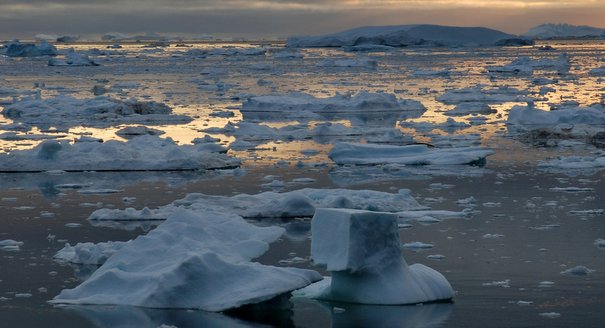
The Arctic states of North America, Europe, and Russia, working with indigenous peoples and a number of non-Arctic states, have taken steps to ensure that the Arctic remains a zone of cooperation, peace, and sustainable development.
Source: International Herald Tribune
With global warming rapidly melting Arctic sea ice and glaciers making valuable stores of energy and minerals more accessible, voices of doom are warning of inevitable competition and potential conflict — a new “Great Game” among the five Arctic coastal nations.
In fact, the Arctic states of North America, Europe and Russia, working with indigenous peoples and a number of non-Arctic states, already have taken steps to ensure just the opposite: that the Arctic remains a zone of cooperation, peace and stable, sustainable development.
The Arctic Council — the intergovernmental organization for the eight Arctic states: Canada, Denmark, Finland, Iceland, Norway, Russia, Sweden and the United States — has created a forum for cooperation and momentum toward a responsible approach to the region’s issues.
However, on Wednesday a ministerial meeting of the council in Sweden will face urgent issues dealing with the environment, shipping and governance.
In anticipation of this meeting, more than 40 leading Arctic scholars, government officials, industry leaders and representatives for indigenous peoples met in Washington in February under the auspices of the Carnegie Endowment for International Peace, Dartmouth College, the University of Alaska Fairbanks and the University of the Arctic to examine issues facing the region — Arctic energy, health, commercial shipping, security and governance — and to make recommendations for action to the Arctic Council.
Arctic energy and mineral riches eventually will be developed, but harsh weather conditions will persist and fluctuating world prices will make the timing of development uncertain.
The shale gas revolution is already delaying some Arctic energy projects. Arctic shipping, although increasing as seasonal sea ice declines, will remain largely regional, dedicated to the transport of Arctic energy and mineral resources and the supply of local populations and industry. Difficult sea ice conditions and the consequent unpredictability of shipping schedules will severely limit interest in developing trans-Arctic Ocean container shipping.
The Arctic states have addressed potentially divisive issues in an orderly manner, and the prospects for resolving issues in the region by force are presently slight. The most accessible Arctic oil and gas resources are located within state borders or the universally agreed upon 200-nautical-mile Exclusive Economic Zone of the coastal states and thus not subject to dispute.
The Arctic coastal states are pursuing claims for territorial shelf extension beyond 200 miles for exclusive access to additional oil and gas reserves, but they have agreed their differences will be settled under the United Nations Convention on the Law of the Sea and through diplomatic channels.
The Arctic Council is in a unique position to strengthen this trend. The United States can help greatly by ratifying the Law of the Sea Convention, giving more policy level attention to U.S. interests in the Arctic and using the U.S. chairmanship of the council, beginning in 2015, to build on the work the council has done.
In 2011, a binding search-and-rescue accord was reached by the Arctic Council. The upcoming ministerial meeting is an opportunity to strengthen the security and wellbeing of the region. This can be accomplished by encouraging cooperation of the region’s militaries and coast guards in emergency/disaster response, providing better situational awareness for Arctic Ocean shipping safety and prevention of illegal activities, and the establishment of a forum to share maritime information.
The ministerial meeting should also urge the International Maritime Organization to adopt a mandatory polar code for ships operating in polar waters, and regulations for safe operations of cruise ships; establish an Arctic economic forum to promote public/private partnerships and help resolve issues such as environmental pollution; establish a clearinghouse for public and private data on oil spill preparedness, prevention and remediation; and provide more capacity for indigenous peoples and their organizations to research and develop a health care system consonant with their culture.
One key governance issue facing the ministerial council is the requests from several non-Arctic states and the European Union to become permanent Arctic Council observers. Bringing them in would open up council proceedings and underscore that many Arctic issues, such as environmental pollutants, are global in nature.
At the same time, there would be little benefit to Arctic governance from making the council a formal international organization; nor is there a perceived need for a comprehensive Arctic treaty.
Dangerous conflict in the region over valuable resources remains a remote possibility, but the council must take constructive steps to ensure that the Arctic continues to develop as a venue for cooperation among Russia and the Arctic states of Europe and North America.
James F. Collins is director of the Russia and Eurasia program at the Carnegie Endowment for International Peace and former U.S. Ambassador to Russia. Ross A. Virginia is professor and director of the Institute of Arctic Studies at Dartmouth College. Kenneth S. Yalowitz is senior fellow at the Institute of Arctic Studies at Dartmouth and former U.S. Ambassador to Belarus and Georgia.
This article was originally published in the International Herald Tribune.
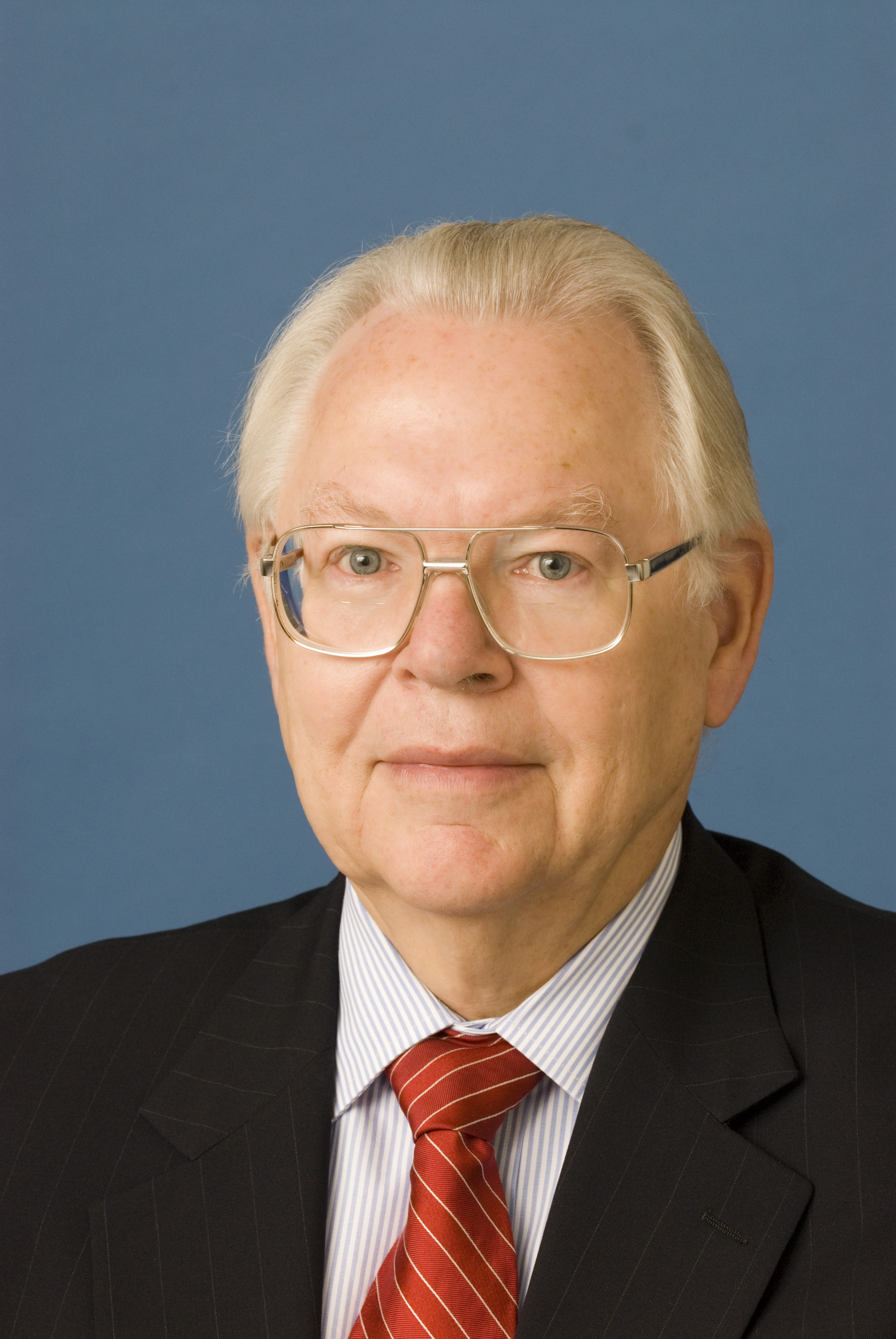
Nonresident Senior Fellow, Russia and Eurasia Program; Diplomat in Residence
Ambassador Collins was the U.S. ambassador to the Russian Federation from 1997 to 2001 and is an expert on the former Soviet Union, its successor states, and the Middle East.
Ross A. Virginia
Dartmouth College
Kenneth Yalowitz
Kenneth S. Yalowitz is a Global Fellow at the Kennan Institute and Polar Initiative at the Woodrow Wilson International Center for Scholars.
Carnegie does not take institutional positions on public policy issues; the views represented herein are those of the author(s) and do not necessarily reflect the views of Carnegie, its staff, or its trustees.
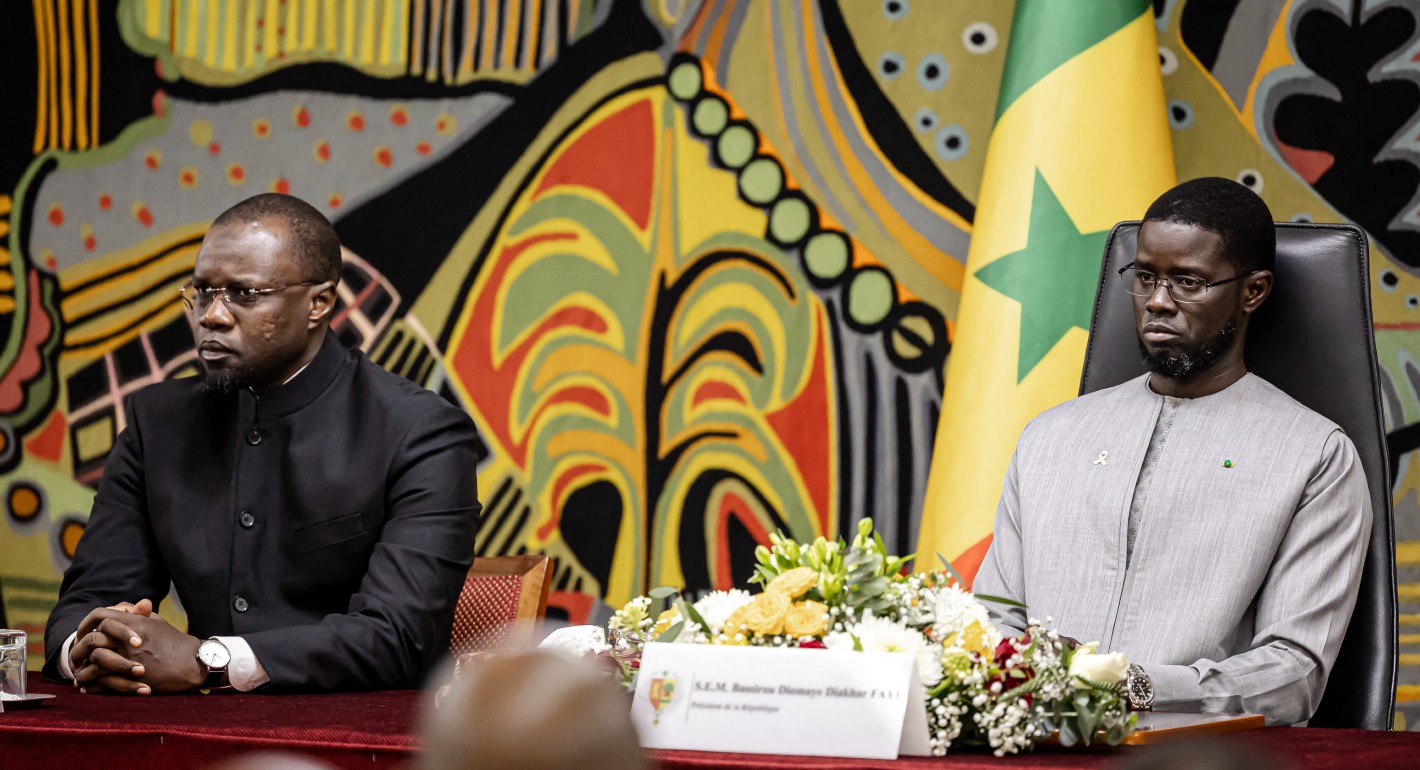
The impacts of the Faye-Sonko rupture could go well beyond the country’s borders.

Lesley Anne Warner
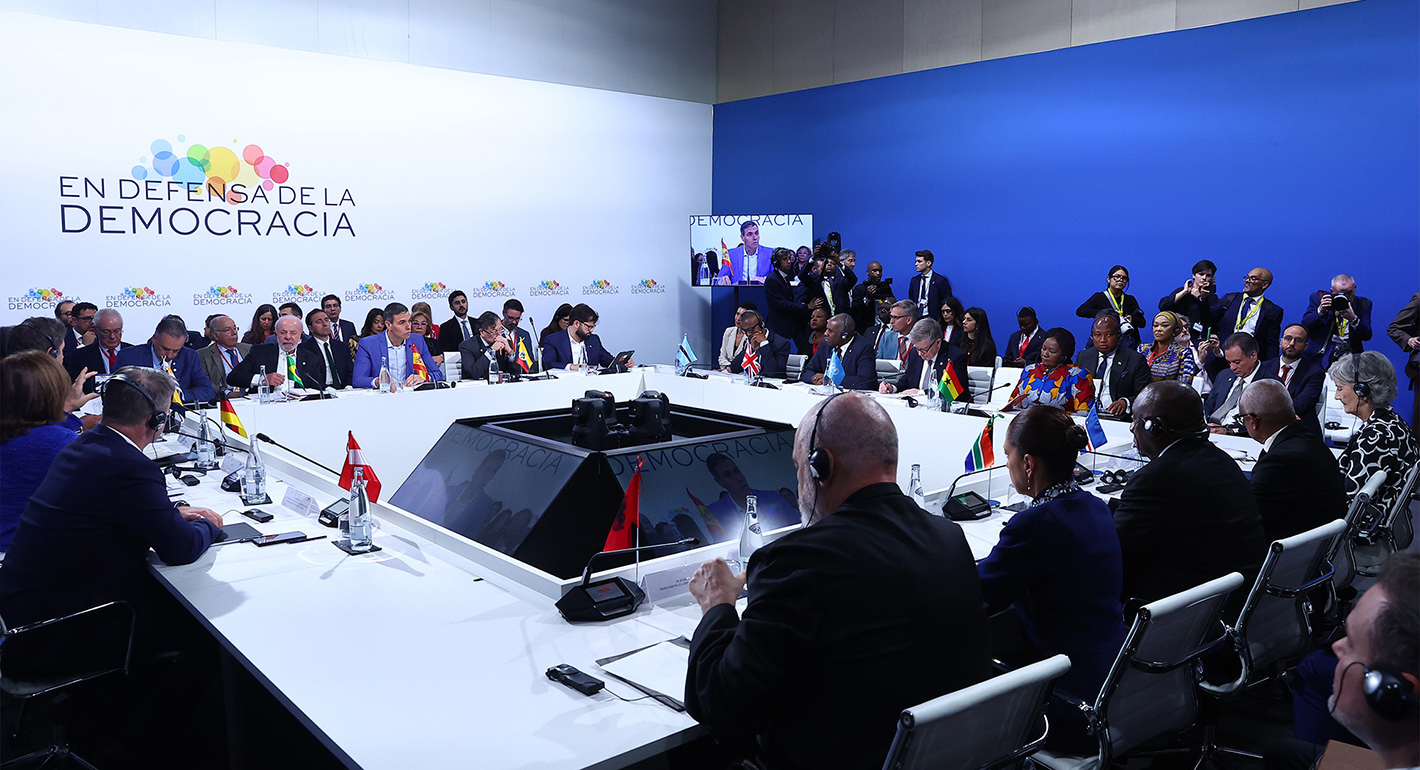
The reinvention of democracy support needs to be carried forward without the clear leadership of one dominant player.


Richard Youngs, Thomas Carothers
Hungary under Viktor Orbán deployed right-wing populism as a foreign policy strategy, embedding the country in a web of illiberal transnational networks whose legacy will endure even after his April 2026 electoral defeat.
Zsuzsanna Végh

By fueling the arguments of both supporters and opponents of Armenian Prime Minister Nikol Pashinyan, Azerbaijan wants to ensure he is re-elected with a weaker mandate.

Bashir Kitachaev

A much-discussed disagreement over internet restrictions in Russia was never an existential threat for Putin: It was about elite groups protecting their interests.

Alexandra Prokopenko