

In The Media
Petr Topychkanov
{
  "authors": [
    "Petr Topychkanov"
  ],
  "type": "commentary",
  "centerAffiliationAll": "",
  "centers": [
    "Carnegie Endowment for International Peace",
    "Carnegie Russia Eurasia Center"
  ],
  "collections": [],
  "englishNewsletterAll": "",
  "nonEnglishNewsletterAll": "",
  "primaryCenter": "Carnegie Russia Eurasia Center",
  "programAffiliation": "",
  "programs": [],
  "projects": [
    "Eurasia in Transition"
  ],
  "regions": [
    "South Asia",
    "Afghanistan",
    "Pakistan"
  ],
  "topics": [
    "Security",
    "Foreign Policy"
  ]
}
Source: Getty
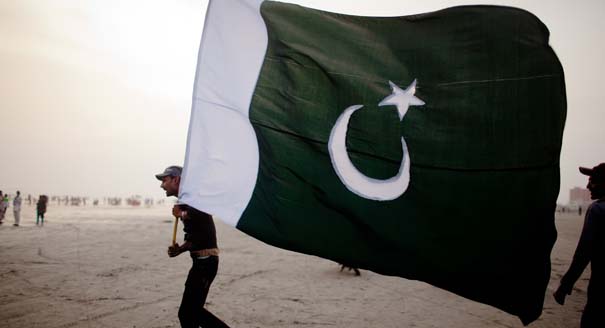
The impact of Pakistan on the situation in Afghanistan is seriously overestimated. Current problems and future risks will not allow Pakistan even to think about the decisive influence in Afghanistan.
The impact of Pakistan on the situation in Afghanistan is seriously overestimated. Pakistan has never been capable to exercise a decisive influence in its neighbor state, even when it was planning to do so. For instance, having decided to create Taliban after the Soviet troops withdrawal from Afghanistan, Pakistan erred in their assessment of the Taliban capabilities and intentions:
Pakistan appeared not to be ready to face bad consciousness of the crisis in Afghanistan. According to official estimates, about 49,000 people (15,700 of whom were in the military) have died since 2001 in Khyber Pakhtunkhwa Province and FATA due to Pakistan’s participation in the anti-terrorist campaign. It is hard to imagine what Pakistani interests in its conflict with India can justify such losses. The fighting in Afghanistan triggered terrorism in Balochistan, Khyber Pakhtunkhwa, and FATA. It then spread to the other parts of Pakistan.
The number of radical, extremist, and terrorist organizations and their supporters is on the rise in Pakistan because of the Afghan war. These dynamics pose a threat to the institution of government. Some analysts therefore believe that Pakistan may morph into an Islamist state (see, for instance, an opinion expressed by Bruce Riedel, one of the fathers of the AfPak strategy). Of course, the threat is not as real as it appears, but it cannot be completely discounted.
Although the situation related to violence in Pakistan is already extremely complicated, many observers believe it may take a turn for the worse after 2014. The withdrawal of the bulk of the International Security Contingent Assistance Force from Afghanistan may bring the militants that are currently fighting for the opposition back to Pakistan. They are then likely to put their radical views into practice. If this is the case, religious minorities, which represent ideological differences, will become their main target. Based on recent incidents, it is no longer a remote possibility.
Current problems and future risks will not allow Pakistan even to think about the decisive influence in Afghanistan. After 2014 the main focus of Islamabad will be on the homeland security, especially in the tribal area.
Former Fellow, Nonproliferation Program, Moscow Center
Topychkanov was a fellow in the Carnegie Moscow Center’s Nonproliferation Program.
Recent Work
Petr Topychkanov
Petr Topychkanov
Carnegie does not take institutional positions on public policy issues; the views represented herein are those of the author(s) and do not necessarily reflect the views of Carnegie, its staff, or its trustees.
Though Orban is gone, Putin can still count on some like-minded individuals in Central and Eastern Europe. However, they will seek to avoid open confrontation with EU institutions over Ukraine and their ties with Moscow.

Dimitar Bechev

The truth is that Japan’s government is seeking a degree of reengagement but at a vastly reduced level than under Abe. Most significantly, Japan has shown no willingness to ease sanctions.

James D.J. Brown
Azerbaijan’s relations with the EU appear to be going from strength to strength after several years in the deep freeze following the military escalation in Karabakh in 2023 and Azerbaijan’s bitter fallout with France and several other EU member states.

Shujaat Ahmadzada
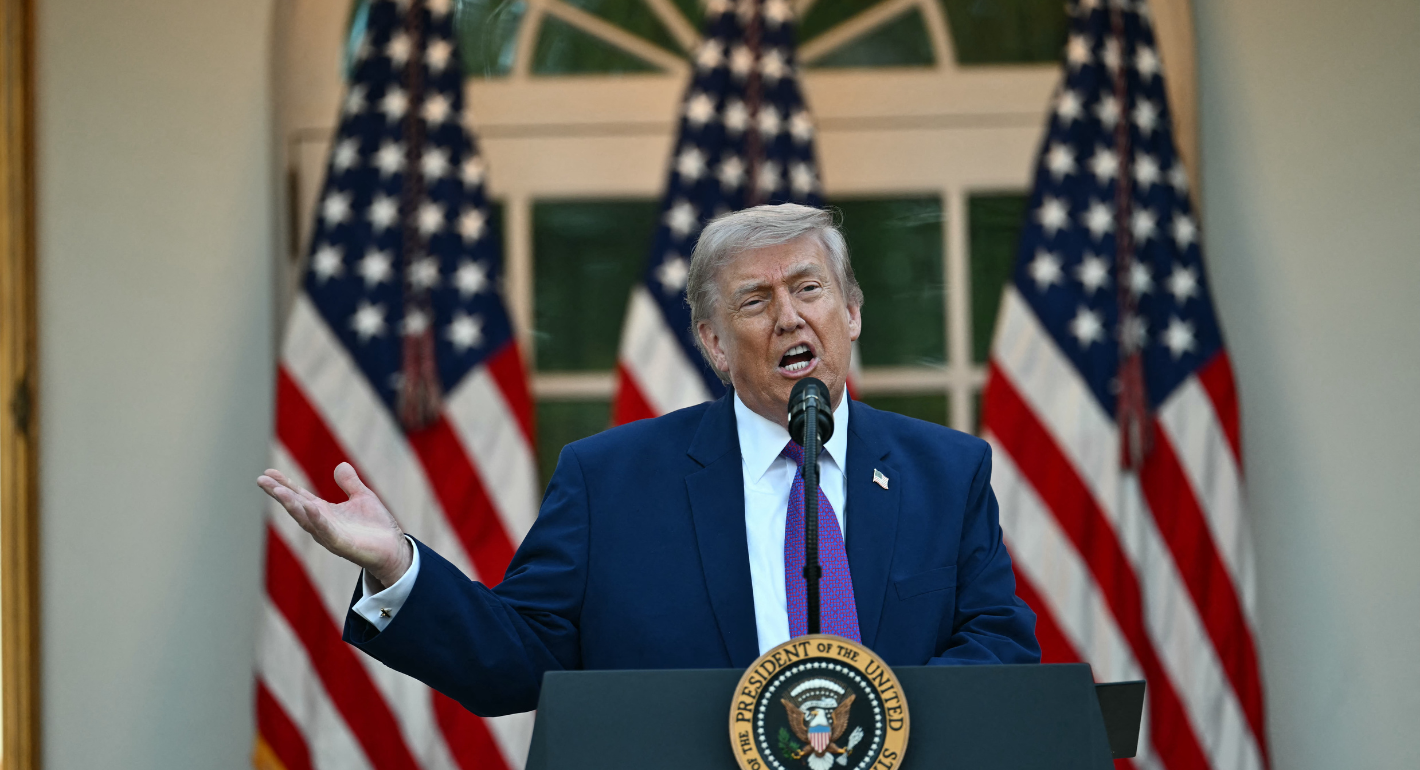
The full list of humiliations Europe has endured since Donald Trump returned to the White House makes for grim reading. But Washington’s adversarial approach to its allies undermines its own power base.

Rym Momtaz
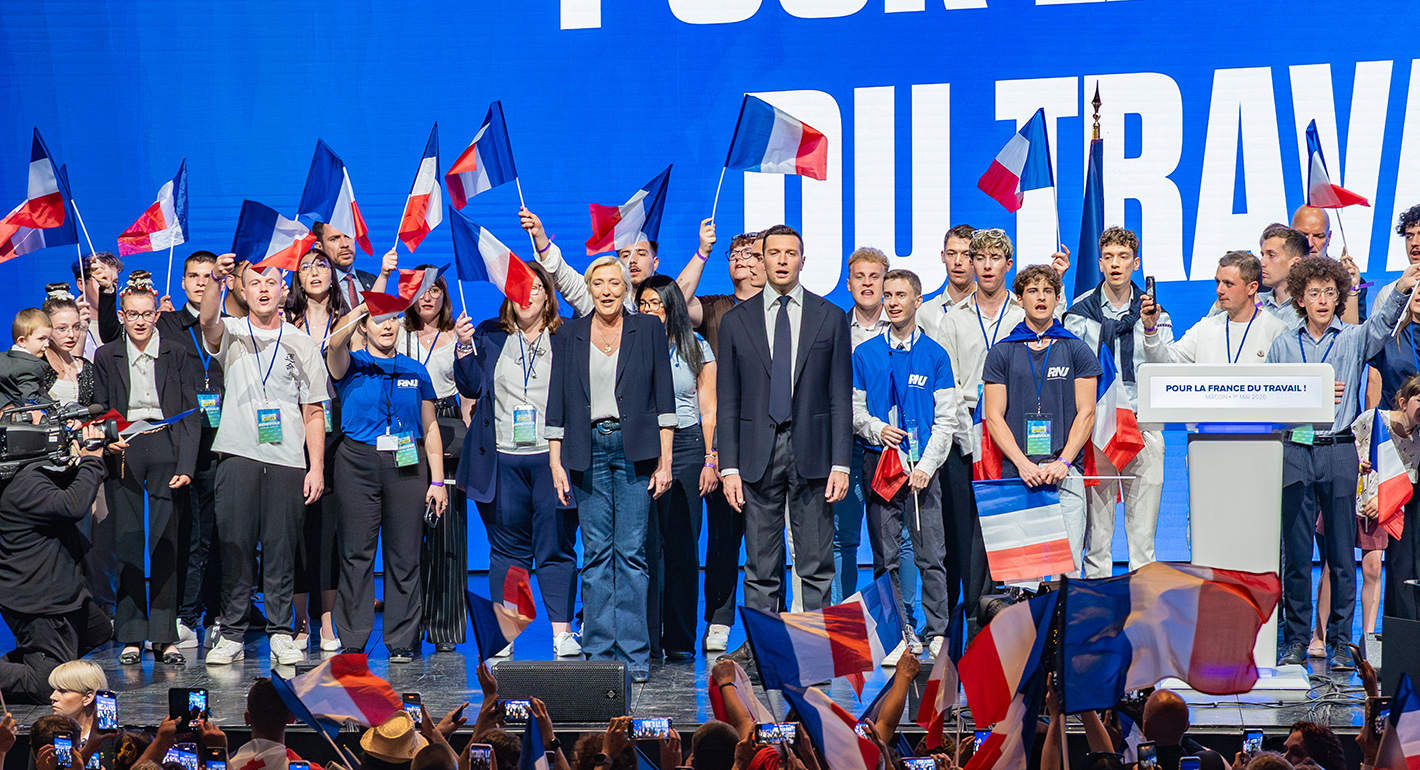
The National Rally’s electoral strength, coupled with its internal fragility at a crucial political juncture, contributes to foreign policy vagueness.

Catherine Fieschi