

Q&A
Suzanne Maloney, Aaron David Miller, Karim Sadjadpour
{
  "authors": [
    "Karim Sadjadpour"
  ],
  "type": "legacyinthemedia",
  "centerAffiliationAll": "dc",
  "centers": [
    "Carnegie Endowment for International Peace",
    "Malcolm H. Kerr Carnegie Middle East Center"
  ],
  "collections": [
    "Iranian Proliferation"
  ],
  "englishNewsletterAll": "menaTransitions",
  "nonEnglishNewsletterAll": "",
  "primaryCenter": "Carnegie Endowment for International Peace",
  "programAffiliation": "MEP",
  "programs": [
    "Middle East"
  ],
  "projects": [],
  "regions": [
    "United States",
    "Middle East",
    "Iran"
  ],
  "topics": [
    "Political Reform",
    "Nuclear Policy",
    "Foreign Policy"
  ]
}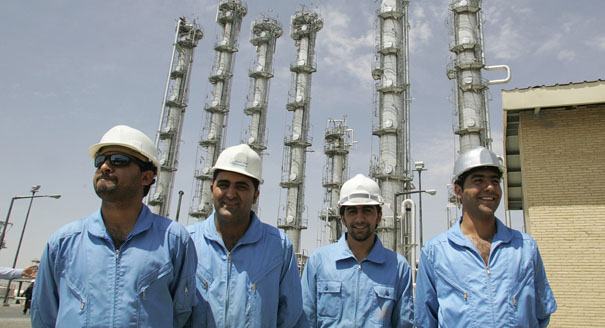
Source: Getty
The success of nuclear agreements are judged over a period of months and years, not over a period of minutes.
Source: BBC Newsnight
Since Iran’s 1979 revolution, the country has never had a more effective diplomat than current foreign minister Mohammad Javad Zarif, said Carnegie’s Karim Sadjadpour on BBC Newsnight. In contrast to many Iranian diplomats, Sadjapour said, Zarif spoke “not as a fire breathing ideologue, but as a nationalist,” and has done a very effective job of articulating Iran’s national interest.
The big question people will have is how much control over Iran’s nuclear program someone like Zarif has, Sadjadpour continued. To what extent Zarif and Rouhani are able to deliver on their promises and whether Iran’s Revolutionary Guards are fully on board with this interim agreement remains to be seen as well. He emphasized that the success of nuclear agreements is judged over a period of months and years, not over a period of minutes. With the Iranian population eager for to have economic sanctions lifted and to rejoin the international community, it will be tough for members of Revolutionary Guard to go against this enormous popular will, Sadjadpour concluded.

Senior Fellow, Middle East Program
Karim Sadjadpour is a senior fellow at the Carnegie Endowment for International Peace, where he focuses on Iran and U.S. foreign policy toward the Middle East.
Recent Work


Suzanne Maloney, Aaron David Miller, Karim Sadjadpour

Aaron David Miller, Karim Sadjadpour, Robin Wright
Carnegie does not take institutional positions on public policy issues; the views represented herein are those of the author(s) and do not necessarily reflect the views of Carnegie, its staff, or its trustees.
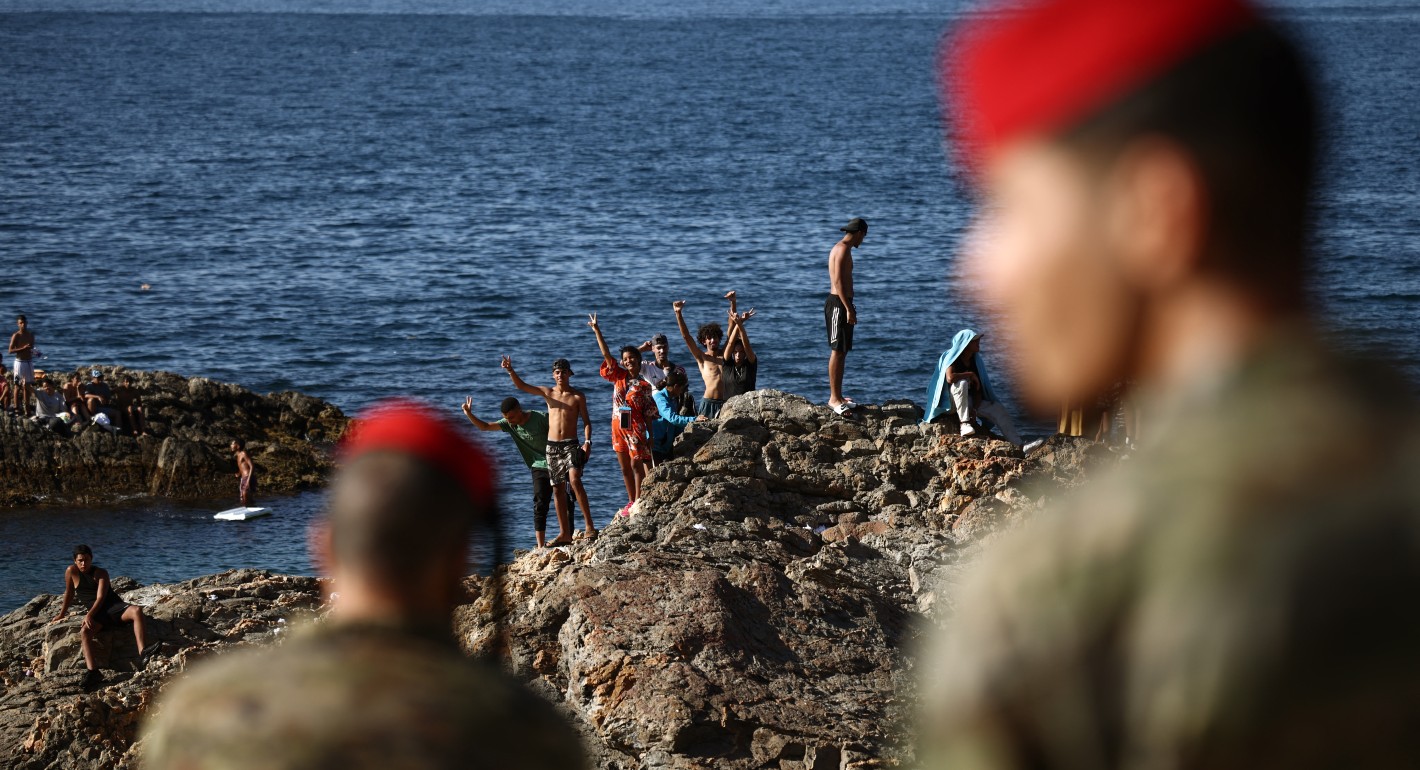
Most migrants may have left Ceuta, but the effects may linger.


Alejandro Martin Rodriguez, Sarah Yerkes
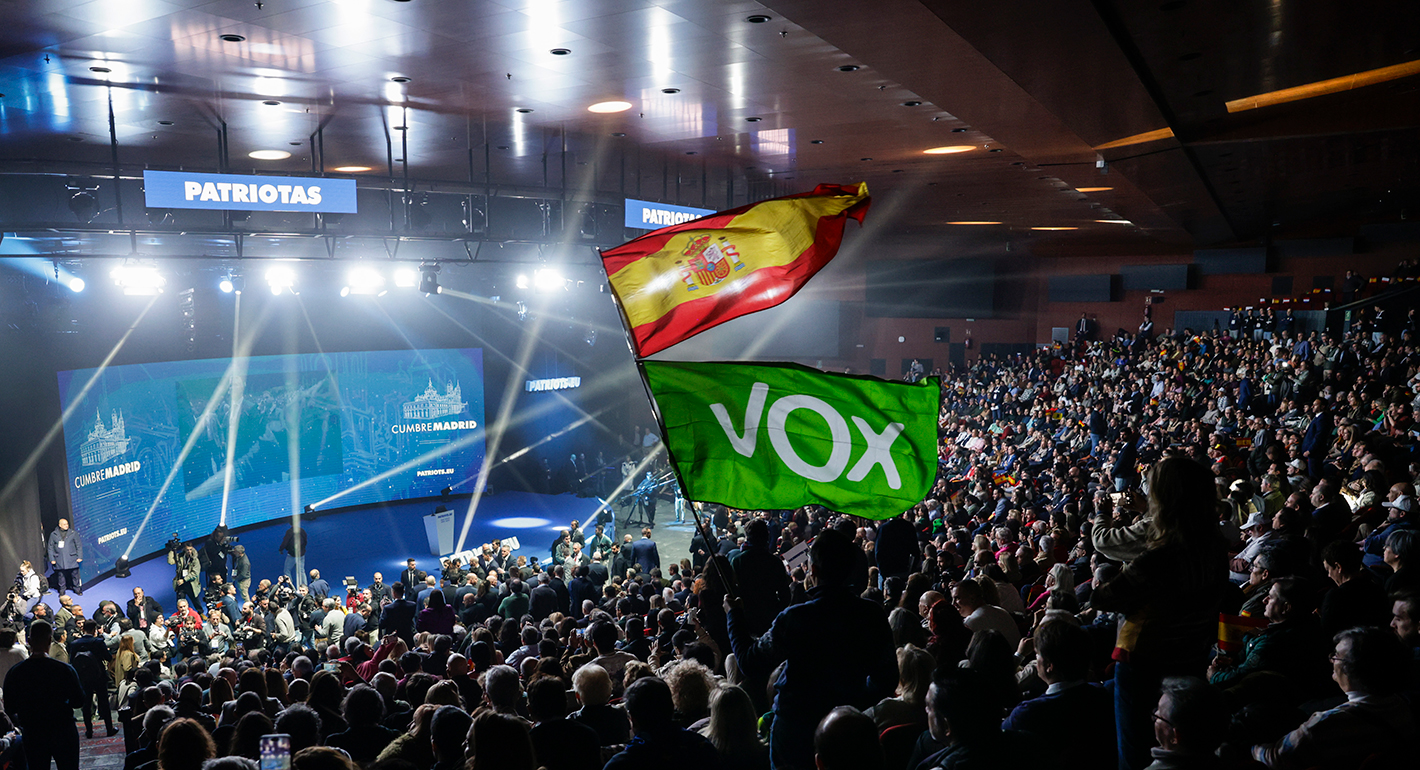
There is a transnational far-right populist movement that links middle powers in a global movement that extends well beyond Trump.

Christopher S. Chivvis, Rohan Mukherjee, Milan Vaishnav

When faced with fuel shortages in the past, Central Asian governments could always count on additional supplies from Moscow. That safety net no longer exists.

Galiya Ibragimova
Saied’s main accomplishment has been to destroy a decade’s worth of democratic progress.
Sarah Yerkes
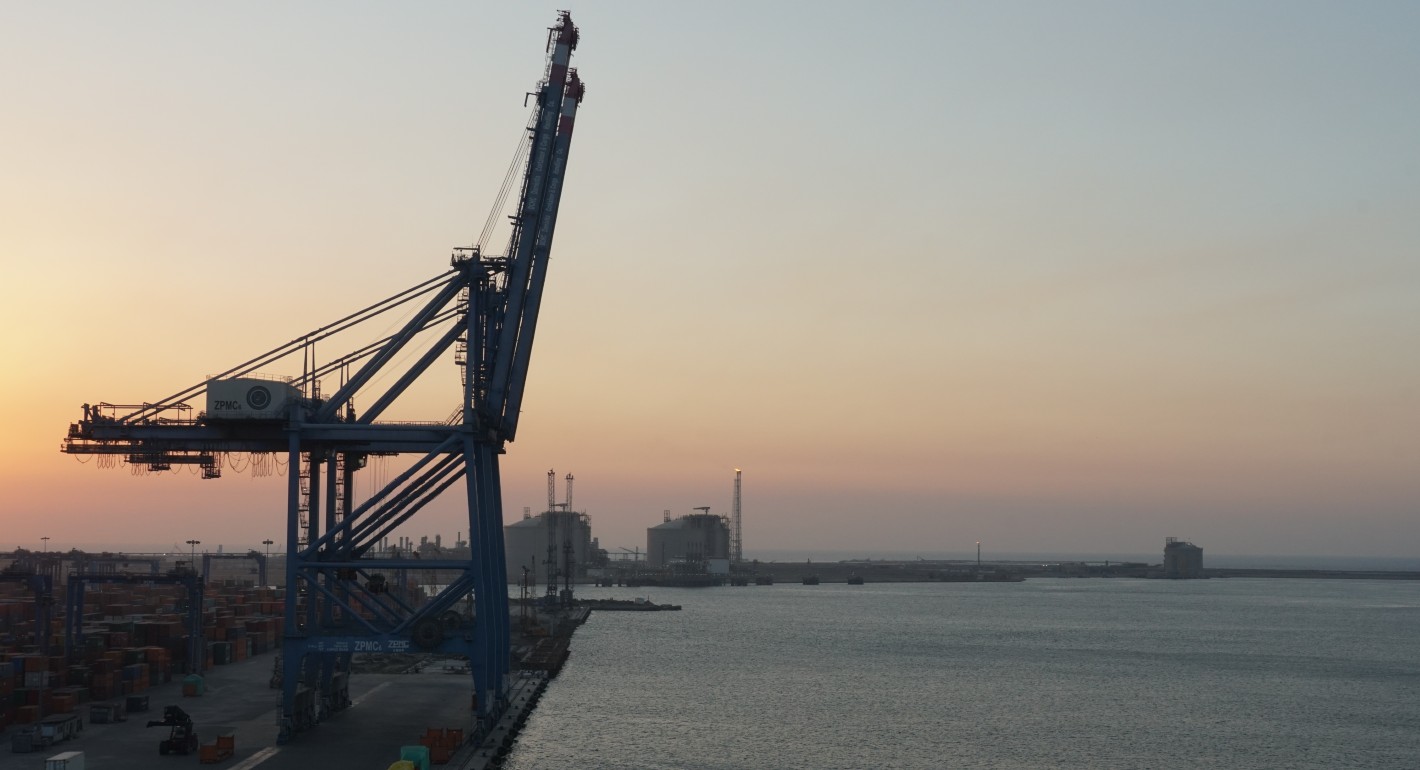
The targeting of Damietta Port appears to be more than a mere security message.

Amr Hamzawy