

Commentary
Nathan J. Brown
{
  "authors": [
    "Nathan J. Brown"
  ],
  "type": "legacyinthemedia",
  "centerAffiliationAll": "dc",
  "centers": [
    "Carnegie Endowment for International Peace",
    "Malcolm H. Kerr Carnegie Middle East Center"
  ],
  "collections": [],
  "englishNewsletterAll": "menaTransitions",
  "nonEnglishNewsletterAll": "",
  "primaryCenter": "Carnegie Endowment for International Peace",
  "programAffiliation": "MEP",
  "programs": [
    "Middle East"
  ],
  "projects": [],
  "regions": [
    "North Africa",
    "Egypt"
  ],
  "topics": [
    "Political Reform"
  ]
}
Source: Getty
The big winners of Egypt’s constitutional draft are the very institutions that overturned the Morsi government.
Source: NPR All Things Considered
Egyptians are preparing to vote on a new constitution. A year earlier, they voted on a constitution backed by the Muslim Brotherhood, drafted under former president Mohammed Morsi. Speaking to NPR’s All Things Considered, Carnegie’s Nathan Brown said the big winners of the constitutional draft are the very institutions that overturned the Morsi government. Brown listed these institutions as the military, the security apparatus, the judiciary (to some extent), and other parts of the state structure like the religious establishment.
“All these institutions, essentially, got guarantees that they would be insulated from civilian politics,” he argued. While these institutions see themselves as being responsible for the entire Egyptian nation, they don’t want to be held accountable to the day-to-day politics, so they are beyond any mechanisms of democratic accountability in this constitution, Brown contended. A number of clauses in the constitutional draft defer their main subject to ordinary legislation, he said. “We won’t know what this constitution means fully until we have a parliament that’s sitting down and writing laws to implement these provisions,” Brown concluded.

Nonresident Senior Fellow, Middle East Program
Nathan J. Brown, a professor of political science and international affairs at George Washington University, is a distinguished scholar and author of nine books on Arab politics and governance, as well as editor of five books.
Recent Work
Nathan J. Brown
Nathan J. Brown
Carnegie does not take institutional positions on public policy issues; the views represented herein are those of the author(s) and do not necessarily reflect the views of Carnegie, its staff, or its trustees.

In the tenth year of his presidency, President Mirziyoyev’s system is becoming even more personalized than that of his predecessor Karimov.

Galiya Ibragimova
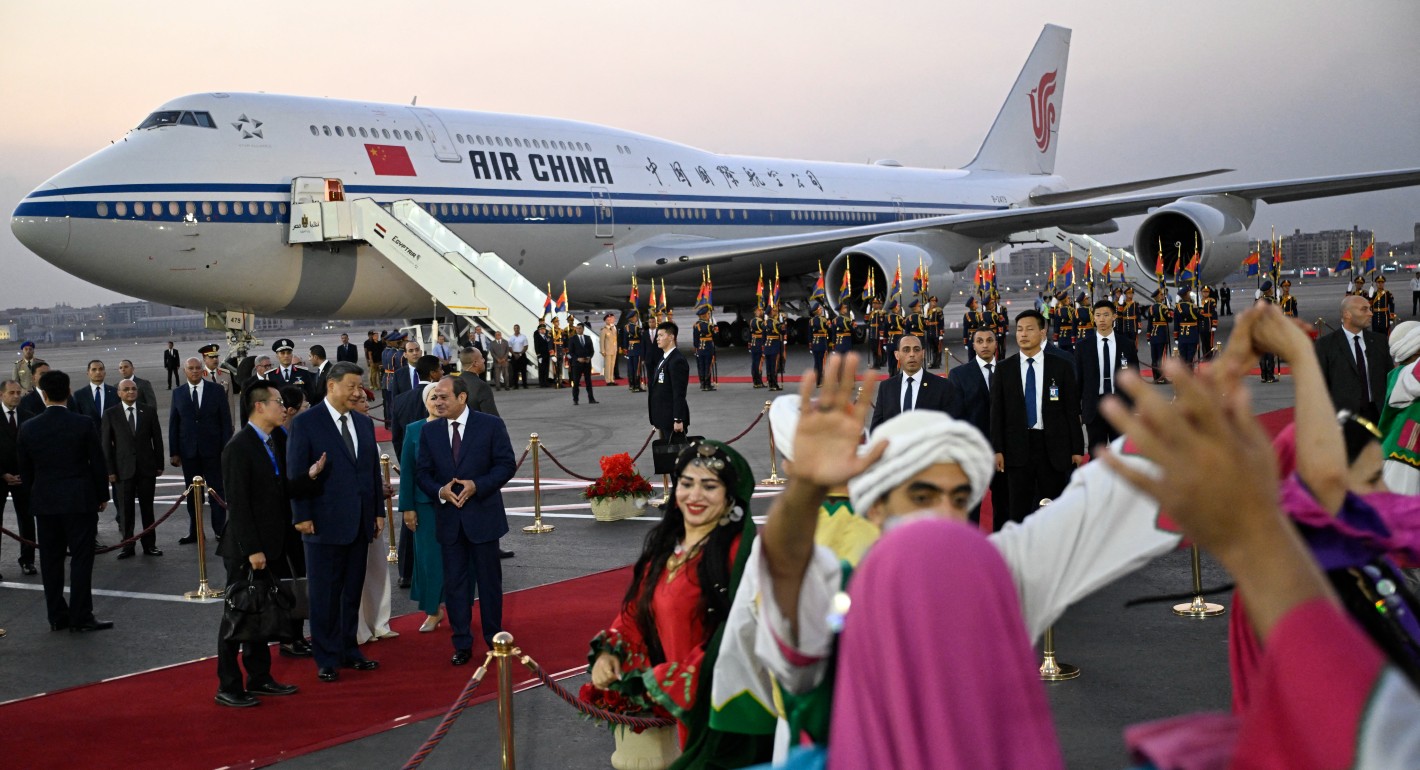
Amid celebrations of bilateral ties was a deeper focus on stability in the Middle East.

Amr Hamzawy

Can economic ties help contain conflict between Egypt and Israel, or do they simply postpone confrontation? Drawing on the German-Russian experience, the article examines how the gas deal creates mutual dependence, keeps channels of cooperation open, and raises the cost of conflict, without necessarily delivering lasting peace.

Nourhan Hefzy

The greater threat to Zelensky comes not from Fedorov alone, but from the convergence between the former defense minister’s political campaign and the anti-corruption investigations moving ever closer to the presidential administration.

Balázs Jarábik

With his public call for new elections in Ukraine, ex-defense minister Mykhailo Fedorov has opened Pandora’s box.

Konstantin Skorkin