

Commentary
Dmitri Trenin
{
  "authors": [
    "Dmitri Trenin"
  ],
  "type": "legacyinthemedia",
  "centerAffiliationAll": "",
  "centers": [
    "Carnegie Endowment for International Peace",
    "Carnegie Russia Eurasia Center"
  ],
  "collections": [],
  "englishNewsletterAll": "",
  "nonEnglishNewsletterAll": "",
  "primaryCenter": "Carnegie Russia Eurasia Center",
  "programAffiliation": "",
  "programs": [],
  "projects": [],
  "regions": [
    "Russia",
    "Eastern Europe",
    "Ukraine",
    "Western Europe"
  ],
  "topics": [
    "Political Reform",
    "Foreign Policy"
  ]
}
Source: Getty
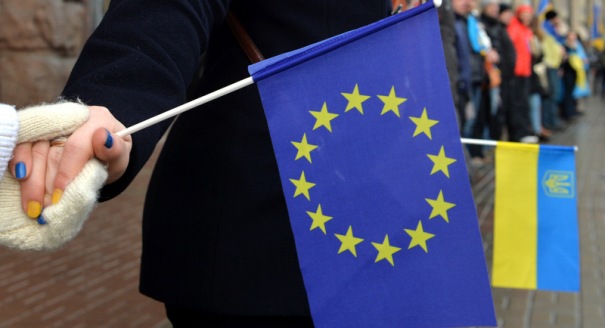
Ukraine has no choice but to make a deal with the EU, but the Europeans will need a long-term strategy to manage relations with Kiev.
Source: Mark News
Mass protests have rocked Ukraine as the country’s president rejected a trade and cooperation agreement with the European Union last month. Dmitri Trenin, who served in the Russian army and diplomatic corps, argues that Ukraine has no choice but to make a deal with the EU, thus obligating all to come up with a long-term strategy of cooperation.
No matter how Ukraine’s current political crisis is resolved, little can be done to improve the country’s difficult economic situation. Ukraine needs to pay its $2-billion debt to Gazprom, a giant natural-gas company based in Russia, before the end of 2013, and it faces $7.3 billion in debt repayments next year. The likelihood of Ukraine defaulting on its debt in the next five years is currently estimated at 50 percent. The resolution of the political crisis will also do little to change the fact that Ukraine is ruled and largely owned by several clans of oligarchs that are fighting for redistribution of power and property.
Russia is visibly losing the struggle for Ukraine, which is actually a blessing in disguise. Had Moscow won, it would have had to subsidize its 45-million strong neighbor, give it a powerful voice within the councils of Eurasian integration, and live under the constant threat of betrayal.Ukraine within Putin’s Eurasian Economic Union would have been like the Kingdom of Poland within the Russian Empire: privileged, but unfree, and rebellious. While counterintuitive to the Kremlin, Russia without Ukraine will be stronger than with it.
Russia’s notional loss is Europe’s coming gain. It is likely that sometime in 2014, the agreement and the accord on a free-trade area between the European Union and Ukraine will be signed. This will no doubt be celebrated across Europe and North America as a definite break with the legacy of Ukraine’s existence within the Russian Empire, and as one of the final steps in the creation of a Europe whole and free. The celebration, however, will usher in new responsibilities.
Already, stung by the fiasco at the Eastern Partnership Summit in Vilnius, the European Union has become more active – in the political realm, above all. Europe may be very angry with Ukrainian President Viktor Yanukovych, who bolted just before Vilnius, but supporting the unconstitutional ouster of a democratically elected government is fraught with serious danger. With U.S. support, European politicians are acting as middlemen to engineer a compromise between the Ukrainian authorities and the Euromaidan opposition. Beyond Kiev, their most important task is to help keep the big and diverse country in one piece.
In the near future, the Europeans will also need to face up to their economic responsibility. This will be really hard. Ukraine’s track record with the International Monetary Fund is abominable. The EU itself, heavily burdened with the need to help its own southern members, has little cash available. Yet, some funding will be necessary in the short term if Europe is to appear credible. In the medium and longer term, the EU will have to work closely with Ukrainians to push them toward structural economic reforms aimed at reducing the huge inefficiencies of their economy.
Having stepped onto Ukraine’s political turf, the Europeans will also need a long-term strategy to manage relations with the country. A common foreign policy of the EU is not just a desirable thing to have. It is a stark necessity. Helping “EU-ropeanize” Ukraine in a way that does not lead to internal conflict and divisions along regional, ethnic, or linguistic lines will be very demanding. This will be particularly hard given the quality of the Ukrainian political-economic elite, who probably realize that, in the long run, they will have no place in a truly European Ukraine. Thus, engaging with Ukraine’s civil society and empowering it is the key to success.
The EU will have to think through the implications of its Ukraine policy with regards to Russia. Even though Ukraine’s swing toward the EU is, on balance, a good thing for Russia, many in Moscow are reeling at the prospect of Ukraine taking a flight in the direction of Europe. The EU needs to make clear to the Russians that a Ukraine associated with Europe is not going to become “Russophobic.” European influence in Ukraine should promote moderation within the country and uphold its ties with neighbors, including Russia.
The European Union would have been spared this mammoth list of tasks had it simply accepted Viktor Yanukovych’s rejection of the EU Association Agreement in Vilnius. After Kiev’s Euromaidan protests, walking away from Ukraine is no longer an option for Europe. To live up to the challenge that they may not have clearly seen even a month ago, the Europeans need steady leadership. It is right for Germany to begin playing a role it has long grown to assume. Working in tandem with Brussels, the government in Berlin needs to turn Ukraine’s association into a vehicle for the country’s modernization, while making sure that stability in Europe is not in danger. Even if the EU and Germany are not ready to foot the bill, there is no turning back to pre-Vilnius, pre-Maidan days. Europe has made Ukraine an offer, and now it must live with its implications.
Former Director, Carnegie Moscow Center
Trenin was director of the Carnegie Moscow Center from 2008 to early 2022.
Recent Work
Dmitri Trenin
Dmitri Trenin
Carnegie does not take institutional positions on public policy issues; the views represented herein are those of the author(s) and do not necessarily reflect the views of Carnegie, its staff, or its trustees.
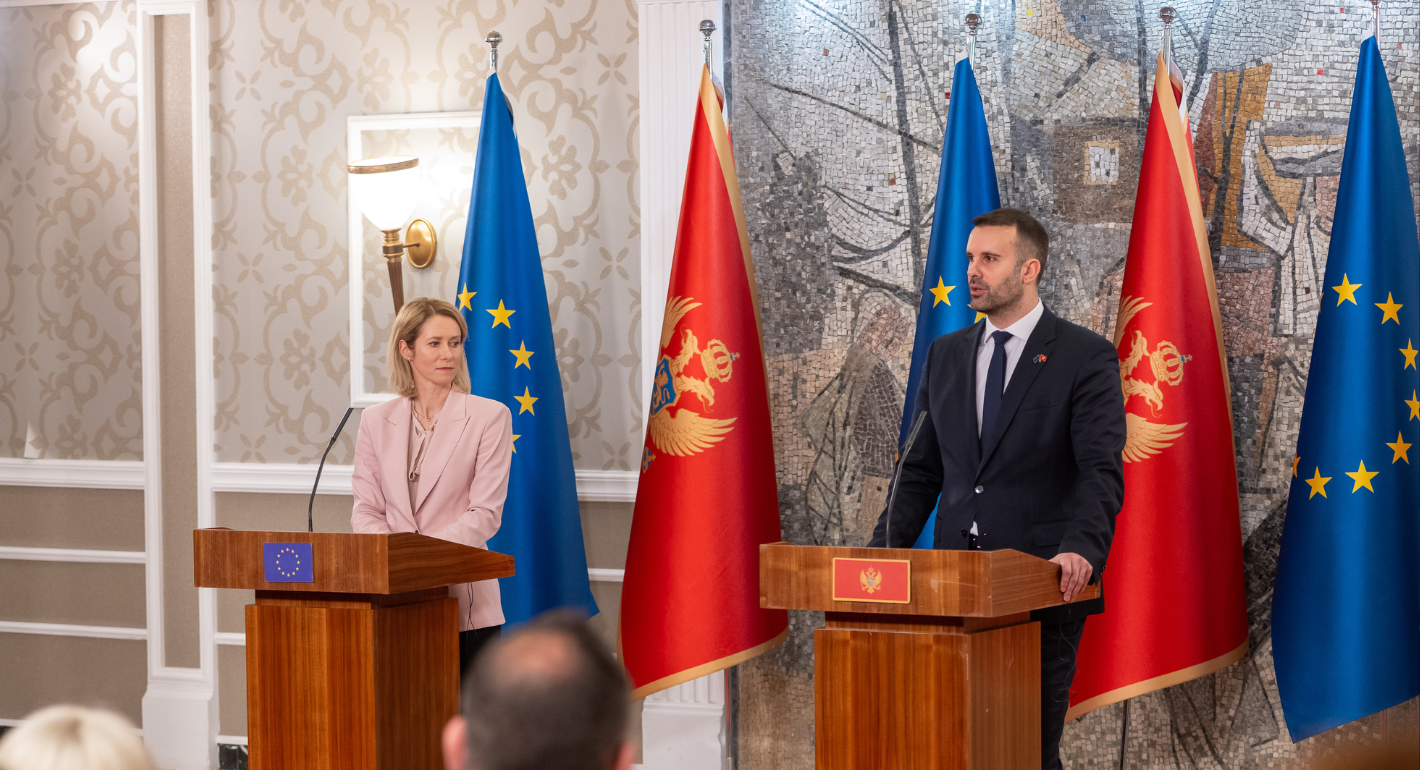
Montenegro and Albania are frontrunners for EU enlargement in the Western Balkans, but they can’t just sit back and wait. To meet their 2030 accession ambitions, they must make a strong positive case.


Dimitar Bechev, Iliriana Gjoni
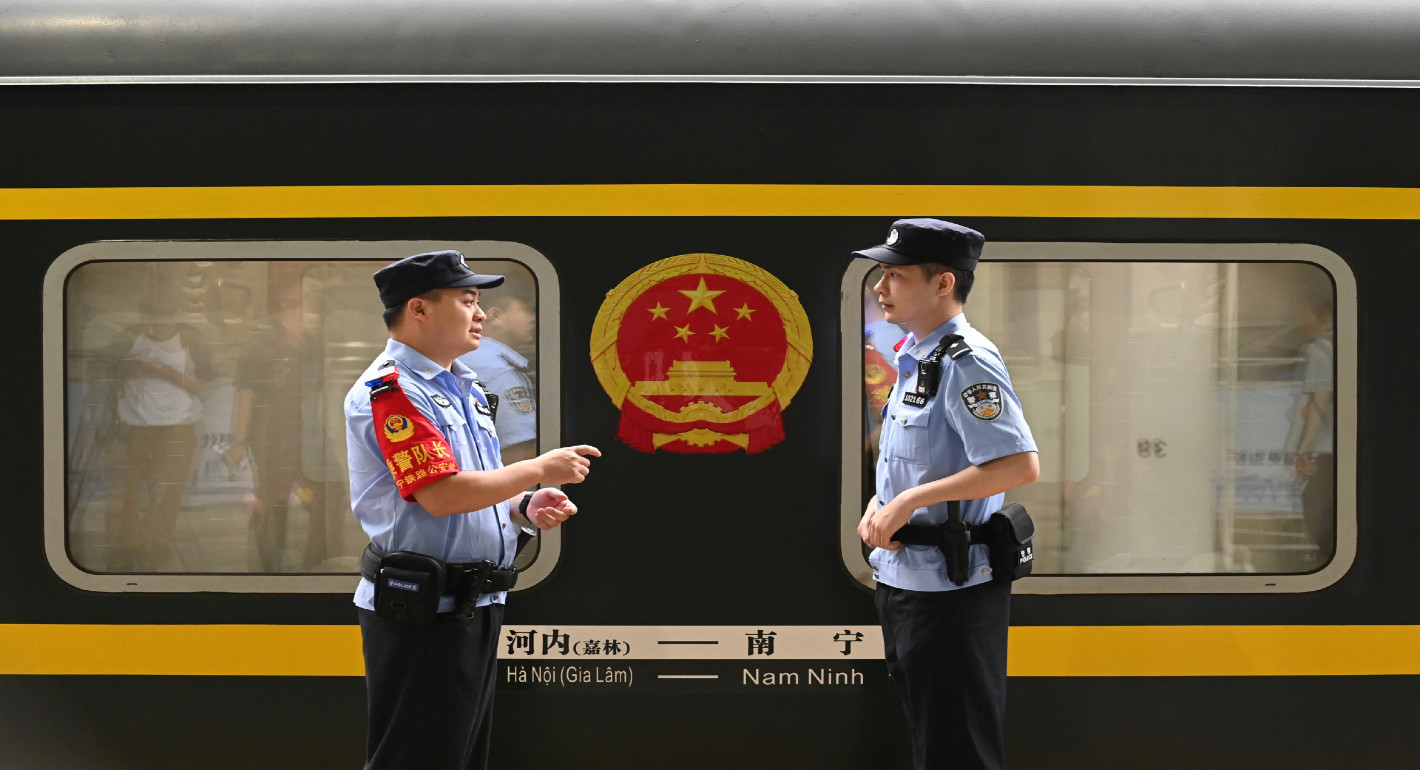
Despite long-standing differences, China and Vietnam are reinforcing common ground for collaboration, especially in public security. This internal security–centered diplomacy offers a strengthened road map for how China moves forward with Southeast Asia.
Sophie Zhuang
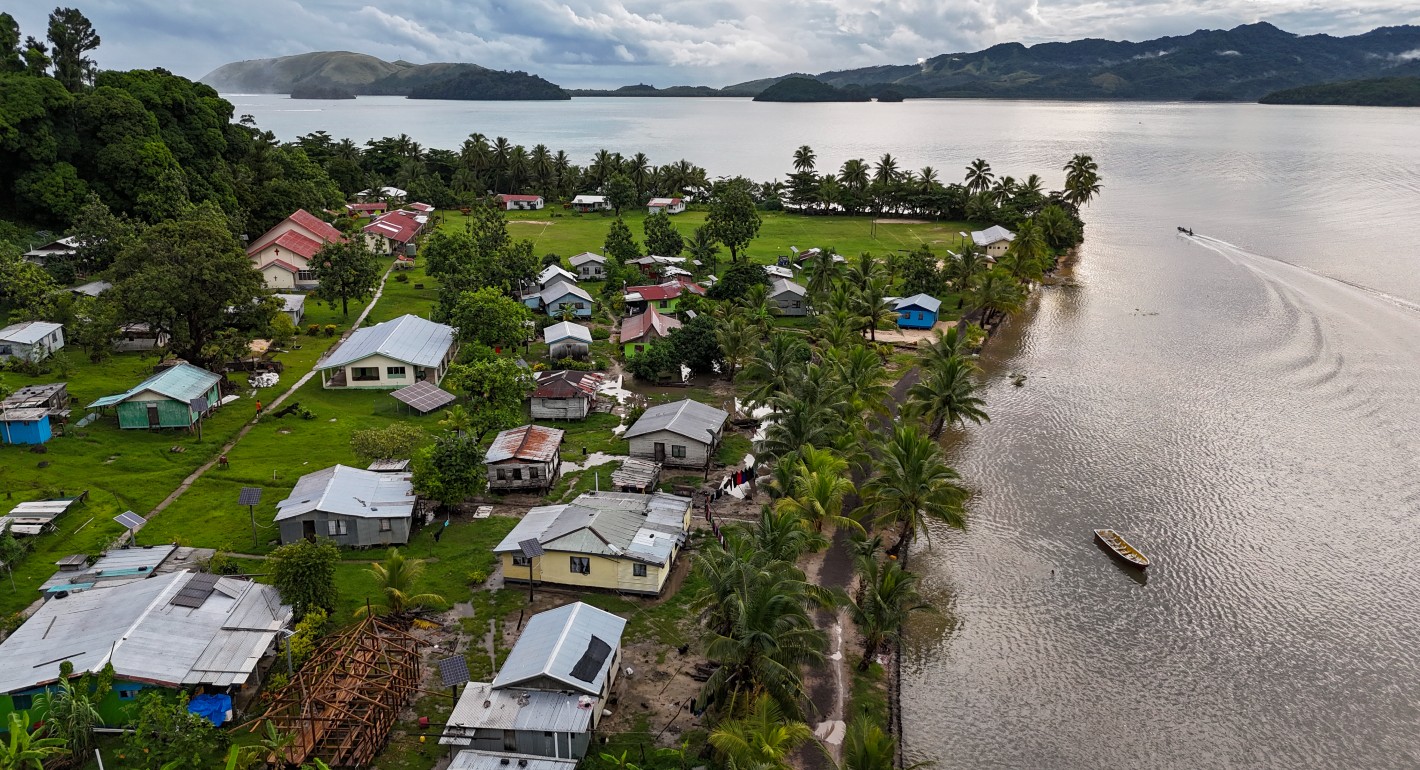
Climate mobility interventions can vary, but they all present opportunities to unlock transformative results that mitigate costs associated with inaction.

Alejandro Martin Rodriguez
Despite having the resources and expertise, the Russian space industry missed the opportunity to offer the United States or China a mutually rewarding partnership in the lunar race.

Georgy Trishkin
Four Middle East experts analyze the region’s reactions and next steps.



Amr Hamzawy, Andrew Leber, Eric Lob, …