

Research
- +6
Yasmine Farouk, Nathan J. Brown, Maysaa Shuja Al-Deen, …
{
  "authors": [
    "Michele Dunne"
  ],
  "type": "legacyinthemedia",
  "centerAffiliationAll": "dc",
  "centers": [
    "Carnegie Endowment for International Peace",
    "Malcolm H. Kerr Carnegie Middle East Center"
  ],
  "collections": [
    "Arab Awakening"
  ],
  "englishNewsletterAll": "menaTransitions",
  "nonEnglishNewsletterAll": "",
  "primaryCenter": "Carnegie Endowment for International Peace",
  "programAffiliation": "MEP",
  "programs": [
    "Middle East"
  ],
  "projects": [],
  "regions": [
    "North Africa",
    "Egypt"
  ],
  "topics": [
    "Political Reform"
  ]
}
Source: Getty
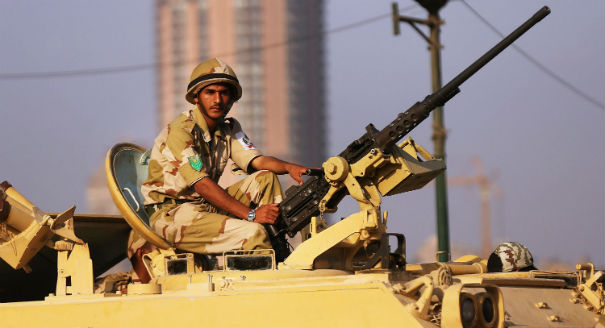
The Egyptian government’s recent moves against the Muslim Brotherhood may seem like a repeat of historical patterns but in reverse. Egypt is experiencing violence akin to its darkest periods.
Source: Morning Briefing with Tim Farley
The Egyptian government’s recent moves against the Muslim Brotherhood may seem like a replay of historical patterns but in reverse. Egypt is experiencing violence akin to its darkest periods, said Carnegie’s Michele Dunne on SiriusXM’s Morning Briefing with Tim Farley. This time, though, the Egyptian military and police have the cooperation of the judiciary in its crackdown on the Muslim Brotherhood. “Egypt is on a really difficult road right now because the military is trying to sideline what is probably the biggest political, social, and religious movement in the country,” Dunne argued.
The Brotherhood—which has undergone a slow evolution—has become increasingly political, but Dunne argued that the question now is, against the backdrop of the massive crackdown, whether the Brotherhood will move towards radicalization. She explained that the judiciary was one of the state institutions that had a lot of respect from the public even under Mubarak, but it has become increasingly politicized. Egypt has also been a long-time ally for the United States in the region, Dunne said, but the concern now in the U.S. government is whether Egypt may be going down a path of persistent instability.
The interview was originally aired on the Morning Briefing with Tim Farley.

Former Nonresident Scholar, Middle East Program
Michele Dunne was a nonresident scholar in Carnegie’s Middle East Program, where her research focuses on political and economic change in Arab countries, particularly Egypt, as well as U.S. policy in the Middle East.
Recent Work


Yasmine Farouk, Nathan J. Brown, Maysaa Shuja Al-Deen, …
Robert Springborg, Emile Hokayem, Becca Wasser, …
Carnegie does not take institutional positions on public policy issues; the views represented herein are those of the author(s) and do not necessarily reflect the views of Carnegie, its staff, or its trustees.
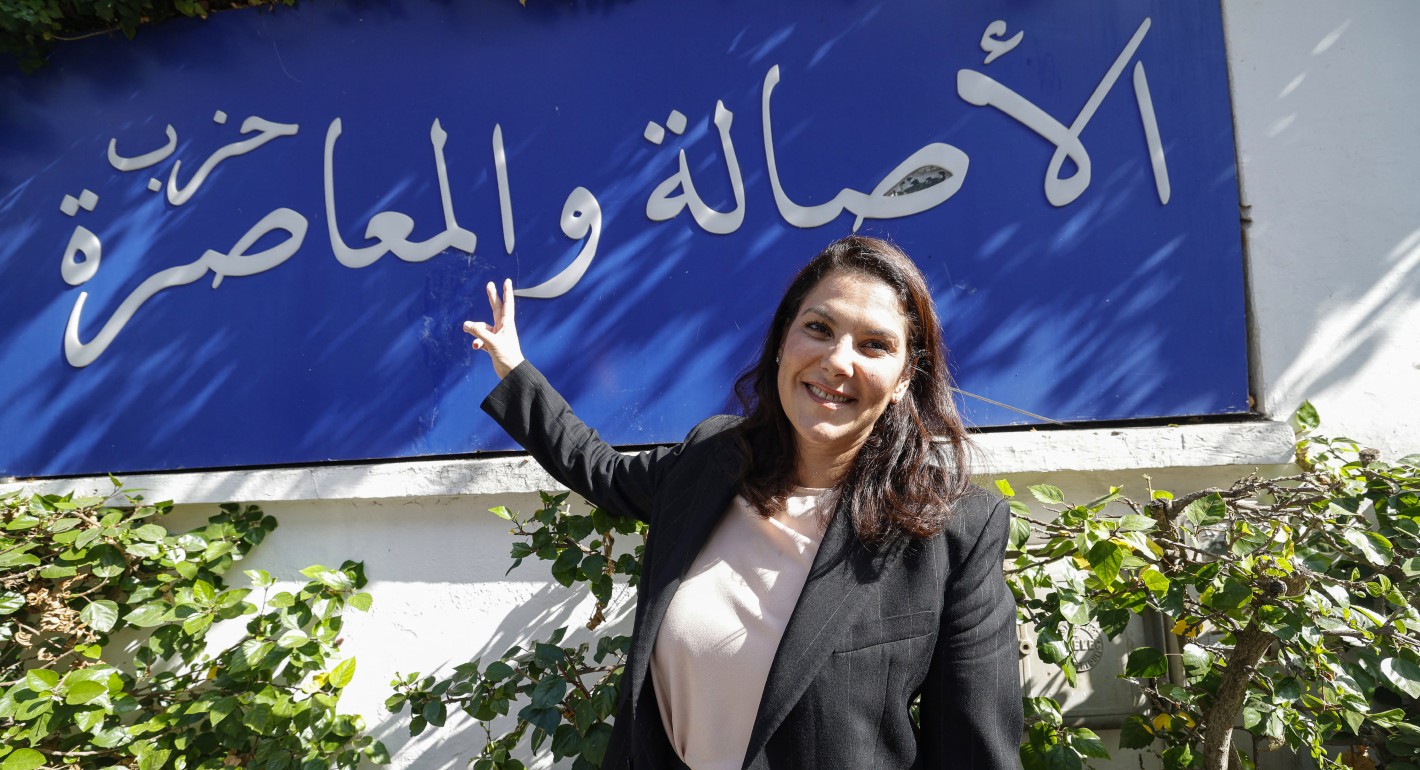
Fatima El Mansouri is the country’s first female prime minister. She’s also a privileged insider in a largely ceremonial position.

Sarah Yerkes

Sergei Kiriyenko used Russia’s parliamentary vote to further hone his strategy of corporate mobilization that is designed to maximize votes for United Russia.

Andrey Pertsev

Before the next wave of EU enlargement takes place, the union needs to grapple with thorny questions of how power is distributed among its members.


Emil Sondaj Hansen, Ditte Brasso Sørensen

The European far right might fail to steer EU policy in the direction Russia wants, but they will create enough chaos inside Europe to benefit the Kremlin.

Dimitar Bechev

In Egypt’s dense cities, the disappearance of foliage has health implications and punishes daily commuters.

Angie Omar