

Other
- +18
James M. Acton, Saskia Brechenmacher, Cecily Brewer, …
{
  "authors": [
    "Eugene Rumer"
  ],
  "type": "legacyinthemedia",
  "centerAffiliationAll": "dc",
  "centers": [
    "Carnegie Endowment for International Peace"
  ],
  "collections": [],
  "englishNewsletterAll": "",
  "nonEnglishNewsletterAll": "",
  "primaryCenter": "Carnegie Endowment for International Peace",
  "programAffiliation": "russia",
  "programs": [
    "Russia and Eurasia"
  ],
  "projects": [],
  "regions": [
    "Russia",
    "Eastern Europe",
    "Ukraine"
  ],
  "topics": [
    "Security",
    "Foreign Policy"
  ]
}
Source: Getty
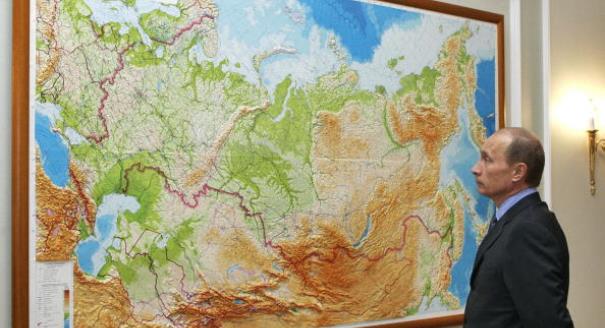
The Ukraine crisis has reached a new phase that could lead to outright conflict between Ukraine and Russia. However, it is not clear what Russia’s strategy is in Ukraine and what it hopes to achieve.
Source: Bloomberg TV
Speaking on Bloomberg TV, Carnegie’s Eugene Rumer said that the Ukraine crisis has entered a new phase that could potentially lead to outright military conflict between Ukraine and Russia. However, he added, it is unclear what Russia’s political strategy is and what it hopes to achieve by destabilizing the new government in Kiev. Rumer stated that, regardless of Vladimir Putin’s goal, its actions against Ukraine will be detrimental to Russia in the longer term, as Moscow will eventually have to deal with Kiev in some form or another. In the near future, the United States will probably impose more economic sanctions on Russia, and this could do significant damage to the Russian economy. But sanctions are unlikely to dractically alter Russia’s actions, as the Russian leadership now sees the Ukraine crisis as an existential issue, Rumer concluded.
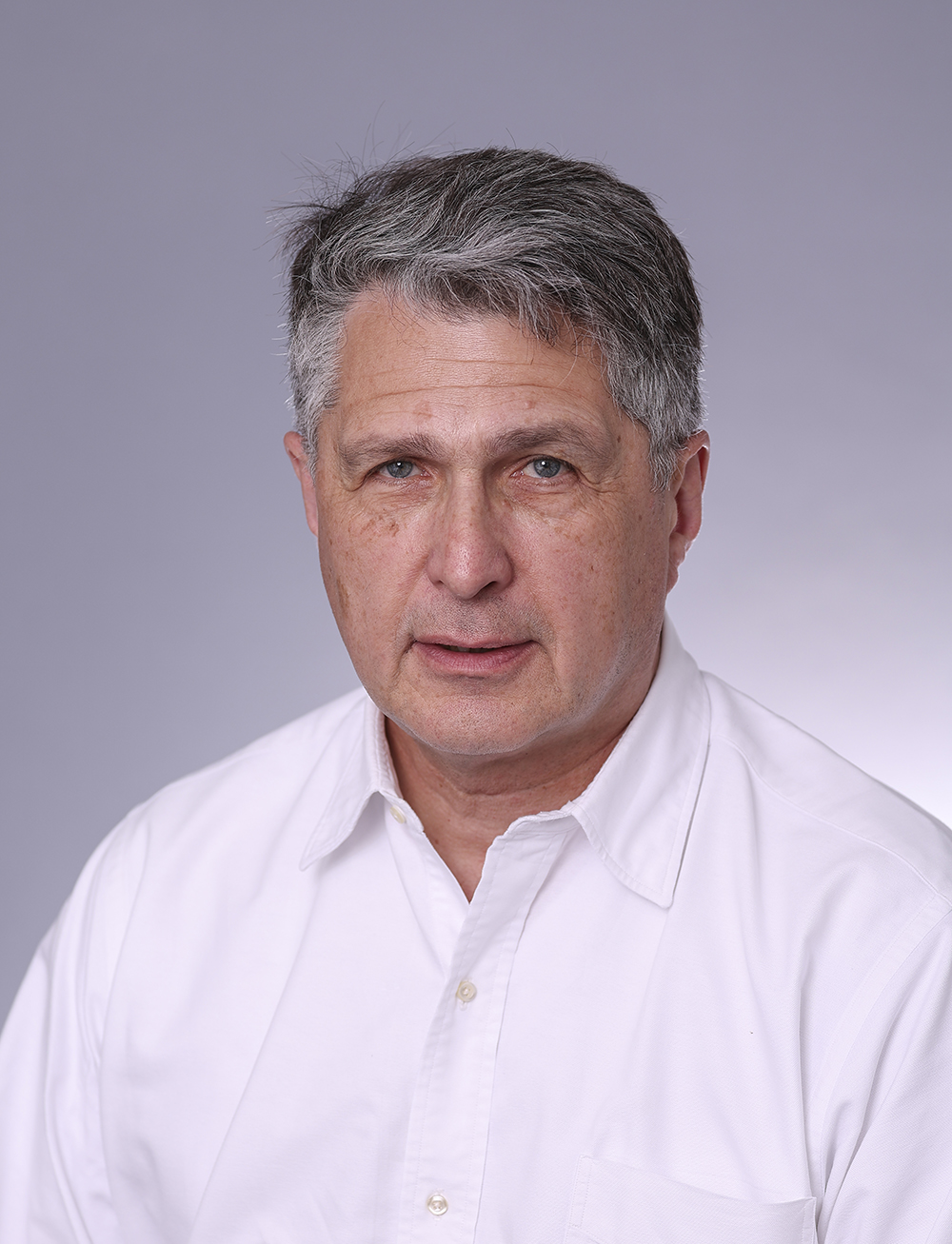
Director and Senior Fellow, Russia and Eurasia Program
Rumer, a former national intelligence officer for Russia and Eurasia at the U.S. National Intelligence Council, is a senior fellow and the director of Carnegie’s Russia and Eurasia Program.
Recent Work


James M. Acton, Saskia Brechenmacher, Cecily Brewer, …
Nate Reynolds, Eugene Rumer
Carnegie does not take institutional positions on public policy issues; the views represented herein are those of the author(s) and do not necessarily reflect the views of Carnegie, its staff, or its trustees.
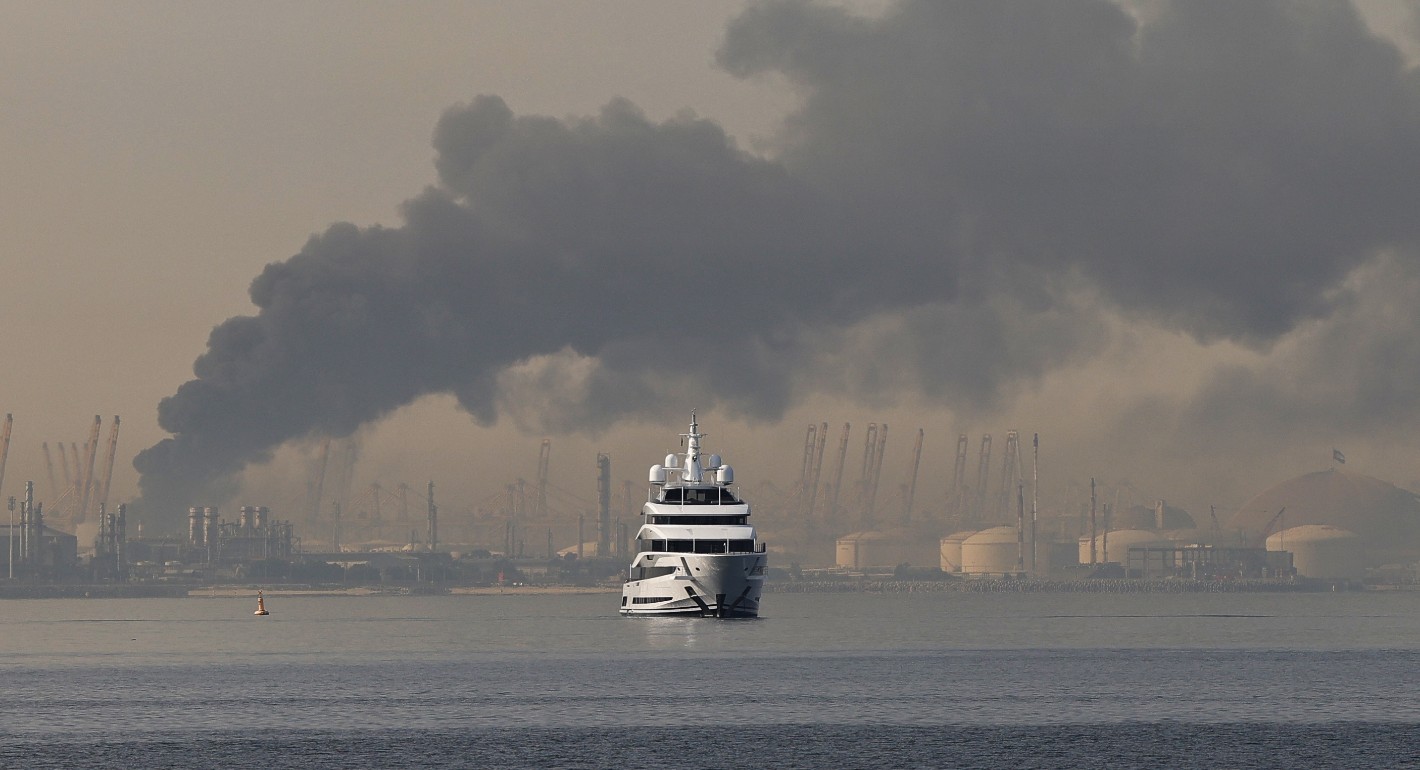
Only collective security can protect fragile economic models.

Andrew Leber
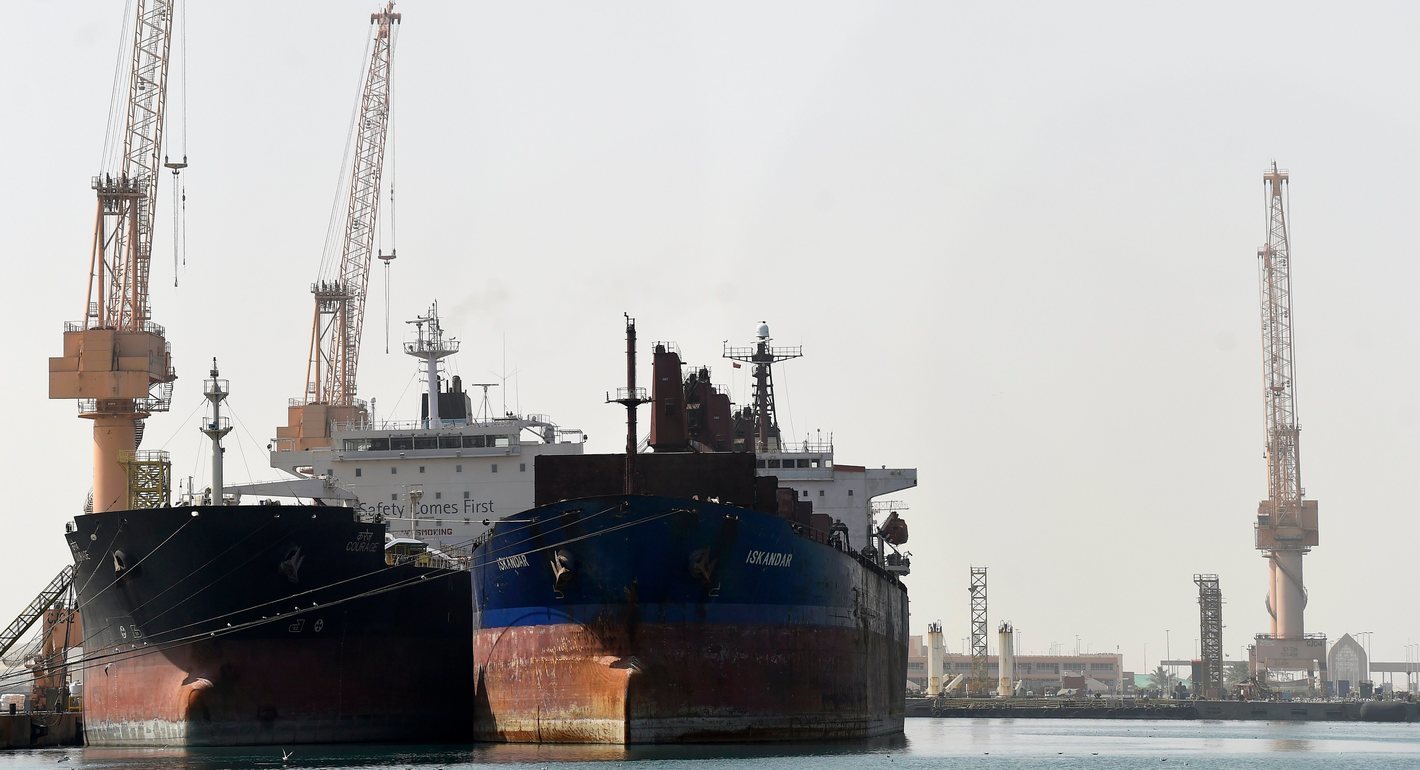
In a volatile Middle East, the Omani port of Duqm offers stability, neutrality, and opportunity. Could this hidden port become the ultimate safe harbor for global trade?
Giorgio Cafiero, Samuel Ramani
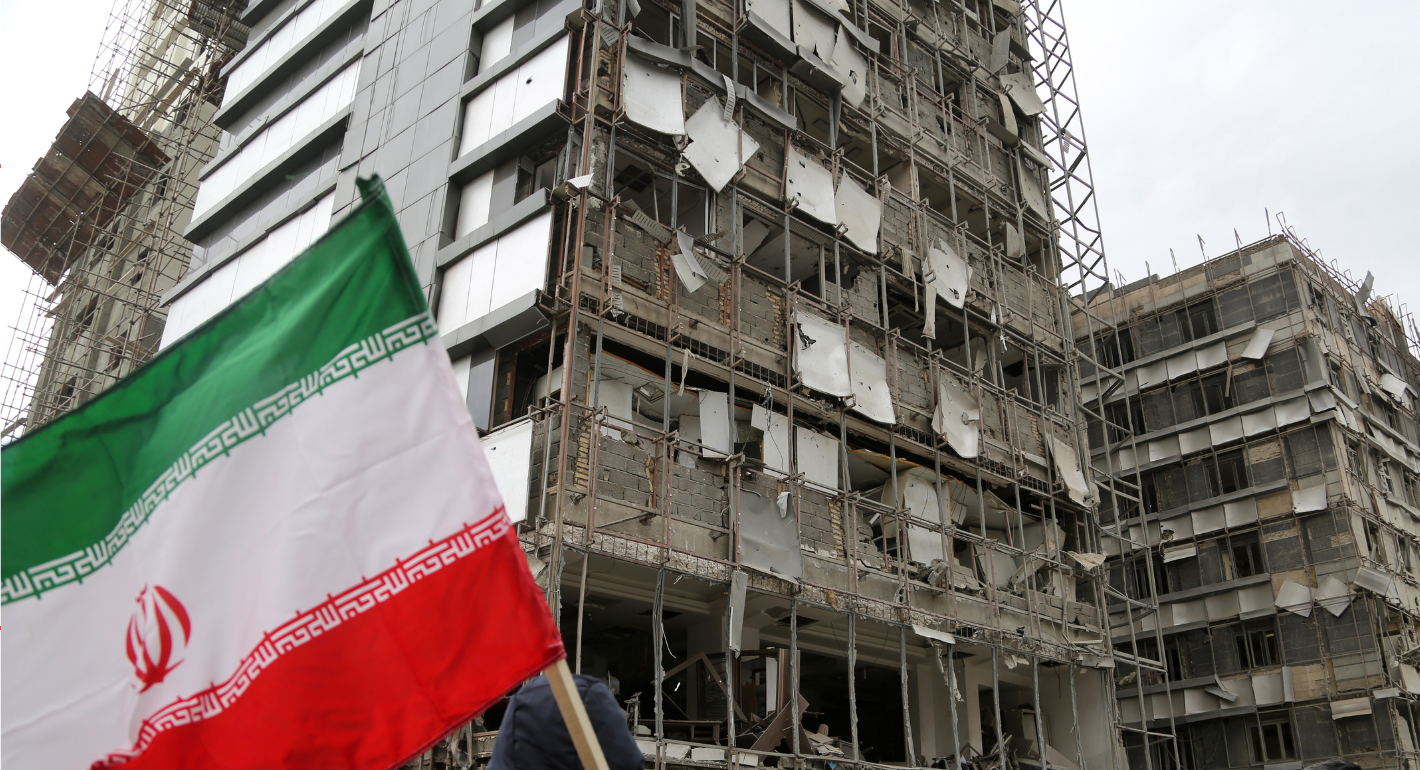
Europe’s reaction to the war in Iran has been disunited and meek, a far cry from its previously leading role in diplomacy with Tehran. To avoid being condemned to the sidelines while escalation continues, Brussels needs to stand up for international law.

Pierre Vimont
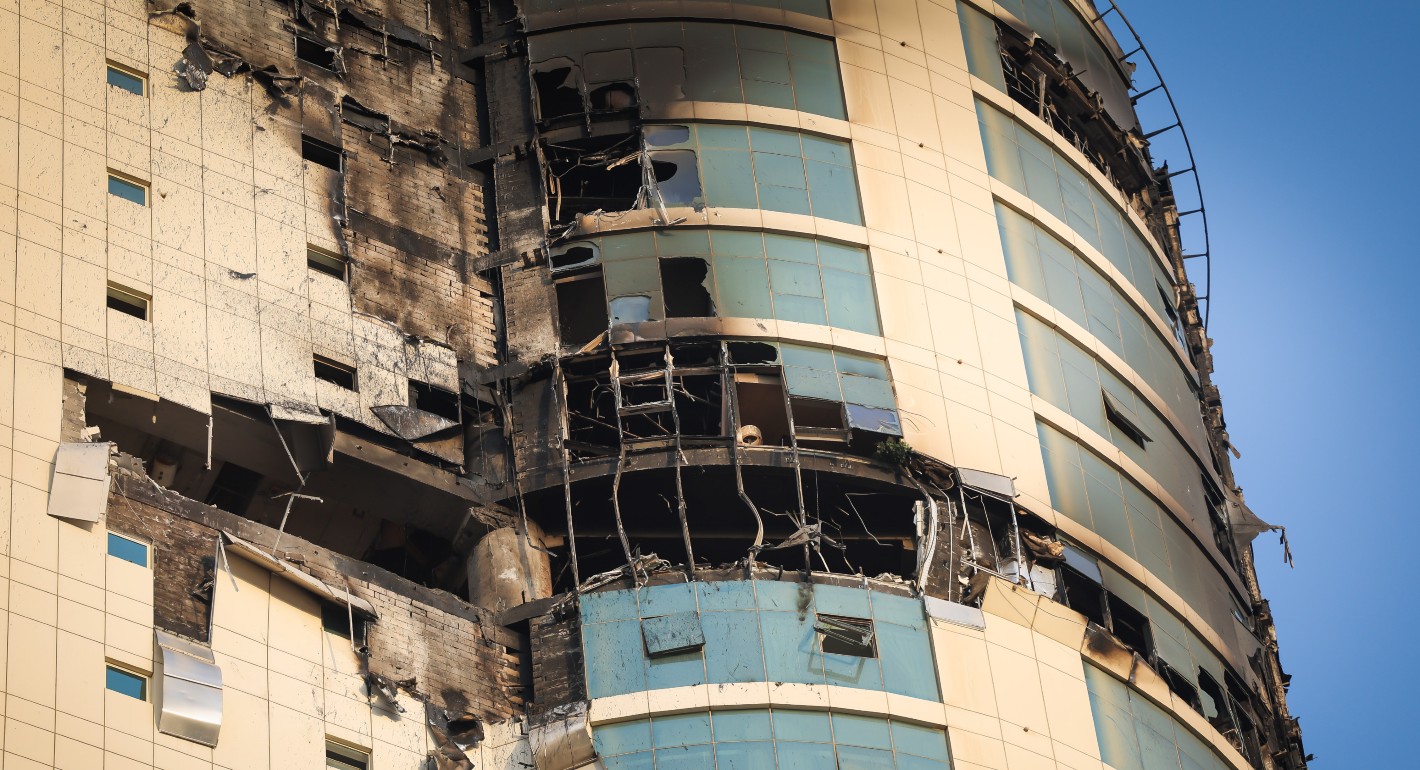
Two experts discuss how drone technology is shaping yet another conflict and what the United States can learn from Ukraine.

Steve Feldstein, Dara Massicot
Arguing that Chinese policy is hung on alliances—with imputations of obligation—misses the point.

Evan A. Feigenbaum