

Commentary
The EU can impose sanctions but struggles to enforce them without the United States. With Washington increasingly disinterested in backing European interests, the bloc must now fend for itself.
Nicu Popescu, Tiago Antunes
{
  "authors": [
    "Jack F. Matlock Jr.",
    "Thomas R. Pickering",
    "James F. Collins"
  ],
  "type": "legacyinthemedia",
  "centerAffiliationAll": "dc",
  "centers": [
    "Carnegie Endowment for International Peace"
  ],
  "collections": [],
  "englishNewsletterAll": "ctw",
  "nonEnglishNewsletterAll": "",
  "primaryCenter": "Carnegie Endowment for International Peace",
  "programAffiliation": "russia",
  "programs": [
    "Russia and Eurasia"
  ],
  "projects": [],
  "regions": [
    "North America",
    "United States",
    "Russia",
    "Eastern Europe",
    "Western Europe"
  ],
  "topics": [
    "Foreign Policy"
  ]
}
Source: Getty
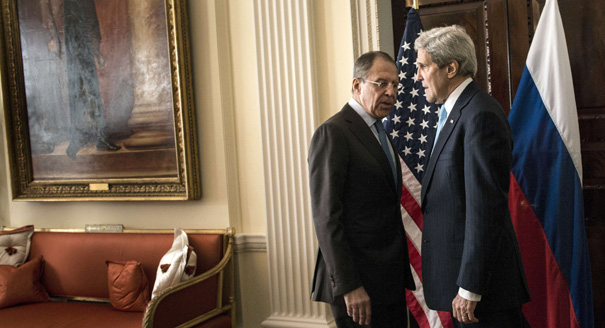
The crisis over Ukraine has all but frozen official communication between the United States and Russia. It is time to reengage Russia diplomatically.
Source: New York Times
The crisis over Ukraine has all but frozen official communication between the United States and Russia. The Russian reaction to the political upheaval in Kiev — the absorption of Crimea, and the armed intervention in eastern Ukraine — and the American responses to those actions have brought about a near-complete breakdown in normal and regular dialogue between Washington and Moscow. Relations between the two capitals have descended into attempts by each side to pressure the other, tit-for-tat actions, shrill propaganda statements, and the steady diminution of engagement between the two governments and societies.
Reports from the NATO summit meeting that ended in Newport, Wales, on Friday indicate that the United States and its allies will respond to Russia’s intervention and violence in Ukraine with an escalation of their own — including further sanctions, enhanced military presence in front-line states, and possibly greater support for Ukraine’s armed forces. This amounts to more of the same, with little if any assurance of better outcomes.
What the Western strategy lacks is an equally vigorous diplomatic approach to ending this conflict. Diplomatic efforts should aim to provide Ukraine and its neighbors with a future that can sustain peace and security for all countries in the area; re-establish respect for the core principles of Europe’s political order; and open the way for more productive American-Russian relations.
As three former United States ambassadors who served in Moscow, we believe that the time is right for American leadership in a serious diplomatic effort to achieve these ends. Each of us has seen the high price paid when relations and dialogue between Washington and Moscow break down, as in the effort to prevent Baltic independence at the end of the Soviet era, the Kosovo crisis and the insurgency in Chechnya.Each time relations broke down, there was a high cost to the cause of peace and security for both the United States and Russia, as well as their allies. Our experience convinces us that creative, disciplined, serious active diplomacy — through both official and unofficial channels — provides the one path out of destructive crises and a reliance on violence and confrontation. So-called Track 2 dialogue between nonstate actors — experts and groups of individuals on both sides — can also play a useful role.
For now, fortunately, a cease-fire agreement announced on Friday by President Petro O. Poroshenko of Ukraine and President Vladimir V. Putin of Russia appears to be holding. It is also encouraging that the parties have begun discussion about how to maintain the halt in fighting and address the political issues that will have to be tackled to bring about a lasting settlement.
There is ample reason to treat this opening with caution. But this potential opportunity should not be allowed to slip away. This is a moment when American leadership will be essential. The terms of any durable cease-fire must, of course, provide for adequate numbers of international observers, most appropriately from the Organization for Security and Cooperation in Europe, to ensure that no side exploits the halt in fighting.
Any lasting agreement must also build on the fragile political process begun over the weekend. That process must involve the search for agreement on fair and equal treatment, and adequate political representation, of all Ukrainians; on respect for Ukraine’s sovereignty over its territory; and on international cooperation to rebuild Ukraine’s economy.
Firm and unwavering support by the United States for these principles will be critical to the success of any negotiated outcome. The resumption of regular dialogue between Moscow and Washington will be central to the restoration of relations.
Fortunately, the arrival in Moscow of America’s new ambassador, John F. Tefft, provides an opening to enhance communication and dialogue. A seasoned career diplomat with previous service in Lithuania, Georgia and Ukraine, as well as Russia, Mr. Tefft brings to Moscow a capacity to express American views and positions clearly and to listen to and explain Russian thinking to Washington. His arrival gives both governments an opportunity to rebuild relations and to move away from the present path of confrontation.
Reinvigorating American-Russian diplomacy will be challenging. The negative effects of the Ukraine crisis are part of a broader downturn in relations over the last few years. The escalation of violence in Ukraine, and rising calls among Europeans and Americans for more forceful action and tougher sanctions to confront Russian military activity, have increased the prospect for further escalation and a further downturn in bilateral relations.
Although spokesmen and leaders in Washington have suggested that Russia has an “off ramp” to extricate itself from the present situation and the United States is ready to cooperate in that effort, this uphill path is strewn with rocks and largely uncharted. Additional sanctions, increased military pressure and battlefield escalation will not, by themselves, help define a way forward.
Only the use of diplomacy can help Mr. Poroshenko take advantage of new openings to define his country’s relations with its neighbors, restore Ukrainian sovereignty and effect a permanent end to the bloodshed. Sanctions and further efforts to escalate political and military pressure, and reliance on unilateral action without accompanying diplomacy, would all but assure continued suffering for the people of Ukraine.
It is time for the United States to use its diplomatic assets, including our new ambassador in Moscow, to take active leadership of diplomatic efforts to resolve the crisis over Ukraine and set American relations with Russia on a new, more productive course.
Jack F. Matlock Jr. was the United States ambassador to the Soviet Union from 1987 to 1991.Thomas R. Pickering was the United States ambassador to Russia from 1993 to 1996, and James F. Collins from 1997 to 2001.
Jack F. Matlock Jr.
Thomas R. Pickering
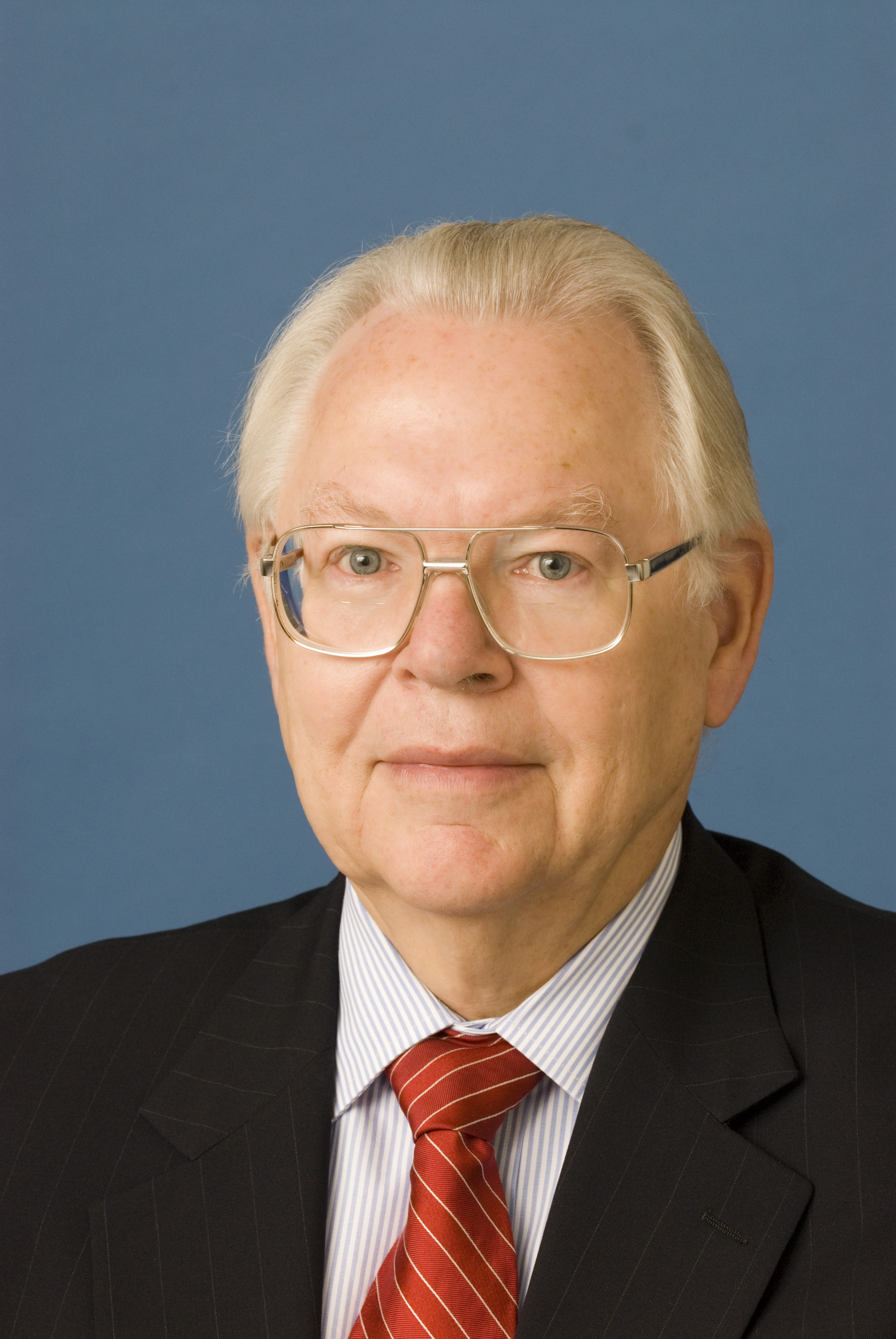
Nonresident Senior Fellow, Russia and Eurasia Program; Diplomat in Residence
Ambassador Collins was the U.S. ambassador to the Russian Federation from 1997 to 2001 and is an expert on the former Soviet Union, its successor states, and the Middle East.
Carnegie does not take institutional positions on public policy issues; the views represented herein are those of the author(s) and do not necessarily reflect the views of Carnegie, its staff, or its trustees.

The EU can impose sanctions but struggles to enforce them without the United States. With Washington increasingly disinterested in backing European interests, the bloc must now fend for itself.


Nicu Popescu, Tiago Antunes
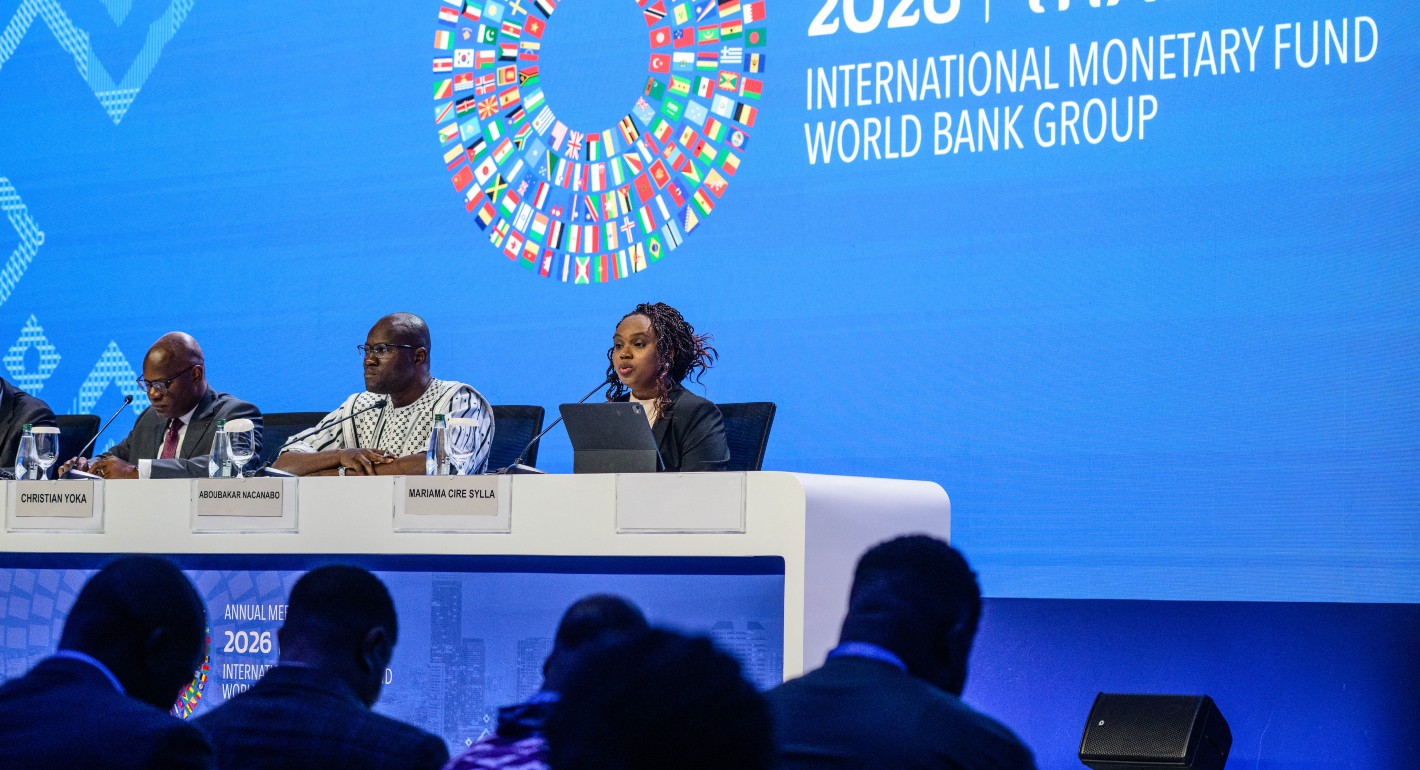
Global and rising powers will need to engage with Africa’s priorities and agency in order to secure the continent’s increasingly attractive partnerships.

Fonteh Akum
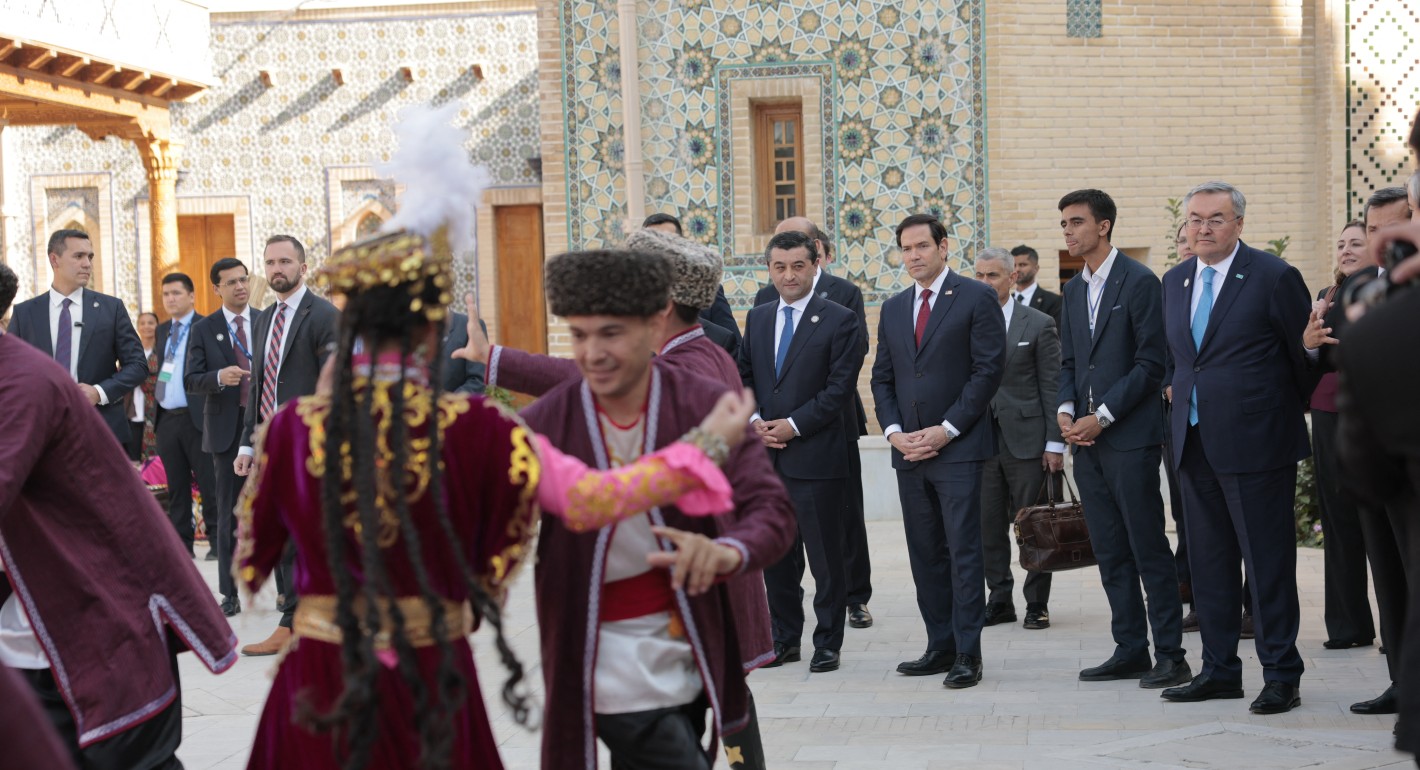
Rubio’s recent visit brought welcome attention, but more capital requires governance changes that may be a hard sell for regional governments.

Jennifer B. Murtazashvili

America’s foreign-policy objectives have grown more demanding while Americans have demanded greater focus on their own affairs.

Stephen Wertheim

Japan’s long-term security policy is driven by concerns about China, and there is little appetite for (or interest in) pursuing a confrontation with Moscow.

James D.J. Brown