

Commentary
In the discussions made possible by the State Duma election campaign, one question is being asked more and more loudly. “What next?”
Andrey Pertsev
{
  "authors": [
    "Maxim Suchkov"
  ],
  "type": "commentary",
  "centerAffiliationAll": "",
  "centers": [
    "Carnegie Endowment for International Peace",
    "Carnegie Russia Eurasia Center"
  ],
  "collections": [],
  "englishNewsletterAll": "",
  "nonEnglishNewsletterAll": "",
  "primaryCenter": "Carnegie Endowment for International Peace",
  "programAffiliation": "",
  "programs": [],
  "projects": [],
  "regions": [
    "Caucasus",
    "Russia",
    "Azerbaijan",
    "Armenia",
    "Georgia",
    "Eastern Europe",
    "Ukraine",
    "Moldova"
  ],
  "topics": [
    "Foreign Policy",
    "Global Governance"
  ]
}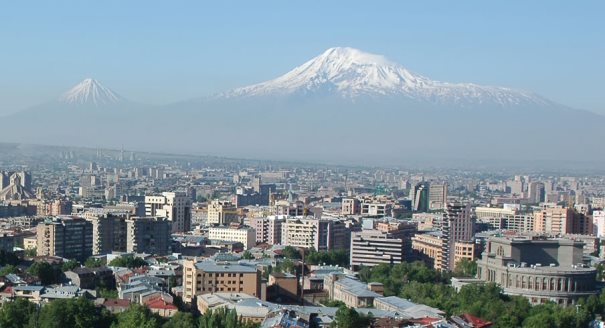
Source: Getty
The Ukrainian crisis has shown to the South Caucasian states that deciding between European and Eurasian integration comes at a high price, but that indecisiveness is an even worse path.
As the Ukraine puzzle slowly and steadily enters the diplomatic realm, at least three obvious yet critical facts can be ascertained: the crisis has proven the European security system ineffective, severely damaged Russia-West relations and left diplomacy in a gridlock, and made the Belavezha Accords obsolete. Echoes of these consequences will be long felt across Eurasia.
Certain shockwaves have already reached the South Caucasus, one of the regions most susceptible changing dynamics between Russia and the West.
First, a great deal of skepticism about the capability of European institutions to fix conflicts in the post-Soviet space is now prevailing among South Caucasian elites. Ironically, this understanding serves to deter violence in the region: responsible stakeholders in Tbilisi, Yerevan and Baku have realized that if there should be serious warfare in the region there will be no international institutions powerful enough to stop it, or any great European powers ready for head-on military collision to defend their clients' interests.
The Ukrainian crisis has shown that deciding between European and Eurasian integration comes at a high price.Tweet This
At the same time, the South Caucasian states have found themselves between the devil and the deep blue sea: the Ukrainian crisis has shown that deciding between European and Eurasian integration comes at a high price, but that indecisiveness is an even worse path. Thus, the startling developments in Ukraine have triggered two opposite processes: on the one hand, they have accelerated Georgia and Moldova’s efforts to integrate into Euro-Atlantic institutions. On the other hand, the Ukraine crisis has pushed Armenia to seek full membership in the Eurasian Union and encouraged Abkhazia and South Ossetia to forge closer ties with Russia.
The domestic support for Eurasian integration in Armenia, South Ossetia, and Abkhazia seems to have been spurred by a resurgence of national identity. All three have a common cause: historical reunification, an idea reenergized by “the Crimea precedent.” Armenian supporters of Eurasian integration have projected “re-incorporation of the Crimea into Russia” onto the disputed territory of the Nagorno Karabakh, suggesting that it is a precedent for reunification of Armenia’s historical lands. Supporters of integration in South Ossetia hope that it might use the same logic to reincorporate those territories into Russia.
When power politics are at play, smaller states often scramble to side with great powers. But those who expect the tit-for-tat game between Russia and the West to continue have opted to maneuver between the two. Azerbaijan has chosen this path, floating between East and West in its stance toward the crisis in Ukraine, and reaffirming its commitment to multi-vector diplomacy. Yet the time may come for Baku to make hard choices as well.
Finally, the crisis in Ukraine has had a remarkable impact on the South Caucasus. Although it may not yet be fully recognized, the transformed realities of Eurasian geopolitics have surely revived the idea that there are distinct geopolitical zones—daily bread for political and academic hardliners who love to ponder what this might mean for the Caucasus.
They say when the going gets tough the tough get going. Russia may look like it has gone through the tough part in the Ukraine crisis, but whatever further moves it makes in the diplomatic game of chess, it should understand the impact on its policy in Eurasia. The consequences are already looming in the horizon.
Maxim A. Suchkov, PhD, a former Fulbright visiting fellow at Georgetown University (2010–11), is currently a contributor to Al Monitor (Russia Pulse) and fellow at the Institute for Strategic Studies (Pyatigorsk).
Maxim Suchkov
Carnegie does not take institutional positions on public policy issues; the views represented herein are those of the author(s) and do not necessarily reflect the views of Carnegie, its staff, or its trustees.
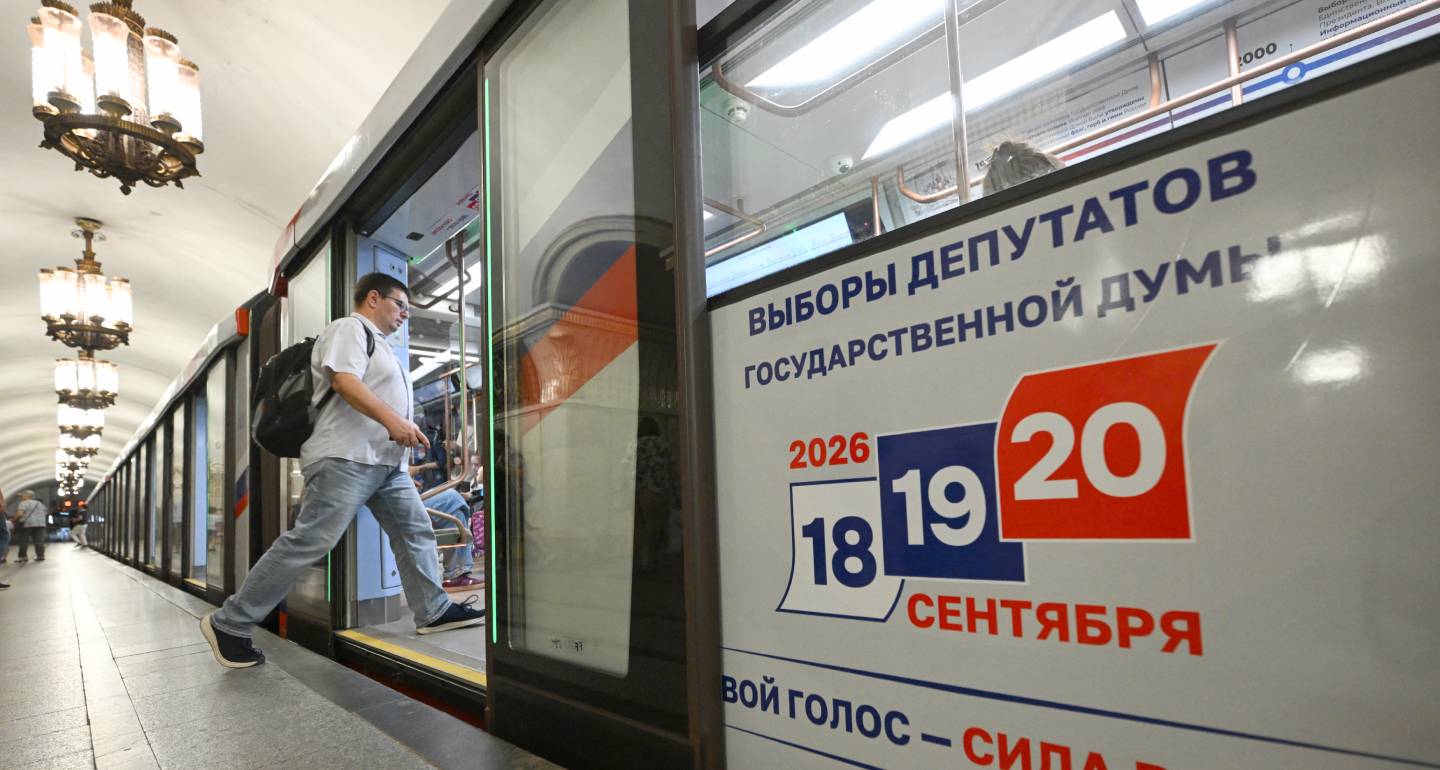
In the discussions made possible by the State Duma election campaign, one question is being asked more and more loudly. “What next?”

Andrey Pertsev

While the Nazis rushed ahead in a revolutionary fervor, Russia’s modern crusaders against enemies of the state work methodically, giving their targets time to adjust to restrictions before closing the loopholes.

Leonid Bershidsky
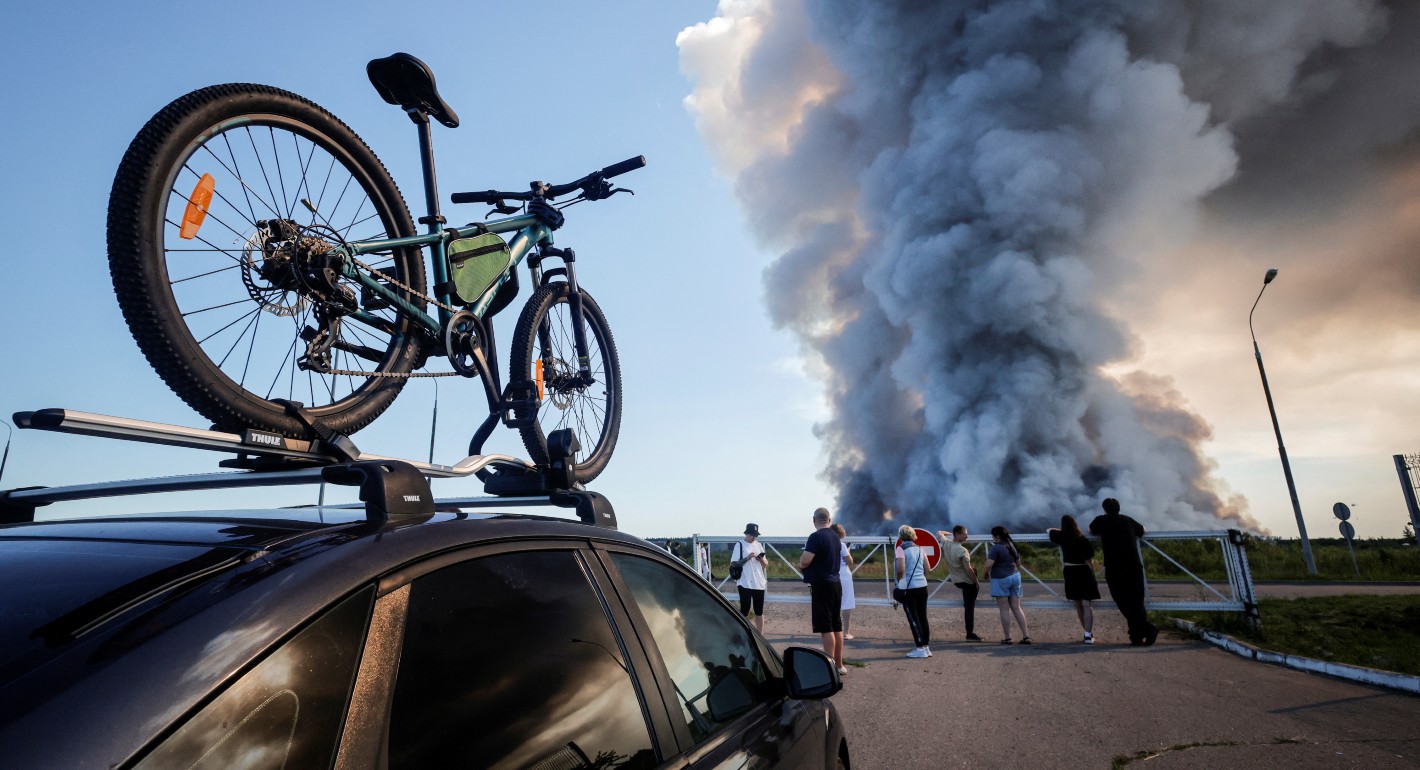
Media coverage suggests Kyiv’s fortunes have changed. That shift may be important, but it only goes so far.



Dara Massicot, Aaron David Miller, Andrew S. Weiss
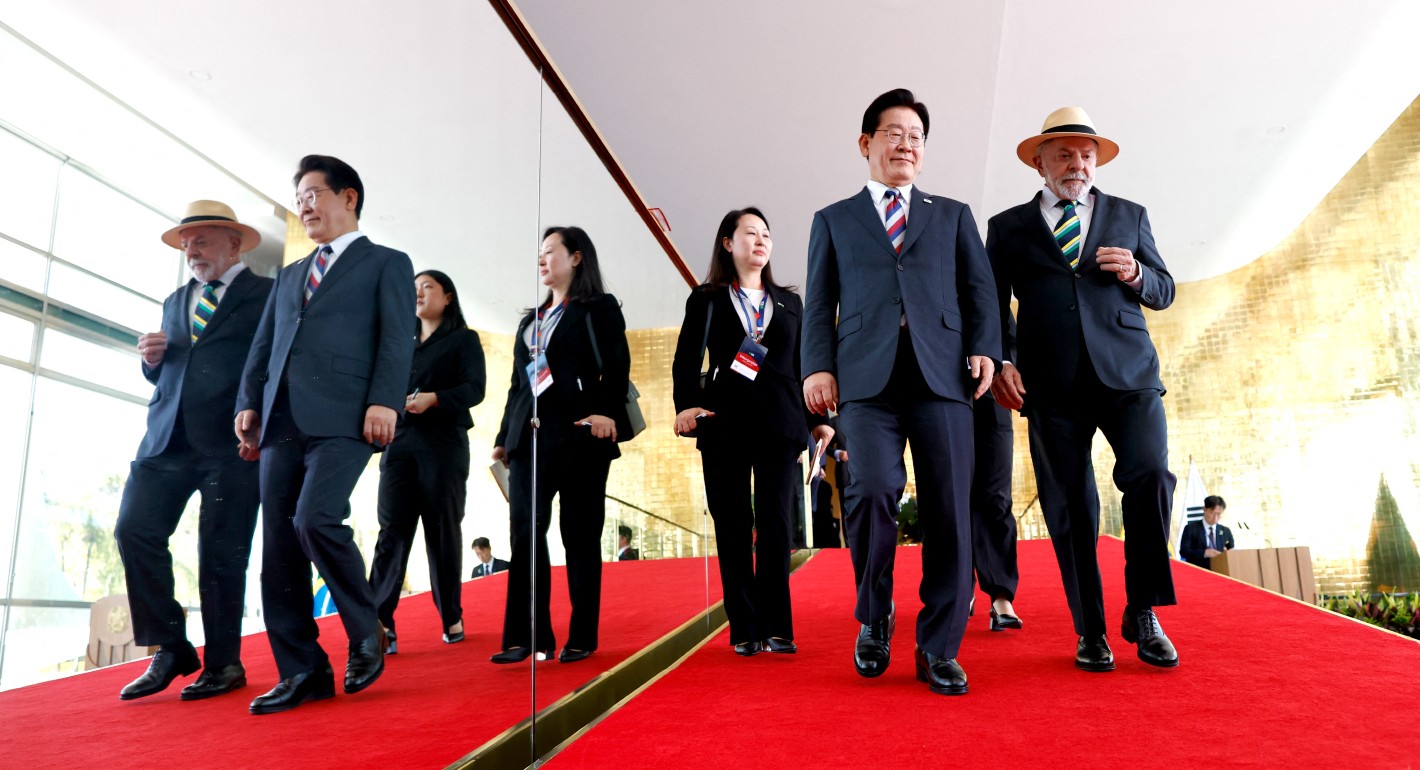
Lee’s tour shows how Seoul is reorganizing its diplomacy away from Pyongyang and toward industrial networks and the geography of the compute economy.

Darcie Draudt-Véjares
Most migrants may have left Ceuta, but the effects may linger.


Alejandro Martin Rodriguez, Sarah Yerkes