

Research
- +11
Priyal Singh, Jean-Hervé Jezequel, Anouar Boukhars, …
{
  "authors": [
    "Frederic Wehrey"
  ],
  "type": "legacyinthemedia",
  "centerAffiliationAll": "dc",
  "centers": [
    "Carnegie Endowment for International Peace",
    "Malcolm H. Kerr Carnegie Middle East Center"
  ],
  "collections": [],
  "englishNewsletterAll": "menaTransitions",
  "nonEnglishNewsletterAll": "",
  "primaryCenter": "Carnegie Endowment for International Peace",
  "programAffiliation": "MEP",
  "programs": [
    "Middle East"
  ],
  "projects": [],
  "regions": [
    "Middle East",
    "Iraq",
    "Syria",
    "Gulf",
    "Levant"
  ],
  "topics": [
    "Political Reform",
    "Security"
  ]
}
Source: Getty
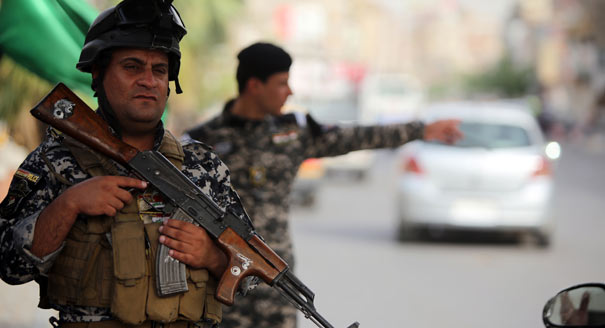
Empowering local partners on the ground is going to be a long-term challenge.
Source: BBC World
Speaking on BBC World, Carnegie’s Frederic Wehrey discussed U.S. President Barack Obama’s recent meeting with the defense ministers of the more than twenty countries taking part in the coalition against the Islamic State. While the members of the coalitions have their own interests and in some cases use their participation as leverage, Wehrey said the purpose of the meeting is to forge a common strategy and vision behind the anti-IS campaign.
He argued that the situation on the ground is going to be a long-term challenge of empowering local partners. American officials are focused on the Iraqi theater of operations because it is the most alarming in terms of the advances by the IS. “There is a partner there that can be worked with,” Wehrey argued, “they’re trying to shore up the Iraqi security forces, they’re trying to advise them, equip them, they’re trying to co-opt the Sunni tribes so that’s really where the focus has to be in terms of stopping this advance.”
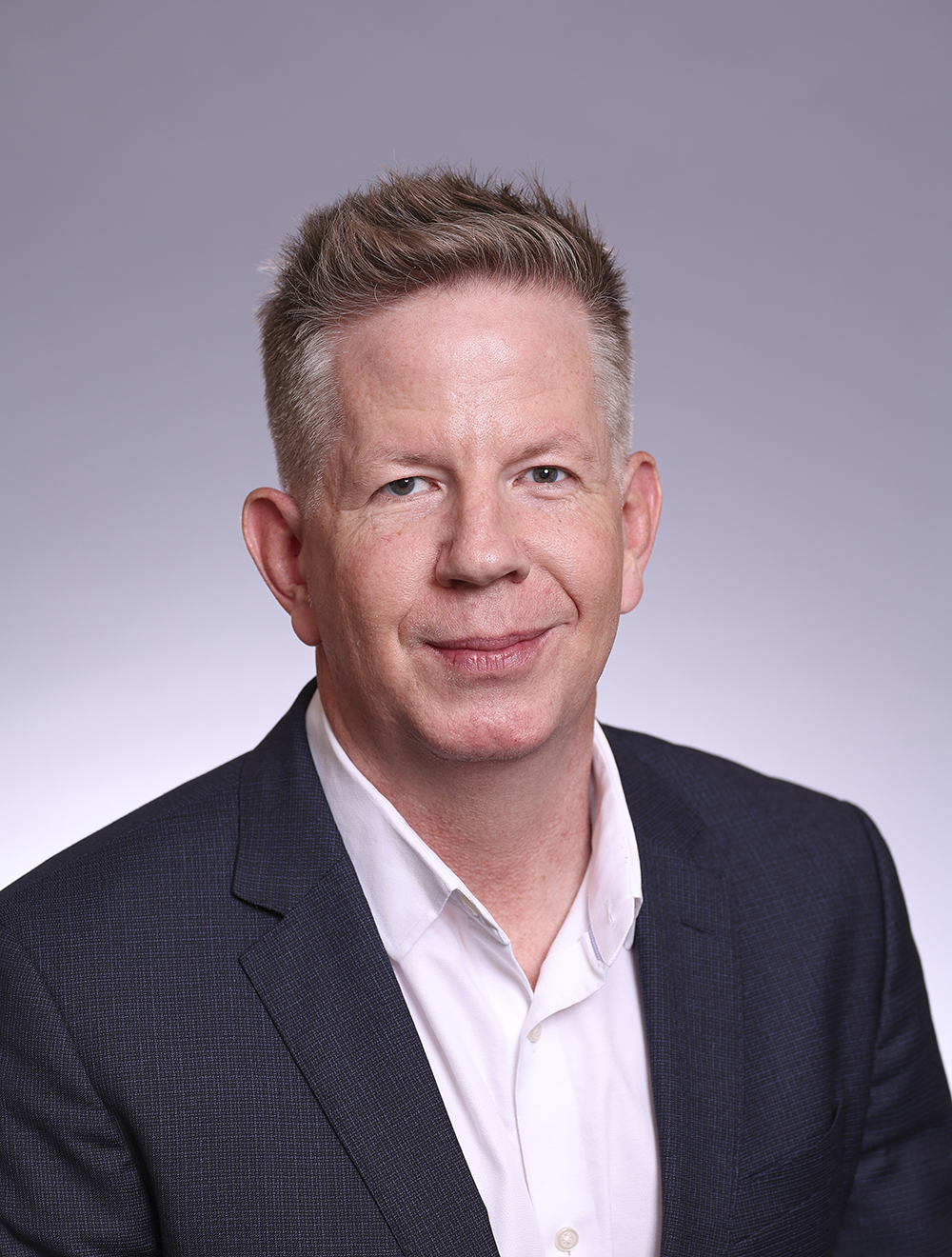
Senior Fellow, Middle East Program
Frederic Wehrey is a senior fellow in the Middle East Program at the Carnegie Endowment for International Peace, where his research focuses on governance, conflict, and security in Libya, North Africa, and the Persian Gulf.
Recent Work
Priyal Singh, Jean-Hervé Jezequel, Anouar Boukhars, …
Charles H. Johnson, Frederic Wehrey
Carnegie does not take institutional positions on public policy issues; the views represented herein are those of the author(s) and do not necessarily reflect the views of Carnegie, its staff, or its trustees.
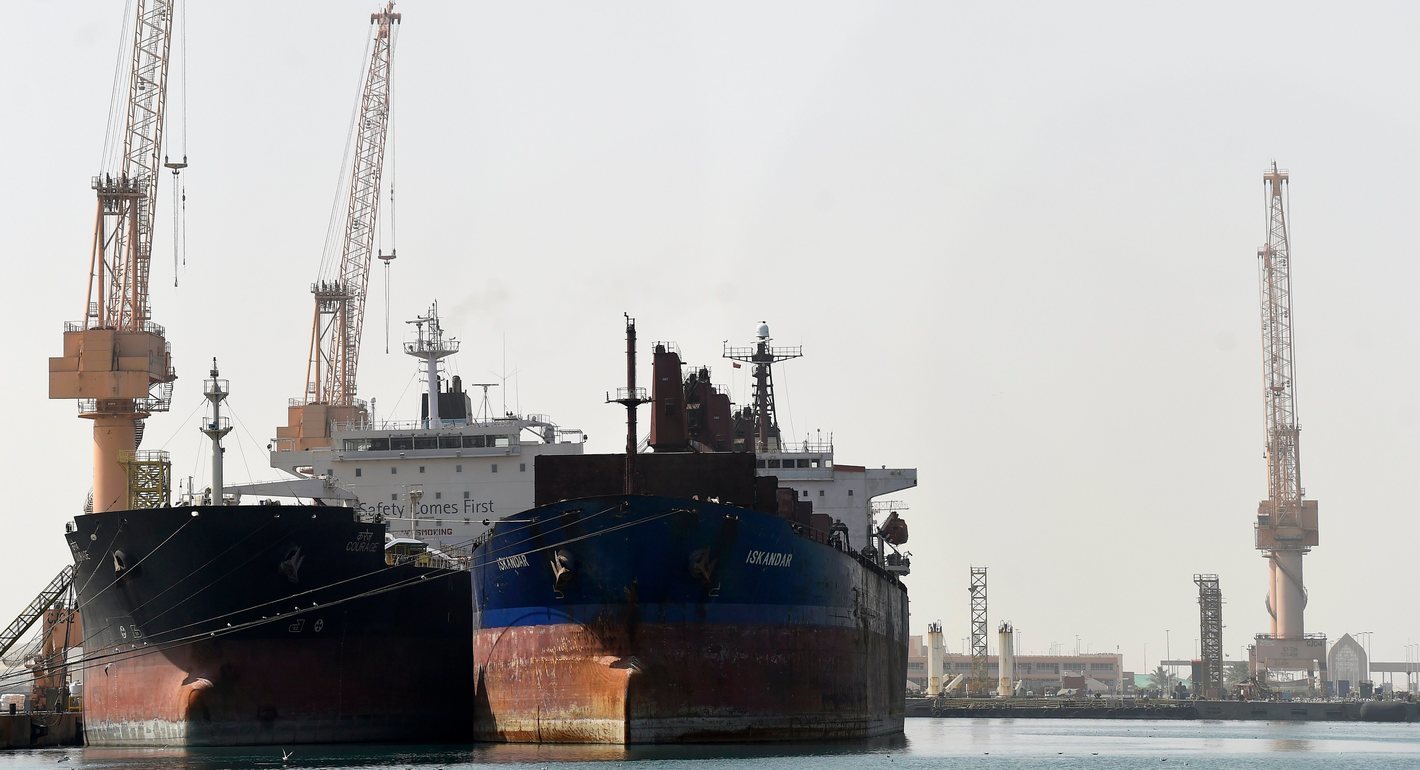
In a volatile Middle East, the Omani port of Duqm offers stability, neutrality, and opportunity. Could this hidden port become the ultimate safe harbor for global trade?
Giorgio Cafiero, Samuel Ramani
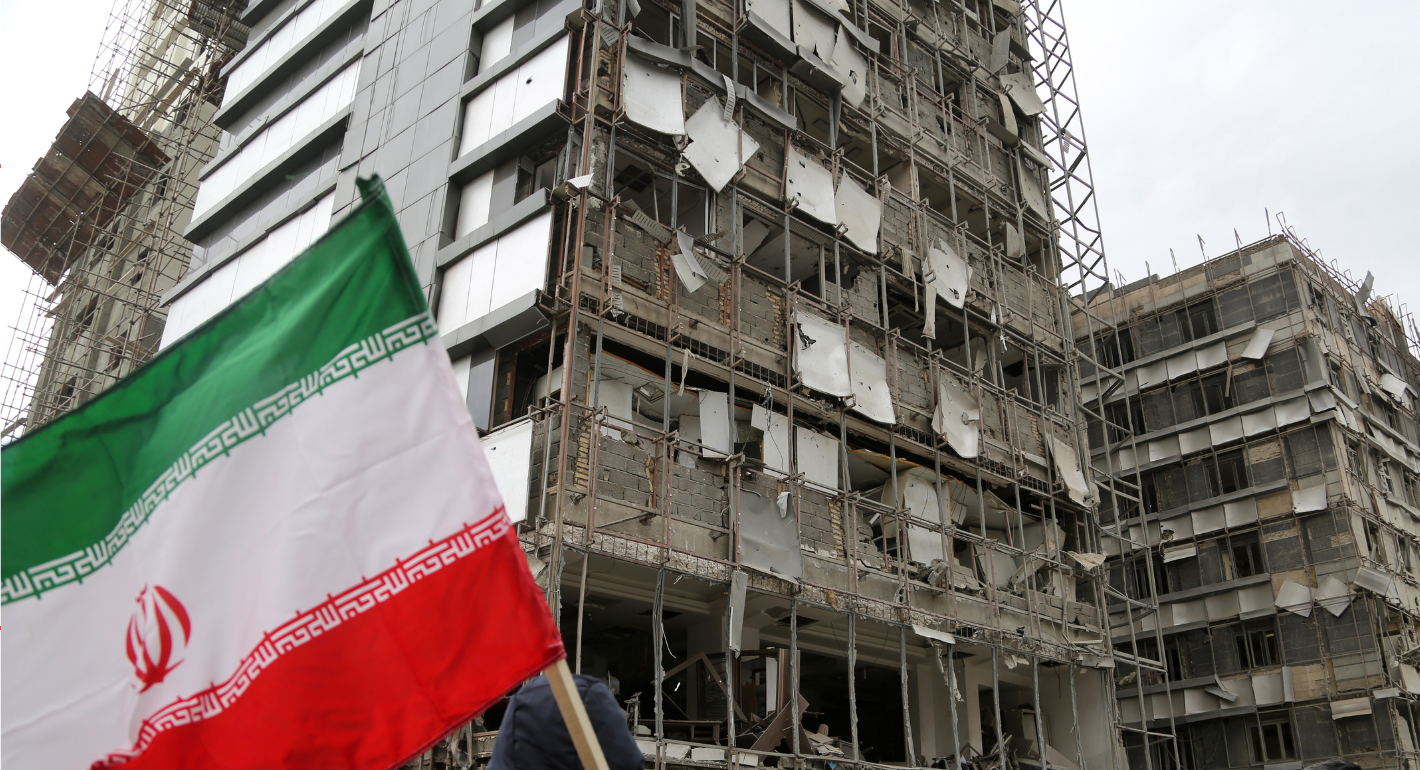
Europe’s reaction to the war in Iran has been disunited and meek, a far cry from its previously leading role in diplomacy with Tehran. To avoid being condemned to the sidelines while escalation continues, Brussels needs to stand up for international law.

Pierre Vimont
Two experts discuss how drone technology is shaping yet another conflict and what the United States can learn from Ukraine.
Steve Feldstein, Dara Massicot
Arguing that Chinese policy is hung on alliances—with imputations of obligation—misses the point.

Evan A. Feigenbaum
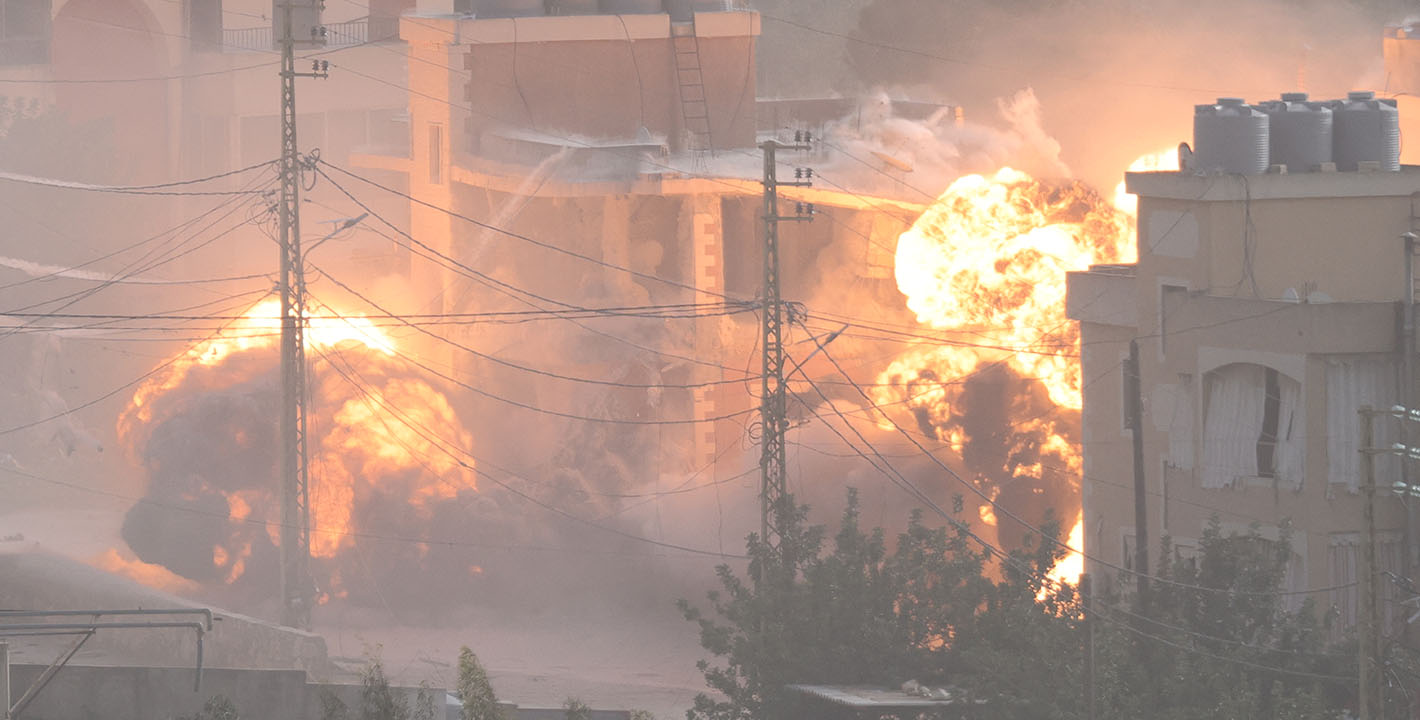
As Iran defends its interests in the region and its regime’s survival, it may push Hezbollah into the abyss.

Michael Young