

Q&A
Eugene Rumer
{
  "authors": [
    "Eugene Rumer"
  ],
  "type": "legacyinthemedia",
  "centerAffiliationAll": "dc",
  "centers": [
    "Carnegie Endowment for International Peace",
    "Carnegie Russia Eurasia Center"
  ],
  "collections": [],
  "englishNewsletterAll": "ctw",
  "nonEnglishNewsletterAll": "",
  "primaryCenter": "Carnegie Endowment for International Peace",
  "programAffiliation": "russia",
  "programs": [
    "Russia and Eurasia"
  ],
  "projects": [],
  "regions": [
    "Russia"
  ],
  "topics": [
    "Political Reform",
    "Economy",
    "Foreign Policy"
  ]
}
Source: Getty
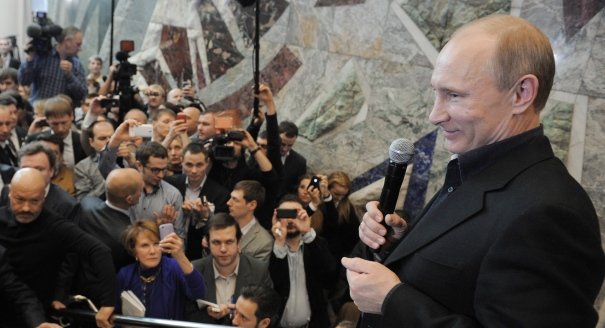
The crisis presents Putin with an opportunity to tighten his grip on business, to see who is loyal and who is not, to pick winners and losers, to decide who will receive state support and whose assets should be “redistributed”.
Source: Financial Times
Angela Merkel, the German chancellor, once described Vladimir Putin as living in a “parallel universe”. Amid the economic crisis that grips his nation, this is how that alternative reality may look through the Russian president’s eyes.
First, those who tell him to liberalise for the sake of the nation, or even his presidency, will go unheeded. Likewise those who counsel him to quit Ukraine. Neither relaxation of control nor retreat has ever been a Putin trait. It is more likely he will stay the course. To do otherwise would signal weakness.
To outsiders he looked isolated at November’s summit of the Group of 20 leading economies; the Russian leader himself probably wonders which of his peers has done better since he took power 15 years ago.George W Bush left the US presidency under the cloud of two unfinished wars and the most severe economic crisis since the Great Depression. Former UK prime minister Tony Blair, tarnished by the Iraq war, earns money helping autocrats burnish their credentials. Germany’s Gerhard Schröder is a retainer for Gazprom, the state-controlled Russian gas company. Silvio Berlusconi of Italy is living out his days in disgrace after his embarrassing court trials. Jacques Chirac of France, Jean Chrétien of Canada and Japan’s Junichiro Koizumi are fading from memory. Mr Putin alone remains at the helm, with domestic approval ratings above 80 per cent.
Russia’s economic progress probably does not look too bad either when Mr Putin compares it with other leading powers. Who has done better in the past 15 years? Gross domestic product has increased sixfold. Income per head has risen sevenfold. Never before have Russians seen such prosperity. More currency reserves would be good, but $200bn is available immediately; and, by conservative measures, the same has been put in rainy day funds.
The military has been rebuilt enough to instil fear in Europe, make the US pay attention once more and to make Russians proud.
Yes, this crisis is serious but Russia has seen crises before and bounced back without slavishly following the advice of western do-gooders. When it paid heed to their words, as in the 1990s, it only found itself in deeper trouble.
When Mr Putin looks at the fortunes of those same major powers today, what does he see? Having preached the virtues of free market capitalism after the cold war, the US only narrowly avoided an economic catastrophe in 2008. Japan, once touted as a miracle, cannot halt its deflationary “lost decade”. Germany, Europe’s powerhouse, is on the brink of recession.
Mr Putin probably believes he can ride out this crisis. The oil price will rebound, Europe will grow tired of sanctions in response to events in Ukraine and the economy will bounce back. It always does. As to liberalisation — don’t expect him to do much. The crisis presents an opportunity to tighten his grip on business, to see who is loyal and who is not, to pick winners and losers, to decide who will receive state support and whose assets should be “redistributed”.
Why leave this to the uncertain hand of the market and corrupt bureaucrats?
And diversification? Mr Putin is enough of a realist to know Russia cannot compete with China’s manufacturing or India’s technology sectors. His country’s wealth, and its strength, lies in its resources; its oil, metals and timber. Nowhere has he asserted his control as forcefully as in the oil industry. It says something about his priorities.
Even western sanctions serve a purpose. They are aimed at regime change, he claims, to remove the Russian bear’s claws and teeth and render it docile. This message plays well at home. Anyway, sanctions take time to work — and the odds are the economy will rebound before Mr Putin gives up on the idea of keeping Ukraine in Russia’s orbit.
Western policy ignores one other problem: sanctions on Russia do nothing to help Ukraine. Russia’s neighbour needs tens of billions of dollars in aid to stay solvent and soften the blow from the shock therapy — from cutting benefits to raising gas prices — demanded by the west. Nobody is offering that money. This is unlikely to be lost on Mr Putin.
He will not settle simply for Crimea, or for just eastern Ukraine ravaged by conflict. He needs all of Ukraine. He may well be calculating that political and economic pressure on Kiev will do his work for him.
Still, there is one country that has remained stable, expanded its economy and enhanced its international prestige like no other in the past 15 years.
It is China. But the lesson Mr Putin will take from Beijing is not one of liberalisation at home and bowing to western pressure abroad. Whatever lessons he draws from it, they are likely to reinforce the Russian president’s commitment to stay the course.
This article was originally published in the Financial Times.
Director and Senior Fellow, Russia and Eurasia Program
Rumer, a former national intelligence officer for Russia and Eurasia at the U.S. National Intelligence Council, is a senior fellow and the director of Carnegie’s Russia and Eurasia Program.
Recent Work
Eugene Rumer
Eugene Rumer
Carnegie does not take institutional positions on public policy issues; the views represented herein are those of the author(s) and do not necessarily reflect the views of Carnegie, its staff, or its trustees.
Congress should ask tough questions about the agreement’s more unique features and whether they advance U.S. interests or compromise them.

Jane Darby Menton
While France and Australia are seeking to establish the legal obligations of messaging apps like Telegram, Russia wants total subordination.

Maria Kolomychenko
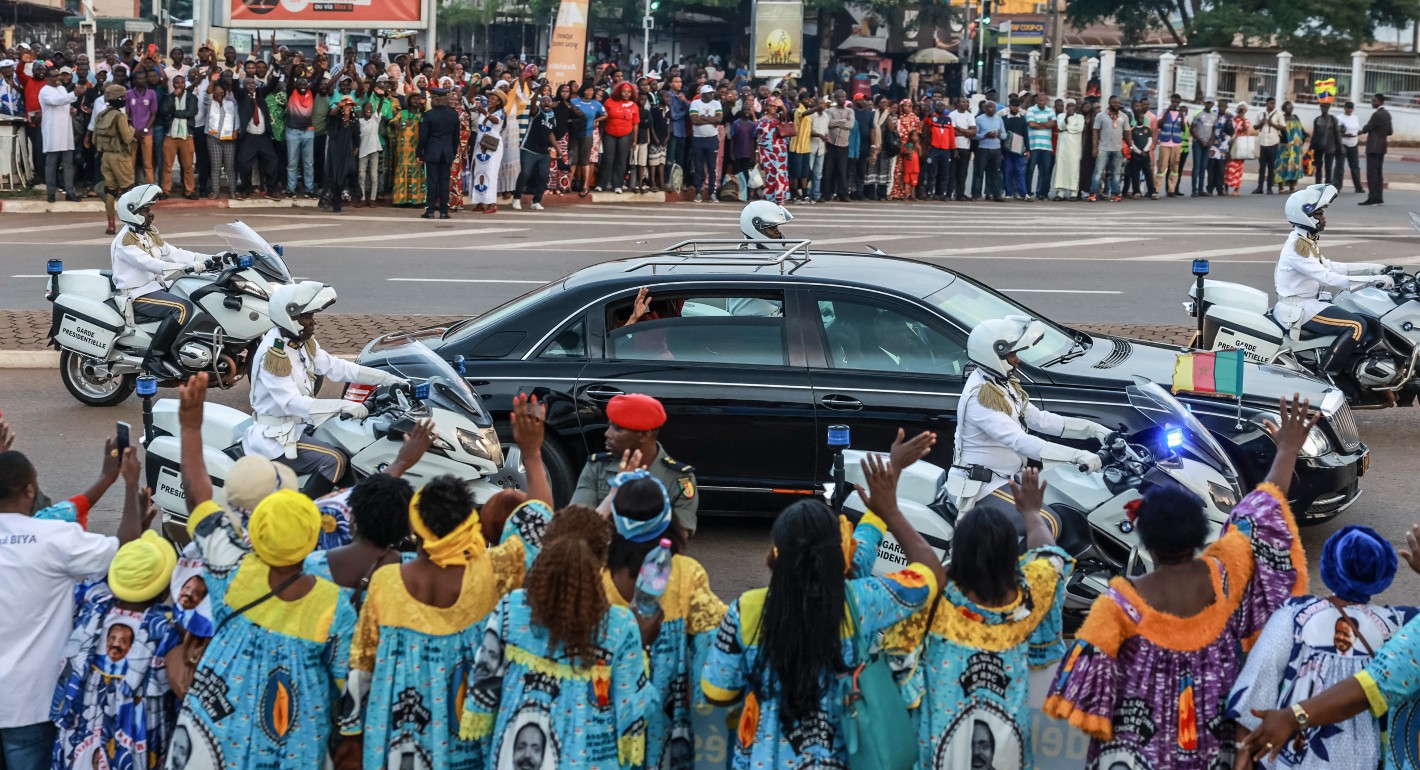
The ninety-three-year-old Biya’s absence and refusal to name a vice president threaten to upend domestic and regional stability.

Lesley Anne Warner
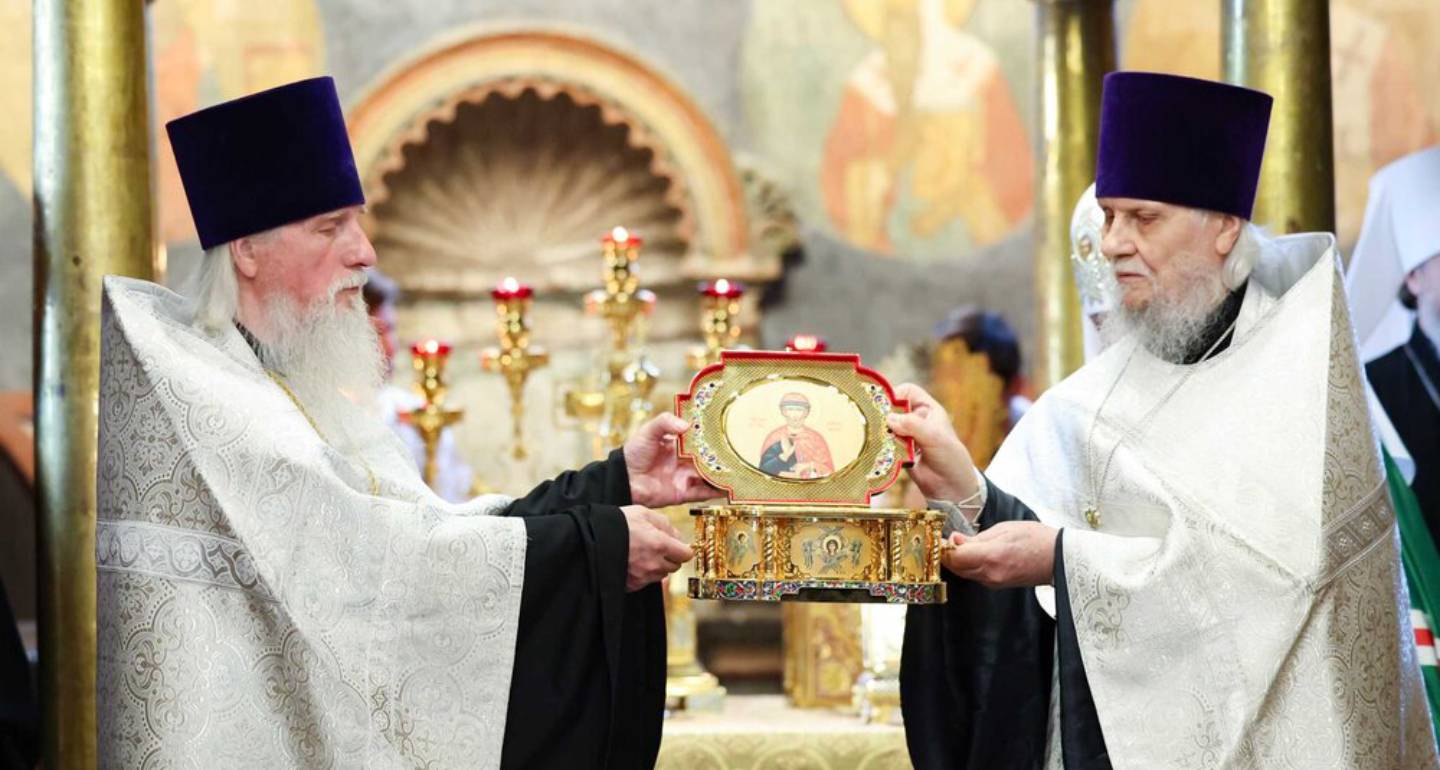
The recent uncovering of Dmitry Donskoy’s relics in the Cathedral of the Archangel is yet another attempt by the Russian Orthodox Church to help the state solve its problems. However, parroting the state’s version of Russian history leaves the Church with no message except “patriotism.”
Alexander Zanemonets

With the growth in points of friction between the great powers, organizations like the SCO will continue to play a role in the strategic adaptation of the smaller powers caught between them.

Temur Umarov