

Research
A review of a detailed account of how antipathy toward Tehran has assumed a life and logic of its own in Washington, DC.
Jane Darby Menton
{
  "authors": [
    "Timofei Bordachev"
  ],
  "type": "commentary",
  "centerAffiliationAll": "",
  "centers": [
    "Carnegie Endowment for International Peace",
    "Carnegie Russia Eurasia Center"
  ],
  "collections": [],
  "englishNewsletterAll": "",
  "nonEnglishNewsletterAll": "",
  "primaryCenter": "Carnegie Endowment for International Peace",
  "programAffiliation": "",
  "programs": [],
  "projects": [],
  "regions": [
    "Russia",
    "Western Europe",
    "Germany"
  ],
  "topics": [
    "Economy",
    "Trade",
    "Foreign Policy"
  ]
}
Source: Getty
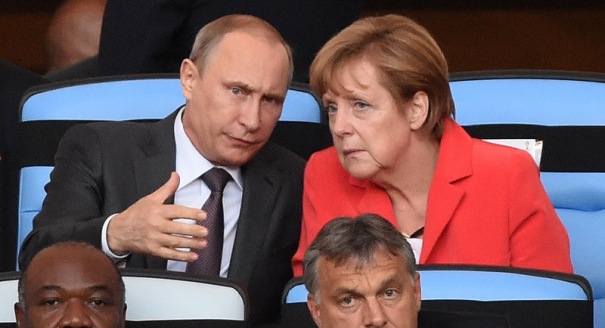
History teaches us that conflict is not a natural condition of Russian-German relations. There is a need for greater introspection and moderation in the use of force, both military and economic.
On December 5, Der Tagesspiegel published a letter titled “Not in Our name.” In it, a few dozen public figures, retired high-ranking officials, and ordinary German citizens appealed to the federal government, parliament, and media to call for a more balanced approach to relations with Russia regarding the Ukrainian crisis. For the first time since the onset of the tragic events in that country, we heard a call to refrain from demonizing the Russian leadership and consider Russian national interests in German foreign policy.
This appeal for reason and restraint contradicts the policy conducted by the administration of the Federal Chancellor. So far, official Berlin has not rushed to admit its own errors and miscalculations in Ukraine. Its radical position is second only to that of the United States. So what are the reasons for such radicalism? And why did the Russian-German partnership turn out to be so fragile? After all, many in Russia and Germany believed that the sanctity of this partnership guaranteed the stability of all Russian-European relations.
The historic reconciliation between Russians and Germans that started forty years ago has become a unique phenomenon in international affairs. Russia has effectively forgiven Germany for the horrendous crimes committed by the Nazis and the German Army on its territory. Germany and its politicians treated Russia with great care, trying to understand its national interests and develop avenues of economic cooperation. Germany provided significant assistance to Russia and Russians during the period of our decline in the 1990s, while in the last decade Russia agreed to make Germany the main hub of its European gas exports by building the North Stream gas pipeline.
But this is all in the past now. The Europe of 2014 bears little resemblance to the way it looked twenty or thirty years ago. The global economic and Eurozone crises of 2008—2012 have changed European dynamics. French influence on European affairs has hit unprecedented lows. Saddled with a systemic socio-economic crisis, France has lost the ability to balance against Germany within the European Union. But historically, it was the compromise between the French statist and German liberal models of development that ensured the stability of European integration. For the first time ever, some EU countries—the “austerity alliance”—directly dictate to others, such as Greece, Portugal, and Cyprus, how they should conduct their economic policies. During the last year or so, some analysts have started discussing the “germanization” of Europe, EU institutions, and the entire EU integration project.
The European redistribution mechanism has malfunctioned, bringing about the rise of a new Germany from the ruins of the “European dream.” Berlin has turned into an enormous vacuum cleaner that sucks resources out of the weak European periphery and dictates the rules of its economic policies. Germany also sorely needs access to new markets. Ukraine, as a market for manufactured goods and a source of inexpensive labor, is increasingly viewed as a natural element within Germany’s sphere of vital interests. With its struggle for Ukraine, Moscow clearly undermined Germany’s plans for its own future.
The EU policy toward Ukraine that Berlin formulated was short-sighted and misguided. It confronted the government of a divided country with the choice between two mutually-exclusive projects. This policy has already cost the Ukrainian people dearly. But it was the only approach available to modern Europe. Its economic model requires an ever greater expansion of the regulatory base and the absorption of human and financial resources. As a result, the German factor, which was long considered the stabilizing force in Russian-European relations, essentially proved to be their saboteur.
However, the above-mentioned appeal by German opinion makers leaves some hope for the future. Russia and Europe now have a “winter of opportunity” in Ukraine and should take advantage of this time to try to correct their mistakes. History teaches us that conflict is not a natural condition of Russian-German relations. There is a need for greater introspection and moderation in the use of force, both military and economic.
Timofei Bordachev is the director of the Center for Comprehensive International and European Studies at the Higher School of Economics and head of an expert group at the Valdai Club.
Timofei Bordachev
Carnegie does not take institutional positions on public policy issues; the views represented herein are those of the author(s) and do not necessarily reflect the views of Carnegie, its staff, or its trustees.

A review of a detailed account of how antipathy toward Tehran has assumed a life and logic of its own in Washington, DC.

Jane Darby Menton
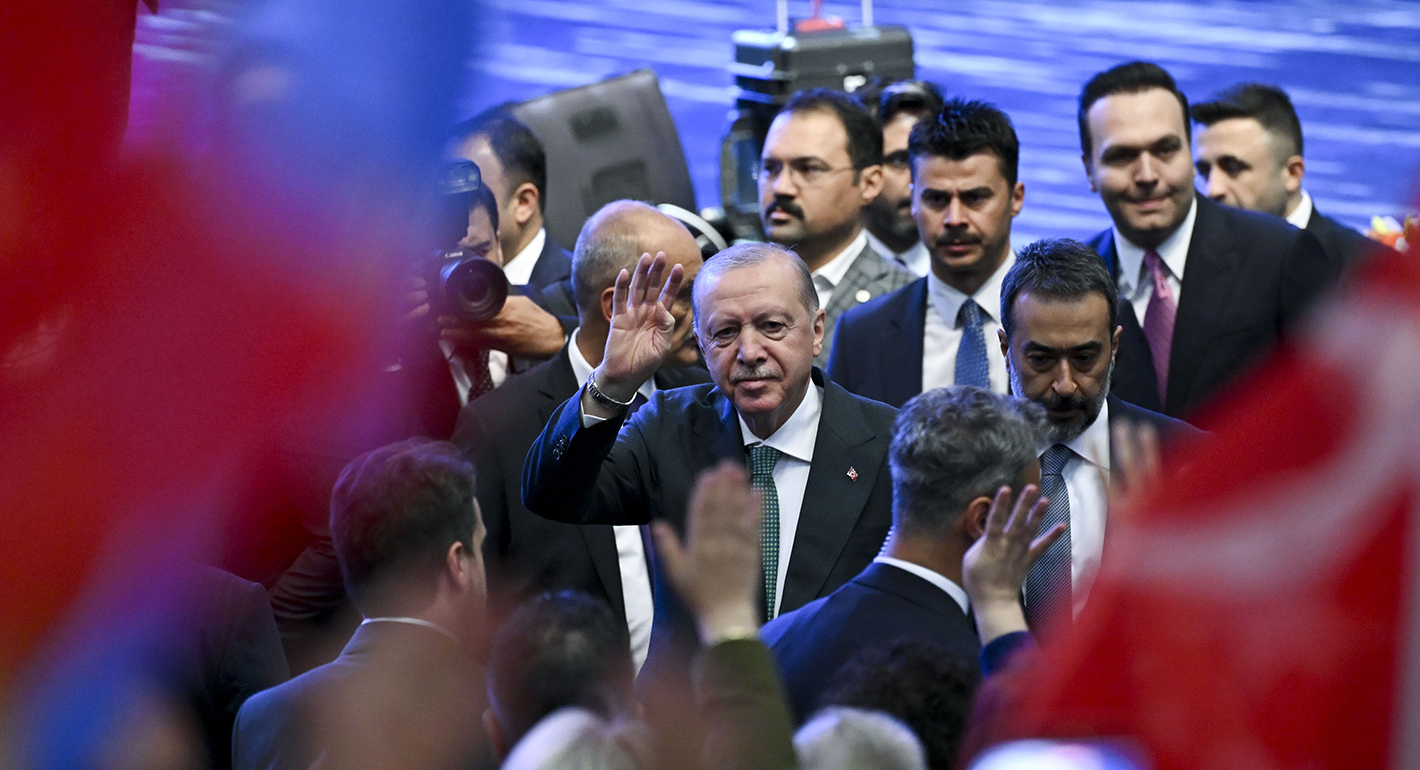
Turkish right-wing populists have been trying to advance the country’s middle-power goals based on perceptions of what the public wants, but they have been doing so in ways that reinforce their project of autocratic political consolidation.

Murat Somer

In Colombia and elsewhere in the region, the United States is trying to shape election outcomes—but at what cost?

Oliver Stuenkel, Adrian Feinberg
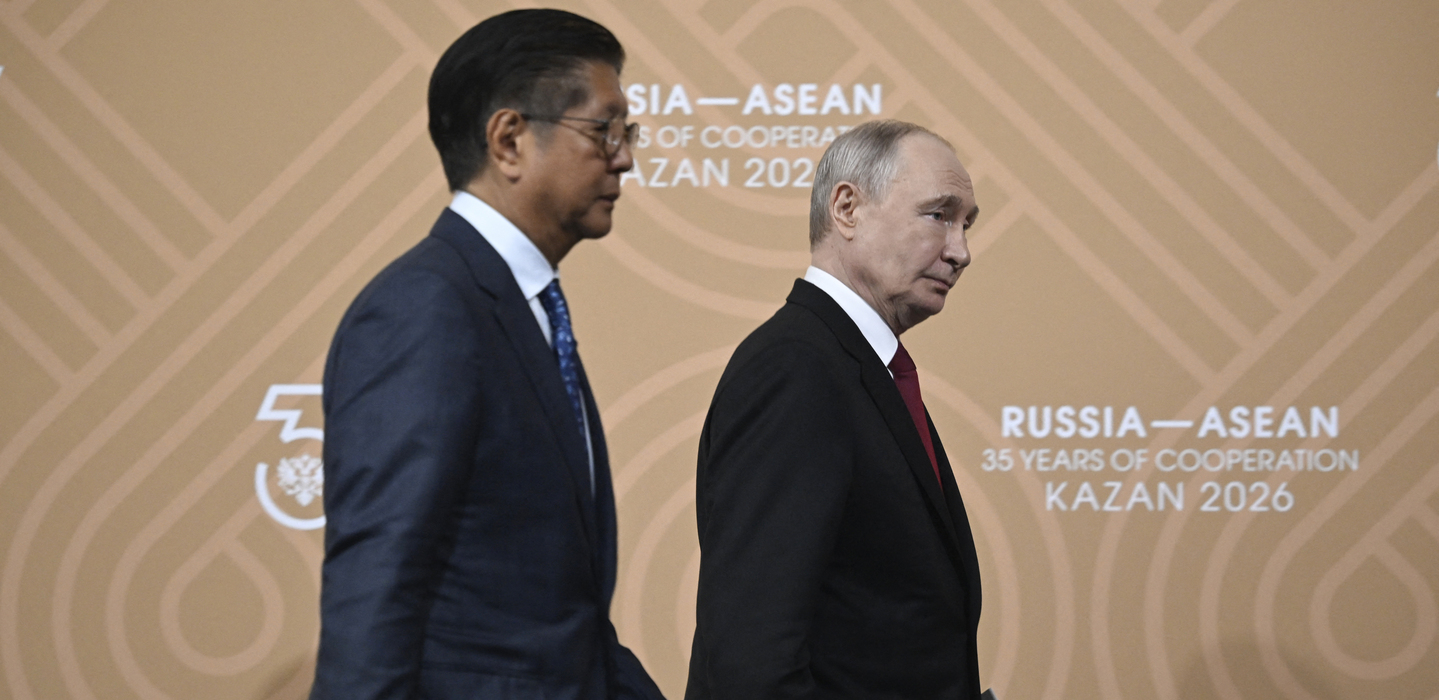
Russia looks set to reap economic benefits from closer ties with Southeast Asian countries that are keen to find reliable energy suppliers and diversify trade ties.

Alexander Gabuev
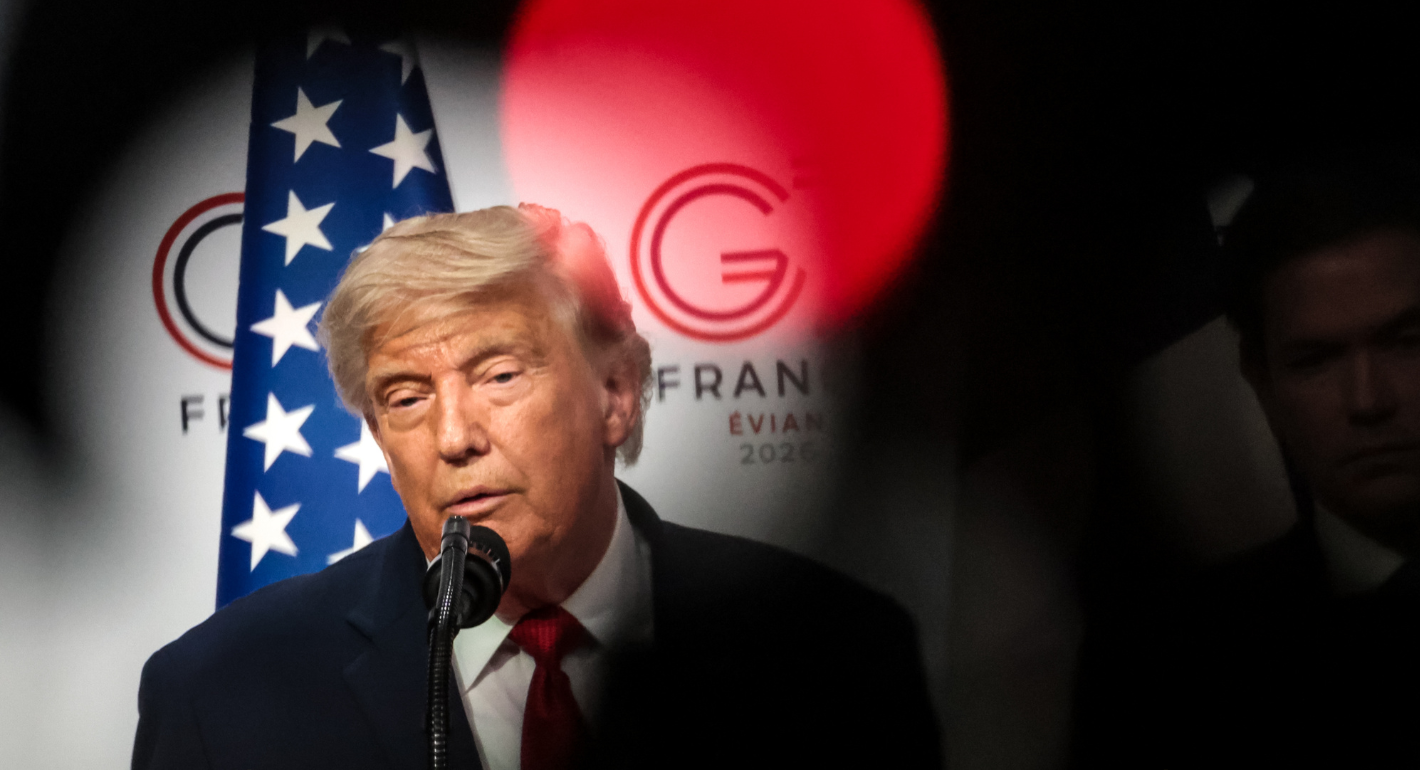
There is an elephant in the room when it comes to the EU’s upcoming security strategy: Donald Trump. Unless European leaders acknowledge the depth of the transatlantic crisis, true autonomy will remain out of reach.

Stefan Lehne