

Other
Michael D. Swaine
{
  "authors": [
    "Michael D. Swaine"
  ],
  "type": "legacyinthemedia",
  "centerAffiliationAll": "dc",
  "centers": [
    "Carnegie Endowment for International Peace",
    "Carnegie China"
  ],
  "collections": [
    "China’s Foreign Relations",
    "U.S.-China Relations"
  ],
  "englishNewsletterAll": "asia",
  "nonEnglishNewsletterAll": "",
  "primaryCenter": "Carnegie China",
  "programAffiliation": "AP",
  "programs": [
    "Asia"
  ],
  "projects": [],
  "regions": [
    "East Asia",
    "China"
  ],
  "topics": [
    "Foreign Policy",
    "Political Reform",
    "Domestic Politics"
  ]
}
Source: Getty
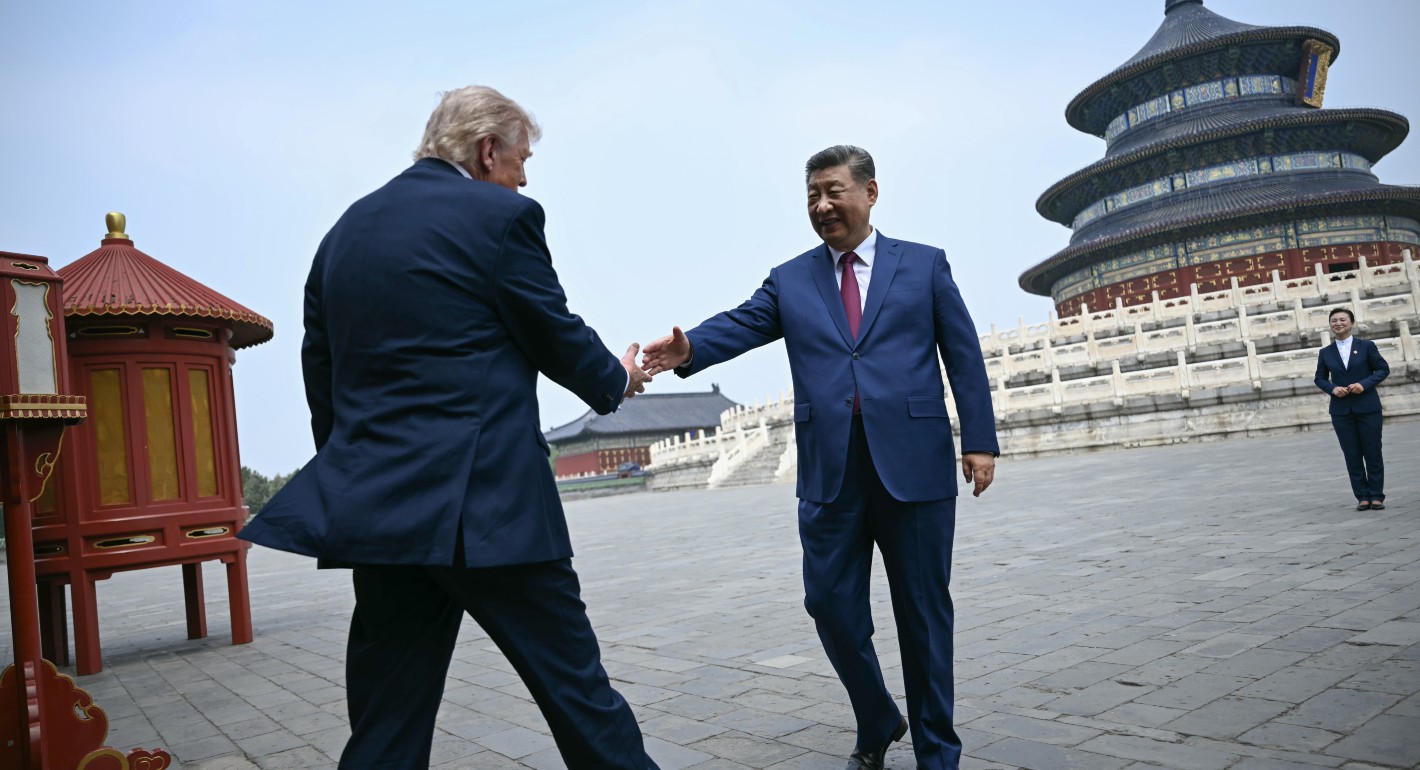
Most Chinese apparently believe that China’s rightful place in the international order is as a major (not singularly dominant) power whose views must be respected but who exists in general harmony with other nations.
Source: Diplomat
As China’s power and influence continue to grow in Asia and beyond, many analysts look to Chinese history to understand how a strong China will behave and view the world in the future. Many of these attempts to apply an historical lens engage in gross simplifications and misreadings of the relevance and meaning of hundreds of years of Chinese thought and behavior. China is often viewed, incorrectly, as if it existed as a monolithic whole over centuries, possessed the same political and security outlook at each stage of its development, and behaved as a modern nation state does today. In particular, some observers blithely assert that China always sought to dominate its world in hard power terms, often succeeded in doing so, and will naturally seek such a position of dominance in the future.
The reality is much more complex and nuanced. In the pre-modern era, Chinese security behavior varied enormously from dynasty to dynasty and between periods of strength and weakness. The variation was so extensive that some China historians believe it is impossible to make any meaningful generalizations about traditional Chinese foreign policy and security behavior, much less apply those lessons to the present and future. Indeed, many historians firmly believe that the emergence of nation states and the rise of nationalism in China in the late 19th and early 20th centuries, as well as the effort to build a strong, prosperous, and modern state and society together offer a far more relevant and reliable context for understanding current and future Chinese security behavior than does the pre-modern era.
So, how does history influence Chinese thought and behavior today, and how it might it do so as Chinese power and influence grow in the future? The lessons of history are reflected in three sets of attitudes: national pride alongside a strong fear of chaos; an inculcated image of a peace-loving and defensive polity alongside a strong and virtuous central government; and a unique, hierarchical yet mutually beneficial view of inter-state relations.Regarding the first area, most Chinese are very proud of China’s long history as a strong and vibrant culture and as a highly influential political and social entity. They believe that China belongs in the front ranks of the major powers, certainly in Asia, and in some respects globally as well. They are also extremely proud of China’s accomplishments during the market-driven economic reform era inaugurated in the late seventies, and place a very high value on national growth and continued increases in Chinese living standards, as well as the respect that China’s accomplishments are engendering in the world. While many Chinese value the greater freedoms they are enjoying under the reforms, many, probably most, remain acutely fearful of domestic political and social chaos of the type experienced in the modern era, i.e., since the mid-19th century.
For many Chinese, the experience of domestic chaos is closely associated with the depredations inflicted on China by the imperialist Western powers and Japan in the 19th and early 20th centuries (the so-called century of humiliation). Moreover, for many Chinese, Western personal and political freedoms, in a huge country like China, with massive numbers of low income and poorly educated citizens, high levels of corruption and a weak civil society, can spell chaos. As a result of these concerns, and the desire for China to again become a strong and wealthy nation, most Chinese value a strong, unified, and proudly nationalistic central government led by “virtuous” individuals who keep the people’s interests in mind. They are not inclined, either historically or culturally, to endorse a Western, liberal democratic, divided-power political system. This belief is changing among some elements of the more educated urban class in China, but only gradually. For most Chinese, the West still offers only tools for advancements in power and prosperity, not political and social models.
Regarding the second set of traits, many years of PRC propaganda and an interpretation of Chinese history provided by statist nationalists (whether communist or Chinese nationalist) have inculcated in most Chinese the view of a China in the world that is largely peace-loving and non-threatening, oriented toward the defense of its territory and internal development, and more aligned, in its basic interests, with developing states, rather than the advanced industrial democracies. Moreover, a long pre-modern history of unstable borders and vulnerability to attacks from the periphery, combined with the century of humiliation experience, have inculcated a strong suspicion toward the possible manipulation of China’s domestic scene by outsiders. As a result, many Chinese often see Western (and especially American) “hegemony” or dominance in the world today as part of a long historical proclivity for stronger powers to interfere in and prey upon weaker powers. For many Chinese, the West thus assists China’s growth for personal profit (and perhaps to undermine China), not primarily to “help” the Chinese people.
Third, China is a nation of contradictions. Alongside the above views and sentiments, many Chinese admire the accomplishments of the West and in many ways seek to emulate Western practices, especially in the economic and some social realms. And significant numbers of Chinese admire American freedoms and generally like the American people. For some of the older, educated generation, the pre-1949 history of Sino-American relations provides many examples of positive American behavior toward China. In addition, despite identification with the developing world and a strong suspicion of the supposedly arrogant and hegemonistic West, many Chinese take the historical view that the international system is in many ways hierarchical, and that larger, more imposing powers have a duty and responsibility to both guide and shape smaller powers in mutually beneficial directions. This is especially true for China’s relations with its smaller peripheral neighbors. For many Chinese, mutual respect, deference, and responsibility are a significant part of desired interstate behavior. This partly reflects not only China’s historical place in Asia, but also the general belief of many Chinese that adherence to proper principles of conduct should define relations in a hierarchical world. Hegemonic powers by definition don’t adhere to such proper principles.
Of course, some Chinese seek to manipulate this concept to serve more pragmatic, sometimes selfish ends. And at least some Chinese believe that all major powers, including China, have hegemonic inclinations. But overall, most Chinese apparently believe that China’s rightful place in the international order is as a major (not singularly dominant) power whose views must be respected but who exists in general harmony with other nations. This is a far cry from the notion of China as a resurgent leviathan bent on dominating Asia and the world beyond.

Former Senior Fellow, Asia Program
Swaine was a senior fellow at the Carnegie Endowment for International Peace and one of the most prominent American analysts in Chinese security studies.
Recent Work
Michael D. Swaine
Michael D. Swaine
Carnegie does not take institutional positions on public policy issues; the views represented herein are those of the author(s) and do not necessarily reflect the views of Carnegie, its staff, or its trustees.
It should address the shortcomings of previous crisis communication efforts and adapt to the demands of frontier AI.

Lucy Luo

If the Russian-speaking community in Latvia cannot articulate their interests without being seen as disloyal, they could end up embracing a pro-Kremlin agenda.

Sergejs Potapkins
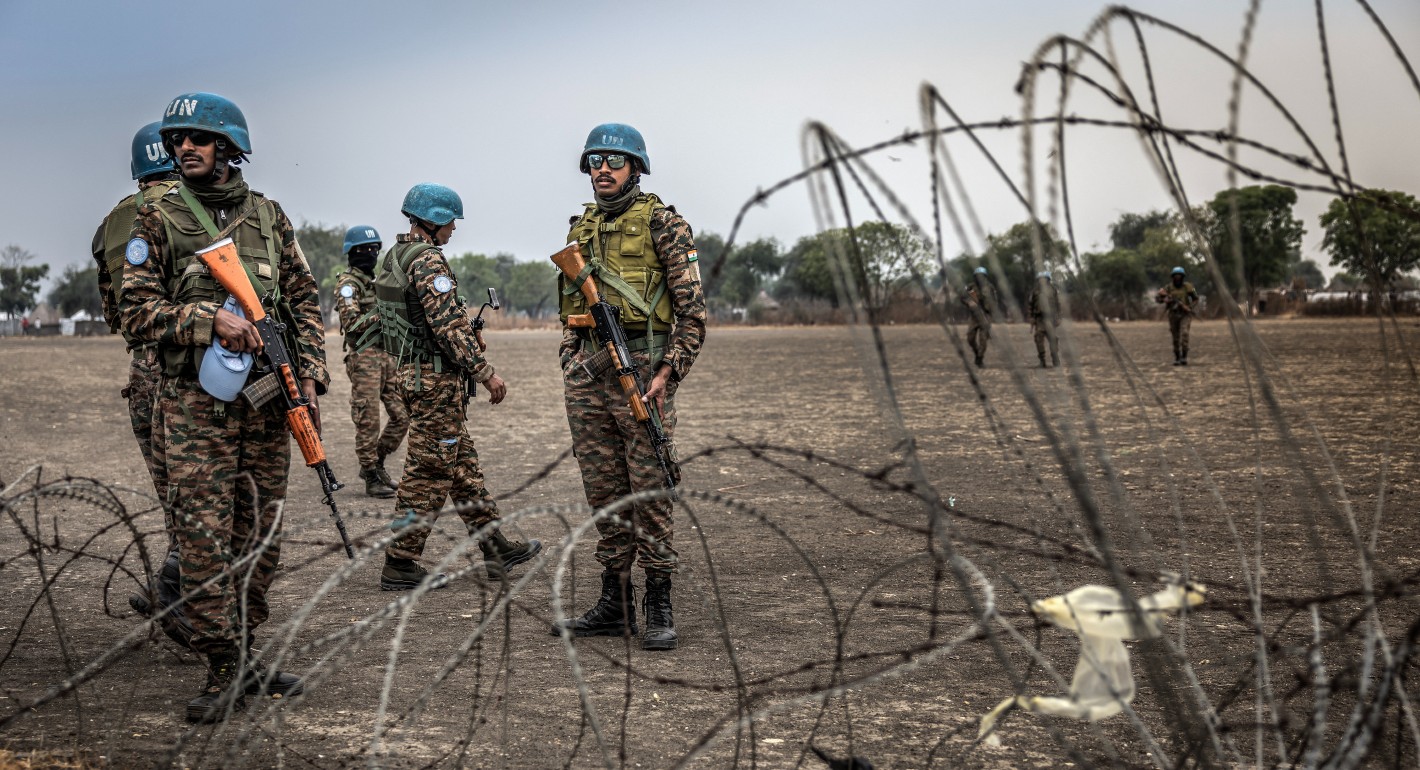
Washington’s decision to support some UN functions while letting others wither is pulling the organization apart at the seams.

Stewart Patrick, Theodore Zaritsky

Are Germany’s economic, industrial, and political struggles becoming a liability for the EU’s ability to rise to the geopolitical moment?

Rym Momtaz, ed.

Russia’s ruling party would have benefited from Putin appearing as its distant patron, but as an active frontman imposing his views on the public, he has done nothing but harm both the party’s election campaign and the ruling system overall.

Andrey Pertsev