

In The Media
Lina Khatib
{
  "authors": [
    "Lina Khatib"
  ],
  "type": "legacyinthemedia",
  "centerAffiliationAll": "dc",
  "centers": [
    "Carnegie Endowment for International Peace",
    "Malcolm H. Kerr Carnegie Middle East Center"
  ],
  "collections": [],
  "englishNewsletterAll": "menaTransitions",
  "nonEnglishNewsletterAll": "",
  "primaryCenter": "Malcolm H. Kerr Carnegie Middle East Center",
  "programAffiliation": "MEP",
  "programs": [
    "Middle East"
  ],
  "projects": [],
  "regions": [
    "Gulf",
    "Saudi Arabia",
    "Middle East"
  ],
  "topics": [
    "Political Reform",
    "Security"
  ]
}
Source: Getty
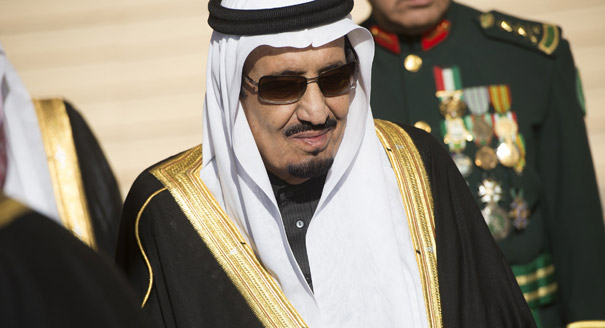
The King of Saudi Arabia died at age 90. He is replaced by his half-brother, who faces a time of crisis in the Kingdom and the region.
Source: CBC As It Happens
Saudi Arabia's King Abdullah bin Abdulaziz Al Saud died last night in the capital of Saudi Arabia, Riyadh. He was 90 years old. His successor was immediately named.
The new king is the old king's half-brother, Salman. King Salman takes over the House of Saud at a challenging time, given the price of oil, the intense conflict right next door in Yemen, the ongoing Syrian crisis, and the fight against ISIS. Lina Khatib is the director of the Carnegie Middle East Center in Beirut, Lebanon. Today, CBC As It Happens reached her in London.
This interview was originally broadcast on CBC As It Happens.
Former Director, Middle East Center
Khatib was director of the Carnegie Middle East Center in Beirut. Previously, she was the co-founding head of the Program on Arab Reform and Democracy at Stanford University’s Center on Democracy, Development, and the Rule of Law.
Recent Work
Lina Khatib
Lina Khatib
Carnegie does not take institutional positions on public policy issues; the views represented herein are those of the author(s) and do not necessarily reflect the views of Carnegie, its staff, or its trustees.
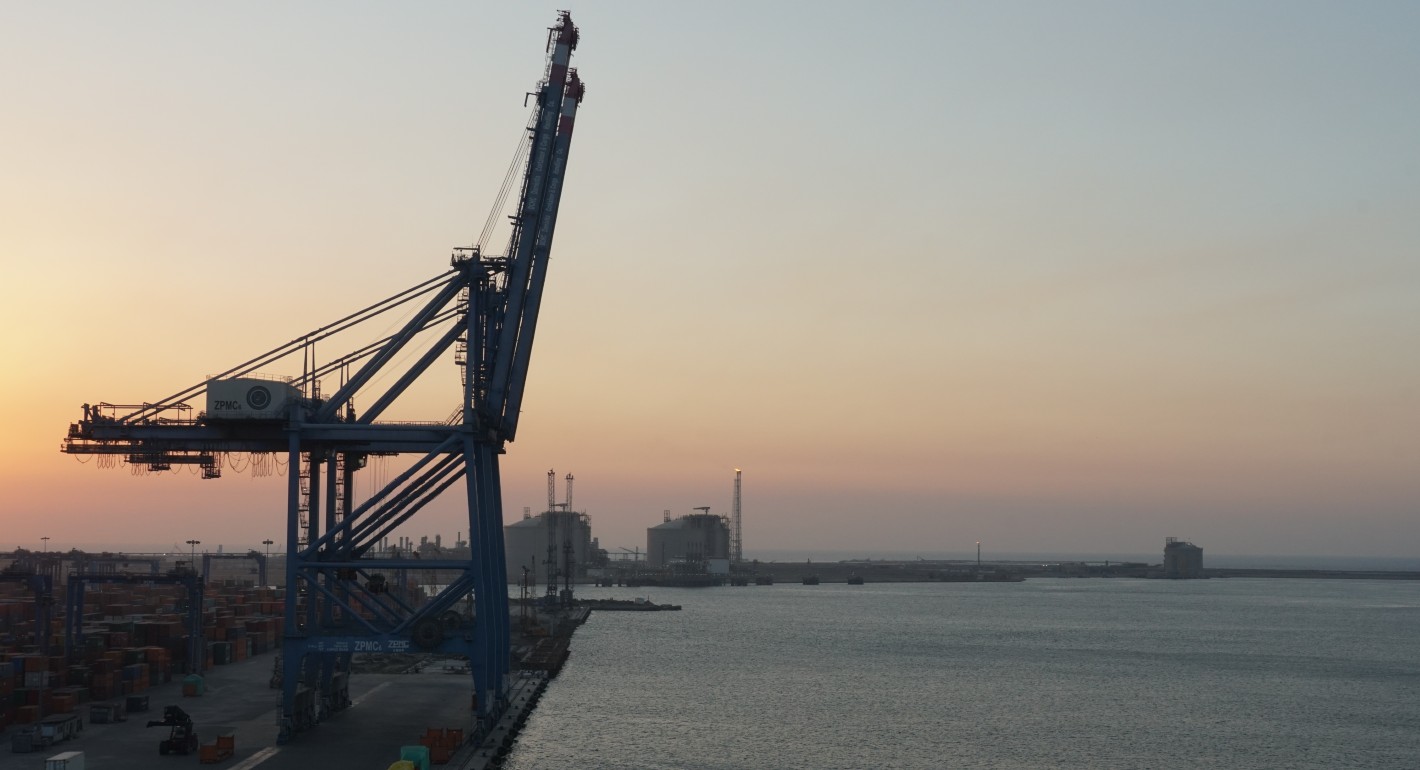
The targeting of Damietta Port appears to be more than a mere security message.

Amr Hamzawy
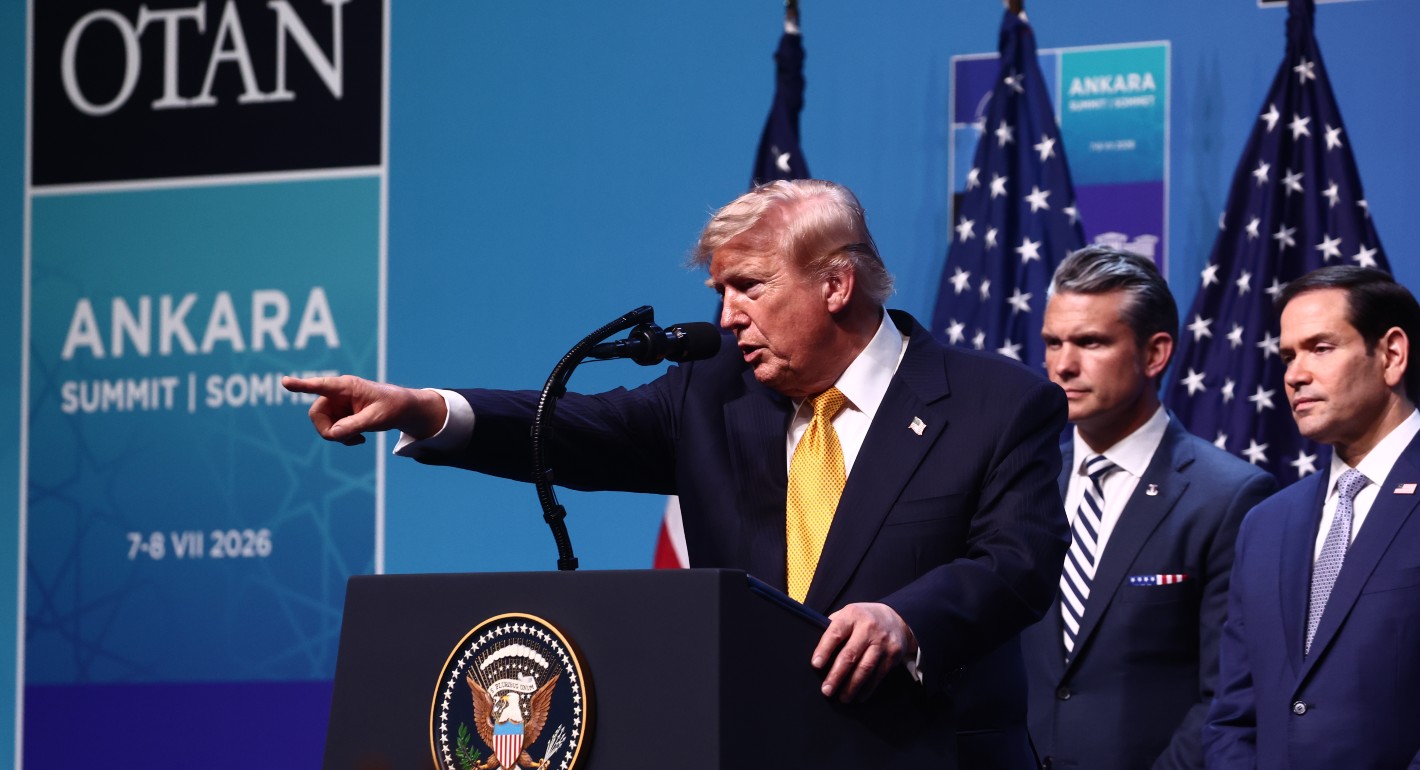
Does Donald Trump want to redraw the map of the world? Historian and geopolitical thinker Stephen Wertheim tries to parse the logic behind current American foreign policy

Stephen Wertheim
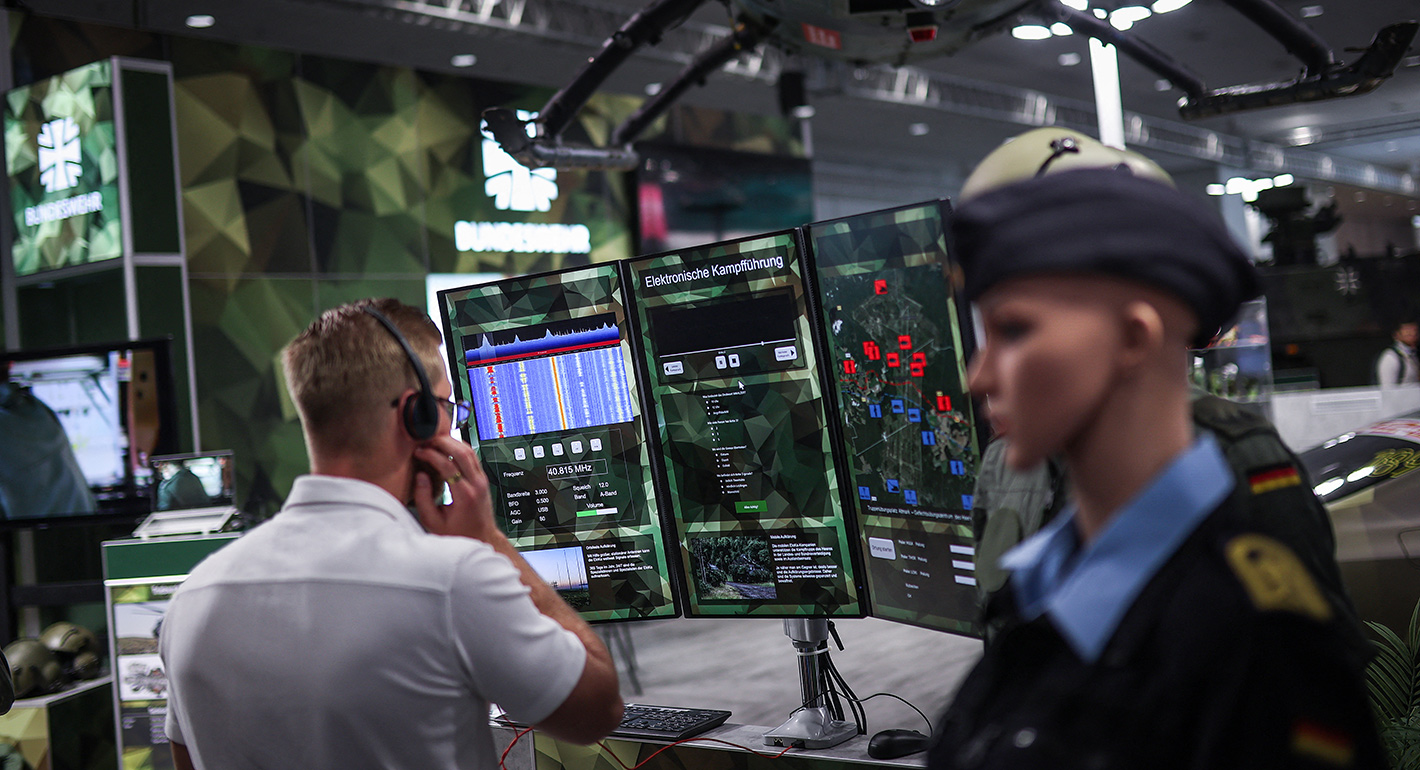
In the fog of modern war, generative AI offers every side a simple transaction: Trade documented reality for permanent doubt.
Mahsa Alimardani, Afsaneh Rigot
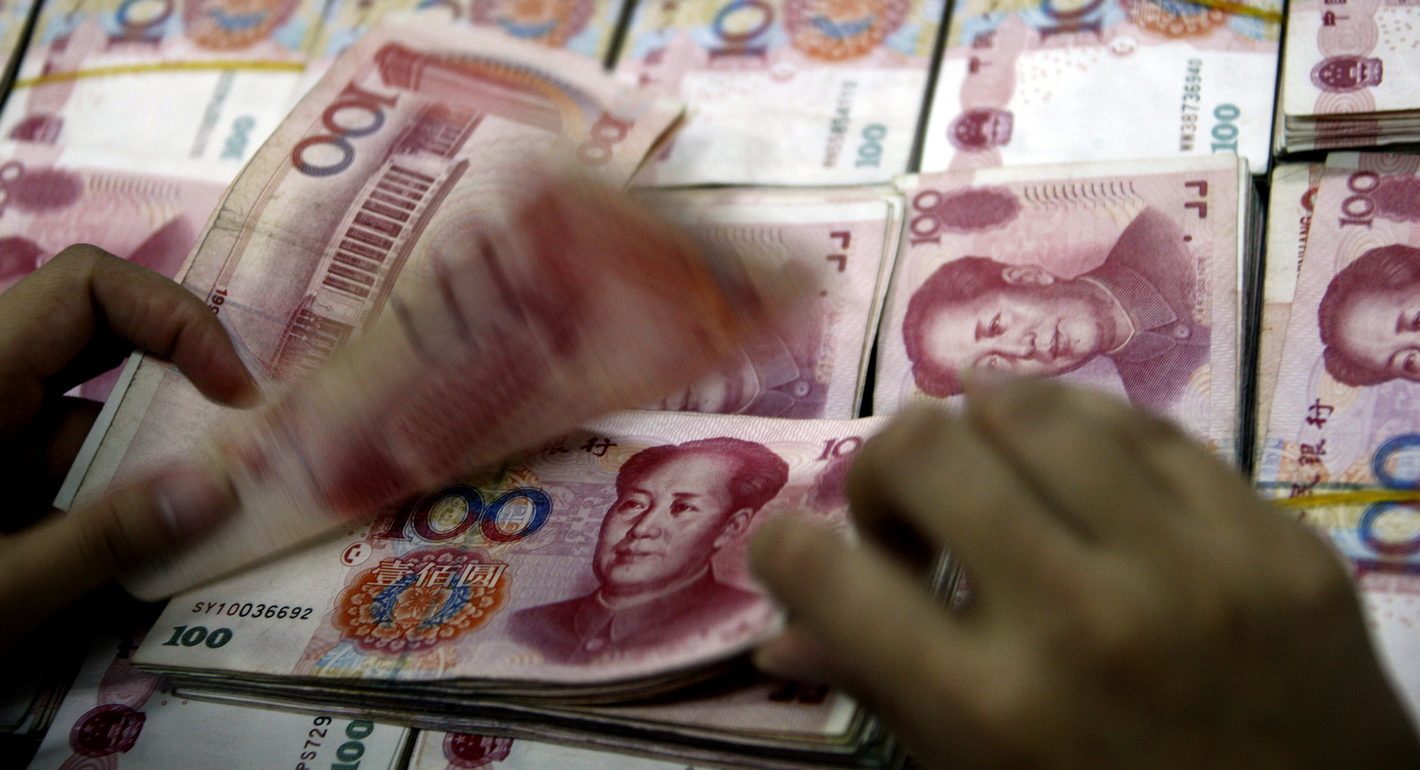
Is the Gulf moving beyond the dollar? This article examines how China is expanding the renminbi's role across Gulf markets, what that means for regional finance, and why the future of global currencies is more complex than the de-dollarization debate suggests.
Andrew Bonney
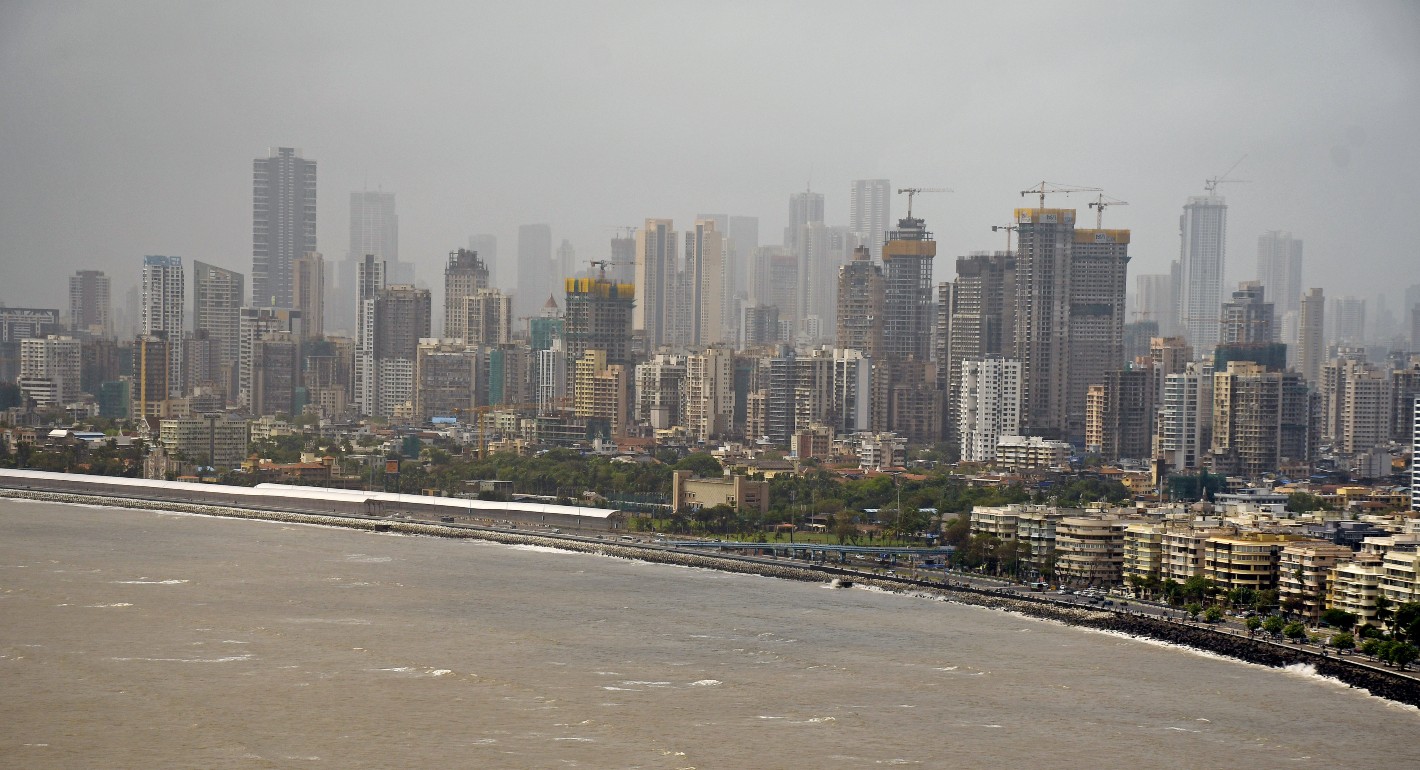
As India undergoes a demographic transition, its cities will be its economic powerhouse—but only if it accurately captures city growth and empowers cities to support their citizens.
Apoorva Jadhav