

Article
Japan’s revision of its three strategic documents reflects an intention to keep the United States engaged in the region while Japan fills any vacuums of U.S. power to preserve the Indo-Pacific order.
Ryo Sahashi
{
  "authors": [
    "Maha Yahya",
    "Rod Nordland",
    "Christopher Gunness",
    "Aymenn Jawad Al-Tamimi",
    "Wayne White"
  ],
  "type": "legacyinthemedia",
  "centerAffiliationAll": "dc",
  "centers": [
    "Carnegie Endowment for International Peace",
    "Malcolm H. Kerr Carnegie Middle East Center"
  ],
  "collections": [],
  "englishNewsletterAll": "menaTransitions",
  "nonEnglishNewsletterAll": "",
  "primaryCenter": "Malcolm H. Kerr Carnegie Middle East Center",
  "programAffiliation": "MEP",
  "programs": [
    "Middle East"
  ],
  "projects": [],
  "regions": [
    "Gulf",
    "Levant",
    "Iraq",
    "Middle East"
  ],
  "topics": [
    "Political Reform",
    "Security"
  ]
}
Source: Getty
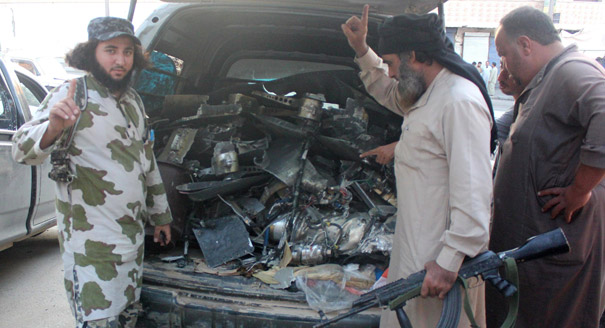
There are signs of internal dissension within the self-proclaimed Islamic State. But even if it is in partial retreat, it is a likely threat in the Middle East—and to Western interests—for years to come.
Source: KCRW’s To the Point
The losses of Kobani in Syria and Tikrit in Iraq are being taken as evidence that the so-called Islamic State is in trouble. Its revenue is reportedly drying up, and untrained recruits are replacing experienced soldiers. But ISIS still is spreading terror.
Iraq’s Prime Minister Haider Al-Abadi is due at the White House on Tuesday, and it’s all about the war against ISIS, the so-called Islamic State. Last year, ISIS looked like the world’s most dangerous terrorist group—intent on restoring the Caliphate that once ruled all Muslims. Unique for extreme brutality and brilliant Internet propaganda, ISIS forced the United States and Iran into an unlikely coalition against it. Now, ISIS is losing captured territory, its sources of money and even competent soldiers. There are signs of internal dissension. But even if it's in partial retreat, it’s a likely threat in the Middle East—and to Western interests—for years to come.
Guests:
Rod Nordland, New York Times (@rodnordland)
Christopher Gunness, United Nations Relief and Works Agency (@ChrisGunness)
Aymenn Jawad Al-Tamimi, Middle East Forum (@ajaltamimi)
Wayne White, Middle East Policy Council (@middleeastinst)
Maha Yahya, Carnegie Middle East Center (@CarnegieMEC)
This apperance was originally broadcast on KCRW’s To the Point.

Director, Malcolm H. Kerr Carnegie Middle East Center
Maha Yahya is director of the Malcolm H. Kerr Carnegie Middle East Center, where her research focuses on citizenship, pluralism, and social justice in the aftermath of the Arab uprisings.
Rod Nordland
Christopher Gunness
Aymenn Jawad Al-Tamimi
Wayne White
Carnegie does not take institutional positions on public policy issues; the views represented herein are those of the author(s) and do not necessarily reflect the views of Carnegie, its staff, or its trustees.
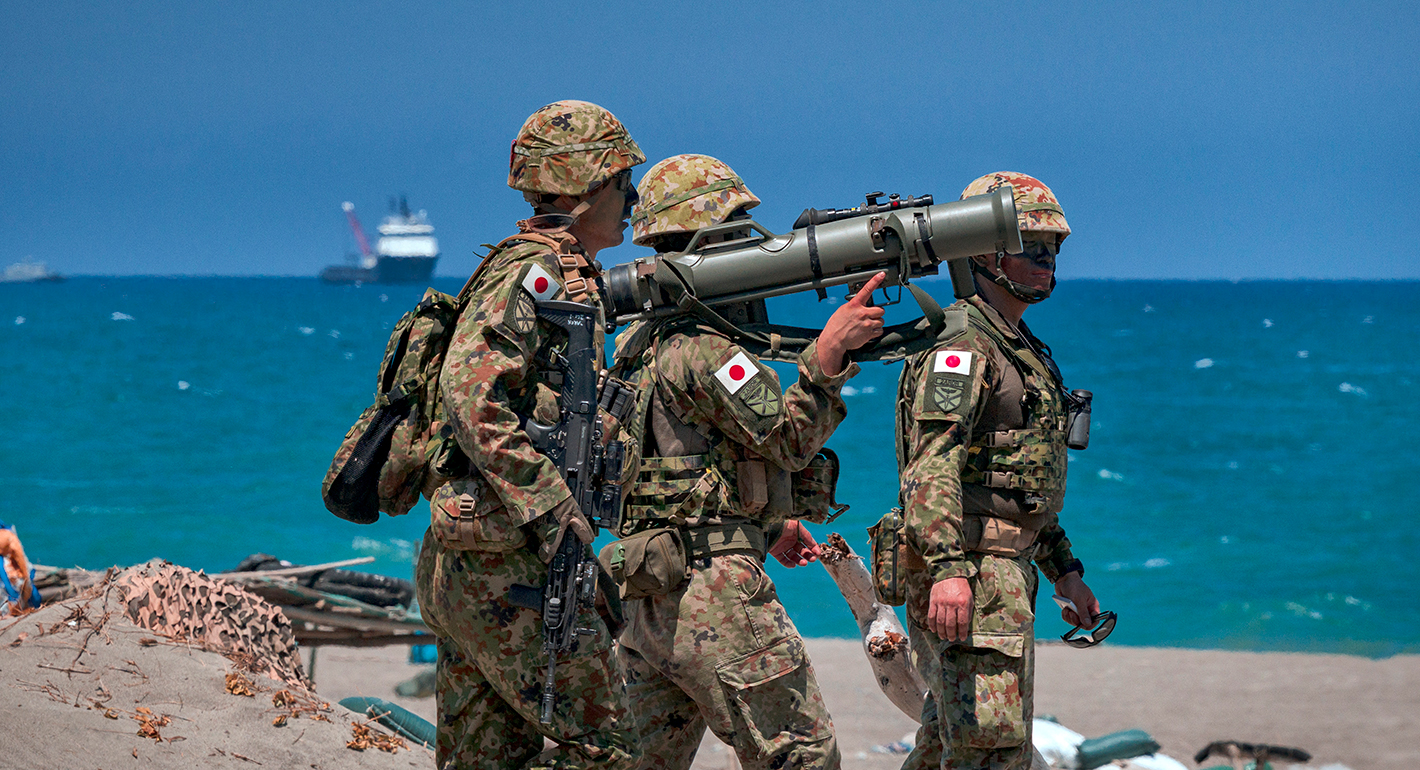
Japan’s revision of its three strategic documents reflects an intention to keep the United States engaged in the region while Japan fills any vacuums of U.S. power to preserve the Indo-Pacific order.
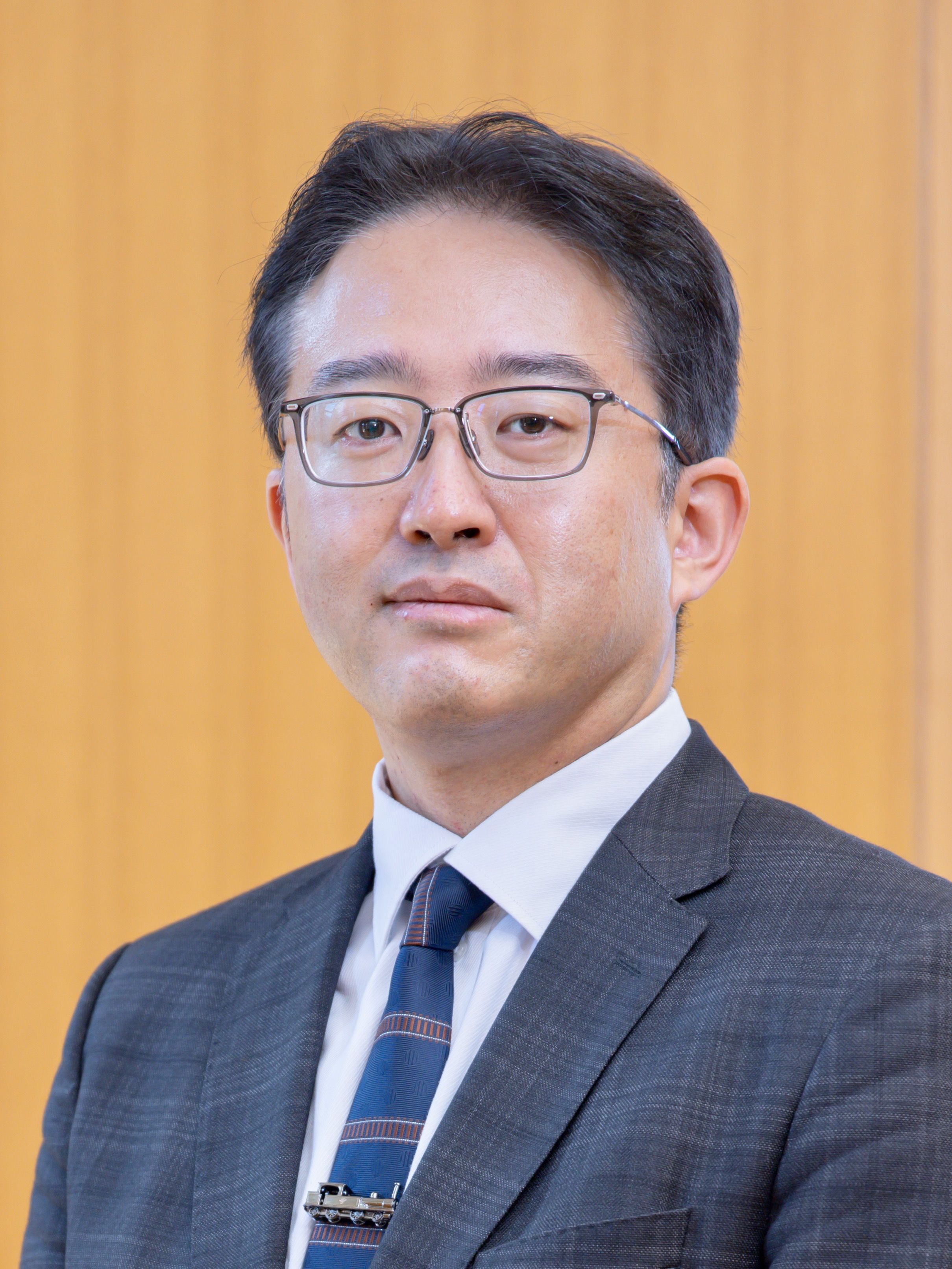
Ryo Sahashi

In the discussions made possible by the State Duma election campaign, one question is being asked more and more loudly. “What next?”

Andrey Pertsev
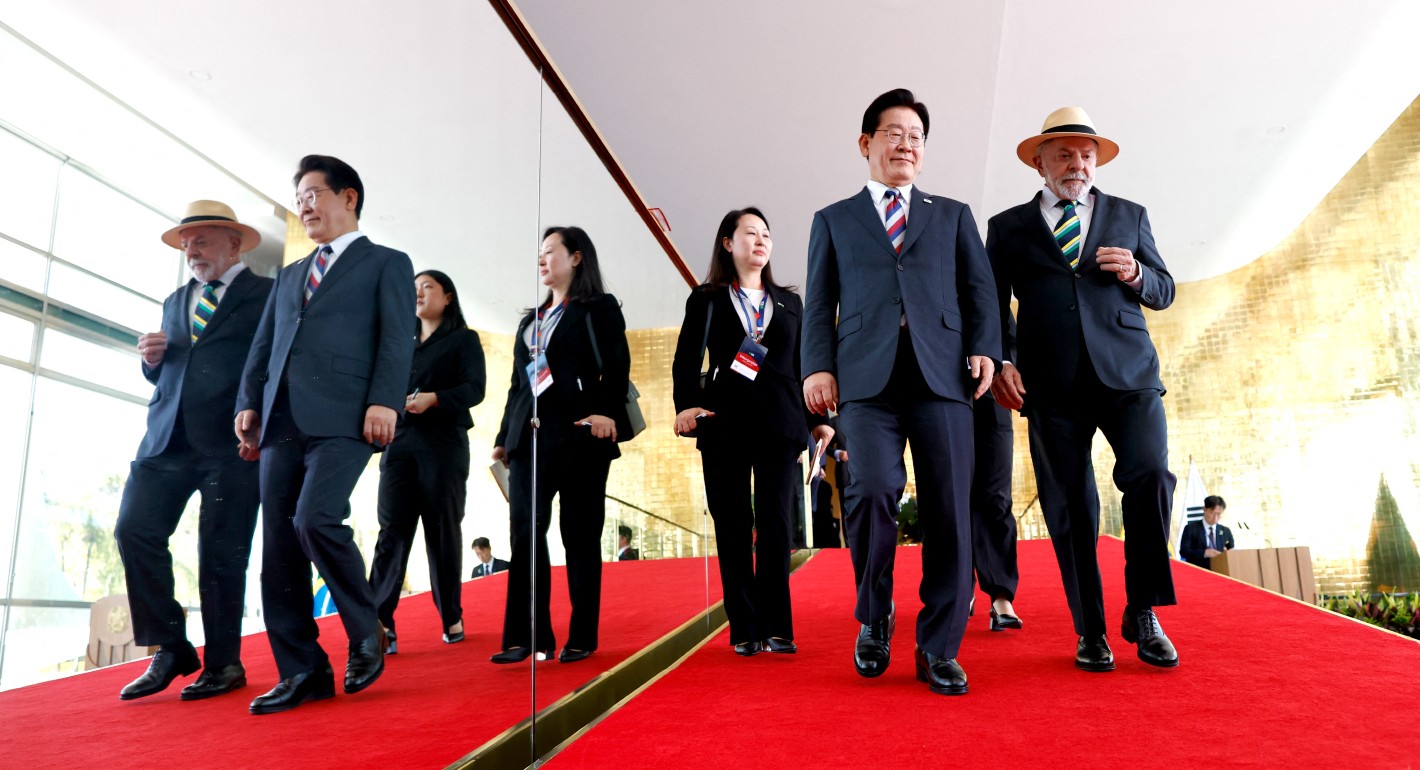
Lee’s tour shows how Seoul is reorganizing its diplomacy away from Pyongyang and toward industrial networks and the geography of the compute economy.

Darcie Draudt-Véjares
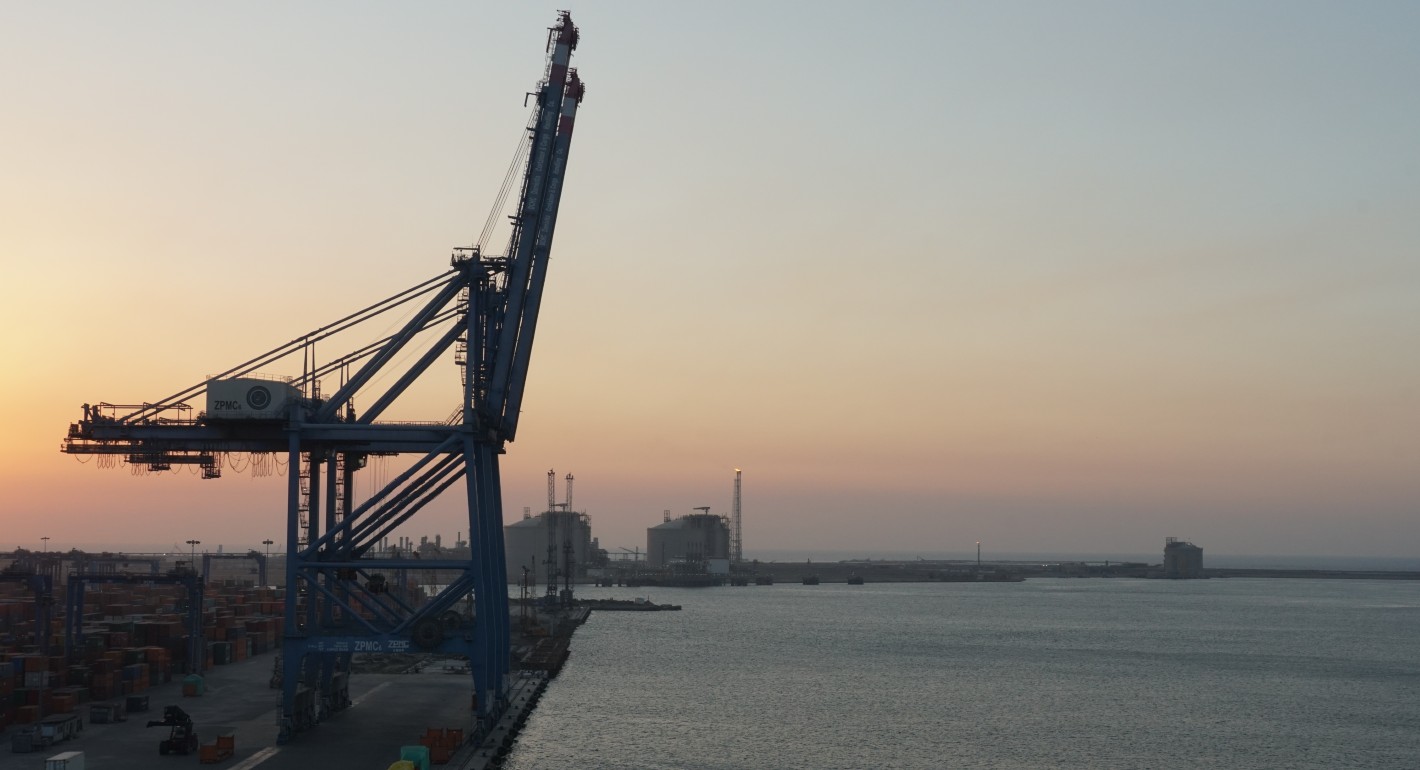
The targeting of Damietta Port appears to be more than a mere security message.

Amr Hamzawy
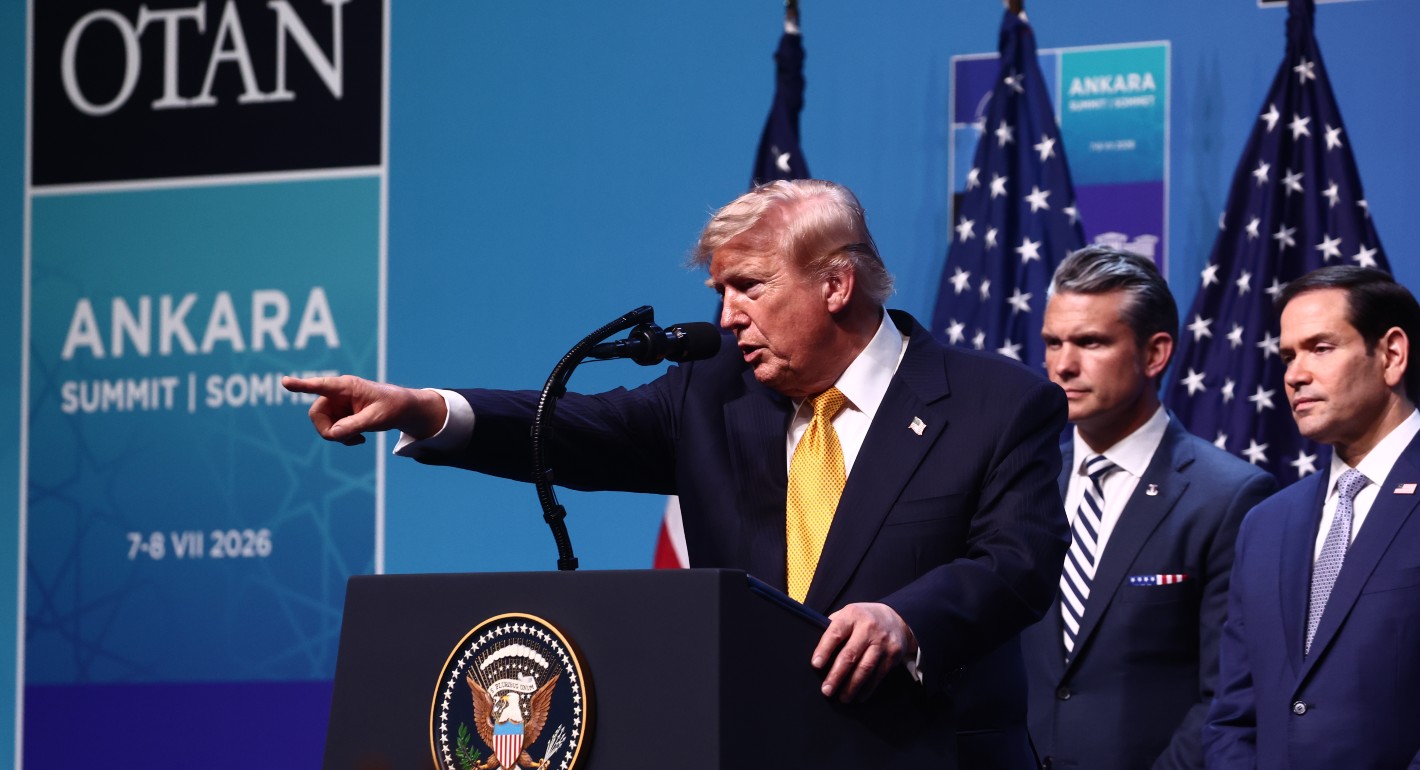
Does Donald Trump want to redraw the map of the world? Historian and geopolitical thinker Stephen Wertheim tries to parse the logic behind current American foreign policy

Stephen Wertheim