

Article
Japan’s revision of its three strategic documents reflects an intention to keep the United States engaged in the region while Japan fills any vacuums of U.S. power to preserve the Indo-Pacific order.
Ryo Sahashi
{
  "authors": [
    "Mario Abou Zeid",
    "Petr Topychkanov",
    "Vladimir Evseev",
    "Nikolay Surkov"
  ],
  "type": "legacyinthemedia",
  "centerAffiliationAll": "dc",
  "centers": [
    "Carnegie Endowment for International Peace",
    "Malcolm H. Kerr Carnegie Middle East Center"
  ],
  "collections": [
    "Iranian Proliferation"
  ],
  "englishNewsletterAll": "menaTransitions",
  "nonEnglishNewsletterAll": "",
  "primaryCenter": "Malcolm H. Kerr Carnegie Middle East Center",
  "programAffiliation": "MEP",
  "programs": [
    "Middle East"
  ],
  "projects": [],
  "regions": [
    "Iran",
    "Middle East"
  ],
  "topics": [
    "Political Reform",
    "Security",
    "Foreign Policy",
    "Nuclear Policy"
  ]
}
Source: Getty
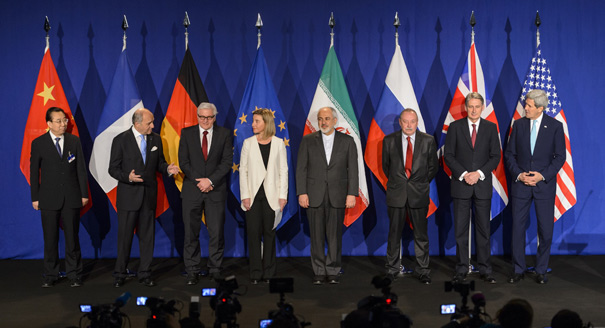
The status of the Iran nuclear talks is crucial for the further development of the region.
Source: Russia Direct
Alexey Khlebnikov, the senior editor of Russia Direct, moderated a webcast to discuss the outcomes of the Iranian nuclear talks, which were scheduled to conclude on Tuesday, March 31.
Carnegie’s Mario Abou Zeid and Petr Topychkanov, CIS Institute’s Vladimir Evseev, and MGIMO’s Chair of Middle Eastern Studies’ Nikolay Surkov discussed changes that have occurred in the Middle East in recent weeks, including Saudi-led airstrikes on Yemen against Houthi Shia rebels and the Arab League’s decision to form an Arab joint military force. The status of the Iran nuclear talks is crucial for the further development of the region. As major world powers, including France, Germany, Russia, the UK and the U.S., are involved in the talks and pursue their own interests it makes the issue even more complicated and urgent.
Participants
What questions will we answer during the webcast?
This interview was originally published by Russia Direct and broadcast on the Russia Direct Google+ Channel.
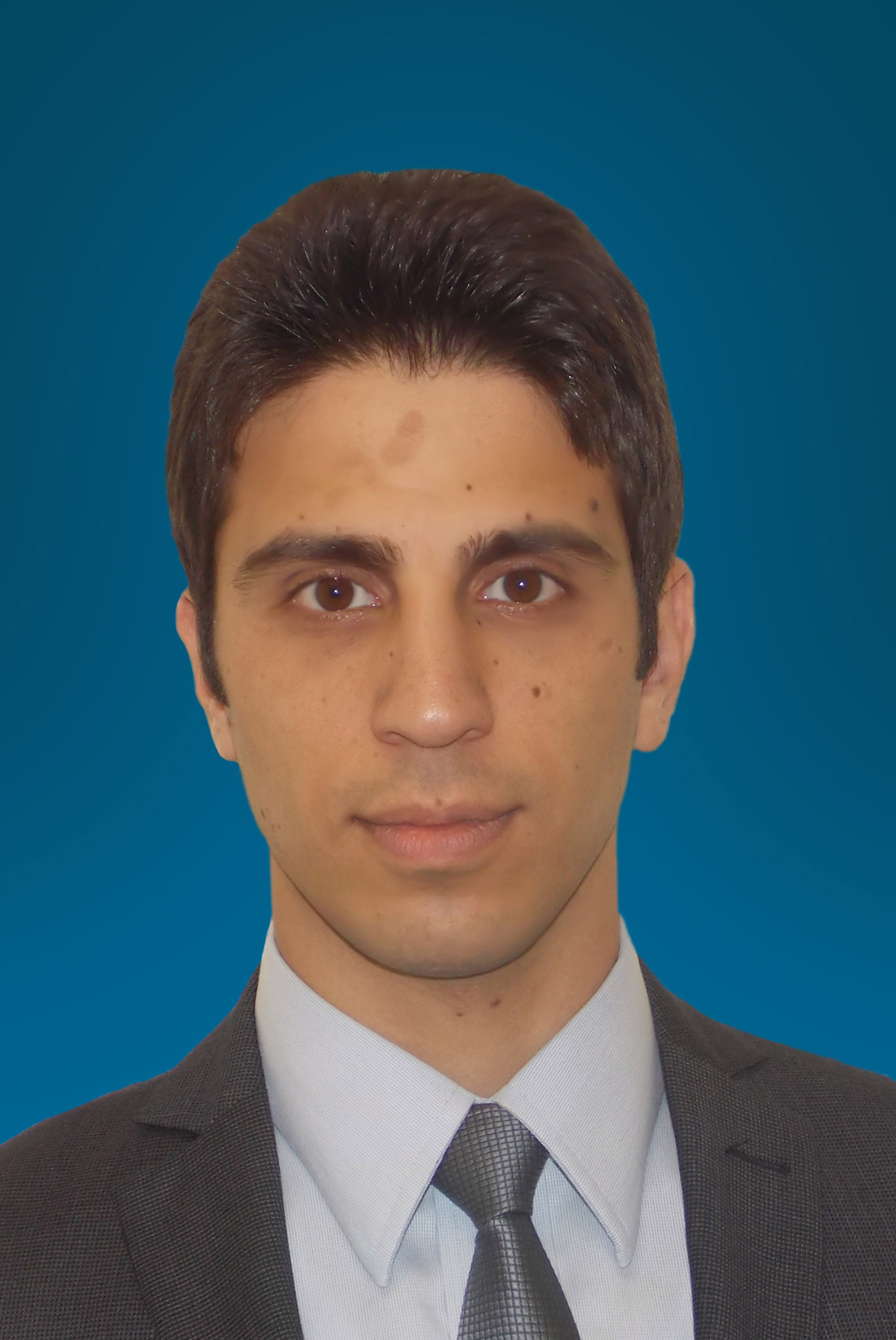
Former Research Analyst, Middle East Center
Abou Zeid was a research analyst at the Carnegie Middle East Center, where his work focuses on political developments in Lebanon, Syria, Iraq, and Iran.
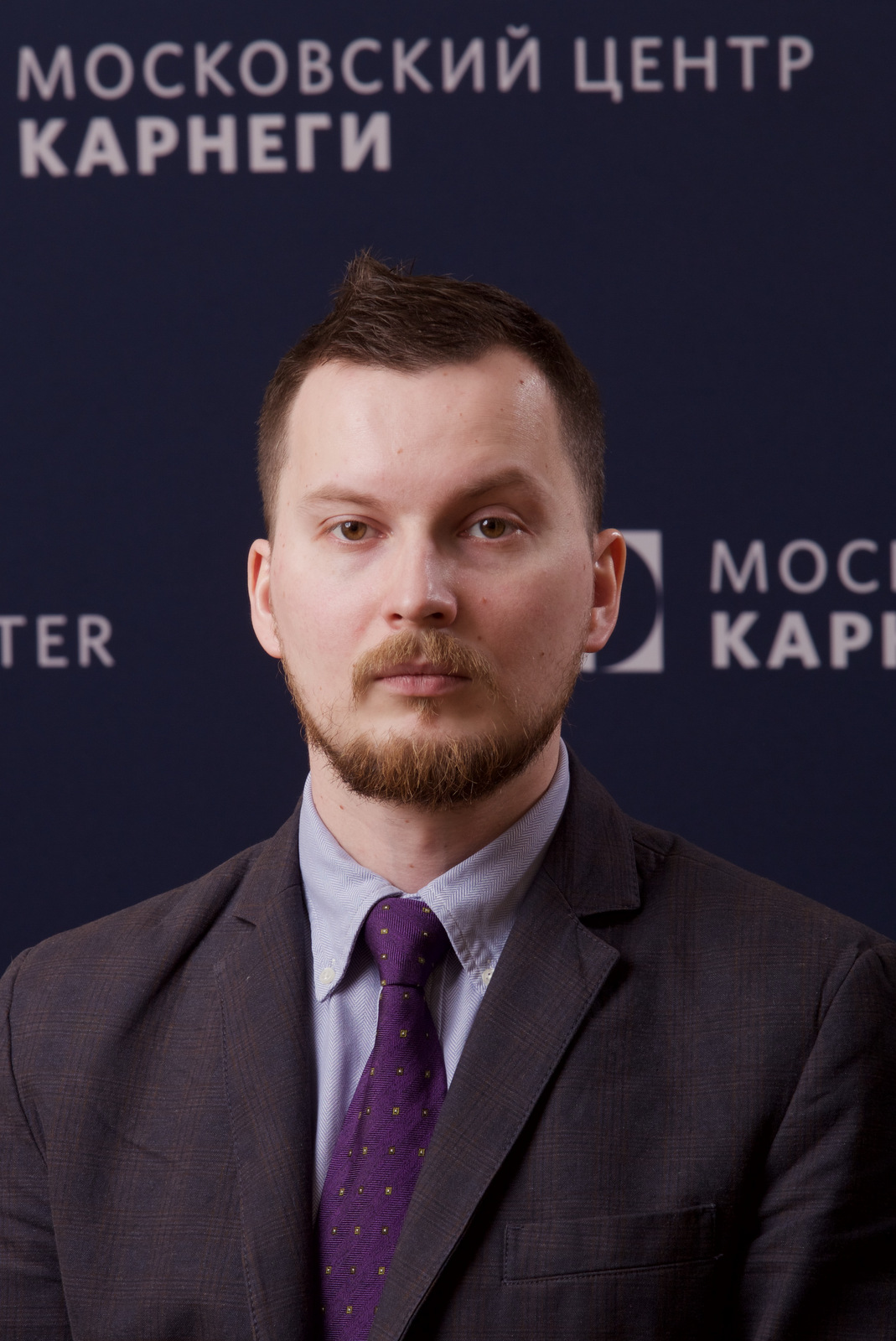
Former Fellow, Nonproliferation Program, Moscow Center
Topychkanov was a fellow in the Carnegie Moscow Center’s Nonproliferation Program.
Vladimir Evseev
Nikolay Surkov
Carnegie does not take institutional positions on public policy issues; the views represented herein are those of the author(s) and do not necessarily reflect the views of Carnegie, its staff, or its trustees.
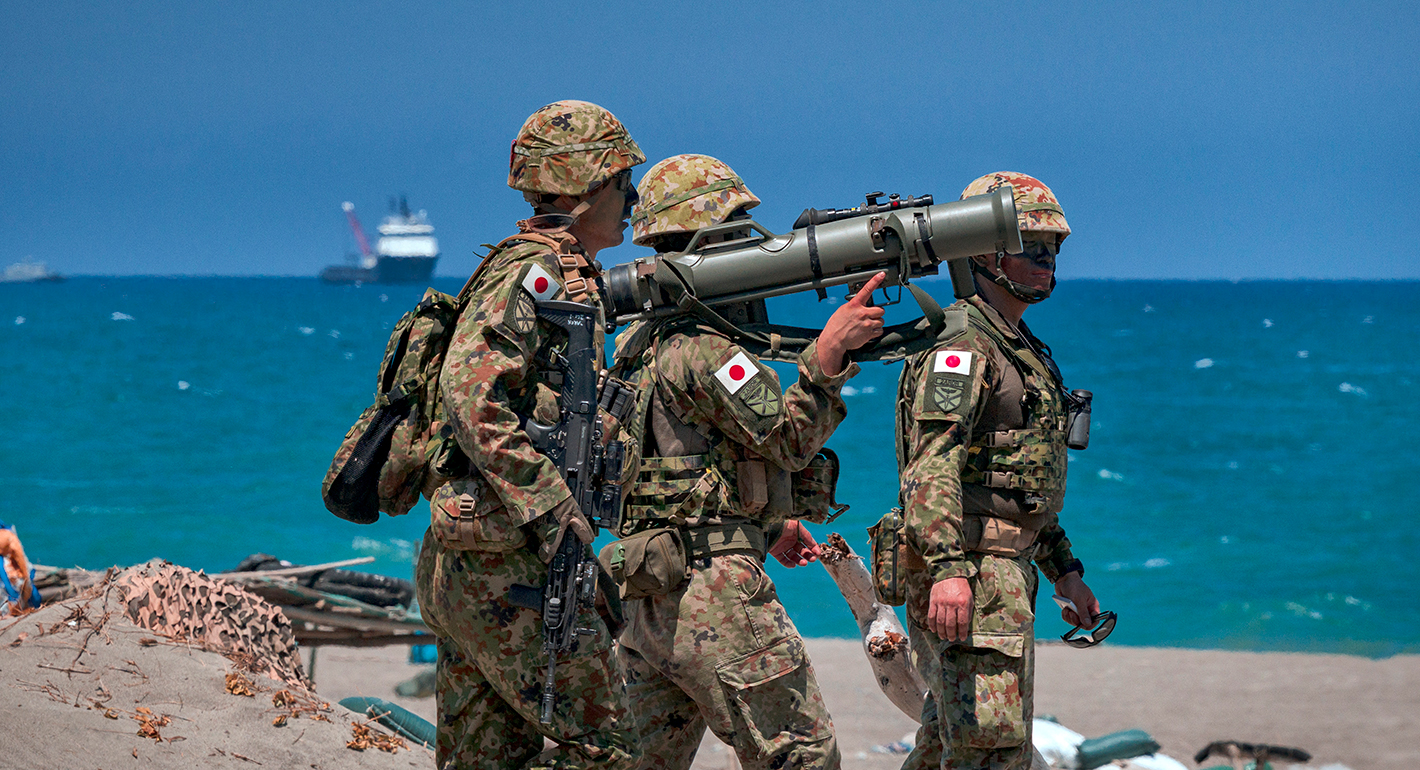
Japan’s revision of its three strategic documents reflects an intention to keep the United States engaged in the region while Japan fills any vacuums of U.S. power to preserve the Indo-Pacific order.
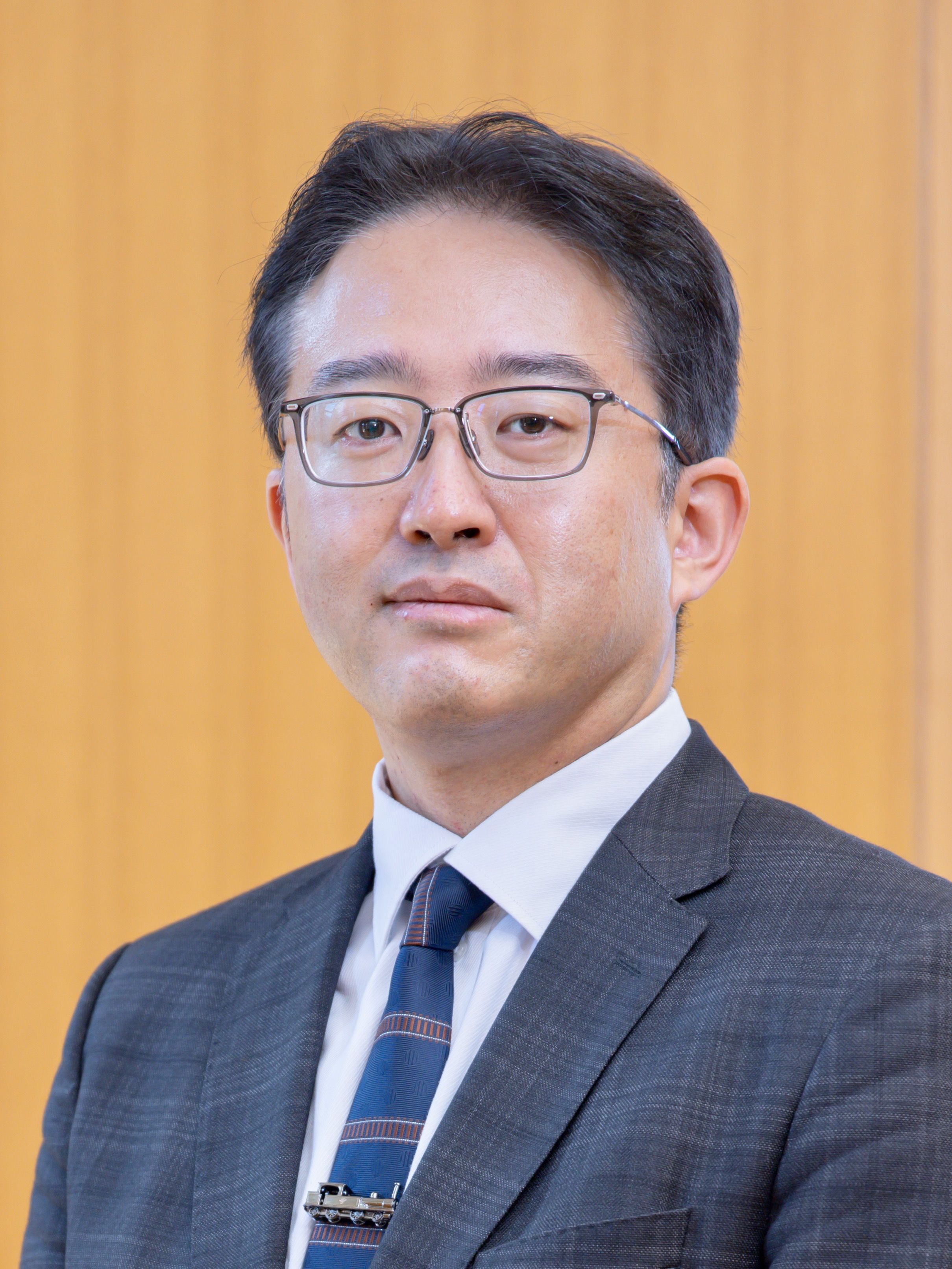
Ryo Sahashi
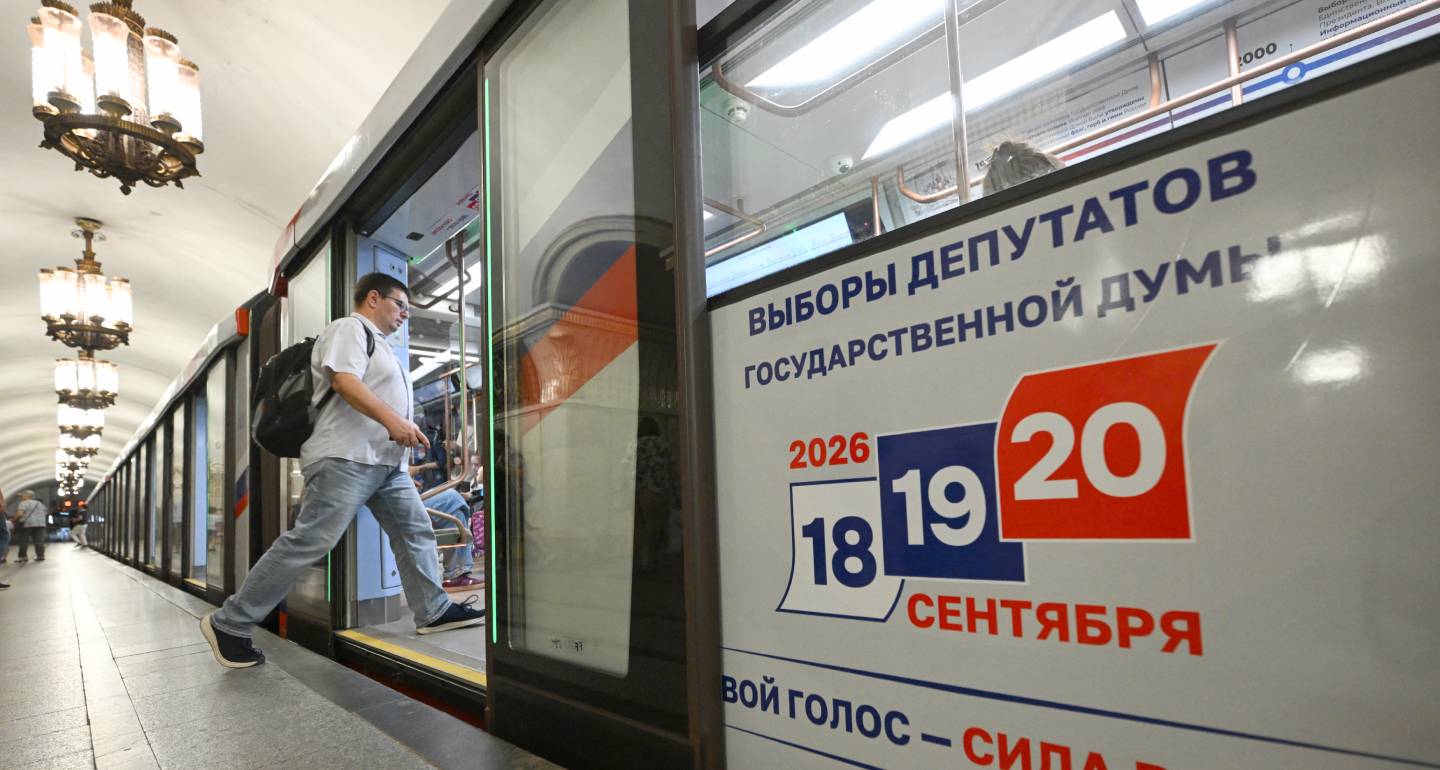
In the discussions made possible by the State Duma election campaign, one question is being asked more and more loudly. “What next?”

Andrey Pertsev

A look at how public opinion influences the credibility of coercive nuclear threats,and how it enables and constrains strategies of nuclear coercion.
Lauren Sukin, Samuel Seitz
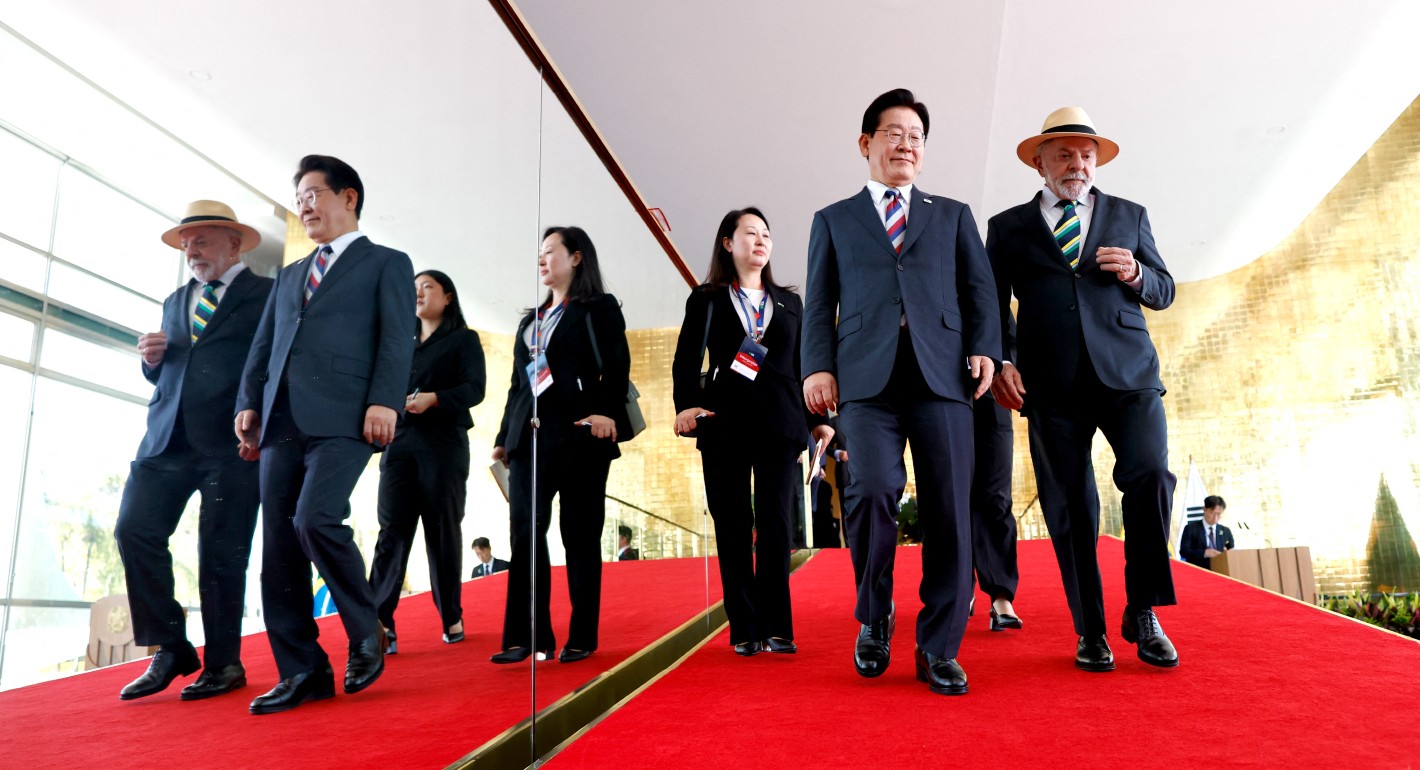
Lee’s tour shows how Seoul is reorganizing its diplomacy away from Pyongyang and toward industrial networks and the geography of the compute economy.

Darcie Draudt-Véjares
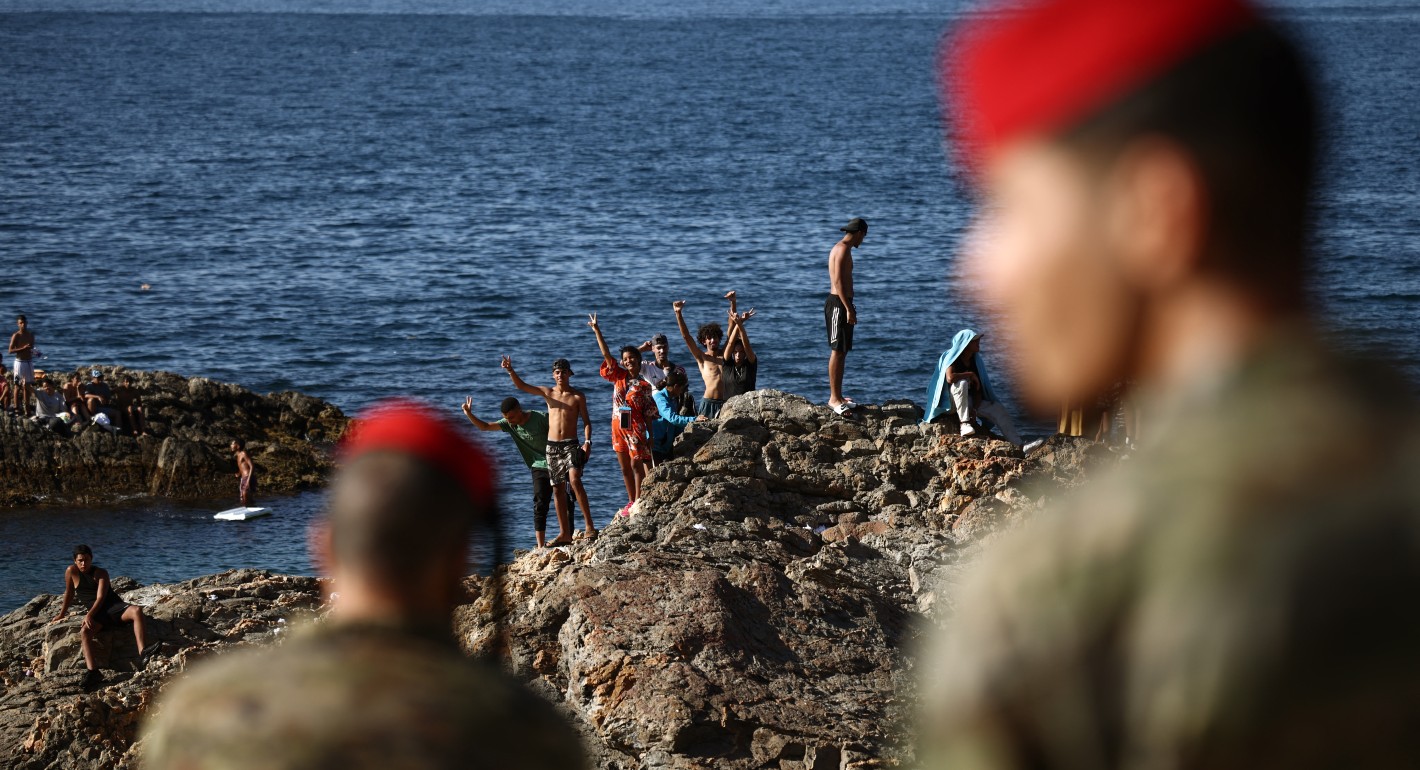
Most migrants may have left Ceuta, but the effects may linger.


Alejandro Martin Rodriguez, Sarah Yerkes